At Green Life Zen, we’ve spent years analyzing, testing, and optimizing the technologies that make sustainable living not just possible, but highly efficient. If you are venturing into the world of renewable energy—whether you’re designing a backyard micro-hydro system, upgrading an off-grid cabin, or simply exploring how modern wind turbines capture the breeze—you will inevitably encounter the permanent magnet generator (PMG).
Unlike legacy generators that rely on complex, wear-prone electrical excitation systems to create a magnetic field, PMGs utilize high-strength rare-earth magnets. This fundamental shift in engineering yields a power source that is remarkably efficient, incredibly compact, and virtually maintenance-free.
But is a PMG the right choice for your specific project? In this comprehensive guide, we will break down the mechanics, performance characteristics, costs, applications, and safety protocols of permanent magnet generators to help you make an informed, expert-level decision.
Ready to Build Your Own Off-Grid Power System?

The number one reason DIY magnetic generators fail isn’t the physics—it is a lack of precision tools. Don’t drill a single hole or twist a single wire until your workspace is set up like a professional energy lab. Grab our free 17-page blueprint covering the exact tools, safety gear, and air-gap instruments you need to succeed on your first try.
Key Takeaways
- No Excitation Required: PMGs use rare-earth magnets (like Neodymium) to generate a constant magnetic field, eliminating the need for an external power source to start generating electricity.
- Superior Efficiency: By eliminating the energy losses associated with electromagnet field windings, a permanent magnet generator typically achieves 85% to 95% efficiency.
- Brushless Reliability: As a completely brushless generator, a PMG requires significantly less maintenance and boasts a much longer operational lifespan than traditional brushed alternators.
- Low-RPM Performance: PMGs excel in direct-drive applications, making them the industry standard as a wind turbine generator or micro-hydro power source.
- Safety First: Because the magnetic field is always active, a PMG will generate lethal voltage anytime the shaft spins, requiring strict lock-out/tag-out safety protocols during maintenance.
What Is a Permanent Magnet Generator and How Does It Work?
To understand why the permanent magnet generator has revolutionized the renewable energy sector, we must first look at the basic physics of electricity generation.
The Basics of Electromagnetic Induction
All electrical generators operate on the principle of electromagnetic induction, a concept discovered by Michael Faraday in 1831. In simple terms, Faraday’s Law states that when a conductive material (like a copper wire) moves through a magnetic field, an electrical current is induced within that wire.
In a conventional generator, this magnetic field is created by passing a small amount of electricity through copper coils to create an electromagnet (a process called “excitation”). A permanent magnet generator entirely skips this step. Instead, it relies on exceptionally strong, permanent rare-earth magnets to provide a continuous, always-on magnetic field.
Anatomy of a PMG: Stator and Rotor
A PMG generator consists of two primary components:
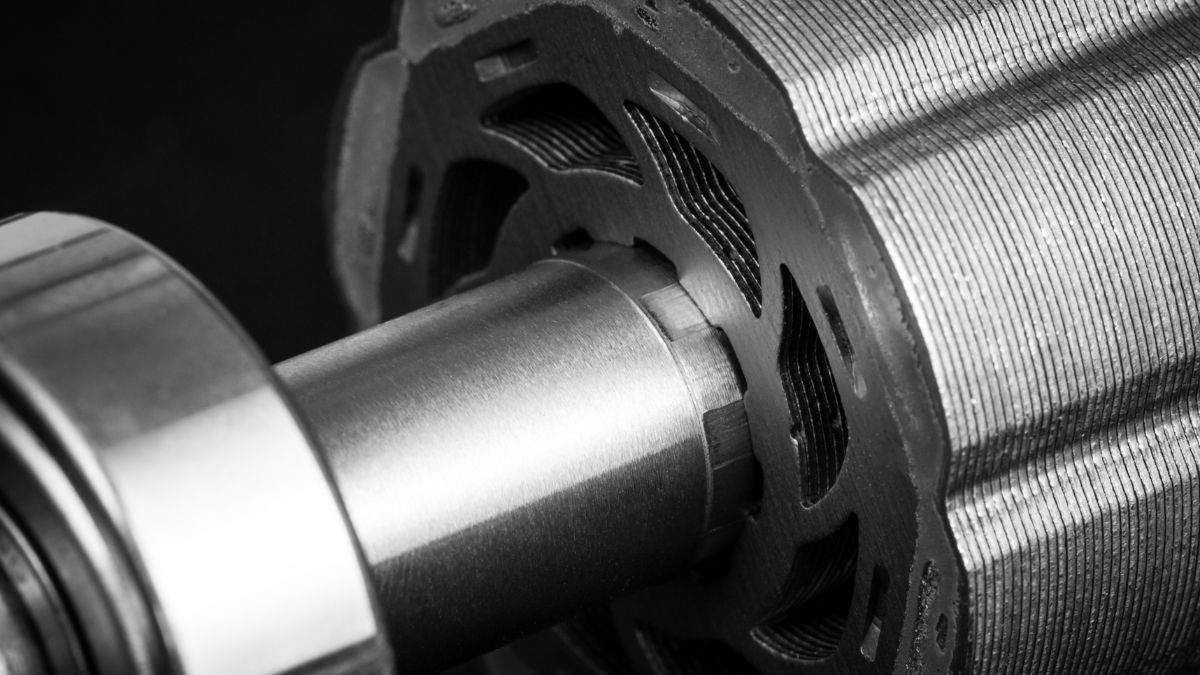
- The Stator: The stationary outer housing of the generator. The stator is lined with tightly wound copper wire coils.
- The Rotor: The rotating inner shaft. In a PMG, the rotor is embedded with alternating north and south permanent magnets.
As an external force—such as a wind turbine blade, a flowing river, or an engine shaft—spins the rotor, the alternating magnetic fields sweep past the copper coils in the stator. This movement induces a robust electrical current in the copper windings.
AC Output and Rectification
The electricity produced by the sweeping magnets naturally alternates its direction, resulting in three-phase Alternating Current (AC). However, if you are using an off-grid power generator to charge a battery bank, batteries can only store Direct Current (DC).
To solve this, the three-phase AC output must pass through a device called a rectifier. The rectifier uses electrical diodes to act as a one-way valve, converting the fluctuating AC power into a smooth, stable DC output that can safely charge your solar, wind, or hydro battery bank.
PMG vs. Conventional Generators
The easiest way to understand a PMG is to look at what it doesn’t have. A conventional generator requires carbon brushes and slip rings to transfer the excitation current to the spinning rotor. These parts create friction, generate heat, and eventually wear out. A PMG is a brushless generator. Because the rotor requires no electrical input to create its magnetic field, there is no need for brushes, resulting in a system with vastly fewer points of failure.
Advantages and Performance Characteristics
Why are engineers and off-grid enthusiasts overwhelmingly choosing the permanent magnet generator over traditional wound-field alternators? The answer lies in the distinct performance advantages PMGs offer, balanced against a few notable limitations.
Unmatched Efficiency
In a conventional generator, roughly 5% to 10% of the total energy produced must be siphoned off just to power the electromagnets on the rotor. Because a PMG uses permanent magnets, it suffers from zero “excitation loss.” Furthermore, the absence of carbon brushes eliminates friction and electrical resistance.
As a result, a high-quality renewable energy generator utilizing PMG technology frequently operates at 90% to 95% efficiency, compared to the 75% to 85% efficiency typical of conventional generators. Over the 20-year lifespan of a wind or hydro project, this efficiency gap translates to massive gains in total power generation.
Compact Size and High Power Density
Rare-earth magnets, particularly Neodymium-Iron-Boron (NdFeB), possess immensely powerful magnetic fields relative to their size. This allows PMGs to achieve a high “power density.” A permanent magnet generator will typically be 30% to 50% smaller and significantly lighter than a conventional generator of the exact same wattage. This low weight is absolutely critical when mounting a heavy wind turbine generator atop a 50-foot tower.
Low-Speed Performance
Traditional alternators, like the ones found in internal combustion cars, must spin at very high speeds (often 2,000 to 5,000 RPM) to generate usable power. PMGs can be engineered with a high number of magnetic poles, allowing them to produce usable voltage at remarkably low rotational speeds (often 100 to 300 RPM). This makes them perfect for “direct-drive” applications, eliminating the need for heavy, noisy, and maintenance-heavy gearboxes.
Honest Trade-Offs: The Limitations
To build trust, we must be transparent about the limitations of this technology:
- Voltage Regulation: In a conventional generator, you can control the voltage output by turning the electromagnet’s power up or down. A PMG’s magnetic field is constant, meaning voltage fluctuates directly with the rotational speed. This requires robust external electronics (like an MPPT charge controller) to stabilize the power for household use.
- Thermal Sensitivity: Extreme heat is the enemy of permanent magnets. If a PMG is overworked and exceeds its Curie temperature (the point at which magnetic materials lose their magnetism), the magnets can become permanently demagnetized, ruining the generator.
Related Article: How to Turn a Car Alternator Into a Generator.
Design, Construction, and Cost Considerations
If you are sourcing a permanent magnet alternator for a custom build, understanding the materials and design geometry will help you ensure you aren’t overpaying or buying the wrong equipment.
Magnets and Copper Windings
The heart of a PMG lies in its magnets. Most modern consumer and industrial PMGs use NdFeB (Neodymium) magnets due to their unbeatable strength-to-cost ratio. However, for applications subject to extreme heat, engineers may opt for Samarium Cobalt (SmCo) magnets, which tolerate much higher temperatures but come at a premium price point.
The stator is wound with heavy-gauge, enameled copper wire. The thickness of this wire (the gauge) determines the maximum amperage the generator can safely handle before overheating.
Cooling and Environmental Protection
Because heat is detrimental to rare-earth magnets, cooling design is critical. Small to medium PMGs typically use a Totally Enclosed Fan Cooled (TEFC) design, utilizing aluminum cooling fins on the exterior housing to dissipate heat. High-end, multi-megawatt industrial PMGs may utilize active liquid cooling systems.
Additionally, if your generator will be exposed to the elements, you must check its Ingress Protection (IP) rating. A wind turbine generator should ideally be rated at IP65 or higher, ensuring it is completely sealed against dust and high-pressure water jets.
Realistic Cost Expectations
Cost varies wildly based on power output, build quality, and the fluctuating global commodities market for rare-earth metals.
- Micro-Scale (100W – 500W): Perfect for DIY wind turbines or small camping setups. Expect to pay between $100 and $350.
- Residential Off-Grid (1kW – 5kW): Suitable for powering an entire off-grid cabin or home when paired with battery storage. Prices typically range from $800 to $2,500.
- Commercial/Industrial (10kW+): Heavy-duty units with high IP ratings and premium bearings. These can range from $3,000 to over $10,000.
Note: The cost of PMGs is heavily tied to the supply chain of rare-earth metals, which can cause pricing volatility in the renewable energy market.
Related Article: How to Build a Magnetic Generator to Power Your Home.
Applications Across Industries
The unique characteristics of the permanent magnet generator have made it the go-to choice across a wide spectrum of cutting-edge industries.
Renewable Energy: Wind and Hydro
In the renewable sector, PMGs are unmatched. A classic real-world scenario is the modern residential wind turbine. Because wind speeds are variable and often low, a traditional generator would require a complex, heavy gearbox to step up the rotor RPM. A PMG acts as a direct-drive wind turbine generator, spinning at the exact speed of the blades (often 200 RPM) while still outputting enough voltage to charge a 48V battery bank. The same direct-drive principle applies to micro-hydro turbines sitting in remote streams, operating silently for decades with almost zero maintenance.
Automotive and Electric Vehicles (EVs)
While EVs use PMGs primarily as motors, the technology is fully reversible. During regenerative braking, the electric motor turns into a permanent magnet alternator. As the car slows down, the wheels spin the rotor, generating electricity that is fed backward into the car’s battery, vastly increasing the vehicle’s driving range.
Industrial and Medical Applications
In the medical field, reliability is quite literally a matter of life and death. PMGs are often utilized in portable medical equipment and mobile medical shelters as backup power solutions because their brushless design means there is no carbon dust generated, keeping sterile environments clean. In heavy industry, PMGs are increasingly used in automated conveyor systems and robotic arms, favored for their rapid response times and high torque density.
Residential Off-Grid Living
For the modern homesteader, a PMG is often the final piece of the energy independence puzzle. While solar panels provide daytime power, a PMG-driven micro-hydro or wind setup acts as the perfect off-grid power generator, providing continuous electricity through the night and during heavy winter storms when solar yield is low. [INTERNAL LINK: How to Combine Solar and Wind Power for Ultimate Off-Grid Reliability].
Maintenance, Installation, and Safety Best Practices
While PMGs are famous for their low-maintenance brushless design, they are not strictly “set it and forget it” devices. Proper installation and safety protocols are paramount.
A Practical Maintenance Checklist
To ensure your generator lasts its expected 15-to-25-year lifespan, follow this annual checklist:
- Bearing Inspection: Bearings are the only physically wearing parts on a PMG. Listen for grinding noises, check for shaft play, and re-grease them according to the manufacturer’s schedule.
- Visual Wiring Check: Inspect the three-phase AC output wires for UV degradation, chafing, or signs of heat stress (discolored insulation).
- Mounting Hardware: Generators vibrate. Annually torque down all mounting bolts, using thread-locking fluid where appropriate.
- Thermal Monitoring: Use an infrared thermometer during peak operation to ensure the casing is not exceeding the manufacturer’s recommended operating temperature (usually around 80°C to 100°C max).
Installation Expectations
Installing a PMG requires mechanical aptitude and electrical safety knowledge. Mechanically, the generator shaft must be perfectly aligned with the driving force (e.g., a water wheel shaft). Even a fraction of an inch of misalignment can destroy the generator’s bearings in a matter of weeks. Expect installation of a residential system to take a full weekend for experienced DIYers, requiring heavy lifting equipment for units over 2kW.
Essential Safety Precautions (Crucial Step)
Never underestimate the danger of a permanent magnet generator.
Because the magnets are permanent, the generator will produce voltage anytime the shaft turns. Unlike a conventional generator, you cannot turn off a PMG with a switch. If a gust of wind catches a turbine blade while you are working on the bare wiring, you will receive a lethal shock.
- Mechanical Lock-out: Before performing electrical work, you must physically immobilize the rotor. Use a mechanical brake or physically bolt the turbine blades/water wheel in place so they cannot spin.
- Dynamic Braking: Many systems feature a “shorting switch” (dynamic brake) which shorts the three AC phases together, creating massive electromagnetic resistance that stops the rotor from turning. Do this before servicing.
- Qualified Personnel: If you are unsure about high-voltage AC wiring, three-phase rectification, or local electrical codes, hire a licensed electrician.
Ready to Build Your Own Off-Grid Power System?
The number one reason DIY magnetic generators fail isn’t the physics—it is a lack of precision tools. Don’t drill a single hole or twist a single wire until your workspace is set up like a professional energy lab. Grab our free 17-page blueprint covering the exact tools, safety gear, and air-gap instruments you need to succeed on your first try.
Conclusion: Powering the Future of Sustainability
The transition away from fossil fuels relies on our ability to harvest natural kinetic energy—wind, water, and motion—with maximum efficiency. The permanent magnet generator stands at the absolute forefront of this mission. By eliminating brushes, shedding the weight of electromagnet windings, and drastically increasing energy conversion efficiency, PMGs provide a robust, resilient power solution that outlasts and outperforms older technologies.
At GreenLifeZen, we believe true sustainability starts with making informed, long-lasting investments. Whether you are building an off-grid cabin in the mountains or simply expanding your knowledge of renewable tech, understanding the mechanics, costs, and safety requirements of PMGs ensures your energy systems will provide clean, reliable power for decades to come.
Frequently Asked Questions
What is the difference between a permanent magnet generator and a standard alternator?
A standard alternator (like the one in your car) requires a battery to send a small electrical current through the rotor to create a magnetic field (excitation). A permanent magnet generator (PMG) uses rare-earth magnets to provide its own permanent magnetic field, meaning it requires no external power source to start generating electricity.
Can a PMG generator power a whole house?
Yes, but not directly. Because the voltage from a PMG fluctuates with the speed of the wind or water driving it, the power must be run through a charge controller to safely charge a large battery bank. An inverter then pulls stable power from those batteries to run standard household appliances.
How long does a brushless permanent magnet generator last?
Because a PMG is a brushless generator, it has very few moving parts to wear out. Assuming it is not subjected to overheating and the bearings are properly maintained or replaced, a high-quality PMG can easily last 15 to 25 years in continuous operation.
Do permanent magnet generators work at low RPMs?
Yes, this is one of their primary advantages. By designing the generator with multiple magnetic poles, manufacturers can create PMGs that produce high voltages at very low rotational speeds (e.g., 100 to 300 RPM). This makes them perfect for direct-drive wind and hydro turbines.
What happens if a PMG overheats?
Heat is the biggest threat to a PMG. If the generator is driven past its maximum rated capacity, it will overheat. If the temperature exceeds the “Curie point” of the rare-earth magnets inside, the magnets will permanently lose their magnetic charge, permanently destroying the generator’s ability to produce electricity.