When exploring complementary therapies for cancer, you may encounter aggressive marketing claiming fulvic acid can treat or cure the disease. However, no human clinical trials have established fulvic acid as a cancer treatment. While preliminary laboratory research suggests fulvic acid possesses antioxidant and anti-inflammatory properties, these findings are restricted to test-tube and animal studies. Evidence-based medicine dictates that fulvic acid should never replace, delay, or interrupt standard, oncologist-directed treatments such as chemotherapy, radiation, immunotherapy, or surgery.
What Is Fulvic Acid?
Fulvic acid is a naturally occurring chemical compound found in soil, compost, marine sediments, and peat. It is one of several humic substances, which are complex organic compounds created when plants and animals decompose over long periods. In nature, fulvic acid acts as a biological transporter, binding to minerals and nutrients in the soil to help plants absorb them more effectively.
In the wellness industry, fulvic acid is frequently consumed via shilajit, a sticky, mineral-rich resin sourced from the rocks of the Himalayas and other mountain ranges. Shilajit has been used in traditional Ayurvedic practices for centuries. Today, isolated fulvic acid is also sold in liquid drops, capsules, and powders, often marketed for its alleged ability to boost energy, improve gut health, and fight disease.
What Does the Research Say About Fulvic Acid and Cancer?
Understanding the difference between preliminary science and proven medicine is critical when evaluating fulvic acid research. To date, scientists have not conducted human clinical trials testing fulvic acid as a cancer therapy.
Preliminary Laboratory Findings
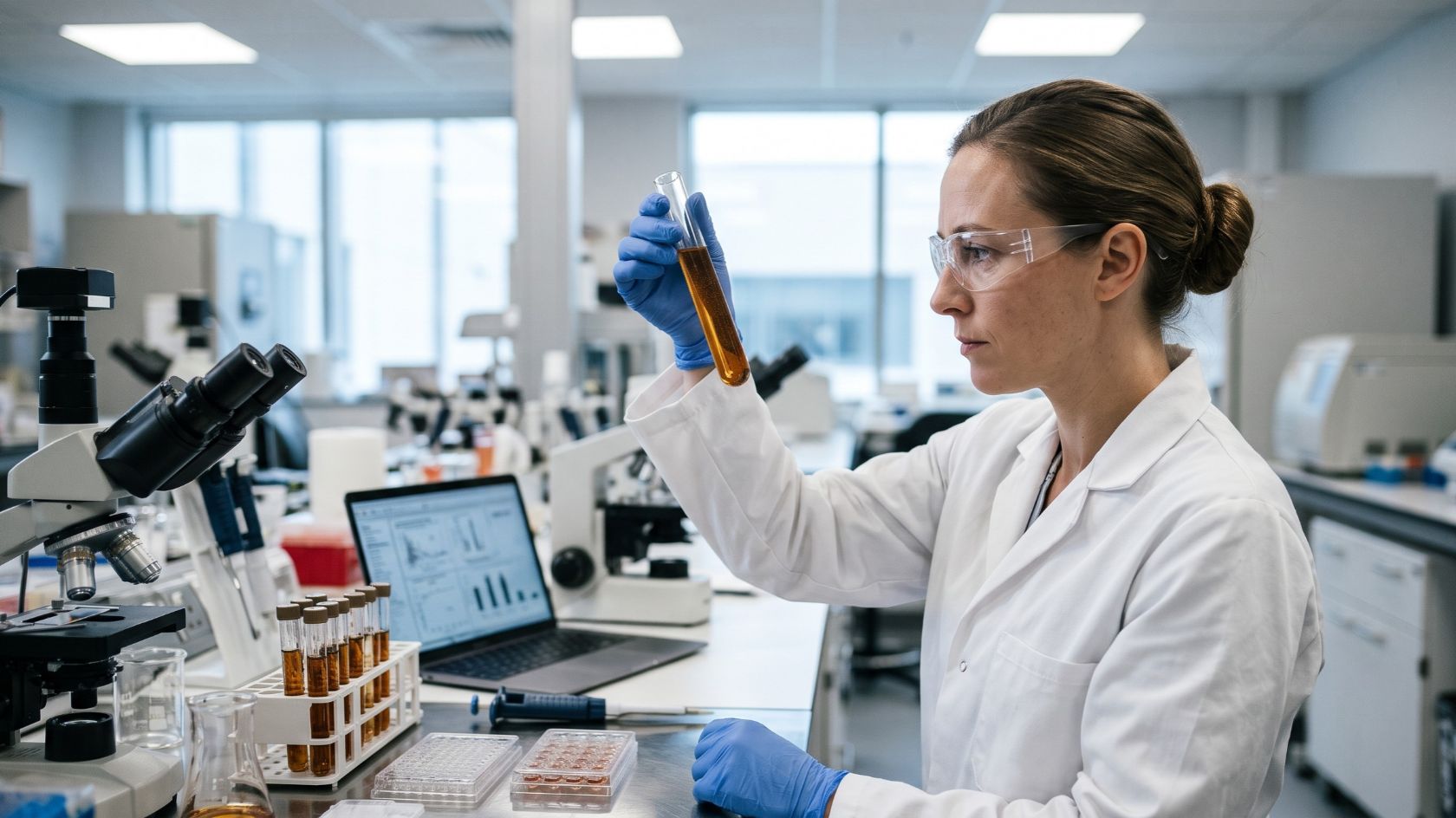
Most claims surrounding fulvic acid and cancer stem from in vitro studies—experiments conducted on isolated cells in a laboratory setting (a petri dish). In these controlled environments, researchers have observed that fulvic acid can induce apoptosis (programmed cell death) in certain human cancer cell lines, such as liver and colon cancer cells.
While these test-tube findings are scientifically interesting, they do not prove effectiveness in humans. Killing cancer cells in a petri dish is relatively easy; delivering a compound safely to a tumor inside a living human body without harming healthy tissue is entirely different.
Antioxidant and Anti-inflammatory Properties
The broader fulvic acid benefits currently being studied involve its behavior as an antioxidant and anti-inflammatory agent. Research in animal models indicates that fulvic acid can neutralize free radicals, potentially reducing oxidative stress. Chronic inflammation and oxidative stress are linked to cancer development, which explains why scientists are exploring humic substances. However, these mechanisms have not translated into proven cancer prevention strategies in human populations.
The Limits of Current Evidence
Currently, the scientific community classifies fulvic acid research as foundational. Laboratory and animal studies are designed to identify potential biological mechanisms, not to establish medical treatments. Until rigorous, randomized, double-blind clinical trials are conducted on humans, any claims that fulvic acid shrinks tumors, stops metastasis, or cures cancer remain strictly unsupported by evidence.
Claimed Benefits vs. Proven Benefits
To clarify the gap between marketing hype and scientific reality, the following table compares common internet claims with the current levels of verifiable evidence.
| Health Category | Common Internet Claim | Current Scientific Evidence | Level of Evidence |
|---|---|---|---|
| Cancer Treatment | Cures or shrinks tumors in human patients. | Induces cell death in isolated cancer cell cultures only. | In vitro (Test-tube) |
| Inflammation | Eliminates all systemic inflammation and disease. | Reduces specific pro-inflammatory markers in animal models. | In vitro & Animal |
| Immune System | Boosts immunity to prevent all infections. | Modulates immune response; may either stimulate or suppress it. | In vitro & Animal |
| Nutrient Transport | Maximizes human cellular mineral uptake perfectly. | Binds to soil minerals to improve bioavailability in plants. | Agricultural / Basic |
Safety, Side Effects, and Risks
A common question among patients is, “Is fulvic acid safe?” For generally healthy individuals, standard doses of purified fulvic acid appear to be well-tolerated. However, for people diagnosed with cancer, safety parameters change significantly.
Because dietary supplements are not strictly regulated by the FDA, product purity varies wildly. Fulvic acid is extracted from the earth, meaning poor-quality supplements carry a high risk of contamination with heavy metals, including lead, arsenic, and mercury. Ingesting heavy metals can cause severe toxicity, especially for patients with already compromised immune systems or weakened organs.
Documented fulvic acid side effects are usually mild and include headaches, sore throats, or gastrointestinal upset. However, a major medical concern is its potential to interact with prescription medications. Fulvic acid may alter how the body absorbs other substances, potentially decreasing or dangerously increasing the absorption of chemotherapy drugs, targeted therapies, or immunosuppressants.
How to Evaluate Fulvic Acid Products and Spot Misleading Claims
If you and your doctor decide that taking evidence-based supplements is appropriate, selecting a safe product is essential. The supplement market is flooded with unregulated products that use deceptive marketing.
To evaluate a supplement’s safety, look for third-party testing from reputable organizations like NSF International, USP (United States Pharmacopeia), or ConsumerLab. Ethical manufacturers will readily provide a Certificate of Analysis (CoA) demonstrating that their product has been tested for heavy metals, mold, and precise active ingredients.
Be highly suspicious of any product utilizing the following red flags:
- Use of the words “cure,” “miracle,” “breakthrough,” or “secret.”
- Testimonials replacing scientific data.
- Claims that a product is “FDA Approved” (the FDA does not approve dietary supplements).
- Proprietary blends that hide the exact dosage of fulvic acid.
Evidence-Based Steps for People Concerned About Cancer
If you are facing a cancer diagnosis, navigating the sheer volume of online information can be overwhelming. The safest and most effective approach is to rely on established medical science and open communication with your healthcare team.
Always discuss any interest in supplements with your oncologist before taking them. Antioxidants, including those found in fulvic acid, can physically protect cancer cells from the oxidative damage that radiation and certain chemotherapy drugs are intentionally trying to inflict, rendering your primary treatment less effective.
For those interested in holistic approaches, ask your medical center for a referral to an integrative oncologist. These board-certified physicians specialize in safely combining standard cancer treatments with evidence-based lifestyle modifications, nutrition, and complementary therapies.
Frequently Asked Questions
Can fulvic acid cure cancer?
No. There is zero clinical evidence proving that fulvic acid cures, treats, or prevents any form of cancer in humans. Any claims suggesting otherwise are scientifically unsupported and often utilized to sell unverified supplements.
Is fulvic acid safe?
It is generally considered safe for healthy adults in small doses, but risks exist. The primary concerns are heavy metal contamination from poor manufacturing and dangerous interactions with prescription medications. Always consult a physician before use.
What does research say about fulvic acid and cancer cells?
Preliminary test-tube studies show that fulvic acid can cause cell death (apoptosis) in certain isolated cancer cells. However, laboratory cell-culture studies are merely foundational science and do not equate to effective treatments in living humans.
Can I take fulvic acid during chemotherapy?
You should never take fulvic acid during chemotherapy without explicit permission from your oncologist. The antioxidant properties of fulvic acid can actively interfere with how certain chemotherapy drugs function, potentially making your treatment less effective.
What are the side effects?
Common mild side effects include digestive upset, headaches, and a sore throat. Severe side effects are usually tied to contaminated products and can include heavy metal toxicity, which damages the liver, kidneys, and nervous system.
How do I choose a quality supplement?
Look for brands that invest in independent third-party testing (like NSF or USP) and transparently provide a Certificate of Analysis (CoA) to prove their products are free from heavy metals, microbes, and unlisted fillers.
Conclusion
The internet is filled with sensational claims about the healing powers of natural compounds, and fulvic acid is currently at the forefront of this trend. While foundational research into humic substances shows interesting antioxidant properties in laboratory settings, fulvic acid is not a medical breakthrough for cancer.
Prioritize your safety by viewing supplements with healthy skepticism. Never substitute evidence-based medical treatments with unproven remedies, and always work closely with your oncology team to evaluate any complementary therapies you wish to explore.
Disclaimer: The information provided in this article is for educational purposes only and should not be interpreted as medical advice. Fulvic acid is not a cure, treatment, or preventive measure for cancer. Always consult your oncologist or primary care physician before starting any new dietary supplement, especially if you are undergoing cancer treatment, are pregnant, or take prescription medications.
Last updated: November 4, 2026
References
- National Cancer Institute (NCI). (2023). Complementary and Alternative Medicine. U.S. Department of Health and Human Services.
- American Cancer Society (ACS). (2022). Dietary Supplements: What Is Safe?
- Winkler, J., & Ghosh, S. (2018). Therapeutic Potential of Fulvic Acid in Chronic Inflammatory Diseases and Diabetes. Journal of Diabetes Research.
- National Center for Complementary and Integrative Health (NCCIH). (2023). Using Dietary Supplements Wisely. National Institutes of Health.