Ever feel like your arteries might be more clogged than a city sewer system after a heavy torrential downpour? If you have been tossing and turning at night worrying about your cardiovascular health, you are far from alone. Cardiovascular disease remains the leading cause of mortality globally, and at the very root of this epidemic lies a silent, slow-moving culprit: Atherosclerosis.
Atherosclerosis—the hardening, thickening, and narrowing of your arteries due to a relentless build-up of plaque—is a profound health crisis. Left unchecked, it is the primary driver of catastrophic events like heart attacks and strokes.
But before you panic, draft your will, or resign yourself to a lifetime of fear, there is incredible, scientifically-backed good news. You do not need a magic potion, and you aren’t completely at the mercy of your genetics. The secret to fighting back, halting the progression of plaque, and even stabilizing your arteries lies right inside Mother Nature’s pantry.
The foods you consume every single day contain powerful, bioactive compounds capable of reducing inflammation, lowering oxidative stress, and promoting healthy blood flow. Certain foods act like microscopic scrub brushes and biological healers for your vascular system—and we are willing to bet you already have some of them sitting in your kitchen.
Grab a cup of green tea, sit tight, and get ready to take extensive notes. We are about to unveil the forgotten natural healers that can help keep your arteries flexible, resilient, and squeaky clean. Trust us—your heart will thank you.
The Science of Your Arteries
What is Atherosclerosis?
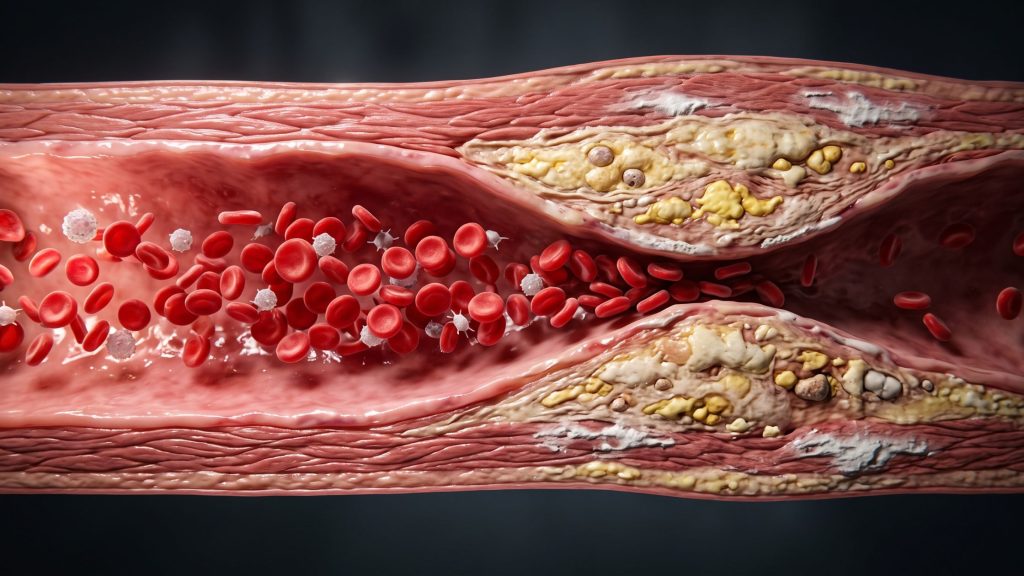
Ever wondered what atherosclerosis really is at a microscopic level? It is a sneaky, progressive condition where your arteries—the flexible, muscular tubes meant to deliver oxygen-rich blood from your heart to the rest of your body—get clogged up.
Think of your arteries like a brand-new garden hose: smooth on the inside, allowing water to flow effortlessly. The inner lining of your arteries is called the endothelium. When this lining is healthy, it releases nitric oxide, keeping the blood vessels relaxed and slippery. However, when the endothelium becomes damaged by high blood pressure, toxins from smoking, or high blood sugar, it becomes “sticky.”
Once the endothelium is damaged, LDL (low-density lipoprotein) cholesterol crashes through the lining and gets stuck in the artery wall. Your immune system, sensing an injury, sends white blood cells (macrophages) to clean up the cholesterol. Unfortunately, these cells gorge themselves on the cholesterol, die, and turn into “foam cells.” Over time, these dead cells, cholesterol, calcium, and cellular waste form a hardened plaque. Your arteries transform from flexible hoses into rigid, cholesterol storage units.
The Warning Signs and Symptoms
Atherosclerosis is infamously known as a “silent killer” because it can progress for decades without producing a single symptom. You could have a 60% blockage in a major artery and still feel completely normal. However, as the narrowing becomes severe, warning signs begin to flash.
- Chest Pain (Angina): If climbing a simple flight of stairs leaves you gasping for air with a tight, squeezing pain in your chest, that is a massive red flag. This happens when the heart muscle isn’t getting enough oxygen-rich blood.
- Peripheral Artery Disease (PAD): Do your calves cramp up or ache when you walk, but the pain magically disappears when you rest? This condition, known as claudication, indicates clogged arteries in your legs.
- Shortness of Breath: If a spilled cup of coffee sends your heart into a samba dance and you feel unusually winded from minor stress or exertion, your heart is likely working overtime against narrowed vascular pathways.
- Transient Ischemic Attacks (TIAs): Also known as “mini-strokes,” these manifest as sudden numbness, confusion, or slurred speech, indicating temporary blockages in the arteries leading to your brain.
The True Health Risks
Navigating the health risks of clogged arteries isn’t just a matter of dodging cheese puffs; it’s a full-on expedition into your longevity. When plaques become unstable, they can rupture. This rupture triggers your blood to clot instantly over the plaque, completely blocking the artery in a matter of seconds.
- If this happens in a coronary artery, it causes a Myocardial Infarction (Heart Attack), causing heart tissue to die.
- If it happens in a carotid or cerebral artery, it causes an Ischemic Stroke, cutting off oxygen to the brain.
- If it happens in the renal arteries, it leads to Chronic Kidney Disease.
Your arteries adore lifestyle modifications. They do a cellular victory dance every time you replace a cigarette with a carrot stick, or a sedentary evening with a brisk walk.
Insulin Resistance: The Artery’s Worst Enemy
Buckle up, because we must address a sneaky creature known as insulin resistance—a metabolic beast that wreaks total havoc on your cardiovascular system.
Insulin resistance is the grumpy old man of metabolic syndrome. It occurs when your cells stop responding efficiently to insulin, a hormone that shuttles glucose (sugar) from your blood into your cells for energy. To compensate, your pancreas pumps out more and more insulin.
This causes two massive problems for your arteries:
- Elevated Blood Sugar: High circulating glucose acts like microscopic shards of glass, scratching and damaging the delicate endothelial lining of your arteries, making them prime targets for plaque buildup.
- Lipid Mayhem: High insulin levels signal your liver to produce more VLDL (very low-density lipoproteins) and triglycerides, while simultaneously lowering your “good” HDL cholesterol.
To tame this beast, physical activity is your trusty lasso. Regular exercise forces your muscles to absorb glucose without needing insulin, drastically boosting your insulin sensitivity. Stress management, too, is a vital tool, as the stress hormone cortisol inherently raises blood sugar levels. Left unchecked, insulin resistance paves a direct, high-speed highway to Type 2 Diabetes and accelerated atherosclerosis.
Decoding Cholesterol and Plaque
It’s a staggering and sobering statistic: nearly 95 million American adults have elevated cholesterol levels. But let’s set the record straight—cholesterol itself is not evil.
Cholesterol is a waxy, fat-like substance that is absolutely essential for human life. It is the structural backbone of every cell membrane in your body. It is required to synthesize vitamin D, digestive bile acids, and vital hormones like testosterone and estrogen. It’s like a slightly annoying cousin who can be a bit much at family gatherings, but is the first one to help you move a heavy couch. You need them.
The problem arises when there is a mismatch in the transport of cholesterol. LDL particles carry cholesterol into the bloodstream, while HDL particles carry it back to the liver for disposal. When you have too many small, dense LDL particles (often driven by a diet high in sugar and refined carbs), they easily penetrate the artery wall and oxidize.
As we age, the combination of time, oxidative stress, and elevated ApoB (a protein found on the surface of LDL particles) forms a terrible trio leading to increased plaque. While genetics play a role, lifestyle heavily dictates whether your cholesterol remains a helpful tool or turns into a deadly weapon.
Nature’s Secret Artery Healers
Switching up your eating habits is your ultimate secret weapon. We aren’t asking you to eat plain steamed broccoli for breakfast, lunch, and dinner. The modern heart-healthy diet is vibrant, flavorful, and incredibly diverse. By embracing a plant-forward, nutrient-dense diet, reducing sodium, cutting out ultra-processed seed oils, and managing alcohol consumption, you can profoundly alter your clinical outcomes.
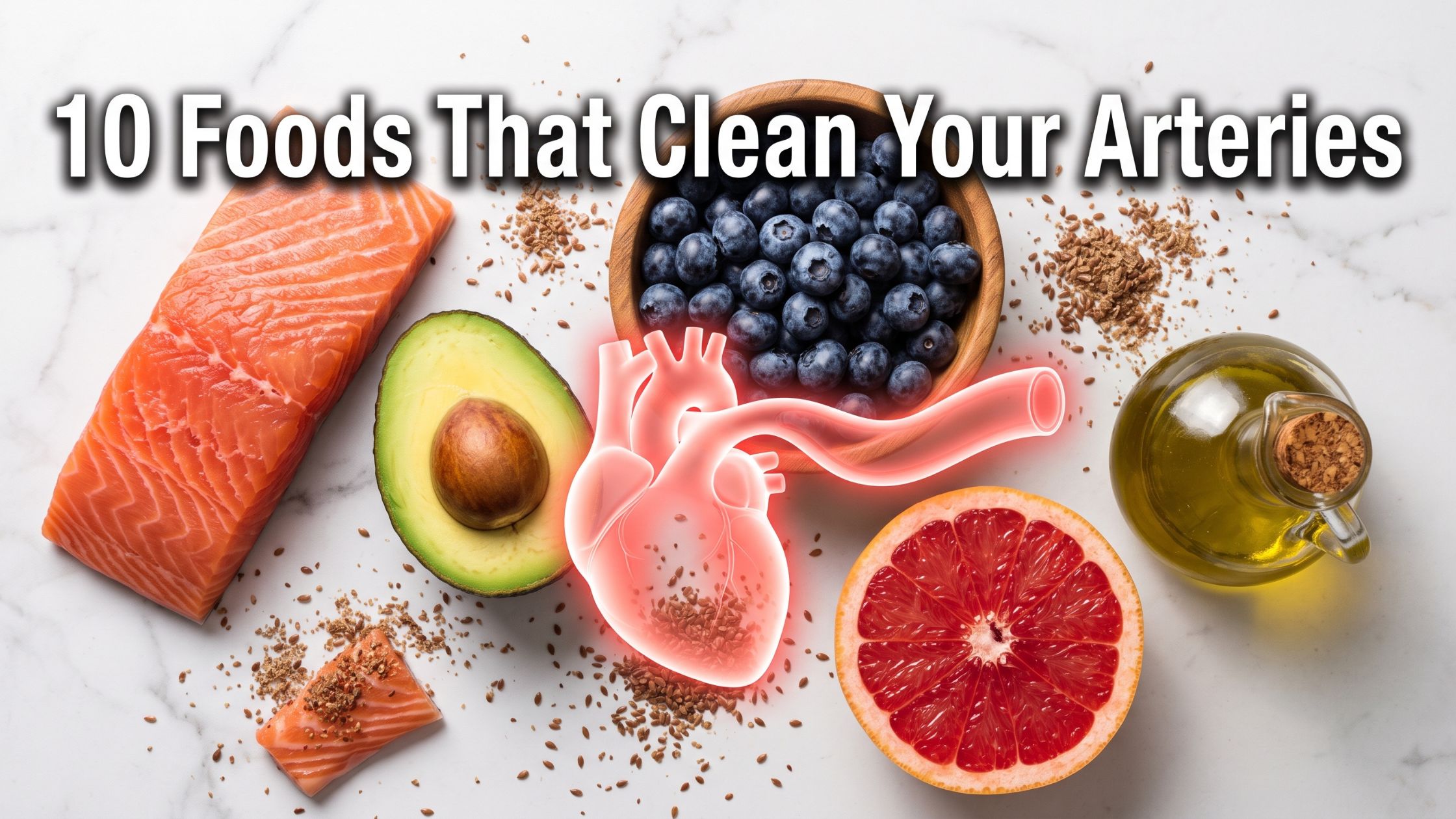
Let’s dive deep into the specific foods that act as nature’s vascular scrub brushes.
1. Omega-3 Fatty Acids: The Inflammation Extinguishers
You are going to love this: Omega-3 fatty acids are the undisputed superstars of the heart-healthy world. They are the A-list celebrities of artery uncloggers, and for very good reason.
The primary cause of plaque rupture (which causes heart attacks) is arterial inflammation. Omega-3s—specifically EPA and DHA—are powerful anti-inflammatory agents. They literally alter the gene expression of your cells to produce fewer inflammatory cytokines. Furthermore, Omega-3s lower triglyceride levels, reduce blood clotting (acting as a natural blood thinner), and help maintain a steady, healthy heart rhythm.
Afraid of smelling like a fish market? Don’t sweat it. While marine sources are optimal, high-quality fish oil supplements or algae oil (for vegans) are fantastic alternatives.
2. Ground Flax Seeds
Moving right along the Omega-3 spectrum, we have flax seeds. Cultivated for over 5,000 years in ancient Babylon, these tiny seeds are unsung heroes of the heart-health universe.
Flax seeds are the richest dietary source of lignans, a type of phytoestrogen and antioxidant. In fact, flaxseed contains 75 to 800 times more lignans than other plant foods! Lignans have been shown to reduce atherosclerotic plaque buildup by up to 40% in animal studies. Furthermore, they are packed with ALA (Alpha-linolenic acid), a plant-based Omega-3, and soluble fiber, which binds to cholesterol in the digestive tract and escorts it out of the body.
How to use them:
- The Golden Rule: You must consume them ground (flax meal). Whole flax seeds will pass right through your digestive system intact, denying you their benefits.
- Preparation: Keep them in the fridge to prevent the delicate oils from going rancid. Add two tablespoons to your morning oatmeal, blend them into a green smoothie, or use them as a vegan egg substitute in baking.
3. Vibrant Berries (Blueberries, Strawberries, Blackberries)
Nestled in your fruit bowl or freezer, a vibrant array of berries is waiting to give your cardiovascular system a healthful hug. Berries are tiny titans ready to wage war on artery-clogging villains, thanks to their massive concentration of anthocyanins—the flavonoid pigments that give berries their rich red, blue, and purple colors.
Anthocyanins are potent antioxidants that specifically protect the endothelial lining of your arteries from oxidative damage. A landmark study published in the American Journal of Clinical Nutrition found that consuming just one cup of blueberries daily improved vascular function and reduced arterial stiffness within just a few weeks.
Whether wild or cultivated, berries help increase HDL cholesterol, lower blood pressure, and prevent the oxidation of LDL cholesterol (remember, LDL only forms plaque after it becomes oxidized). Toss them into your morning yogurt, blend them into smoothies, or eat them by the handful as a dessert.
4. Citrus Fruits (Grapefruit, Lemon, Lime, Oranges)
Isn’t it amazing how the zesty citrus trio of grapefruit, lemon, and lime can brighten your palate and your vascular health simultaneously?
Citrus fruits are packed with soluble fiber (specifically pectin) and flavonoid antioxidants like hesperidin and naringenin. These citrus antioxidants work like microscopic Pac-Men, gobbling up free radicals before they can damage your arteries.
Vitamin C is also a critical player here. It is fundamentally required for the synthesis of collagen, the protein that provides structure and elasticity to your blood vessels. Without adequate Vitamin C, arteries become brittle and prone to the microscopic tearing that initiates plaque formation.
A Word of Caution: If you are taking statins or blood pressure medications, consult your doctor about grapefruit, as compounds in grapefruit (furanocoumarins) can block the enzymes that break down these medications, leading to dangerously high levels of drugs in your bloodstream.
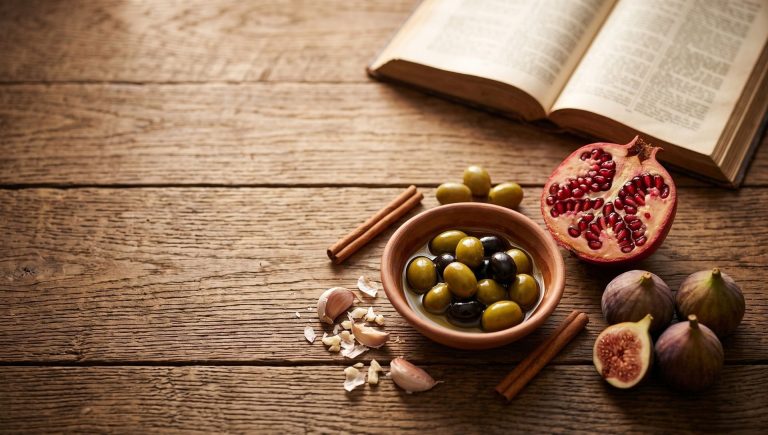
5. Extra Virgin Olive Oil (EVOO)
You will be amazed by the heart-healing magic of genuine Extra Virgin Olive Oil. The cornerstone of the famed Mediterranean Diet, EVOO is practically liquid gold for your heart.
What makes it so special? First, it is composed of 73% oleic acid, a monounsaturated fat that reduces inflammation and has been shown to favorably alter genes linked to cancer and heart disease. Second, and perhaps more importantly, high-quality EVOO is brimming with polyphenols, particularly oleocanthal.
Oleocanthal is so powerful that it shares similar pharmacological properties with ibuprofen, acting as a profound natural anti-inflammatory. Furthermore, the antioxidants in olive oil protect your LDL cholesterol particles from oxidative stress.
- Pro Tip: Always look for cold-pressed, dark glass bottles. To ensure you are getting real EVOO (as the market is rife with counterfeits mixed with cheap seed oils), look for a harvest date and certification seals.
6. Whole Grains (Oats and Barley)
Don’t let the low-carb craze scare you away from intact, unprocessed whole grains. Switching from refined white flour to ancient whole grains is one of the best decisions you can make for your heart.
The magic ingredient in grains like oats and barley is beta-glucan, a highly viscous soluble fiber. When you digest beta-glucan, it forms a thick, gel-like substance in your gut. This gel binds to cholesterol-rich bile acids and flushes them down the toilet. To replace the lost bile, your liver must pull LDL cholesterol directly out of your bloodstream, effectively lowering your circulating cholesterol levels naturally.
Enjoy a hearty bowl of steel-cut oats topped with walnuts and berries for a breakfast that acts as a true artery-clearing powerhouse.
7. Fatty Fish (Salmon, Mackerel, Sardines)
We touched on Omega-3s earlier, but fatty fish deserve their own spotlight. Brimming with bioavailable EPA and DHA, these cold-water swimmers are your heart’s best friends.
Regular consumption of fatty fish is linked to significantly lower markers of systemic inflammation, decreased blood triglyceride levels, and a reduced risk of sudden cardiac death. Wild-caught Alaskan Salmon also contains astaxanthin, a unique carotenoid antioxidant that gives the fish its pink color and provides additional protection for your cardiovascular system.
Aim for two to three servings of non-fried fatty fish per week. Opt for baking, broiling, or pan-searing. And whenever possible, support sustainable fishing practices to protect both your ticker and the planet’s oceans.
8. The Almighty Avocado
Like ancient mariners charting new territories, let’s voyage into the lush, green landscape of the avocado. Avocados are a nutritional anomaly; while most fruits consist primarily of carbohydrates, avocados are loaded with healthy, heart-healing fats.
Avocados are rich in the same monounsaturated oleic acid found in olive oil. They are also incredibly high in potassium (containing more than a banana), a mineral crucial for regulating blood pressure by relaxing the walls of your blood vessels and counteracting the effects of dietary sodium.
Furthermore, avocados are packed with plant sterols (phytosterols), which structurally mimic cholesterol. When you eat an avocado, these sterols compete with animal cholesterol for absorption in your digestive tract, effectively lowering your body’s overall cholesterol absorption.
9. Leafy Greens (Spinach, Kale, Arugula)
Though not explicitly in our original list, it is a crime to talk about artery health without mentioning dark, leafy greens.
Greens like spinach, arugula, Swiss chard, and kale are the ultimate sources of dietary nitrates. When you chew these greens, bacteria in your mouth convert the nitrates into nitrites. Once swallowed, your stomach acid converts them into Nitric Oxide (NO).
Nitric oxide is a signaling molecule that tells the smooth muscles around your arteries to relax and dilate (open up). This process, known as vasodilation, immediately lowers blood pressure, improves blood flow, and prevents platelets from sticking together and forming clots. Eating a massive green salad daily is one of the most effective, scientifically proven ways to unclog and support your vascular network.
10. Allium Vegetables (Garlic and Onions)
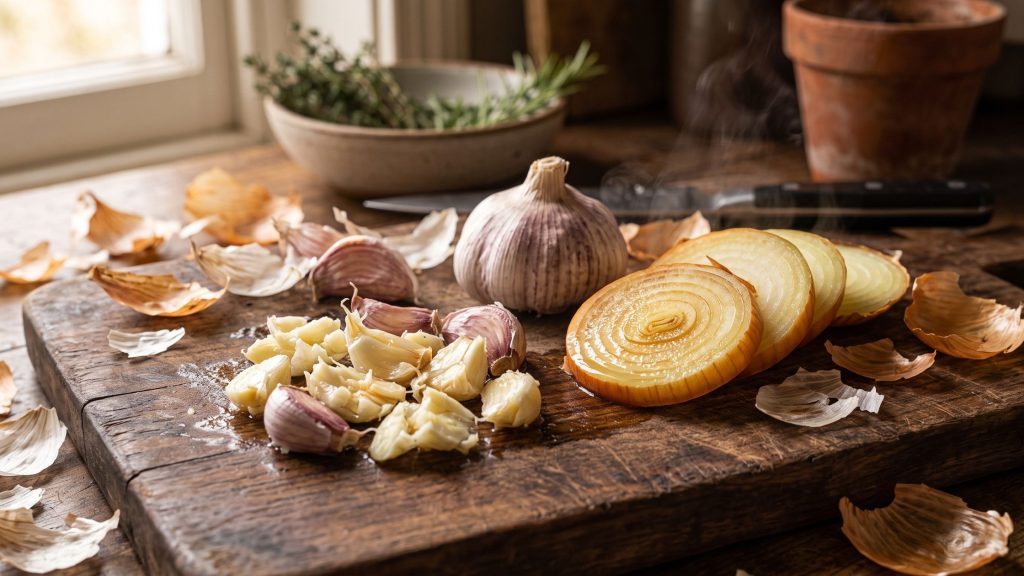
Garlic has been used as a medicine for millennia, and modern science fully backs up ancient wisdom. When you crush or chop garlic, it releases an enzyme that creates allicin, a powerful sulfur compound.
Allicin and other compounds in garlic and onions have been shown to lower total cholesterol, lower blood pressure, and dramatically reduce the stickiness of blood platelets, acting as a mild, natural blood thinner. Some studies even suggest that aged garlic extract can actively reduce the volume of soft plaque in the arteries.
Bonus: The Anti-Inflammatory Power of Medicinal Herbs
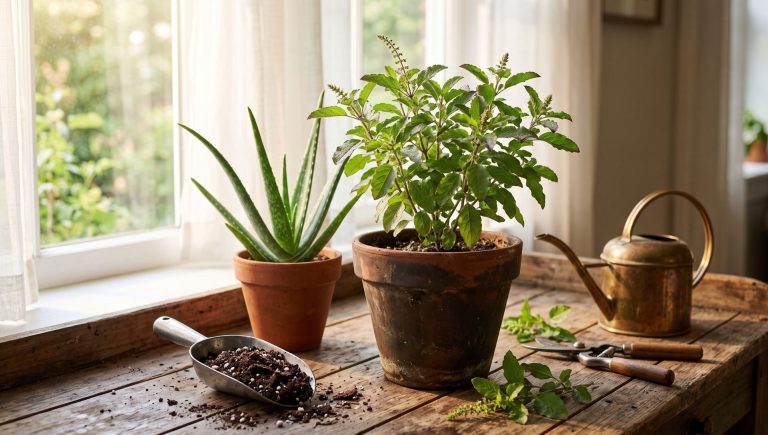
While your diet is your foundation, medicinal herbs act as powerful, concentrated supplements to lower systemic inflammation. But store-bought supplements are often heavily processed or counterfeit. What if you could grow potent, heart-protecting herbs like Chicory, Yarrow, and Echinacea right in your own backyard?
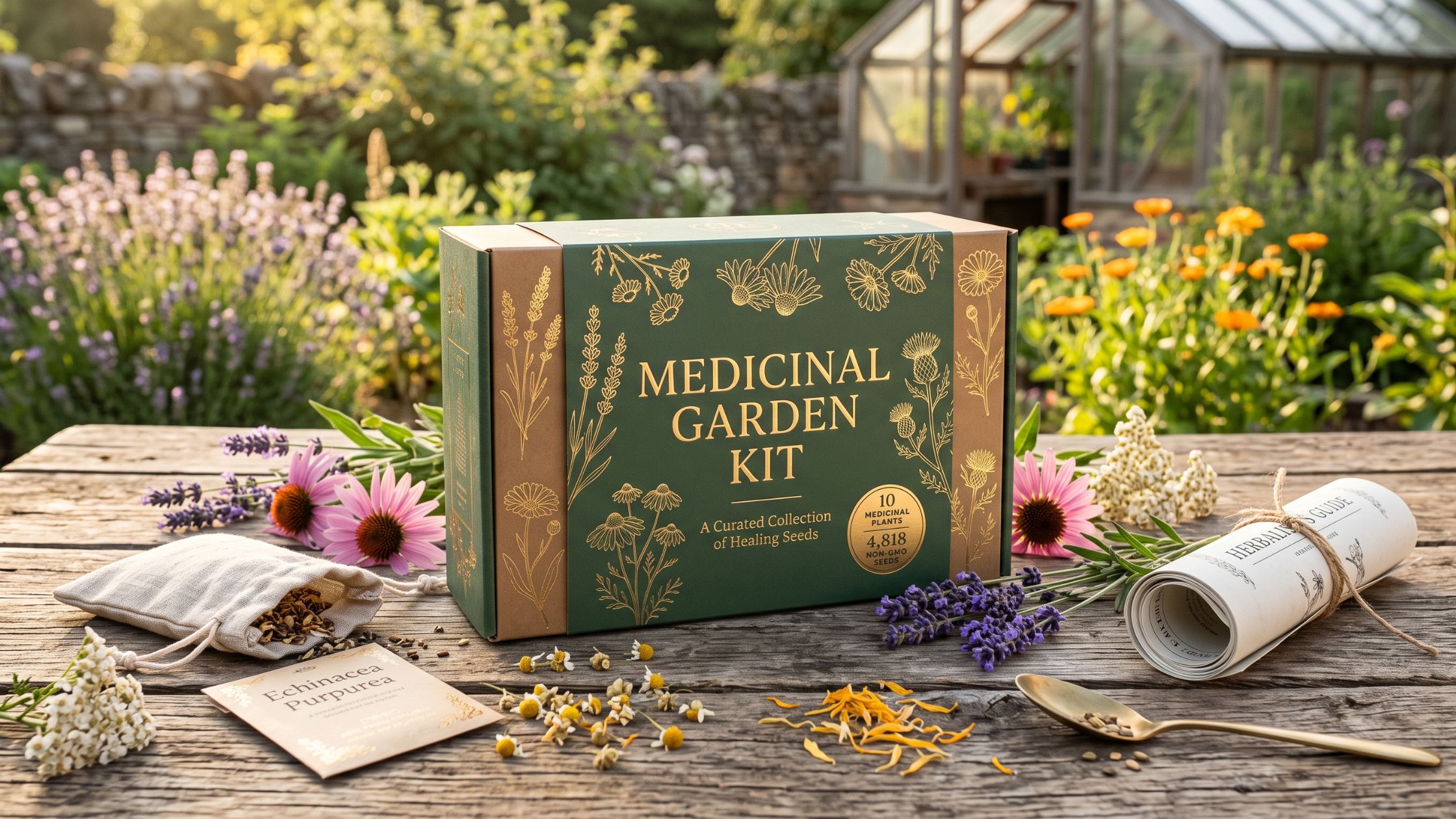
Created by Dr. Nicole Apelian, the Medicinal Garden Kit gives you 10 high-quality, non-GMO seed packets to build your own backyard pharmacy. You don’t need a green thumb—the kit comes with a complete guide showing you exactly how to turn these seeds into anti-inflammatory tinctures, teas, and salves.
🌱 Secure your Medicinal Garden Kit and take your health into your own hands right here.
Foods to Strictly Avoid (The Artery Cloggers)
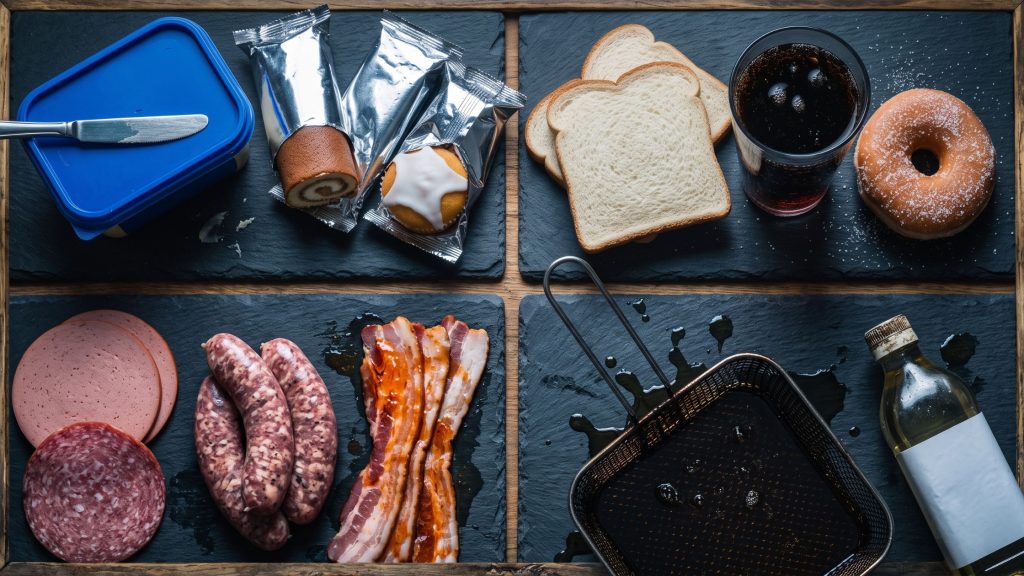
You cannot out-eat a terrible diet simply by adding a few flax seeds to your morning routine. To truly heal your arteries, you must remove the offenders causing the damage.
- Trans Fats (Partially Hydrogenated Oils): Though largely banned in many countries, they still sneak into processed baked goods and margarine. Trans fats are the absolute worst food for your heart, simultaneously raising bad cholesterol and lowering good cholesterol.
- Refined Carbohydrates and Added Sugars: Sodas, pastries, white bread, and sweets spike your blood sugar and insulin, promoting inflammation and creating those small, dense, dangerous LDL particles.
- Processed Meats: Bacon, hot dogs, deli meats, and sausages are loaded with preservatives, advanced glycation end-products (AGEs), and excess sodium that stiffen blood vessels and drive up blood pressure.
- Ultra-Processed Seed Oils: Industrial oils that are repeatedly heated (like in deep fryers) become heavily oxidized. Consuming oxidized fats directly contributes to the oxidative stress inside your blood vessels.
Part 4: Beyond the Plate – Lifestyle Synergy
Achieving squeaky-clean arteries requires a holistic approach. Food is the foundation, but your lifestyle habits are the framing of your cardiovascular house.

The Impact of Exercise
Exercise is your arteries’ favorite personal trainer. When you engage in cardiovascular exercise (running, cycling, swimming, brisk walking), the sheer force of blood pumping through your arteries creates “shear stress” on the endothelial walls. This mechanical friction stimulates your cells to produce massive amounts of nitric oxide.
Furthermore, resistance training builds muscle mass, which acts as a metabolic sink for glucose, drastically improving insulin sensitivity and keeping blood sugar levels stable.
Stress Management and Cortisol
If a stressful email sends your heart racing, your body is pumping out cortisol and adrenaline. In our ancestral past, this response helped us outrun predators. Today, chronic stress means these hormones are elevated 24/7. Chronic cortisol elevation damages the endothelium, raises blood pressure, and tells your liver to release excess sugar and cholesterol into the blood.
Adopting daily mindfulness practices—whether it’s yoga, meditation, deep diaphragmatic breathing, or simply walking in nature—is non-negotiable for reversing heart disease.
Smoking Cessation
Every time you inhale cigarette smoke, you introduce thousands of toxic chemicals directly into your bloodstream. These toxins cause immediate endothelial dysfunction, provoke massive oxidative stress, and actively encourage blood clots. Replacing smoking with literally any other habit is the single most important step you can take. Your arteries will begin to heal within hours of your last cigarette.
Sleep: The Great Restorer
During deep sleep, your blood pressure drops, allowing your cardiovascular system to rest and repair micro-damages in the vascular walls. Getting less than 6 hours of sleep a night is associated with a sharply increased risk of atherosclerosis. Prioritize 7-9 hours of quality sleep by maintaining a cool, dark room and avoiding screens before bed.
🌿 Want to lower the stress hormones damaging your arteries naturally?
Sleep and stress management are vital for heart health, but you don’t need to rely on addictive pharmacy pills to calm your nervous system. Imagine stepping into your backyard and picking fresh California Poppy for deep, restorative sleep, or brewing a fresh Chamomile tea to lower your cortisol.
You can now grow your own natural pharmacy with the Medicinal Garden Kit. It contains 10 premium medicinal seeds (plus a free guide on making remedies) to help you fight inflammation, anxiety, and sleeplessness straight from your backyard.
👉 Click here to discover how to start your own Medicinal Garden today!
Your 7-Day Artery-Healing Meal Plan
Ready to put this knowledge into action? Here is a practical, delicious, and highly effective 7-day meal plan to kickstart your journey to optimal vascular health.
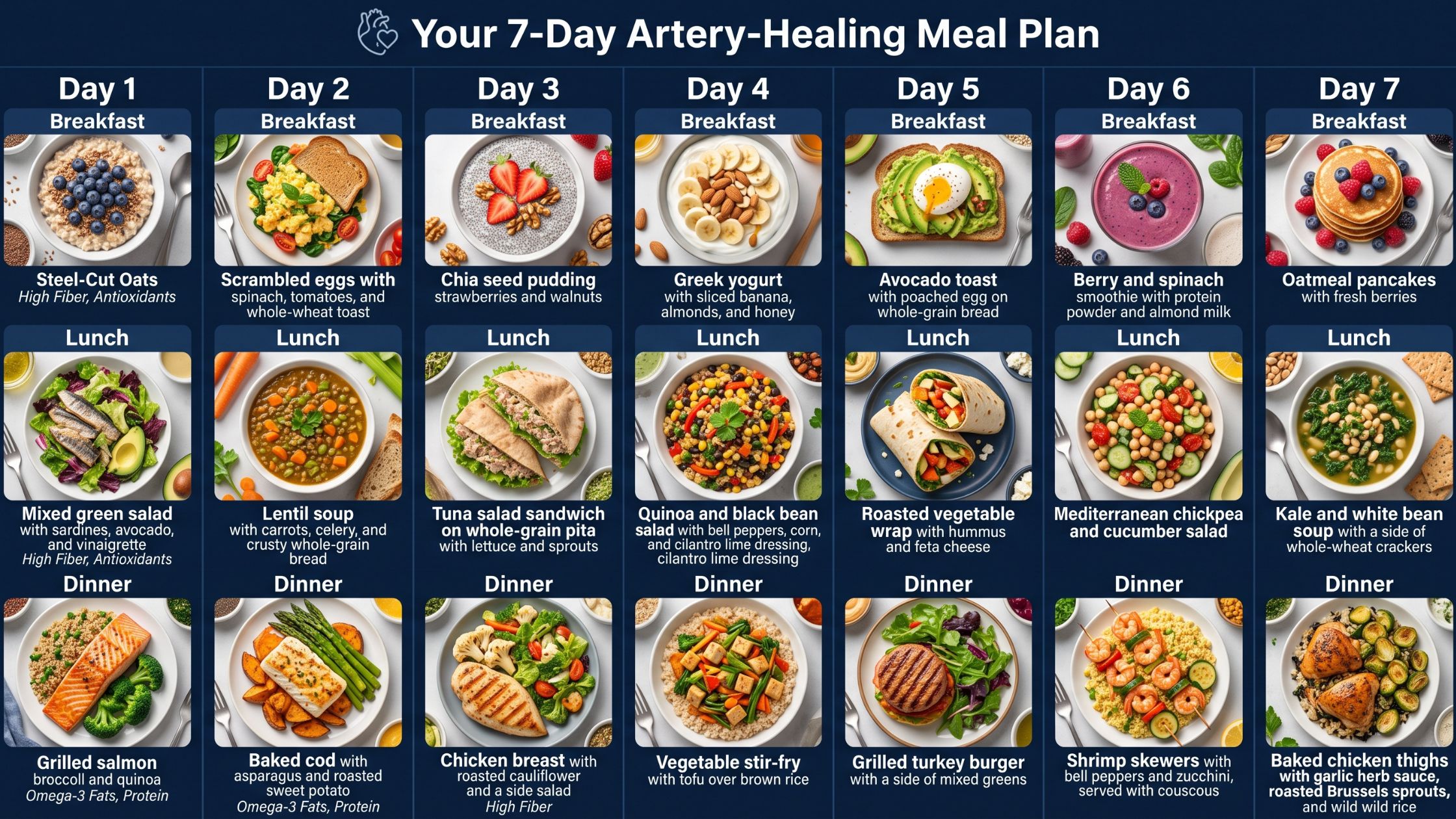
Day 1
- Breakfast: Steel-cut oats topped with a handful of wild blueberries, 2 tbsp ground flax seeds, and a splash of unsweetened almond milk.
- Lunch: Massive spinach and arugula salad topped with sliced avocado, cherry tomatoes, cucumbers, and grilled chicken breast, dressed with extra virgin olive oil and fresh lemon juice.
- Dinner: Baked wild-caught salmon with a side of steamed broccoli and quinoa.
Day 2
- Breakfast: A green smoothie containing kale, half a green apple, half an avocado, chia seeds, and a scoop of high-quality protein powder.
- Lunch: Lentil and vegetable soup with a side of mixed greens. (Lentils are packed with soluble fiber!)
- Dinner: Turkey chili packed with kidney beans, onions, garlic, and diced tomatoes.
Day 3
- Breakfast: Two poached eggs served over sautéed spinach and garlic, with a slice of whole-grain Ezekiel toast.
- Lunch: Mediterranean chickpea salad with diced red onions, parsley, cucumbers, feta cheese, and an olive oil/lemon dressing.
- Dinner: Pan-seared mackerel with a side of roasted Brussels sprouts (tossed in EVOO) and wild rice.
Day 4
- Breakfast: Chia seed pudding (made overnight with almond milk) topped with sliced strawberries and crushed walnuts.
- Lunch: Leftover turkey chili.
- Dinner: Grilled tofu or chicken skewers marinated in garlic, lemon, and oregano, served with a large Greek salad.
Day 5
- Breakfast: Oatmeal cooked with a dash of cinnamon, topped with blackberries and a dollop of almond butter.
- Lunch: Sardines packed in olive oil, served over a bed of mixed greens with a side of whole-grain crackers.
- Dinner: Zucchini noodles (zoodles) topped with a rich tomato-garlic marinara sauce and lean ground turkey.
Day 6
- Breakfast: A grapefruit half (if not on interacting meds) and a small bowl of Greek yogurt topped with ground flax seeds.
- Lunch: Quinoa bowl with roasted sweet potatoes, black beans, avocado, and a cilantro-lime dressing.
- Dinner: Baked cod lightly dusted with paprika and lemon zest, served with steamed asparagus.
Day 7
- Breakfast: Whole-grain avocado toast sprinkled with red pepper flakes and a side of mixed berries.
- Lunch: Large leafy green salad with grilled shrimp, pumpkin seeds, and an EVOO vinaigrette.
- Dinner: Hearty vegetable stir-fry (broccoli, bell peppers, snow peas, onions, garlic) cooked in a light drizzle of sesame and olive oil, served over brown rice.
Frequently Asked Questions (FAQ)
Can you completely clear clogged arteries?
While you cannot “scrub” your arteries completely clean overnight, aggressive lifestyle and dietary changes can halt the progression of atherosclerosis. In some cases, strict plant-based diets (like the Ornish or Esselstyn protocols) have demonstrated the ability to shrink existing plaque by a small but clinically significant percentage, making the arteries wider and more flexible.
How quickly can diet improve my heart health?
Remarkably fast! While dissolving plaque takes years, improving endothelial function (the ability of your arteries to dilate and relax) can happen within hours of eating a healthy meal. Blood pressure and triglyceride levels can drop significantly within just a few weeks of adopting a whole-food diet.
Are eggs bad for my arteries?
The science on eggs is nuanced. For most healthy people, the dietary cholesterol in eggs does not significantly raise blood cholesterol. However, if you are a hyper-responder or already have severe cardiovascular disease, limiting egg yolks and focusing on plant-based proteins is generally recommended by cardiologists.
Do I still need my statin medication if I eat perfectly?
Never stop taking prescribed medication without consulting your cardiologist. While diet is incredibly powerful, some individuals possess genetic conditions (like Familial Hypercholesterolemia) that require medication regardless of how perfectly they eat. Diet and medication should work as a team, not as competitors.
Conclusion: Take Back Your Heart Health
You’ve navigated the complex, winding roadways of your vascular system, and you’ve learned exactly how certain foods can help unclog arteries and combat the silent threat of atherosclerosis.
It is a staggering thought that every 40 seconds, an American suffers a heart attack, the vast majority of which are driven by clogged arteries that have been quietly narrowing for decades. But you do not have to be a statistic.
By actively deciding to incorporate nature’s secret healers—ground flax seeds, vibrant citrus fruits, rich fatty fish, olive oil, and creamy avocados—into your daily routine, you are taking a profound, proactive step toward reclaiming your cardiovascular health.
Remember, your daily habits dictate your destiny, and your diet has an unparalleled power to heal. Your arteries are resilient, living tissues that respond beautifully to the care you give them. So, start today. Clean out your pantry, lace up your walking shoes, manage your stress, and let Mother Nature help you build a stronger, healthier, and happier heart for the decades to come!
Ready to truly take your health into your own hands?
Changing your diet is the first step, but true health independence means not having to run to the pharmacy every time you feel unwell. Whether you need to lower inflammation, soothe a stress-induced headache, or get a deep night’s sleep to heal your vascular system, nature has a remedy.
The Medicinal Garden Kit provides you with 4,818 high-quality seeds to grow 10 of the most powerful medicinal plants on Earth, right in your backyard. 🛒 Click here to see the 10 plants included in the Medicinal Garden Kit and get your free ‘Seeds to Remedies’ guide today!