Every year, the United States consumes millions of batteries to keep vehicles running, data centers online, and renewable energy grids stabilized. In fact, over 130 million lead acid batteries are manufactured and sold domestically on an annual basis. With such a staggering volume of batteries entering the market, the end of their lifecycle presents a monumental challenge. When it comes to recycling lead acid batteries, adopting proper disposal methods is not just an environmental suggestion—it is a critical necessity for safeguarding public health.
Lead acid batteries are highly toxic, yet remarkably recyclable. Proper lead acid battery disposal keeps heavy metals and corrosive acids out of our ecosystems while feeding valuable raw materials back into the manufacturing supply chain. This comprehensive guide will explore why these batteries are so widely used, the severe risks of improper disposal, the step-by-step recycling process, and how you can take responsible action today.
If you’re looking for an easy and affordable way to extend the life of your lead acid batteries, then EZ Battery Reconditioning is the perfect solution. This product provides step-by-step instructions on how to safely recondition your lead acid batteries, so you can save money and help the environment by reducing your waste.
What Are Lead Acid Batteries and Why Are They Widely Used?
Invented in 1859, the lead acid battery is the oldest type of rechargeable battery, and it remains ubiquitous in modern society. Their design is relatively straightforward but highly effective. A standard 12-volt lead acid battery consists of lead plates and a liquid electrolyte solution of sulfuric acid and water, all housed within a durable polypropylene plastic casing.
Because they can provide high surge currents, these batteries suit uniquely to applications that require sudden, massive bursts of power. This makes them the undisputed standard for automotive starter motors. However, their utility extends far beyond just vehicles. You will commonly find them powering marine vessels, golf carts, industrial forklifts, and uninterrupted power supply (UPS) systems for hospitals and data centers.
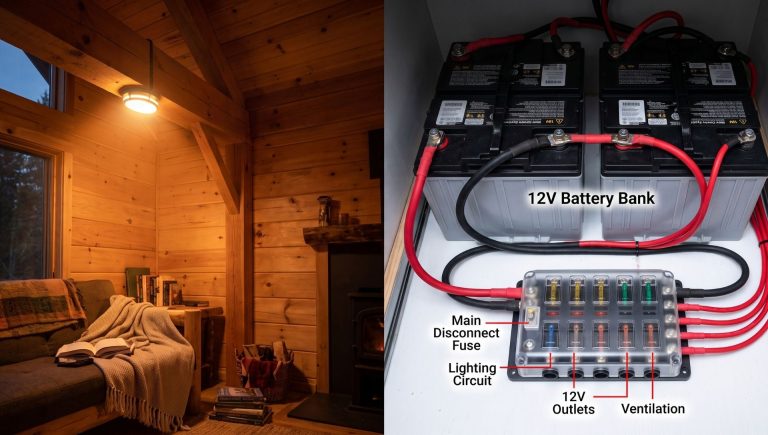
Additionally, deep-cycle lead acid batteries are frequently used for renewable energy storage in off-grid solar and wind setups. Their widespread adoption comes down to a simple combination of factors: they are reliable, cost-effective to produce, heavily rechargeable, and boast a surprisingly long service life when properly maintained.
The Environmental and Health Risks of Improper Disposal
Despite their utility, lead acid batteries contain materials that are inherently dangerous to living organisms. Under the United States Resource Conservation and Recovery Act (RCRA), they are strictly classified as hazardous battery waste. Tossing a dead battery into a municipal trash bin or an illegal dumping site triggers a chain reaction of environmental degradation.
When a battery casing degrades in a landfill or a field, toxic heavy metals leach directly into the soil. This lead eventually migrates into the groundwater, contaminating local aquifers and drinking water supplies. At the same time, the sulfuric acid electrolyte can spill, drastically lowering the pH of surrounding soil and waterways. This acidic runoff burns plant life, destroys local microbiomes, and kills aquatic organisms.
The human health implications are equally severe. Lead exposure is notoriously dangerous, causing irreversible neurological damage, kidney failure, and cardiovascular issues. The risks are especially catastrophic for young children and pregnant women, as even trace amounts of lead can severely impair fetal and childhood brain development. According to the Environmental Protection Agency (EPA), lead exposure remains one of the most pressing environmental health hazards, making strict adherence to disposal regulations an absolute priority.
Why Recycling Lead Acid Batteries Is the Responsible Choice
Choosing to recycle rather than discard old batteries is a powerful act of environmental stewardship. The most compelling reason is the conservation of raw materials. The lead, sulfuric acid, and polypropylene plastic inside these batteries are highly valuable and indefinitely recyclable without losing their quality.
By recovering these materials, we significantly reduce the need for virgin mining and drilling. Extracting raw lead and producing new plastic is an energy-intensive process that generates substantial greenhouse gas emissions. Recycling cuts these emissions drastically, shrinking the carbon footprint of battery manufacturing. Furthermore, proper recycling diverts massive volumes of toxic waste, extending the life of our municipal landfills and preventing soil contamination.
Community-scale recycling programs prove that collective action yields massive results. For example, West Virginia’s state recycling program recently celebrated a major milestone by collecting and processing over 1 million pounds of recycled materials, demonstrating how localized efforts can effectively manage hazardous waste on a grand scale. Finally, the recycling sector is a major economic driver. The collection, transportation, and processing of batteries sustain thousands of green jobs in the recycling and reconditioning industries.
How the Lead Acid Battery Recycling Process Works
The lead acid battery recycling process is a triumph of closed-loop manufacturing. In fact, nearly 99% of a lead acid battery’s components are recyclable, making it one of the most successfully recycled consumer products in the world. When you drop off an old battery at a certified facility, it undergoes a meticulous, step-by-step transformation.
- Collection and Transportation: You can safely gather spent batteries from auto shops, retailers, and municipal drop-off centers, then transported to specialized processing plants.
- Crushing and Separation: A massive hammer mill smashes the entire battery into small pieces. Drop these fragments into a settling vat filled with water. The heavy lead falls to the bottom, while the lighter polypropylene plastic floats to the top.
- Plastic Repurposing: Skim away, wash, melt, and extrude the plastic pieces into small plastic pellets. Then sell these pellets to manufacturers to mold into new battery cases.
- Lead Smelting: You can clean and heat the recovered lead grids and lead oxide in smelting furnaces. Pour the molten lead into ingot molds. Once cooled, send these ingots to battery manufacturers to recast them into new lead plates.
- Acid Neutralization and Recovery: You can handle the sulfuric acid in one of two ways. You can either neutralize it with an industrial basic compound (turning it into water) or convert into sodium sulfate, a white powder to manufacture laundry detergent, glass, and textiles.
Where and How to Recycle Lead Acid Batteries
For the average consumer, figuring out how to recycle car batteries is simpler than it seems. Most states have legislation that actively prohibits the disposal of lead acid batteries in standard landfills and requires retailers to accept old batteries.
When you purchase a new battery, retailers typically charge a “core fee” of $15 to $30. If you bring your old battery back to the auto parts store or battery retailer, they will refund this fee and handle the recycling for you through their established supply chains.
If you have old batteries sitting in your garage without a core exchange, you still have easy options. You can use online environmental databases like Earth911 or state environmental agency websites to find lead battery recycling locations or simply search for lead acid battery recycling near me.
For homeowners, small business operators, or farmers dealing with large quantities of batteries, reaching out to a dedicated scrap lead acid battery recycler is often the most efficient route. Many specialized scrap yards will actually offer cash payment for returned batteries based on the current market price of scrap lead.
Tips for Safe Handling:
- Always wear thick, acid-resistant gloves and safety glasses when handling old batteries.
- Keep the battery upright at all times to prevent acid leaks.
- Place the battery in a thick plastic container or a sturdy cardboard box lined with plastic during transportation.
- Wash your hands thoroughly after handling.
Battery Reconditioning as a Sustainable Alternative
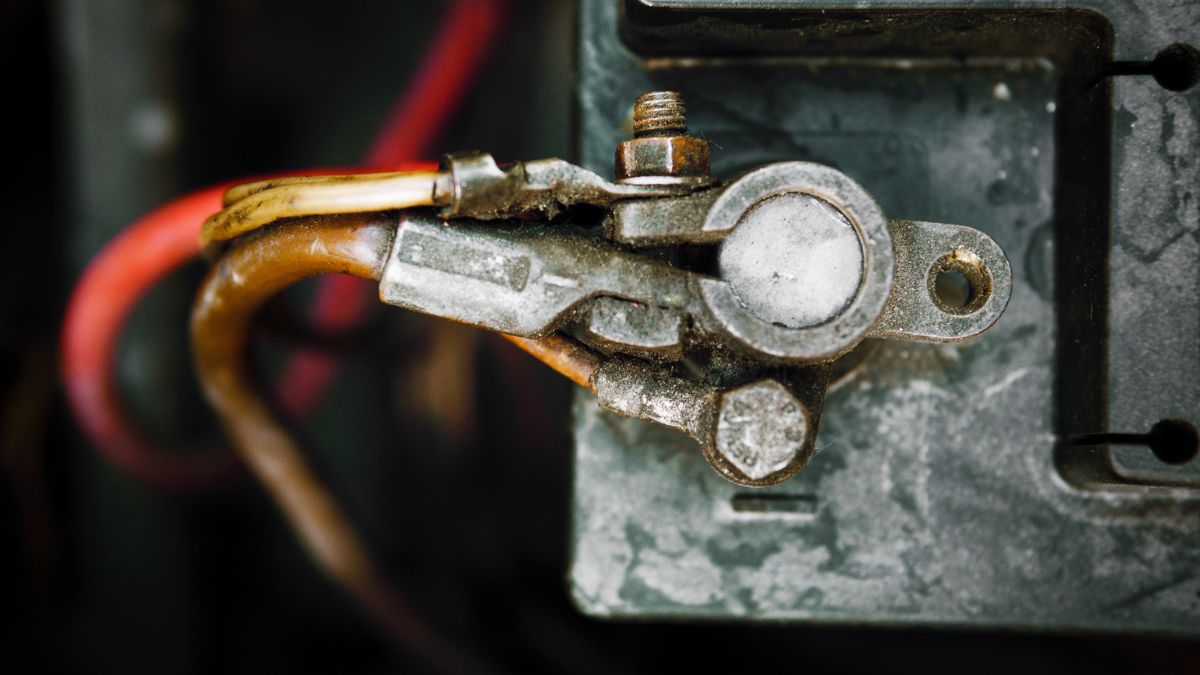
While recycling is essential for batteries at the end of their life, there is an often-overlooked intermediate step: battery reconditioning. Many batteries that appear “dead” are actually suffering from sulfation—a buildup of lead sulfate crystals on the internal plates. By removing this buildup, you can safely extend a battery’s lifespan for years before it ever needs to hit the recycling plant.
For readers who want to embrace DIY sustainability, the EZ Battery Reconditioning program is an excellent resource. This program provides step-by-step guides and clear visual aids that teach you how to safely restore old batteries to 100% of their working condition.
You do not need any prior DIY or electrical experience to follow the modules. By reconditioning your batteries, you save money on expensive replacements while maximizing the useful life of the product. The program even comes with a 60-day money-back guarantee, making it a risk-free way to reduce your personal waste footprint before ultimately recycling the battery when it truly reaches its end of life.
Conclusion
The lifecycle of our power systems shouldn’t end in a landfill. Taking the time to properly manage your used batteries is a direct investment in the health of our communities and ecosystems. By keeping toxic lead and corrosive acids out of the environment, and by feeding valuable raw materials back into the manufacturing loop, we can drastically reduce our ecological footprint.
Whether you are swapping out a dead car battery, upgrading an off-grid solar bank, or cleaning out a workshop, your actions matter. We encourage you to take immediate action: locate a local recycling facility today, or explore battery reconditioning to squeeze every ounce of life out of your current batteries. Together, we can turn hazardous waste into the building blocks of a greener, cleaner future.