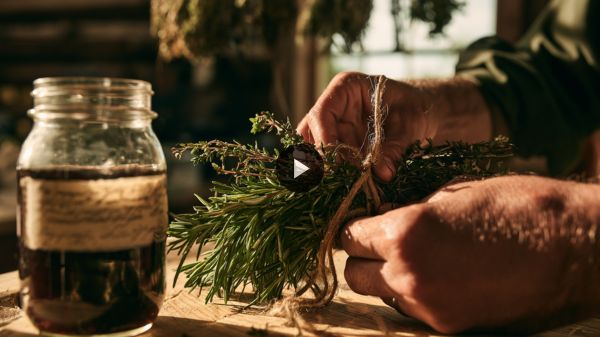
Hey there, herbal enthusiasts! Want to learn how to preserve those precious medicinal plants so they last through the harsh winter months? Preserving your harvest is a crucial step in Year-Round Sustainable Gardening, ensuring none of your hard work goes to waste when the first frost hits. True preservation starts in the soil and ends in the apothecary. From ethical wildcrafting to crafting long-lasting tinctures without electricity, this guide covers the exact strategies you need to secure your natural medicine cabinet.
The Off-Grid Herbalist’s Quick Reference
| Preservation Strategy | Best Used For | Required Equipment | Shelf Life |
|---|---|---|---|
| 1. Ethical Wildcrafting | Sustainable harvesting | Pruning shears, baskets | N/A |
| 2. Seed Banking | Future generations | Glass jars, cool/dark space | 1–5 Years |
| 3. Air Drying | Sturdy leaves (Rosemary, Thyme) | Twine, ventilated room | 6–12 Months |
| 4. Tincturing | Maximum potency extraction | High-proof alcohol, mason jars | 5+ Years |
| 5. Solar Dehydrating | High-moisture herbs (Mint, Basil) | Screened solar dehydrator | 6–12 Months |
| 6. Oil Infusions | Topical applications | Carrier oil, double boiler | 1–2 Years |
| 7. Herbal Salves | First aid, skin protection | Infused oil, beeswax | 1–2 Years |
| 8. Glycerites | Alcohol-free alternatives | Vegetable glycerin, water | 1–2 Years |
1. Ethical Wildcrafting and Sustainable Harvesting
To ensure the long-term availability of medicinal herbal plants, you must adopt sustainable harvesting practices. Your ethical wildcrafting practices play a crucial role in the ecosystem.
When gathering from the wild (or your own property), only harvest plants that are abundant. The golden rule of foraging is to never take more than 10% to 20% of a localized patch, leaving enough behind for regrowth, reproduction, and local wildlife. Avoid collecting endangered species, and always use proper tools to minimize damage to the root systems.
2. Conservation Through Seed Banking
Preserving the plant for tomorrow is just as important as preserving the harvest for today. Implementing conservation through seed banking is a proactive approach to off-grid independence.
By collecting, drying, and storing seeds from your strongest medicinal plants, you preserve vital genetic diversity. This ensures your future crops are adaptable and resilient to local environmental changes, securing your medicinal supply chain for years to come.
3. Traditional Air Drying
The most accessible, zero-energy method for preserving herbs is air drying. This works exceptionally well for low-moisture, sturdy herbs like oregano, rosemary, and thyme.
Simply bundle 4 to 6 stems together, tie them tightly with twine (stems shrink as they dry), and hang them upside down in a warm, dry, and well-ventilated room. Keep them strictly out of direct sunlight, as UV rays will degrade the essential oils and bleach the medicinal properties right out of the leaves.
4. Tincturing: The Off-Grid Powerhouse
If you want to extract and preserve the absolute maximum medicinal value from a plant for the longest period, tincturing is your best strategy. A tincture is a concentrated liquid herbal extract made by soaking fresh or dried herbs in a solvent (usually high-proof alcohol).
- Why it works off-grid: It requires absolutely zero electricity, heat, or refrigeration.
- The Process: Fill a glass mason jar halfway with dried herbs (or two-thirds with fresh herbs). Pour 80-proof to 100-proof alcohol (like vodka) over the plant material until it is completely submerged. Cap it, store it in a dark cupboard for 4 to 6 weeks, and shake it daily.
- The Yield: Strain out the plant material, and you are left with a potent medicine that will easily last 5 to 10 years. This is the perfect method for processing and preserving From Root to Remedy: The Best Anti-Inflammatory Plants for long-term pain management.
5. Solar Dehydrating
For high-moisture herbs like basil, mint, and lemon balm, traditional air drying can sometimes lead to mold before the plant fully dries. Instead of relying on an electric dehydrator, utilize a passive solar dehydrator.
By placing your herbs on screened racks inside a dark, ventilated box that captures passive solar heat, you can dry delicate herbs rapidly without grid power, locking in their volatile oils before mold can take hold.
6. Cold-Infused Oils
Preserving herbs in oil creates the foundation for your topical first-aid kit. A cold infusion draws out the medicinal properties of the plant over time without degrading them with high heat.
Fill a jar half full with completely dry herbs (using fresh herbs can introduce water and cause rancidity). Cover the herbs with a stable carrier oil, like olive oil or jojoba oil. Let it steep in a sunny window for 2 to 4 weeks, then strain.
7. Crafting Herbal Salves
Once you have your infused oil, you can take preservation one step further by creating a salve. Salves are semi-solid ointments that are easier to store, travel with, and apply than liquid oils.
Gently warm your infused medicinal oil over a makeshift double boiler and stir in grated beeswax (typically a 1:4 ratio of beeswax to oil). Once the wax melts, pour the liquid into shallow tins. As it cools, it hardens into a protective, medicinal balm that will last for years in a cool, dark place.
8. Glycerites (Alcohol-Free Extraction)
If you prefer not to use alcohol for your extractions, vegetable glycerin is a fantastic alternative for preserving medicinal properties. While not as potent or long-lasting as alcohol tinctures, glycerites are sweeter and generally preferred for children or those avoiding alcohol.
Mix 3 parts vegetable glycerin with 1 part distilled water, pour it over your dried herbs in a jar, and let it steep for 4 to 6 weeks in a dark place before straining.
Conclusion
By blending ecological responsibility with traditional apothecary skills, you can safeguard the future of these valuable medicinal resources. Whether you are carefully wildcrafting, saving seeds, or crafting a shelf-stable tincture, mastering these eight strategies allows you to secure your own healing properties for generations to come. Let’s all play our part in preserving—and utilizing—the rich tapestry of nature’s pharmacy.