The modern medical supply chain is incredibly fragile. If you are striving for a self-sufficient, off-grid lifestyle, relying entirely on a commercial pharmacy miles away for every cough, scrape, or fever is a massive vulnerability. True independence means taking radical responsibility for your family’s baseline health and wellness.
It means reclaiming the lost art of the home apothecary.
Building a self-sufficient medicinal garden bridges the gap between ancient botanical wisdom and modern homesteading resilience. But creating a reliable natural pharmacy requires more than just throwing a few chamomile seeds into the dirt. To truly master herbalism, you must understand the complete lifecycle of the plant—from cultivating the soil and safely foraging in the wild, to rigorous post-harvest processing and crafting shelf-stable medicine.
Whether you are looking to soothe a winter cold, treat minor cuts without a trip to the clinic, or simply build a deeper connection with the land, this comprehensive 3,000-word masterclass is your blueprint.
What You Will Learn in This Pillar Guide
We have consolidated our most vital herbalism resources into this single, definitive hub. Step-by-step, we will walk you through the entire process of building your off-grid medicine cabinet:
- The Core Arsenal: The top 10 most versatile medicinal plants you must establish in your garden right now.
- Seasonal Management: How to time your planting, cultivating, and harvesting for maximum medicinal potency.
- Ethical Wildcrafting: The golden rules for identifying and foraging wild medicine safely, without depleting local ecosystems.
- Post-Harvest Processing: The critical 7 steps to take your herbs from the dirt to the drying rack without losing their volatile oils.
- Advanced Preservation: How to craft long-lasting tinctures, cold-infused oils, and salves without relying on electricity.
- The Winter Apothecary: How to organize, store, and utilize your natural remedies to keep your immune system strong through the darkest months of the year.
Nature’s pharmacy is already growing around you. It is time to learn how to harvest it. Let’s dig in.
Module 1: The Self-Sufficient Medicine Cabinet
Modern supply chains are fragile, and relying entirely on commercial pharmacies for basic health management is a massive vulnerability. For the off-grid homesteader or sustainable gardener, true independence goes beyond growing food—it requires cultivating your own natural pharmacy.
A self-sufficient medicinal garden bridges the gap between ancient botanical wisdom and modern resilience. By growing, harvesting, and preserving your own remedies, you take direct control of your family’s health and wellness. This comprehensive pillar hub serves as your master blueprint, integrating garden design, wild foraging, rigorous processing, and apothecary management into one seamless off-grid system.
Module 2: The Core Arsenal: Top 10 Medicinal Plants Every Homesteader Must Grow
To build a functional home pharmacy, you need plants that offer versatile, multi-system healing properties. Here are the ten foundational medicinal plants you must establish in your garden:
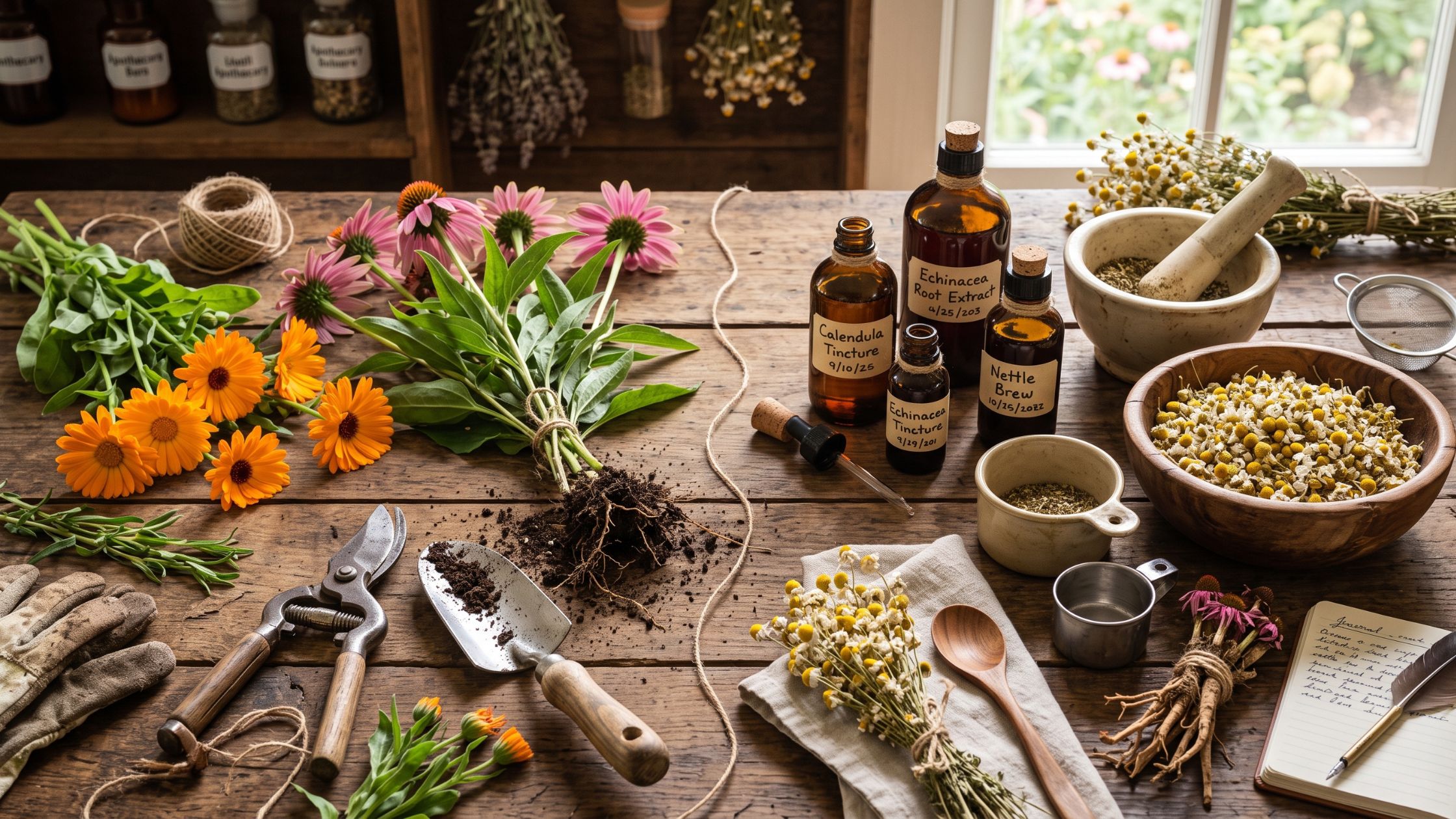
- Echinacea (Echinacea purpurea): The ultimate immune system modulator, vital for fighting off seasonal bugs and supporting lymphatic drainage.
- Calendula (Calendula officinalis): A resilient, resinous flower that acts as a top-tier vulnerability healer, exceptional for soothing skin irritations, cuts, and burns.
- Chamomile (Matricaria chamomilla): A gentle nervine and anti-inflammatory that calms the nervous system, eases digestive spasms, and promotes restful sleep.
- Lemon Balm (Melissa officinalis): A vigorous member of the mint family known for its antiviral properties and ability to lift mild anxiety and soothe the gut.
- Yarrow (Achillea millefolium): A legendary first-aid plant capable of quickly stopping bleeding from minor cuts and reducing fevers.
- Peppermint (Mentha piperita): Unrivaled for relieving digestive distress, tension headaches, and clearing respiratory congestion.
- Marshmallow Root (Althaea officinalis): A powerful demulcent that coats and soothes irritated mucous membranes in the digestive and respiratory tracts.
- Stinging Nettle (Urtica dioica): A nutritional powerhouse packed with iron and minerals, acting as a natural antihistamine and spring tonic.
- Valerian Root (Valeriana officinalis): A potent sedative herb used for deep-seated insomnia and acute nervous tension.
- Garlic (Allium sativum): Nature’s antibiotic, antiviral, and cardiovascular protector that belongs in every sustainable homestead.
Stop Hunting for Rare, Non-GMO Medicinal Seeds
Sourcing high-quality, heirloom seeds for a medicinal garden can be frustrating, expensive, and time-consuming. You don’t want to rely on generic garden center seeds that have been hybridized for looks rather than medicinal potency. If you want to bypass the guesswork and instantly secure the exact seeds you need for your off-grid pharmacy, you need The Medicinal Garden Kit. It contains 10 premium, non-GMO seed packets for the most powerful healing plants (including Yarrow, Calendula, and Echinacea), plus a comprehensive handbook on how to turn them into potent remedies. 👉 Click here to secure your Medicinal Garden Kit and plant your backyard pharmacy today.
Module 3: Seasonal Timelines: Planting, Cultivating, and Harvesting
A successful herbalist doesn’t just plant in spring and ignore the garden until harvest. Year-round management is key.
As summer transitions, you must prepare for late-season crops. For instance, planting and managing healing herbs in September ensures your cool-weather perennials—like valerian, garlic, and certain mints—establish strong root systems before the ground freezes. Timing your harvests is equally critical: harvest leaves in the morning after the dew dries but before the sun bakes off the volatile essential oils, and gather roots in the late autumn when the plant pulls its energy back down into the earth.
Module 4: Wildcrafting & Identification: Finding Healing Plants in Nature
While cultivating a home garden is your primary supply chain, nature provides an abundant wild pharmacy—provided you know how to harvest ethically and safely.
- The Golden Rule of Wildcrafting: Never harvest more than 10% to 20% of a localized wild patch, ensuring plants can easily regenerate and local wildlife retains its food source. Never forage endangered or protected species.
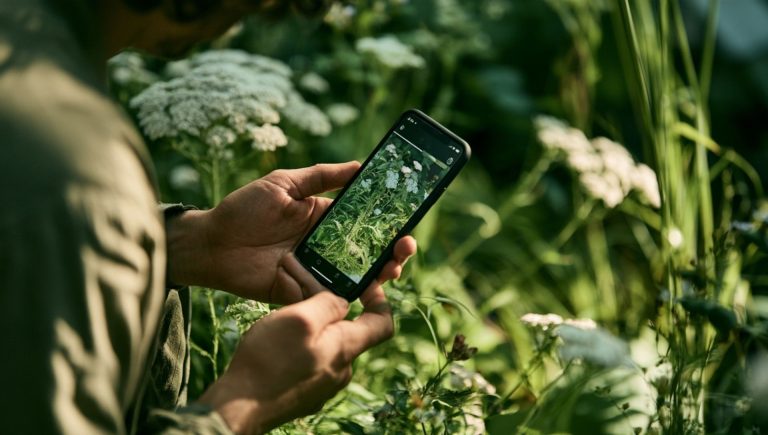
- Accurate Plant Identification: Mistaking a toxic lookalike for a healing herb can be dangerous. Always cross-reference multiple botanical markers (leaf arrangement, stem shape, flower structure, and scent).
- Foraging Guidelines: Learn how to read your local landscape. Never forage near busy roadways, industrial sites, or agricultural fields sprayed with synthetic pesticides or herbicides. Always obtain proper landowner permission before harvesting on private property.
Module 5: Post-Harvest Processing: The Essential Steps from Dirt to Drying Rack
Harvesting the plant is only half the battle; how you handle the raw material immediately afterward determines its potency. Follow these 7 essential steps to process your medicinal harvest correctly:
- Immediate Sorting & Cleaning: Gently shake off dirt and inspect leaves or roots for insect damage, mildew, or bird droppings.
- To Wash or Not to Wash: Generally, avoid washing delicate leaves and flowers if they are clean, as moisture invites mold. Roots, however, must be thoroughly scrubbed of all soil.
- Strategic Trimming: Cut away bruised or yellowing tissue using sanitized pruning shears. Separate leaves, stems, flowers, and roots, as they require different processing timelines.
- Portioning for Uniform Drying: Chop bulky roots and stems into uniform, small pieces so they dry evenly alongside delicate leaves.
- Establishing Airflow: Arrange plant material in single layers on clean drying screens, brown paper bags, or traditional hanging bundles.
- Managing Climate Controls: Keep drying spaces warm, dark, and exceptionally well-ventilated. Direct sunlight and high humidity will ruin your harvest.
- Testing for Readiness: Stems and roots should snap rather than bend, and leaves should crumble easily between your fingers before final storage.
⚠️ Is Your Medicine Cabinet Prepared for a Supply Chain Crisis?
When the grid goes down or pharmacies run dry, you cannot wildcraft what isn’t growing in your local area. True resilience means having the seeds already in the ground. The Medicinal Garden Kit provides you with a curated vault of 10 essential healing herbs and the exact blueprints to grow them in any backyard. Don’t wait until you need the medicine to try and grow the plant. 👉 Stockpile your Medicinal Garden Kit right here before supplies run out.
Module 6: Advanced Preservation: Tinctures, Salves, and Long-Term Storage
Once your herbs are processed, you must employ reliable preservation strategies to lock in their medicinal properties for years to come. Relying on a single preservation method leaves your apothecary vulnerable.
- Air Drying & Solar Dehydrating: Perfect for sturdy leaves and high-moisture summer harvests without relying heavily on grid power.
- Alcohol & Glycerin Tincturing: The ultimate off-grid preservation method. Soaking herbs in high-proof alcohol extracts and locks in active medicinal compounds for 5 to 10 years with zero electricity required.
- Oil Infusions & Salves: Transforming dried herbs into therapeutic carrier oils and beeswax salves creates shelf-stable topicals for skin protection and first aid.
Module 7: Building Your Winter Apothecary
The ultimate goal of your medicinal garden and foraging efforts is resilience through the cold winter months when fresh plants are unavailable.
- Organization & Storage: Store your dried herbs in airtight glass amber jars away from heat, moisture, and light. Label every jar with the common name, botanical name, and harvest date.
- Stocking the Medicine Cabinet: Organize your winter apothecary by health category—respiratory supports (mullein, thyme), immune boosters (echinacea, elderberry), and nervines (chamomile, lemon balm).
- Daily Application: Utilize your tinctures, honeys, and teas proactively at the first sign of seasonal illness to support your household’s immune system naturally.
Conclusion
Building a self-sufficient medicinal garden, safely wildcrafting in nature, and mastering long-term apothecary processing transforms you from a passive consumer into an empowered, resilient steward of your own health. By unifying your garden planning, foraging, and preservation workflows into this single pillar hub, you ensure that nature’s pharmacy is always within arm’s reach—no matter what is happening in the outside world.
Take the First Step Toward Medical Independence Today
Reading about herbalism won’t heal a wound or break a winter fever. To build a true winter apothecary, you have to get your hands in the dirt. Instead of spending months trying to piece together a medicinal garden from scratch, get everything you need in one package. The Medicinal Garden Kit equips you with thousands of premium seeds for nature’s most powerful antibiotics, painkillers, and wound-healers, complete with a step-by-step guide to processing them. 👉 Turn your backyard into a self-sufficient pharmacy. Grab your Medicinal Garden Kit here and start growing your independence!