The Foundation of Food Security
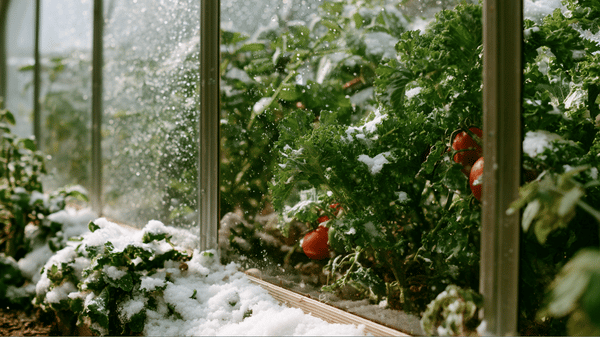
Sustainable gardening is the beating heart of off-grid living and eco-friendly independence. True sustainability goes far beyond simply planting a few seeds in the spring; it requires building a resilient, closed-loop ecosystem that yields nutrient-dense food 365 days a year, regardless of supply chain disruptions or unpredictable weather patterns.
Whether you are cultivating an acre of raw land or maximizing a small backyard space, this pillar guide will teach you the core disciplines of year-round growing, from mastering soil microbiology to integrating high-yield aquaponics systems.
Building Living Soil (The Dirt on Dirt)
The biggest mistake novice gardeners make is feeding the plant. Master gardeners feed the soil. Healthy soil is a complex, living web of fungi, bacteria, nematodes, and earthworms that break down organic matter and deliver it directly to plant roots.
The Core Components of Soil Health
- No-Till Methodology: Repeatedly tilling or plowing soil destroys the delicate mycelial networks (fungi) and causes topsoil erosion. Instead, use the “lasagna gardening” or sheet mulching method: layering cardboard, compost, and mulch directly over the earth to build soil upward.
- The Carbon-to-Nitrogen Ratio: A thriving compost pile is the engine of a sustainable garden. To generate rich, black compost quickly, you must balance your inputs using the C:N ratio.
The Ideal Compost Formula: To achieve the optimal $25:1$ to $30:1$ Carbon-to-Nitrogen ratio for rapid decomposition:
- Add 2 to 3 parts “Browns” (Carbon-rich: dried leaves, straw, shredded cardboard).
- Add 1 part “Greens” (Nitrogen-rich: grass clippings, coffee grounds, vegetable scraps).
- Keep it as moist as a wrung-out sponge and aerate weekly.
High-Yield Water Systems: Aquaponics & Hydroponics
When traditional soil gardening is limited by space, drought, or freezing winters, sustainable growers turn to closed-loop water systems.
Aquaponics: The Ultimate Closed-Loop
Aquaponics combines aquaculture (raising fish) with hydroponics (growing plants in water). It is the pinnacle of sustainable food production.
- Fish (often Tilapia or Trout) produce ammonia-rich waste in a tank.
- Water is pumped into bio-filter beds where naturally occurring bacteria convert the ammonia into nitrites, and then into nitrates.
- Plants suspended in the water absorb the nitrates as high-powered fertilizer, effectively purifying the water.
- The clean water flows back to the fish tank. This system uses 90% less water than traditional dirt farming and yields both organic produce and harvestable protein.
Hydroponics for Indoor Winter Yields
For year-round greens when the ground is frozen solid, indoor hydroponic towers (using Kratky or Nutrient Film Technique methods) allow you to grow lettuce, herbs, and kale under LED grow lights using precise liquid nutrient formulas.
Strategic Companion Planting
Monoculture (planting massive rows of a single crop) invites pests and strips the soil of specific nutrients. Sustainable gardening relies on polyculture and companion planting—grouping plants that mutually benefit each other.
| Plant | Excellent Companions | Antagonists (Do Not Plant Near) |
|---|---|---|
| Tomatoes | Basil (repels hornworms), Marigolds, Carrots | Cabbage, Corn, Potatoes |
| Corn | Beans, Squash (The “Three Sisters” method) | Tomatoes, Celery |
| Cabbage/Brassicas | Aromatic herbs (Rosemary, Sage), Onions | Strawberries, Tomatoes |
| Carrots | Onions (repels the carrot rust fly), Leeks, Peas | Dill, Parsnips |
Climate Resilience & Season Extension
To achieve a true year-round harvest, you must learn to manipulate microclimates and protect your crops from frost.
- Cold Frames and Cloches: Simple glass or heavy plastic boxes placed directly over garden beds trap solar heat, allowing you to grow cold-hardy crops (like spinach, kale, and carrots) straight through the snow.
- Walipini (Underground Greenhouses): By excavating a greenhouse 6 to 8 feet underground and covering it with angled glazing, you tap into the earth’s constant ambient temperature (around 50°F / 10°C). This allows off-grid homesteaders in freezing climates to grow citrus and tomatoes in the dead of winter without electrical heating.
- Seed Saving: True sustainability means never having to buy seeds again. Learn to allow your strongest, most drought-resistant heirloom plants to “bolt” (go to seed). Harvest, dry, and store these seeds in a cool, dark place for the next season. Over time, you will develop a localized landrace uniquely adapted to your specific homestead’s microclimate.
Conclusion: Cultivating Independence
A year-round sustainable garden is a masterclass in observation and adaptation. By building rich, living soil, utilizing space-saving aquaponics, practicing companion planting, and extending your seasons with passive solar structures, you take control of your food supply. Start small, establish a robust composting system, and gradually expand your growing footprint until your grocery bill becomes a thing of the past.
Unlock the Secret to a Pest-Free, High-Yield Garden (Without a Single Drop of Toxic Chemicals)
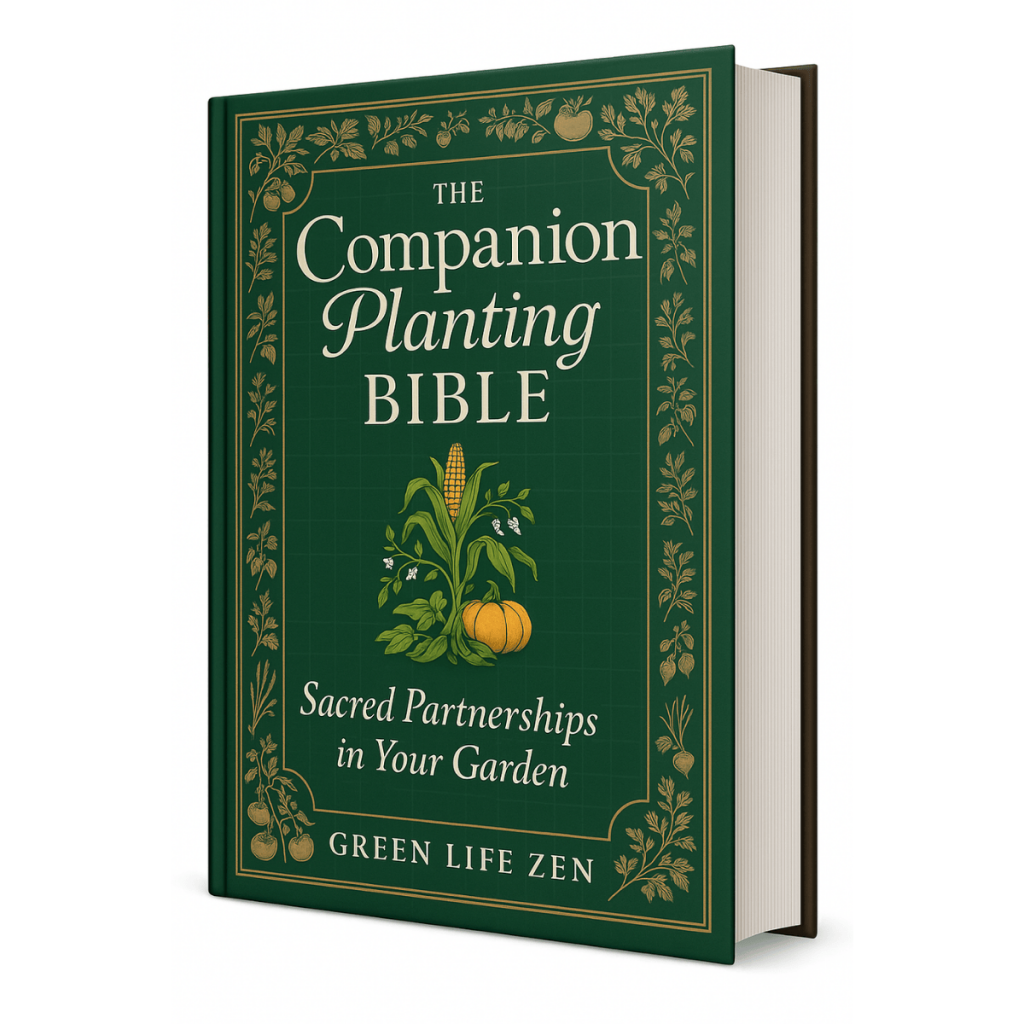
Download The Companion Planting Bible Now. Your free, step-by-step guide to naturally repelling insects, enriching your soil, and doubling your organic harvest this season.