Global warming accelerates every year, driven heavily by how we produce and consume energy. Buildings and transportation alone account for more than half of all global greenhouse gas emissions. However, shifting toward sustainable energy solutions is no longer a distant futuristic goal; the tools we need exist right now. When we examine the latest advancements in energy-efficient technologies, we see clear, actionable pathways to drastically lower emissions while saving thousands of dollars in utility costs.
This guide breaks down 14 science-backed energy-saving solutions for global warming, ranging from residential upgrades to large-scale technological shifts. Whether you are a homeowner looking for how to reduce your carbon footprint at home, or simply want to understand the state of innovative clean energy technologies in 2024 and beyond, we will walk you through exactly how these systems work, what they cost, and the real-world impact they deliver.
Key Takeaways:
- Adopting high-efficiency heat pumps and smart home energy management can reduce household energy use by up to 50%.
- Solar panel efficiency improvements and battery storage technology are making decentralized home energy grids cheaper and more reliable than ever.
- Transportation shifts, particularly electric vehicle adoption paired with Vehicle-to-Grid (V2G) systems, transform cars into mobile battery assets for the broader power grid.
- Systemic solutions like green building materials and sustainable agriculture practices offer massive, scalable reductions in global carbon emissions.
1. Solar Panel Innovations and Efficiency Improvements
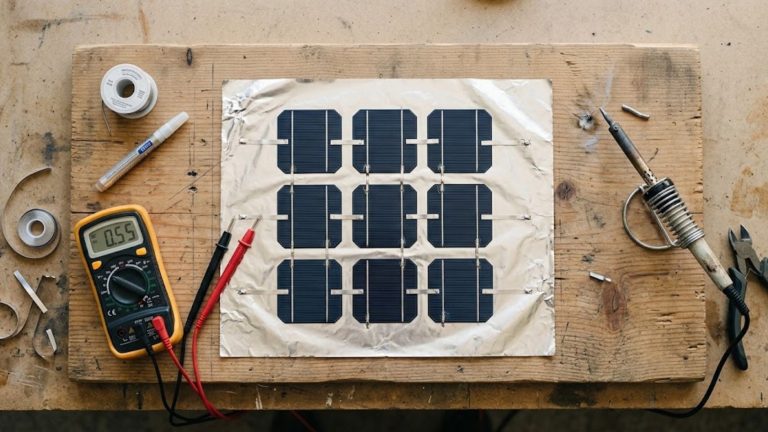
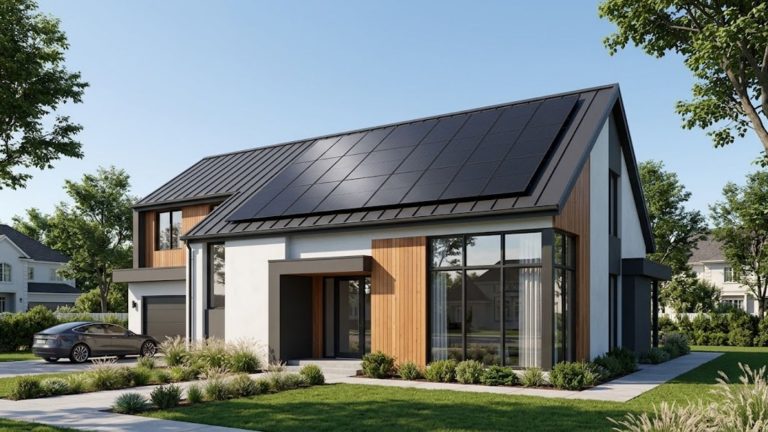
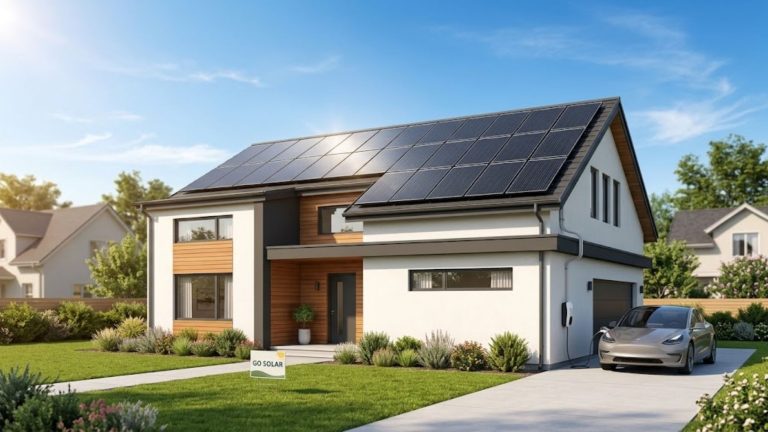
Harnessing solar power remains one of the most effective energy-saving solutions for global warming. Recent solar panel efficiency improvements have shifted photovoltaics from a niche green product into a dominant force in global electricity generation, outcompeting fossil fuels in cost across many markets.
How Next-Generation Solar Works
Traditional silicon panels convert about 15-20% of sunlight into usable electricity. Today, we are seeing the mass commercialization of perovskite-silicon tandem solar cells, which layer materials to capture different wavelengths of light. This breakthrough pushes commercial panel efficiency beyond the 25% threshold, generating significantly more power in smaller footprints. (Source: National Renewable Energy Laboratory (NREL), 2024).
Costs, Adoption, and Real-World Application
Installing a standard 6-kilowatt (kW) solar system currently averages between $12,000 and $16,000 in the US, before applying government tax credits. As we install these newer high-efficiency panels, homeowners require fewer panels to achieve net-zero energy use, cutting down on installation labor and roof space requirements. By leveraging net metering—where utility companies buy back your excess solar power—most systems pay for themselves within 6 to 8 years.
Actionable Tip: If your roof faces South or West, use Google’s Project Sunroof tool to instantly calculate your home’s usable solar footprint and projected financial savings over 20 years.
As solar generates the power, we must look at how we store that electricity for cloudy days and nighttime use.
2. Advanced Battery Energy Storage Technology
Generating clean energy solves only half the global warming puzzle; we must also store it efficiently. Energy storage technology stabilizes the grid by holding excess solar and wind power until peak demand hours, virtually eliminating the need for highly polluting coal or gas “peaker plants.”
Lithium-Iron Phosphate and Beyond
Modern home battery systems rely heavily on Lithium Iron Phosphate (LFP) chemistry. LFP batteries offer superior thermal stability, longer lifespans, and require zero conflict minerals like cobalt. These systems capture the daytime solar surplus and deploy it automatically when the sun sets or grid power drops. (Source: International Energy Agency (IEA), 2023).
Implementation and Cost Analysis
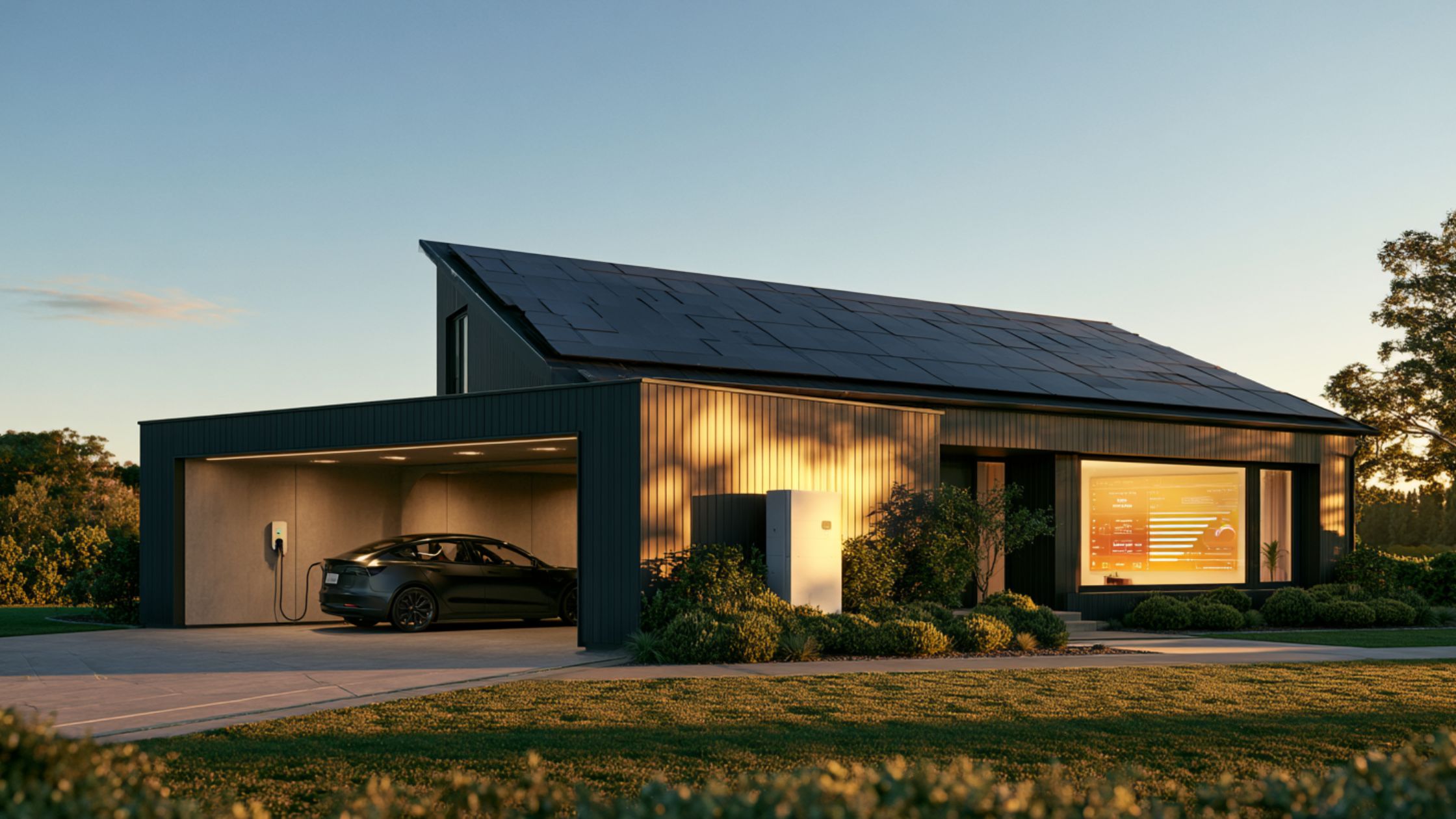
A standard residential battery system, like the Tesla Powerwall 3 or Enphase IQ, stores around 10-14 kilowatt-hours (kWh) and costs between $8,000 and $12,000 installed. While the upfront cost feels steep, these batteries unlock “time-of-use” arbitrage. We program the battery to charge when electricity rates are dirt cheap and power the home during evening hours when utilities charge peak premium rates.
Actionable Tip: Check your local utility company for “battery rebate” or “demand response” programs; many providers offer upfront cash rebates of $2,000 to $4,000 just for installing a battery and sharing its capacity during rare grid emergencies.
Having a massive battery on your wall is great, but what if you could drive that battery around?
3. Electric Vehicle Adoption and Vehicle-to-Grid (V2G)
Electric vehicle adoption acts as a dual-force solution. First, EVs eliminate tailpipe emissions. Second, through Vehicle-to-Grid (V2G) technology, they function as mobile energy-saving tools, fundamentally changing how communities manage power grids.
The Mechanics of V2G Technology
V2G technology enables bidirectional charging. An EV draws power from the grid to charge its battery, but it can also push stored power back into your home or the municipal grid during peak demand. Given that an average EV battery holds 60 to 100 kWh of energy—roughly five times the capacity of a standard home wall battery—a single electric truck can power an average house for nearly a week. According to research, widespread V2G integration could reduce the cost of operating the global power grid by up to $270 billion by 2030. (Source: Department of Energy (DOE), 2023).
The Reality of EV Ownership
The average transaction price for a new EV hovers around $48,000, but federal tax credits of up to $7,500 significantly soften the blow. Homeowners who charge their EVs overnight on off-peak rates pay the equivalent of $1.10 per gallon of gasoline. The real-world challenge remains charging infrastructure for apartment dwellers, though fast-charging networks expand by roughly 30% annually.
Actionable Tip: Before buying a Level 2 home charger, verify that the model supports bidirectional charging (V2G/V2H) to future-proof your home’s energy resilience.
To maximize the efficiency of all this new electrical equipment, our living spaces need an intelligent brain.
4. Smart Home Energy Management Systems
Smart home energy management systems orchestrate your appliances, heating, and EV charging to ensure you use electricity precisely when it is cheapest and cleanest. This is the cornerstone of how to reduce carbon footprint at home effortlessly.
Algorithmic Energy Efficiency
Smart electrical panels and AI-driven home energy monitors (like Sense or Span) analyze the electrical signature of every device in your house. These systems automatically load-shed. For example, if you turn on the electric oven while your EV is charging, the smart panel momentarily pauses the EV charge to prevent you from exceeding your home’s total amperage limit, saving you from expensive panel upgrades. Homes utilizing smart energy management systems see a 15% to 20% baseline reduction in overall electricity consumption. (Source: Environmental Protection Agency (EPA), 2024).
Installation and Cost Savings
A traditional electrical panel replacement costs about $1,500. Upgrading to a smart panel costs between $3,500 and $5,000. However, this investment saves money by allowing homeowners to install heat pumps and induction stoves without paying utility companies $10,000+ to run higher-capacity service wires to the street.
Actionable Tip: Start small by installing a smart thermostat (e.g., Ecobee or Nest) and a smart water heater controller. These two upgrades alone address the appliances responsible for 65% of your home’s energy use.
Zooming out from residential homes, we see massive innovations happening at the grid level with wind power.
5. Next-Generation Wind and Hydroelectric Power
Wind and hydroelectric power serve as the heavy lifters of renewable energy solutions for climate change. As offshore wind technologies advance, turbines capture stronger, more consistent winds, producing baseload power that rivals nuclear facilities.
Floating Offshore Wind Farms
Traditional offshore wind turbines require shallow waters to drive foundations into the seabed. Today, energy developers deploy floating wind turbines tethered to the deep ocean floor. This innovation opens up massive expanses of the ocean previously off-limits to energy development. A single 15-Megawatt offshore turbine can generate enough electricity to power roughly 20,000 homes annually. (Source: International Renewable Energy Agency (IRENA), 2023).
Scaling and Environmental Impact
While residential wind turbines rarely make financial sense due to zoning laws and poor low-level wind speeds, grid-scale wind boasts an incredibly low Levelized Cost of Energy (LCOE)—currently sitting below 3 cents per kWh in many regions. Hydroelectric power complements wind by acting as a giant physical battery; pumped-storage hydro facilities pump water uphill when wind energy is abundant, then release it through turbines when the wind stops.
Actionable Tip: You do not need to install a turbine to use wind power. Contact your utility provider and ask to switch your default power plan to their “100% Green/Wind Energy” tier, which typically only adds $5 to $10 to your monthly bill.
Generating clean power is vital, but so is building physical structures that require less power in the first place.
6. Green Building Materials and Passive Design
Green building materials combined with passive house design principles drastically cut the energy needed to heat and cool structures. Buildings currently generate nearly 40% of global carbon emissions, making eco-friendly construction non-negotiable for climate targets.
The Power of Passive House Standards
Passive design relies on super-insulation, airtight building envelopes, and high-performance, triple-pane windows. It utilizes the sun’s natural trajectory—blocking harsh summer sun with overhangs while allowing low winter sun to penetrate and warm the floors. Buildings constructed to the “Passive House” standard consume up to 90% less heating and cooling energy than conventional buildings. (Source: Intergovernmental Panel on Climate Change (IPCC), 2022).
Material Carbon Costs
Beyond daily energy use, we must consider “embodied carbon”—the emissions generated by manufacturing building materials. Traditional concrete and steel production emits massive amounts of CO2. Developers increasingly turn to mass timber (cross-laminated timber), which physically sequesters carbon within the building structure, and low-carbon concrete mixes infused with recycled industrial ash.
Actionable Tip: If planning a home renovation, prioritize sealing air leaks around doors, windows, and rim joists with expanding foam or caulk before spending money on new HVAC systems. Discover easy weekend insulation projects.
Speaking of HVAC, revolutionizing how we heat our buildings is the next major step.
7. Heat Pump Technology and Thermal Storage
Space heating and water heating account for the lion’s share of residential energy use. Upgrading from fossil fuel furnaces to advanced heat pump technology represents one of the fastest, most effective ways to slash emissions.
The Physics of Heat Extraction
Unlike gas furnaces that burn fuel to create heat, heat pumps use refrigerants to move existing ambient heat from the outside air into your home—even when it is freezing outside. Because moving heat requires far less energy than generating it, modern cold-climate heat pumps operate at 300% to 400% efficiency. Switching from a gas furnace to a heat pump reduces a home’s heating carbon footprint by an average of 50%. (Source: Department of Energy (DOE), 2023).
Financials and Cold Climate Realities
Historically, heat pumps struggled in sub-zero temperatures. Today, cold-climate air-source heat pumps work effectively down to -15°F (-26°C). Installation costs range from $6,000 to $12,000 depending on the home’s existing ductwork. Rebates via recent government renewable energy policies often cover up to $8,000 of this cost for low- and moderate-income households.
Actionable Tip: Next time your conventional electric water heater fails, replace it with a Heat Pump Water Heater (HPWH). They cost about $1,500 but save a typical family over $300 a year in electricity, paying for themselves quickly.
While heat pumps electrify our homes, we still need sustainable solutions for industries that require high combustion temperatures.
8. Biomass Energy and Anaerobic Digestion
Biomass energy production and anaerobic digestion turn organic waste—like agricultural residue, food scraps, and animal manure—into usable biogas and electricity. This process solves two problems: it generates energy and prevents decomposing waste from releasing methane directly into the atmosphere.
Turning Waste into Power
Inside an anaerobic digester, microorganisms break down organic matter in the absence of oxygen. This process produces biogas (primarily methane and carbon dioxide). We capture this biogas and burn it to generate electricity or refine it into renewable natural gas (RNG) to fuel heavy-duty transport. Capturing this methane is critical, as methane traps 84 times more heat than CO2 over a 20-year period. (Source: Environmental Protection Agency (EPA), 2023).
Agricultural and Municipal Integration
Dairy farms and municipal wastewater treatment plants lead the adoption of anaerobic digesters. A single large-scale dairy farm digester can produce enough electricity to power hundreds of local homes while yielding a highly potent, pathogen-free liquid fertilizer as a byproduct. The primary hurdle is the high capital cost of building digester infrastructure, which often requires cooperative funding models among regional farmers.
Actionable Tip: Keep organic waste out of municipal landfills. Start a backyard compost bin or subscribe to a local green-bin composting service to stop your food scraps from generating uncontrolled methane.
To efficiently distribute biomass energy and other renewables, our electrical infrastructure requires an urgent digital upgrade.
9. Smart Grid Upgrades and Microgrids
Our current electrical grid operates as a one-way street, pushing power from large, centralized fossil fuel plants to consumers. To achieve a zero-carbon future, we must transition to “Smart Grids” and decentralized microgrids that handle multi-directional power flows from millions of small solar and wind sources.
Building Decentralized Resilience
A microgrid is a localized energy system that can disconnect from the traditional grid and operate autonomously. Powered by local solar arrays, wind turbines, and massive battery banks, microgrids keep critical infrastructure—like hospitals, military bases, and rural neighborhoods—running during extreme weather blackouts. Modernizing transmission lines with dynamic line rating technology increases grid capacity by up to 30% without laying new physical cables. (Source: International Energy Agency (IEA), 2023).
The Challenge of Modernization
Upgrading the grid requires massive capital investment. Moving from alternating current (AC) lines to High-Voltage Direct Current (HVDC) lines allows us to transport solar power from sunny deserts to cloudy, high-population cities with virtually zero transmission loss. However, permitting new transmission lines across state and private borders frequently takes over a decade.
Actionable Tip: Advocate for microgrid development at your local city council meetings, especially if your region frequently experiences storm-related power outages.
Just as we manage our grid networks, we must aggressively manage the vast networks of soil that feed us.
10. Sustainable Agriculture and Carbon Farming
Sustainable agriculture practices do more than just lower farming emissions; they actively pull historical carbon out of the atmosphere. “Carbon farming” transitions agriculture from a climate liability into a massive carbon sink.
The Mechanics of Soil Sequestration
Conventional plowing and tilling rip up the soil, releasing trapped carbon into the air and destroying underground fungal networks. Sustainable agriculture utilizes no-till farming, cover cropping, and rotational grazing. By keeping living roots in the ground year-round, plants continuously draw down CO2 via photosynthesis and pump carbon-rich sugars into the soil. Transitioning global croplands to regenerative practices could sequester over 1 billion tons of carbon dioxide annually. (Source: Intergovernmental Panel on Climate Change (IPCC), 2022).
Corporate Sustainability Strategies
Food conglomerates increasingly integrate regenerative agriculture into their corporate sustainability strategies. They pay farmers a premium for ingredients grown using soil-building methods. For farmers, transitioning requires a few years of adjusted yields and new seed drill equipment, but ultimately results in soil that retains water better, requires drastically less synthetic fertilizer, and resists drought.
Actionable Tip: Support carbon farming by buying groceries at local farmer’s markets and asking vendors if they utilize no-till or regenerative practices. Guide to starting your own sustainable garden.
Beyond food, our daily comfort relies on appliances that require massive efficiency overhauls.
11. Energy-Efficient Appliances and HVAC Upgrades
The push for energy-efficient technologies 2024 centers heavily on eliminating energy waste from daily domestic chores. Swapping outdated, energy-hungry appliances for modern, optimized versions provides an immediate, guaranteed drop in household carbon emissions.
Magnetic Induction and Heat Pump Technology
The traditional electric resistance dryer and the gas cooktop are obsolete. Induction cooktops use electromagnetism to heat pots directly, reaching boiling points twice as fast as gas while transferring 90% of their energy directly to the food (gas transfers only about 40%). Similarly, ventless heat pump clothes dryers extract moisture and recycle hot air, cutting drying energy by 50%. (Source: Energy Star / EPA, 2024).
Cost vs. Longevity
A premium induction stove runs between $1,200 and $2,500. While more expensive than basic gas models, induction eliminates indoor air pollution—specifically nitrogen dioxide, which is strongly linked to childhood asthma. Renters can still participate by purchasing portable, single-burner induction cooktops for under $100.
Actionable Tip: Audit your appliances. Identify any refrigerator or HVAC unit older than 15 years; plan its replacement now using Energy Star-rated equipment before it breaks unexpectedly in an emergency.
If you want to bypass outdoor air temperatures entirely, looking underground provides ultimate efficiency.
12. Geothermal Heating and Cooling Solutions
Geothermal (ground-source) heating and cooling systems represent the pinnacle of residential and commercial climate control. Unlike air-source heat pumps that struggle slightly in extreme cold, geothermal systems rely on the constant, stable temperature found just a few feet below the earth’s surface.
Tapping the Earth’s Battery
Regardless of whether there is a blizzard or a heatwave above ground, the earth below the frost line remains a steady 50°F to 60°F (10°C to 15°C). Geothermal systems circulate water through underground pipes, absorbing this free ambient heat in the winter and dumping indoor heat into the cool earth during summer. These systems achieve efficiencies upwards of 600%, drastically outperforming any other heating method. (Source: Department of Energy (DOE), 2023).
High Upfront Barriers
The major roadblock to geothermal adoption is the initial excavation cost. Drilling vertical boreholes or trenching horizontal loops in a yard typically brings installation costs to between $20,000 and $30,000. However, the underground pipe loops last for 50+ years, and the monthly utility savings are so profound that the system easily pays for itself over its lifespan.
Actionable Tip: If you are building a new construction home, insist that your builder rolls a geothermal installation into the primary mortgage. The monthly energy savings will immediately exceed the slight increase in your mortgage payment.
While homes use lots of energy, heavy industry wastes massive amounts of heat that we can actually capture.
13. Industrial Energy Recovery (Waste Heat to Power)
Factories, data centers, and heavy manufacturing plants generate massive amounts of waste heat. Industrial energy recovery captures this heat before it vents into the atmosphere and converts it back into usable electricity or district heating.
Capturing the Exhaust
Facilities that manufacture steel, glass, and cement operate furnaces at thousands of degrees. Waste Heat to Power (WHP) systems use organic Rankine cycle turbines to capture exhaust heat and spin a generator. By capturing heat that would otherwise be wasted, heavy industrial sectors can reduce their grid electricity consumption by 10% to 30%, heavily cutting down their scope 2 emissions. (Source: International Energy Agency (IEA), 2023).
District Heating Applications
In tech-heavy cities, liquid-cooled data centers pump out millions of gallons of warm water. Forward-thinking municipalities pipe this warm water directly into residential apartment buildings to provide free municipal heating. This symbiotic relationship drastically lowers the carbon footprint of both the tech sector and the housing sector.
Actionable Tip: If you work in corporate management or industrial manufacturing, request an energy audit for your facility. Identifying and insulating un-insulated steam valves alone often yields a 12-month return on investment.
To make all these solutions accessible to everyone, we must change how we distribute ownership of power generation.
14. Community Solar and Peer-to-Peer Energy Trading
Not everyone can afford rooftop solar, and many people live in shaded homes or rental apartments. Community solar and peer-to-peer (P2P) energy trading democratize access to sustainable energy solutions, ensuring that lower-income households can participate in the green transition.
Democratizing the Grid
Community solar projects allow multiple individuals to buy or lease a share of a large, centralized solar farm built in their local area. The utility company credits each participant’s home electricity bill based on the power their specific share generated. P2P energy trading takes this further using blockchain technology; if your rooftop solar generates excess power, you can securely sell it directly to your neighbor across the street at a mutually agreed price, bypassing utility markups entirely. (Source: National Renewable Energy Laboratory (NREL), 2023).
Widespread Adoption and Equity
Community solar expands access to the 50% of households unable to install traditional rooftop panels. Subscribers typically see a 10% to 15% guaranteed reduction in their monthly electricity bills with zero upfront investment or maintenance responsibilities.
Actionable Tip: Search for “Community Solar programs near me” online. In states with deregulated energy markets, you can often sign up online in five minutes and start saving money on next month’s power bill without any home installation. Read our full guide to off-grid community living.
Frequently Asked Questions
1. What are the most effective energy-saving solutions for global warming?
The most impactful solutions involve electrifying systems that currently burn fossil fuels and powering them with renewables. Specifically, switching to electric vehicles, installing heat pumps for heating and cooling, and transitioning regional power grids to solar and wind power offer the highest gigaton-level reductions in carbon emissions.
2. How do solar panel efficiency improvements affect the cost of energy?
As efficiency improves, solar panels capture more sunlight in a smaller physical space. This means homeowners require fewer panels to power their homes, significantly reducing manufacturing, shipping, and installation labor costs. Consequently, the overall return on investment time drops from 10+ years down to 5-8 years.
3. What is the fastest way to reduce carbon footprint at home?
The fastest action is identifying your biggest energy hogs: heating, cooling, and water heating. Start by sealing air leaks around windows and doors, adding attic insulation, and replacing an aging gas water heater with a Heat Pump Water Heater. Additionally, switching to LED lighting and unplugging idle electronics provide immediate, low-cost reductions.
4. Are electric vehicles actually better for the environment if the grid runs on coal?
Yes. Electric motors convert over 80% of electrical energy directly into motion, whereas gas engines are wildly inefficient, wasting 70-80% of gasoline energy as heat and noise. Even when charged on a coal-heavy grid, an EV produces fewer lifecycle emissions than a comparable gas car. As the grid inherently gets greener every year through renewable additions, the EV’s footprint continues to shrink.
5. How do smart home energy management systems save money?
Smart panels and thermostats monitor your daily habits and grid electricity prices in real-time. They automatically shift heavy electrical loads—like running the dishwasher or charging the EV—to off-peak hours when electricity is cheapest. They also prevent circuit overloads, saving homeowners the thousands of dollars required for manual electrical service upgrades.
Conclusion
Combating global warming does not require waiting for miraculous future inventions; the blueprint for a sustainable future is already in our hands. By deploying these 14 innovative energy-saving solutions—from broad electric vehicle adoption and offshore wind to residential heat pumps and advanced battery energy storage technology—we can systematically dismantle our reliance on fossil fuels.
The transition demands participation at every level. Governments must streamline renewable energy policies, corporations must scale green building materials, and we, as individuals, must make calculated choices about how we manage our home energy consumption. Upgrading to a smart thermostat, subscribing to a community solar farm, or sealing household drafts are powerful first steps you can take this weekend.
Author Bio
This guide was written by Green Life Zen’s contributor, Dr. Elena Rostova. She is a sustainability consultant and clean energy strategist with over a decade of experience navigating residential and grid-scale renewable integrations. Holding a Ph.D. in Environmental Science, she specializes in translating complex climate science and energy-efficient technologies into actionable, cost-saving strategies for homeowners and businesses. Her work frequently focuses on decentralized microgrids, solar economics, and practical carbon footprint reduction.
Sources and References
- National Renewable Energy Laboratory (NREL) → https://www.nrel.gov]
- International Energy Agency (IEA) → https://www.iea.org
- Department of Energy (DOE) → https://www.energy.gov
- Environmental Protection Agency (EPA) → https://www.epa.gov
- Intergovernmental Panel on Climate Change (IPCC) → https://www.ipcc.ch