If you are considering Dr. Nicole Apelian’s Medicinal Garden Kit, knowing the exact botanical varieties inside the box before you buy matters far more than the total seed count on the sales page.
While the kit advertises 4,818 non-GMO seeds, those seeds are distributed across 10 distinct perennial, biennial, and annual herbs—each with completely different USDA hardiness zones, sunlight demands, germination quirks, and harvest timelines. Planting all 10 packets the exact same way in late spring is the #1 reason beginners run into empty seed trays.
Below is the complete, garden-ready breakdown of every plant included in the kit, a USDA hardiness zone chart, cold stratification instructions for the three dormant varieties, and realistic expectations for your first and second growing seasons.
(Want to see how the $59 price tag compares against buying individual packets from retail seed houses? Read our full, unvarnished Medicinal Garden Kit Review.)
Affiliate & Educational Disclosure: This post contains affiliate links. If you purchase through links on this page, Green Life Zen may earn a commission at no additional cost to you. All content on Green Life Zen is for gardening and educational purposes only and is not medical advice. Herbal preparations are not intended to diagnose, treat, cure, or prevent any disease. Always consult a qualified healthcare professional before using home-grown herbs—especially if you are pregnant, nursing, taking prescription medications, or managing a health condition.
Quick Overview: Complete 10-Herb USDA Zone & Growing Table
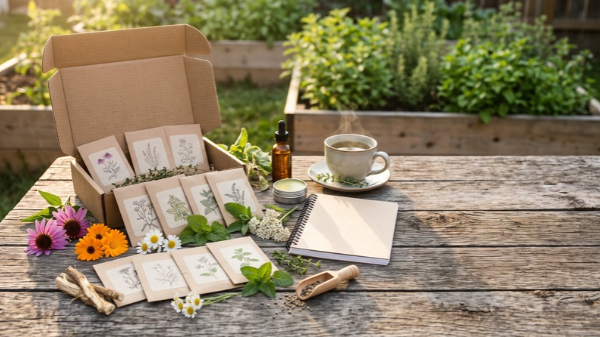
All seeds in the kit are open-pollinated and non-GMO, packaged in the USA, and accompanied by 10 plastic plant markers and the printed From Seeds to Remedies guide. Note that tiny seeds (like German Chamomile and Yarrow) make up well over half of the 4,818 total seed count, while larger-seeded plants (like Calendula and Marshmallow) contain fewer seeds per packet.
| # | Common Name | Botanical Name | Lifecycle | USDA Zones | Sun & Soil Needs | Germination Difficulty | Cold Stratification? |
|---|---|---|---|---|---|---|---|
| 1 | Chicory | Cichorium intybus | Perennial | 3–10 | Full sun; tolerant of poor, dry soil | Easy | No |
| 2 | Yarrow | Achillea millefolium | Perennial | 3–9 | Full sun; well-drained, average soil | Easy | No |
| 3 | California Poppy | Eschscholzia californica | Annual / Tender Perennial | 6–10 | Full sun; sandy, lean, well-drained soil | Moderate (Direct sow only) | No (Optional 1–2 wks) |
| 4 | Marshmallow | Althaea officinalis | Perennial | 3–9 | Full sun to part shade; moist, rich soil | Hard | Yes (3–4 weeks) |
| 5 | German Chamomile | Matricaria recutita | Self-Seeding Annual | 2–9 | Full sun to light shade; average soil | Easy (Surface sow; needs light) | No |
| 6 | Evening Primrose | Oenothera biennis | Biennial | 4–9 | Full sun; dry to medium well-drained soil | Moderate | Helpful (2–3 weeks) |
| 7 | English Lavender | Lavandula angustifolia | Perennial | 5–9 | Full sun; dry, sandy, slightly alkaline soil | Hard (Slow sprouting) | Yes (3–4 weeks) |
| 8 | Purple Coneflower (Echinacea) | Echinacea purpurea | Perennial | 3–9 | Full sun to part shade; well-drained soil | Moderate–Hard | Yes (3–4 weeks) |
| 9 | Calendula | Calendula officinalis | Self-Seeding Annual | 2–11 | Full sun; average, well-drained soil | Easy | No |
| 10 | Feverfew | Tanacetum parthenium | Short-Lived Perennial | 5–9 | Full sun to part shade; well-drained soil | Easy | No |
Detailed Breakdown of All 10 Plants in the Kit
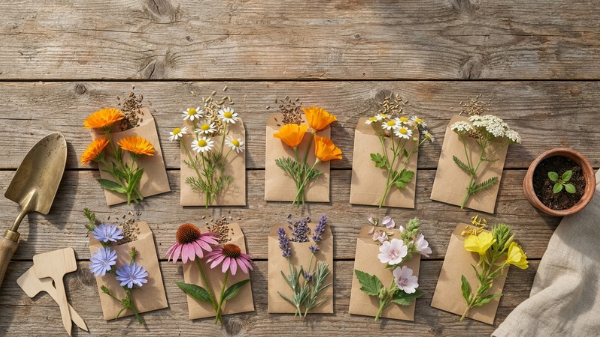
To make planning your beds or patio containers easier, the 10 varieties fall neatly into two horticultural groups: fast-rewarding first-year bloomers and deep-rooted perennials that hit their stride in Year 2.
Group A: Fast-Growing Annuals & Quick First-Year Harvests
1. Calendula (Calendula officinalis)
- Growing Profile: Cool-season self-seeding annual hardy across USDA Zones 2–11. Grows 12 to 24 inches tall with bright orange and yellow daisy-like blossoms.
- Sowing Tip: Direct sow after your last spring frost, covering seeds lightly with 1/4 inch of soil (Calendula seeds germinate best in darkness). Deadhead spent blooms regularly to keep flowers producing until hard frost.
- Traditional Uses: Whole dried flower heads are steeped in olive, sweet almond, or jojoba oil to create gentle topical salves, lip balms, and skin-soothing creams.
2. German Chamomile (Matricaria recutita)
- Growing Profile: Fragrant annual hardy in Zones 2–9. Reaches 18 to 24 inches tall with feathery foliage and apple-scented white-and-yellow flowers.
- Sowing Tip: Do not bury these seeds. Chamomile requires sunlight to trigger germination. Press the tiny seeds gently onto damp soil surface and mist with a spray bottle.
- Traditional Uses: Harvest flower heads when petals start to reflex backward; dried blossoms are brewed into a classic evening relaxation tea or infused into carrier oils.
3. California Poppy (Eschscholzia californica)
- Growing Profile: Drought-tolerant annual (or tender perennial in frost-free Zones 8–10) thriving in Zones 6–10. Reaches 12 to 18 inches with blue-green lacy foliage and vivid orange cups.
- Sowing Tip: California Poppy forms a delicate taproot and resents transplanting. Sow directly into your final garden bed or deep container in early spring.
- Traditional Uses: Whole aerial parts (leaves, stems, and flowers) have historically been prepared as mild evening infusions or tinctures in Western folk herbalism.
4. Feverfew (Tanacetum parthenium)
- Growing Profile: Vigorous, bushy short-lived perennial hardy in Zones 5–9, growing 18 to 24 inches tall with clusters of miniature button-like flowers.
- Sowing Tip: Surface sow or barely dust with fine vermiculite, as light aids germination. Note that young Feverfew and Chamomile seedlings look nearly identical—use the kit’s included plant markers right away so you do not accidentally weed one out.
- Traditional Uses: Leaves and flowers are traditionally dried for herbal teas or tinctured in European folk practice. (Caution: Fresh leaves can cause mouth sensitivity if chewed raw; avoid if allergic to ragweed or Asteraceae plants.)
Group B: Hardy Perennials & Biennials (Long-Term Backyard Staples)
5. Yarrow (Achillea millefolium)
- Growing Profile: Tough, drought-resistant perennial hardy in Zones 3–9. Grows 2 to 3 feet tall with fern-like aromatic leaves and flat-topped white flower umbels.
- Sowing Tip: Surface sow in full sun; Yarrow thrives in lean soil and actually flops over if over-fertilized. Bonus for vegetable growers: Yarrow attracts lacewings, ladybugs, and parasitic wasps, making it one of our favorite border companions alongside garden beds (see our companion planting guide).
- Traditional Uses: Historically used in topical washes, compresses, and outdoor first-aid salves for minor skin scrapes, as well as diaphoretic hot teas.
6. Chicory (Cichorium intybus)
- Growing Profile: Deep-taprooted perennial hardy in Zones 3–10, producing sky-blue morning blossoms on tall 3-to-4-foot stalks in its second year.
- Sowing Tip: Sow in deep, loose soil free of heavy rocks if you intend to harvest the taproot in autumn of Year 1 or Year 2.
- Traditional Uses: Young spring leaves add bitterness to salads, while mature taproots are scrubbed, chopped, and slow-roasted as a rich, caffeine-free coffee alternative.
7. Purple Coneflower / Echinacea (Echinacea purpurea)
- Growing Profile: Iconic North American prairie perennial hardy in Zones 3–9, reaching 2 to 4 feet tall with purple-pink petals and spiky copper cones.
- Sowing Tip: Benefits significantly from 3 to 4 weeks of cold moist stratification before spring planting. Allow the root system to establish for at least two full growing seasons before harvesting roots.
- Traditional Uses: Petals, leaves, and mature roots are traditionally decocted into teas or extracted into alcohol tinctures for seasonal wellness support.
8. English Lavender (Lavandula angustifolia)
- Growing Profile: Woody Mediterranean perennial shrub hardy in Zones 5–9, growing 18 to 24 inches tall with silver-green aromatic foliage.
- Sowing Tip: Lavender is notoriously slow and uneven from seed. Cold-stratify seeds for 30 days, then sow on warm soil (70°F–75°F) with bright light. Expect 14 to 28 days for sprouting, and avoid heavy clay or soggy soil.
- Traditional Uses: Flower buds are dried for sleep sachets, calming teas, bath soaks, and aromatic skin oils.
9. Marshmallow (Althaea officinalis)
- Growing Profile: Tall, velvety perennial hardy in Zones 3–9, reaching 3 to 5 feet tall in moist, rich garden soil.
- Sowing Tip: Marshmallow seeds have a hard coat and natural dormancy. Cold-stratify for 3 to 4 weeks before planting in a consistently damp, sunny spot. Roots are best harvested in autumn of Year 2.
- Traditional Uses: Unlike hot-water teas, Marshmallow root is traditionally prepared as a cold-water infusion overnight to extract soothing plant mucilage for dry throats and digestive comfort.
10. Evening Primrose (Oenothera biennis)
- Growing Profile: Biennial hardy in Zones 4–9. Forms a low leafy rosette in Year 1, then sends up a 3-to-5-foot stalk of fragrant yellow evening-opening flowers in Year 2 before setting seed.
- Sowing Tip: Direct sow in autumn or early spring in sunny, well-drained soil. Once established, it reliably self-seeds every year.
- Traditional Uses: Tiny ripe seed pods are rich in gamma-linolenic acid (GLA); leaves and roots have also been used traditionally in skin poultices.
Looking for the Printed Planting & Recipe Book?
Every seed variety above is covered step-by-step—from soil prep to tea, salve, and tincture ratios—inside the physical manual included with the box.
Check Current Kit Availability & Official Bonus Bundle on the Medicinal Garden Kit Website →
How to Cold Stratify Echinacea, Lavender & Marshmallow Seeds
If you read online complaints claiming “the seeds in the Medicinal Garden Kit didn’t sprout,” almost every case involves English Lavender, Echinacea, or Marshmallow.
In nature, these three perennials drop their seeds in late autumn, spend winter beneath cold, damp soil, and sprout when temperatures warm in spring. If you plant them straight out of the packet into warm May soil, their built-in dormancy blocks germination.
You can replicate winter in your refrigerator in 5 minutes:
- Moisten a Paper Towel: Dampen a folded paper towel with water and wring it out thoroughly—it should feel like a wrung-out sponge, never dripping wet (excess water causes mold).
- Space the Seeds: Place your Lavender, Echinacea, or Marshmallow seeds on one half of the towel, fold the other half over them, and label a zip-top bag with the plant name and date.
- Chill for 3 to 4 Weeks: Store the sealed bag in your refrigerator (35°F–40°F)—not the freezer—for 21 to 30 days.
- Check & Sow: Check weekly for moisture or early root tips. After 3 to 4 weeks, sow the seeds indoors in seed-starting mix or directly into prepared spring garden beds.
Can You Grow All 10 Kit Herbs in Containers?
If you garden on a patio, deck, or sunny balcony rather than in-ground beds, 7 of the 10 varieties thrive in containers:
- Best for 8-to-12-Inch Pots: German Chamomile, Calendula, Feverfew, California Poppy, and English Lavender (use a gritty cactus/herb mix with sharp drainage for Lavender).
- Best for Deep 5-Gallon Containers: Echinacea and Yarrow.
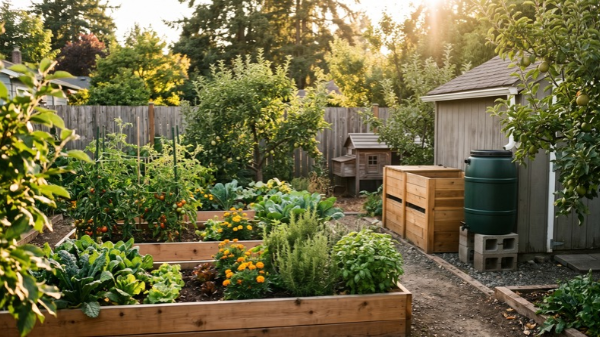
- Better In-Ground (or 18-Inch+ Deep Raised Beds): Chicory, Marshmallow, and Evening Primrose develop massive taproots or tall 4-to-5-foot stalks that quickly become root-bound in standard patio pots.
Final Takeaway: Is This 10-Plant Selection Balanced for Beginners?
Horticulturally, the Medicinal Garden Kit avoids the common trap of stuffing a bundle with exotic, climate-fussy botanicals that fail outside tropical greenhouses. Every plant in the box grows reliably across most of North America (USDA Zones 5–9 cover all 10 species), and the split between fast 60-day annuals (Calendula, Chamomile) and returning perennials (Echinacea, Yarrow, Lavender) gives beginners early wins while building a permanent backyard herb bed.
For a complete breakdown of the $59 pricing math, what the digital bonus eBooks cover, and how the 365-day guarantee works, head over to our full 2026 Medicinal Garden Kit Review, or visit the official Medicinal Garden Kit page here.