
Yes, powder laundry detergent is notoriously dangerous for septic systems. Most commercial powder detergents are packed with cheap, non-biodegradable clay fillers and sodium that never fully dissolve. These microscopic solid particles flow directly through your tank and into your drain field, where they act exactly like liquid cement, permanently plugging the pores of your soil and causing catastrophic system failure.
The Microscopic Wash Cycle
Have you ever tossed a heavy scoop of powder detergent into your washing machine and wondered where all those little blue and white specks actually go?
When you live on the city sewer line, it doesn’t matter. The municipal plant handles it. But when you are off the grid, your septic system is forced to swallow every single ounce of that soapy chemical cocktail.
To understand why this is a recipe for disaster, we need to look at what happens when a 40-gallon wave of laundry wastewater crashes into your underground biological factory. Inside your tank, a delicate ecosystem of aerobic and anaerobic bacteria is working around the clock to digest organic solid waste. But can these microscopic workers digest synthetic laundry powder? Absolutely not.
The Liquid Cement Problem
So, if the bacteria cannot eat the detergent, what happens to it?
The biggest threat hiding inside your powder detergent isn’t actually the soap; it’s the cheap fillers. Manufacturers routinely bulk up their powder detergents with powdered clays, sodium, and heavy synthetic resins. Because your washing machine water is rarely boiling hot, these fillers do not completely dissolve.
Instead, billions of tiny, solid, chalky particles remain suspended in the wastewater. They are too light to sink to the bottom as sludge, so they float right out of the tank and into your fragile drain field.
When these tiny clay particles hit the soil, what do they do? They act exactly like liquid cement. They wedge themselves into the microscopic pores of the dirt, bonding together to create an impenetrable, waterproof barrier.
The Silent Soil Killer
But the physical blockages are only half the battle. What about the chemical makeup of that powder?
Powder detergents are incredibly high in sodium. When massive amounts of sodium interact with the natural clay already present in your yard’s soil, a chemical reaction occurs known as “hardpan.” The soil literally chemically alters, hardening into a solid, brick-like layer that refuses to absorb a single drop of water.
Once your soil is physically plugged with fillers and chemically hardened by sodium, where does your household wastewater go the next time you take a shower? It has nowhere to go but straight back up your plumbing lines.
The Invisible Threat: What Happens Next?
Using powder detergent might seem like a harmless, budget-friendly habit today, but it is actively suffocating your drain field with every single load.
If your soil is currently being paved over by microscopic clay fillers, it’s only a matter of time before the earth completely seals shut. Are you prepared to deal with a washing machine that suddenly backs up and floods your laundry room with raw, foul-smelling sewage? Are you ready to pay $10,000 for a completely new drain field just because you tried to save a few dollars on detergent?
Stop the Backup Before It Starts
Don’t wait until your yard turns into a swamp to change your household habits. The secret to a healthy, permanent septic system is knowing exactly what is safe to flush, and what is silently destroying your underground ecosystem.
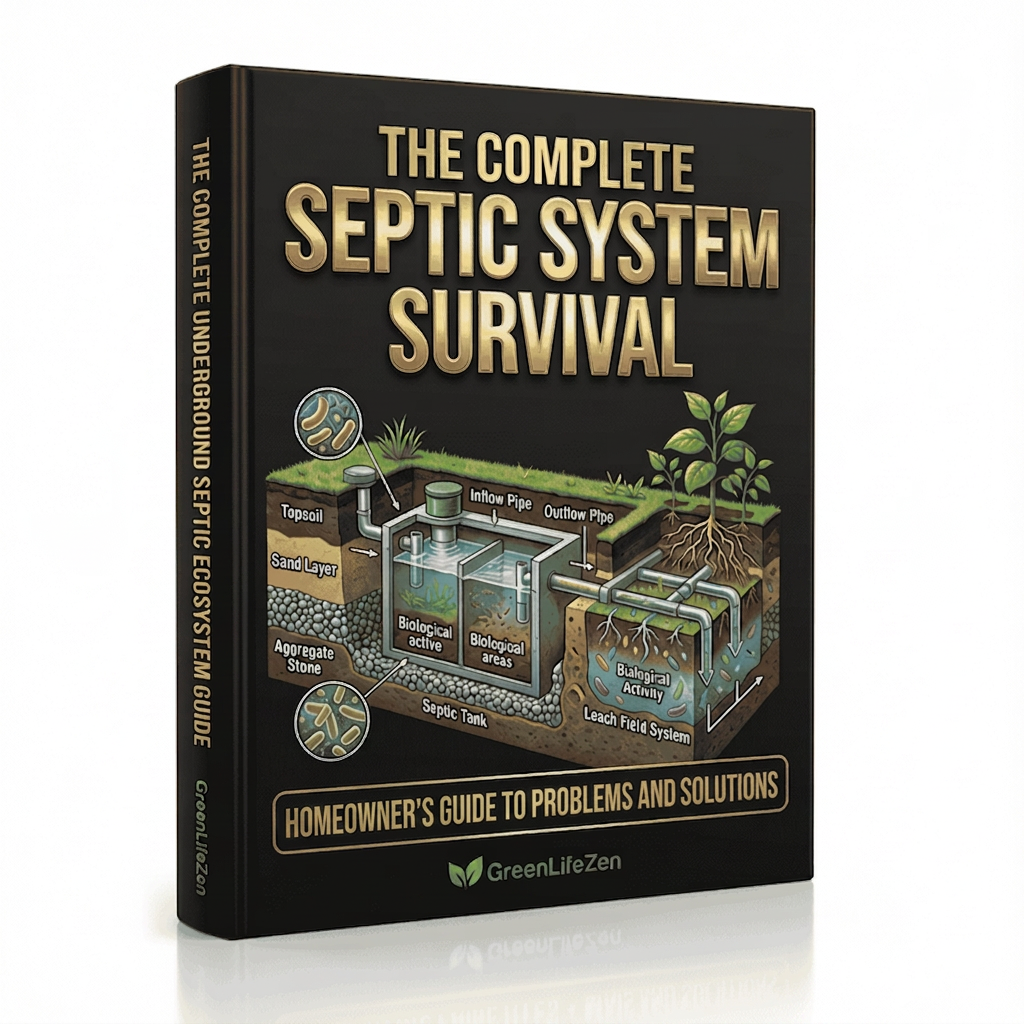
Download our ultimate homeowner’s blueprint to preventing catastrophic backups, destroying toxic odors, and saving thousands on completely avoidable repairs.
👉 Click Here to Download Your FREE Copy of “Septic System Survival” Now!
Frequently Asked Questions (FAQs)
Is liquid laundry detergent safer for septic systems?
Yes, liquid detergent is significantly safer than powder because it is already fully dissolved and leaves no solid clay fillers behind to clog your soil. However, you must still ensure you are buying a biodegradable, eco-friendly liquid brand to protect your tank’s bacterial balance.
What about laundry pods? Are they safe?
Laundry pods are a gamble. While the liquid inside is usually fine, the plastic casing (polyvinyl alcohol) requires very hot water to fully dissolve. In cold water washes, gooey, undissolved plastic remnants can flow into your tank and contribute to clogs.
Does doing multiple loads of laundry in one day hurt my tank?
Yes! This is known as hydraulic overload. Read this guide on Summer Water Usage Tips here. Flooding your tank with 300 gallons of water in a single afternoon violently washes all the beneficial bacteria out of the tank before they have time to digest your waste. Always space your laundry loads out evenly throughout the week!