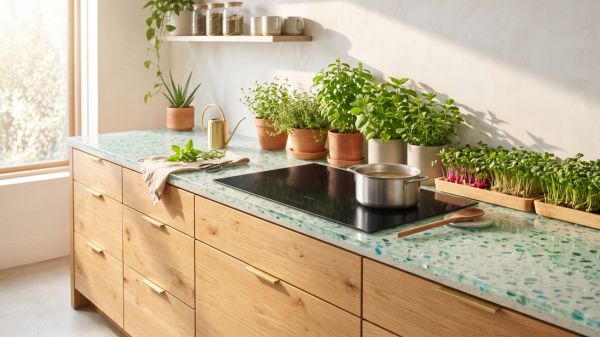
Renovating a kitchen requires thousands of decisions. Choosing to build an eco-friendly kitchen adds another layer of complexity, forcing you to weigh aesthetics against carbon footprints, off-gassing, and long-term energy use. A truly sustainable kitchen design goes beyond bamboo cutting boards and recycling bins. It requires a holistic approach to how materials are sourced, how resources are consumed, and how long the space will function before needing replacement.
This guide breaks down the practical realities of green building materials, energy-efficient kitchen appliances, and smart layouts. Whether you are doing a minor cosmetic refresh or a full-scale demolition, you will learn how to navigate the trade-offs of a sustainable kitchen remodel without falling for industry greenwashing.
What makes a kitchen eco-friendly? An eco-friendly kitchen minimizes environmental impact through energy-efficient kitchen appliances, water-saving fixtures, and sustainably sourced, non-toxic materials. It prioritizes durability and repairability, utilizes low-VOC finishes to protect indoor air quality, and incorporates thoughtful layouts that reduce household waste and lower long-term carbon emissions.
Planning Your Sustainable Kitchen Remodel
The most sustainable material is the one you do not have to buy. Before selecting finishes, you must finalize a layout that maximizes your existing infrastructure. Moving plumbing lines, gas pipes, and electrical panels generates massive amounts of construction waste and significantly increases your carbon footprint.
The “Reduce, Reuse, Recycle” Approach to Layout
Evaluate your current footprint objectively. Many homeowners assume they need a kitchen addition to gain space, but poor cabinet organization is often the actual culprit. Working within your existing footprint—a core tenet of green building—saves resources, protects yard space, and leaves room in your budget for higher-quality, low-impact materials.
If you must alter the layout, consult a certified kitchen designer to ensure the new floor plan adheres to National Kitchen and Bath Association (NKBA) guidelines for workflow and clearance. A highly functional layout prevents the urge to remodel again in a decade, which is the ultimate sustainability win.
Sustainable Kitchen Planning Checklist
- Assess existing elements: Determine what can be salvaged. Can the cabinet boxes be refaced? Can the hardwood floors be refinished instead of replaced?
- Plan for deconstruction, not demolition: Hire contractors who will carefully dismantle your current kitchen. Donate usable cabinets, appliances, and fixtures to organizations like Habitat for Humanity ReStore.
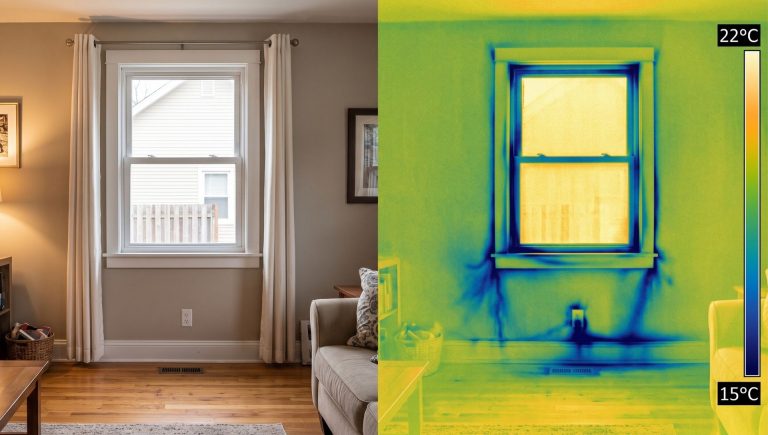
- Prioritize the building envelope: Before installing new drywall, upgrade the insulation in exterior kitchen walls and seal air leaks around windows.
- Design for standard sizes: Avoid overly customized cabinet dimensions where possible to reduce manufacturing waste and simplify future repairs.
Eco-Friendly Kitchen Cabinets: The Foundation of Your Space
Cabinetry represents the largest volume of material in any kitchen. Consequently, your cabinet choices have the most significant impact on both the environment and your indoor air quality.
VOCs, Formaldehyde, and Indoor Air Quality
Standard cabinet boxes are built using medium-density fiberboard (MDF) or particleboard. Manufacturers traditionally bind these engineered woods together using urea-formaldehyde adhesives. Over time, these volatile organic compounds (VOCs) off-gas into your home, contributing to poor indoor air quality and respiratory irritation.
When specifying eco-friendly kitchen cabinets, request materials made with no added formaldehyde (NAF) or ultra-low emitting formaldehyde (ULEF) resins. Look for third-party verifications like GREENGUARD Gold or certifications from the Healthy Building Network to ensure the products meet strict chemical emission limits.
Sourcing Sustainable Cabinet Materials
The environmental footprint of wood cabinetry depends entirely on forestry practices. Always specify FSC-certified wood (Forest Stewardship Council), which guarantees the timber was harvested from responsibly managed forests that preserve biological diversity and benefit local workers.
Alternative cabinet materials offer unique sustainable benefits:
- Reclaimed wood: Salvaged timber requires zero new logging and adds distinct character, though it often requires custom fabrication.
- Bamboo: A rapidly renewable grass that reaches maturity in three to five years. Ensure the manufacturer uses non-toxic binders, as bamboo processing heavily relies on adhesives.
- Stainless steel: Highly durable, recyclable, and completely free of VOCs. While it carries a high embodied energy cost upfront, its lifespan makes it a viable green option for modern aesthetics.
Refacing vs. Replacing
If your current cabinet boxes are structurally sound, replacing them is an environmental and financial waste. Cabinet refacing—installing new doors, drawer fronts, and veneers over the existing boxes—diverts hundreds of pounds of wood from landfills. It also requires far less material production and typically costs 30% to 50% less than a full replacement.
Sustainable Kitchen Countertops Compared
Countertops endure daily abuse from heat, knives, acidic foods, and heavy pots. A sustainable kitchen countertop must balance ecological sourcing with extreme durability. A fragile “green” material that requires replacement after five years is less sustainable than a resource-intensive material that lasts a century.
| Material | Durability | Maintenance | Environmental Impact |
|---|---|---|---|
| Recycled Glass | High (heat and scratch resistant) | Low (no sealing required if bound in resin) | Excellent. Diverts glass from landfills. Opt for cement binders over petroleum resins. |
| Reclaimed Wood | Moderate (prone to scratches and water damage) | High (requires regular oiling and rapid spill cleanup) | Excellent. Zero new logging. Sequestration of carbon in existing timber. |
| FSC Butcher Block | Moderate (can be sanded and repaired) | High (needs frequent mineral oil application) | Good. Renewable resource if FSC-certified. Easily biodegradable at end-of-life. |
| Natural Stone (Granite/Soapstone) | Very High (lasts lifetimes) | Moderate (periodic sealing required for some stones) | Fair. High embodied energy from quarrying and heavy transportation. Lasts forever. |
| Paper Composite | High (dense and non-porous) | Moderate (requires occasional mineral oil) | Good. Made from post-consumer recycled paper and non-petroleum resins. |
When evaluating quartz, recognize the trade-offs. While highly durable and low-maintenance, standard quartz is an engineered product containing 10% to 15% polymer resins. If you prefer this aesthetic, seek out brands that manufacture using recycled content and bio-based resins instead of pure petrochemicals.
Eco-Friendly Kitchen Flooring
Kitchen floors face relentless foot traffic, dropped dishes, and frequent spills. Sustainable flooring choices must provide resilience while avoiding the toxic plasticizers often found in synthetic options.
Linoleum vs. Vinyl
Many consumers confuse linoleum with luxury vinyl plank (LVP) or sheet vinyl. They are fundamentally different. Vinyl is a petroleum-based PVC product that often off-gasses phthalates and cannot be easily recycled.
True linoleum is a heritage green building material made entirely from natural, renewable ingredients: linseed oil, pine rosin, wood flour, cork dust, and a jute backing. It is naturally antimicrobial, biodegradable, and incredibly durable. Because linoleum is stiffer than vinyl, installation requires an experienced professional to prevent cracking during handling.
Cork and Bamboo
Cork flooring is harvested from the bark of the cork oak tree, which regrows its bark every nine years. This process leaves the tree standing, making cork an exceptionally renewable resource. It provides acoustic dampening and ergonomic comfort for prolonged cooking sessions. However, cork can fade in direct sunlight and may dent under heavy appliances.
Bamboo flooring offers the hardness of traditional oak but regenerates much faster. When selecting bamboo eco-friendly kitchen flooring, verify that the planks are FSC-certified and manufactured with NAF adhesives to maintain indoor air quality.
Reclaimed Hardwood and Tile
Reclaimed hardwood floors offer unmatched character and prevent new trees from being felled. Keep in mind that older salvaged woods may require professional milling to create uniform tongue-and-groove joints.
Ceramic and porcelain tiles are made from abundant natural clays. They do not off-gas and can last for decades. To maximize sustainability, source tiles manufactured regionally to reduce transportation emissions, or seek out collections that incorporate high percentages of pre-consumer recycled content.
Energy-Efficient Kitchen Appliances
Appliances dictate a kitchen’s long-term energy consumption. Replacing outdated models with energy-efficient kitchen appliances significantly reduces your home’s carbon emissions and monthly utility bills. Always check the U.S. Department of Energy’s ENERGY STAR ratings to compare annual energy usage across models.
The Shift to Induction Cooktops
Gas stoves release nitrogen dioxide, carbon monoxide, and unburned methane directly into your home, posing documented risks to respiratory health. The most significant upgrade for an eco-friendly kitchen is switching from gas to an induction cooktop.
Induction relies on electromagnetism to heat the cookware directly, rather than heating the air around it. This process is roughly 85% efficient, compared to the 32% efficiency of standard gas burners. Water boils faster, the kitchen stays cooler, and indoor air quality remains pristine. Note that induction requires magnetic cookware (like cast iron or magnetic stainless steel) and a dedicated 240-volt electrical circuit.
Heat Pump Technology and Smart Monitoring
Heat pump technology, long used for home heating, is transforming kitchen appliances. The heat pump dishwashers and ventless heat pump dryers (if your laundry is near the kitchen) recycle ambient heat rather than continuously generating new heat, cutting energy use dramatically.
Consider integrating smart energy monitors into your electrical panel during the remodel. These systems track the electricity usage of individual appliances in real-time, helping you identify vampire loads and optimize when you run heavy appliances to align with off-peak grid hours.
Refrigeration Sizing
Refrigerators run 24 hours a day, making them a kitchen’s biggest energy draw. While ENERGY STAR certification is vital, size matters just as much. A massive, energy-efficient refrigerator will still consume more power than a standard-sized, moderately efficient one. Buy only the capacity your household genuinely needs, and avoid models with through-the-door ice makers, which are prone to breaking and decrease the unit’s overall insulation efficiency.
Water-Saving Kitchen Fixtures
Water conservation is a critical component of sustainable design. Kitchens account for a significant portion of indoor water use, primarily through dishwashing and food preparation.
Low-Flow Faucets and EPA WaterSense
Standard kitchen faucets flow at 2.2 gallons per minute (gpm). Upgrading to a WaterSense-labeled fixture can reduce flow rates to 1.5 gpm without sacrificing noticeable water pressure. Over a year, this simple swap saves thousands of gallons of water per household.
If replacing the entire faucet isn’t in the budget, you can unscrew the tip of your existing faucet and install a low-flow aerator for just a few dollars. For maximum efficiency, consider a foot-pedal operated faucet. This commercial-kitchen staple allows you to turn the water on and off instantly with your foot, preventing gallons of water from washing down the drain while you soap your hands or scrub pots.
Efficient Dishwashing
Modern ENERGY STAR dishwashers are engineered to use less water than hand-washing. A highly efficient dishwasher uses roughly three to four gallons per cycle, whereas washing the same load by hand can consume up to 20 gallons. To maximize these savings, scrape plates instead of pre-rinsing them; modern enzymatic detergents are designed to attach to food particles.
Lighting and Indoor Air Quality
A truly sustainable kitchen remodel creates a healthy, comfortable environment that minimizes reliance on artificial systems.
Maximizing Natural Light and LEDs
Before adding electrical fixtures, evaluate how to maximize daylighting. Expanding a window or adding a tubular skylight reduces the need for daytime electric lighting and improves the psychological comfort of the space.
For artificial lighting, exclusively specify LED bulbs. They consume up to 90% less energy than incandescent bulbs and last up to 25 times longer. Plan your lighting in layers—ambient, task, and accent—so you only illuminate the specific zones you are using. Install dimmer switches to further reduce energy draw and extend bulb lifespans.
Low-VOC Paint for Kitchens
Paint covers the largest surface area of your kitchen walls and ceilings. Traditional paints cure by evaporating chemical solvents into the air. Ensure you specify zero-VOC or low-VOC paint for kitchens. Read the technical data sheets carefully, as some zero-VOC bases become low-VOC once the hardware store adds liquid colorants. Look for the Master Painters Institute (MPI) Extreme Green standard or GREENGUARD Gold certifications.
Proper Ventilation Strategies
Air tightness is vital for energy efficiency, but it traps indoor pollutants. Proper mechanical ventilation is non-negotiable. Even without a gas stove, cooking generates fine particulate matter, moisture, and grease. Install a high-quality range hood that exhausts directly to the home’s exterior—never a recirculating hood that merely blows filtered air back into the room. Ensure the hood is sized correctly (measured in Cubic Feet per Minute, or CFM) for your cooktop’s output.
Kitchen Waste Reduction and Management
Designing for waste reduction means creating dedicated infrastructure for sorting materials before they hit the curb.
Built-In Composting and Recycling Centers
A single trash bin under the sink guarantees recyclable and compostable materials will end up in the landfill. Designate at least one base cabinet as a dedicated sorting center. Install pull-out bins with distinct compartments for landfill waste, paper recycling, plastic/glass recycling, and organic compost.
For composting, incorporate a tightly sealed countertop caddy for daily scraps, or design a ventilated drawer specific to a larger compost collection bin. If your municipality offers organics collection, ensure your indoor bins are sized to fit the approved compostable liner bags.
Budgeting for a Sustainable Kitchen
Building an eco-friendly kitchen does not strictly require a premium budget. Sustainability scales to meet different financial realities.
Budget-Friendly Updates (Under $5,000)
- Reface existing cabinet boxes rather than replacing them.
- Install a $5 low-flow faucet aerator.
- Swap all incandescent and CFL bulbs for LEDs.
- Paint walls and cabinets with zero-VOC finishes.
- Purchase refurbished or second-hand appliances.
Mid-Range Investments ($15,000 – $30,000)
- Replace a gas range with an electric induction cooktop.
- Install true linoleum or cork flooring.
- Upgrade to an ENERGY STAR-rated heat pump dishwasher.
- Source recycled glass or locally quarried stone countertops.
- Add localized under-cabinet LED task lighting.
Premium Green Upgrades ($50,000+)
- Commission custom, FSC-certified solid wood cabinetry with non-toxic finishes.
- Install smart-home water leak detectors and electrical monitoring panels.
- Incorporate high-end reclaimed timber for architectural beams and flooring.
- Reroute ductwork for a commercial-grade, ultra-quiet exterior-venting range hood.
Common Mistakes to Avoid in Green Kitchen Design
- Falling for greenwashing: Do not accept vague labels like “eco-safe” or “earth-friendly.” Demand third-party certifications (FSC, Cradle to Cradle, GREENGUARD).
- Throwing away good materials: Ripping out functional, high-quality solid wood cabinets just to buy new “green” bamboo cabinets is a net negative for the environment. Keep what works.
- Ignoring the end-of-life phase: Consider how a product will be disposed of in 20 years. Epoxy-bound materials are rarely recyclable, while raw metals, untreated woods, and true linoleum biodegrade or melt down easily.
- Focusing on products over layout: Buying an efficient refrigerator means little if the kitchen layout is so dysfunctional that you are forced to order takeout five nights a week. Prioritize flow and usability first.
Frequently Asked Questions
Are eco-friendly kitchens more expensive?
Upfront costs can be marginally higher for certified materials like FSC wood or zero-VOC finishes. However, sustainable kitchens often save money long-term through lower utility bills, reduced water usage, and the avoidance of premature replacements due to superior durability.
What is the most eco-friendly countertop material?
Recycled glass bound in cement, reclaimed wood, and paper composite countertops are among the most sustainable. They utilize post-consumer waste or salvaged materials, requiring minimal raw resource extraction compared to mined natural stones or petroleum-heavy engineered quartz.
How do I safely dispose of my old kitchen cabinets?
Do not send them to the landfill. If they are structurally sound, carefully dismantle them and donate them to local charities, architectural salvage yards, or Habitat for Humanity ReStore. You can also sell or give them away on local community marketplace boards.
Is induction cooking actually better for the environment?
Yes. Induction cooktops run on electricity, which can be sourced from renewable energy grids or home solar panels. They are roughly 85% energy efficient and eliminate the indoor air pollution (methane and nitrogen dioxide) directly associated with burning natural gas.
What does VOC mean, and why should I care?
VOC stands for Volatile Organic Compound. These are harsh chemicals found in paints, cabinet glues, and synthetic floorings that evaporate at room temperature. They degrade indoor air quality and can trigger asthma, headaches, and long-term health issues.
Can I have a sustainable kitchen with a gas stove?
While you can make sustainable choices elsewhere, a gas stove fundamentally relies on fossil fuels and degrades indoor air quality. If you cannot replace it immediately, ensure you install and consistently use a high-powered, exterior-venting range hood to mitigate the health risks.
Conclusion
Creating an eco-friendly kitchen is an exercise in intentionality. By looking past aesthetic trends and focusing on the lifecycle of your materials, the efficiency of your appliances, and the health of your indoor air, you build a space that serves both your family and the broader environment. Start by analyzing your current layout, establish a firm budget, and prioritize upgrades that reduce daily energy and water consumption. A truly sustainable kitchen is not just about buying the right green products—it is about designing a highly functional space that you will never want to tear down.