
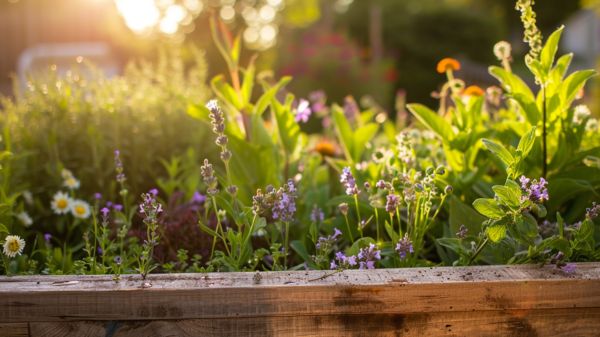
Ancient healers relied on plants long before pharmaceuticals existed, and you’d be surprised how relevant that wisdom still is. Your garden can serve as a living pharmacy if you know which plants to grow. From immune-boosting echinacea to skin-healing calendula, these ten medicinal plants address everyday ailments naturally. What you discover about harvesting and using them might change how you approach your health entirely.
Key Takeaways
- Echinacea strengthens immunity against respiratory pathogens, while elderberries reduce influenza duration by approximately four days through antiviral anthocyanins.
- Calendula serves as a natural skin healer, treating eczema, burns, and acne through anti-inflammatory triterpenoid saponins and flavonoids.
- Peppermint aids digestion after meals, and chamomile promotes relaxation and improved sleep when consumed 30-45 minutes before bedtime.
- Companion planting combinations like chamomile and mint enhance pest resistance, while yarrow and echinacea attract beneficial pollinators to your garden.
- Always cook elderberries before consumption, avoid raw aloe vera, and consult reliable resources for safe dosage and plant-specific usage guidelines.
Six Medicinal Plants Every Home Garden Should Include
Six medicinal plants stand out as essential additions to any home garden, each offering distinct therapeutic properties that address common health concerns. Echinacea strengthens your immune response, while elderberries deliver antiviral power against colds and flu. Peppermint, which also serves as natural pest control through its potent menthol compounds, soothes digestive discomfort and relieves tension headaches.
Chamomile and lemon balm, both staples in countless herbal tea recipes, reduce anxiety and promote restorative sleep. Meadowsweet provides natural pain relief through its salicylic acid content, addressing headaches, joint pain, and fever effectively. Before incorporating any of these plants into your wellness routine, starting with a low dosage and gradually adjusting based on your individual response is a critical safety practice.
By cultivating these six plants, you’re reclaiming autonomy over your health, reducing dependence on pharmaceutical interventions, and building a resilient, self-sufficient garden that empowers you to address everyday ailments naturally and confidently.
Calendula: The Garden’s Natural Skin Healer
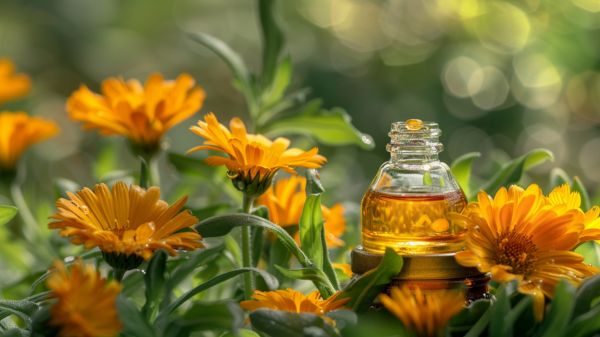
When you handle fresh calendula flowers, you’ll notice the sticky resin coating the petals and stems, a substance dense with triterpenoid saponins, flavonoids, and carotenoids that collectively deliver measurable anti-inflammatory, antimicrobial, and wound-healing actions.
You can apply preparations derived from this resin topically to reduce skin inflammation associated with conditions including eczema, rashes, burns, and acne, as the phytochemical constituents actively promote cellular repair, inhibit microbial proliferation, and suppress inflammatory cascades at the tissue level.
Traditional healing systems dating to ancient Roman and Greek civilizations recognized these properties and employed calendula preparations consistently across dermatological applications, a practice that modern clinical research has since validated through documented evidence of efficacy across an extensive array of skin conditions.
Growing calendula using organic farming practices not only supports the long-term viability of this medicinal plant but also helps mitigate the climate change impacts that increasingly threaten species essential to natural medicine.
Sticky Resin Medicinal Properties
Calendula’s sticky resin, secreted abundantly from the glandular trichomes of its flower heads, contains a concentrated matrix of triterpenoid saponins, flavonoids, carotenoids, and volatile oils that collectively deliver its well-documented therapeutic action on human skin tissue. This sticky resin composition concentrates antimicrobial compounds at high potency, making topical applications particularly effective against bacterial, viral, and fungal pathogens that compromise skin integrity.
You’ll find that saponin compounds within the resin enhance membrane absorption, allowing flavonoids like quercetin and carotenoids including lutein and zeaxanthin to penetrate tissue more effectively, addressing oxidative stress, inflammation, and infection simultaneously. The resin’s inherent viscosity creates prolonged contact with affected surfaces, maximizing the therapeutic window during which active constituents interact with damaged or compromised skin cells, accelerating your healing outcomes measurably.
Skin Inflammation Reduction Benefits
Skin inflammation reduction stands as one of calendula’s most clinically substantiated therapeutic contributions, with its phytochemical profile targeting multiple inflammatory pathways simultaneously through flavonoids, triterpenoid saponins, and carotenoids that operate across complementary biochemical mechanisms. Flavonoid stability guarantees quercetin and rutin suppress mast cell degranulation, curtailing histamine-mediated vasodilation. Faradiol esters inhibit COX-2, reducing prostaglandin-driven redness while supporting barrier restoration in compromised tissue.
| Compound | Mechanism |
|---|---|
| Quercetin | Mast cell stabilization |
| Faradiol esters | COX-2 inhibition |
| Beta-carotene | ROS scavenging |
| Triterpenoid saponins | TNF-alpha suppression |
You’ll find that consistent topical application accelerates micro-tear healing, restores transepidermal water loss reduction, and addresses neurogenic inflammation through TRPV1 receptor modulation, delivering clinically validated relief across mechanically-abraded and sensitive skin regions.
Traditional Healing Applications
Across five distinct therapeutic domains, calendula has accumulated a healing legacy that modern phytochemical research continues to validate, with its triterpenoid saponins, flavonoids, and essential oil constituents underpinning applications that range from wound repair to gastrointestinal tract restoration. Its traditional remedies address wound closure, antimicrobial protection, lymphatic stimulation, antifungal intervention, and digestive mucous membrane repair, each validated through clinical investigation.
You’ll find its healing properties documented across multiple herbal medicine systems, predating pharmaceutical alternatives that now mirror its mechanisms. Quercetin inhibits bacterial and viral proliferation, while saponins modulate immune response and reduce pathogenic colonization.
Gastrointestinal applications, including ulcer, gastritis, and colitis management, demonstrate vulnerary action on inflamed mucous membranes, confirming calendula’s extensive therapeutic profile across interconnected physiological systems. Like aloe vera and tea tree oil, calendula’s antibacterial properties make it a compelling natural ingredient in modern skincare formulations targeting acne and inflammation.
Peppermint: Your Go-To Herb for Digestion and Headaches
Few herbs have woven themselves into the fabric of human history as seamlessly as peppermint (Mentha piperita), a natural hybrid of watermint and spearmint that ancient Egyptians cultivated as far back as 1000 BCE, Greek and Roman cultures incorporated into feasts and medicines, and medieval herbalists like Hildegard of Bingen prescribed for digestive support.
Understanding peppermint benefits empowers you to reclaim autonomy over your health, as its antispasmodic and carminative properties relieve gas, bloating, and IBS symptoms, while menthol’s cooling effect topically reduces headache tension. Peppermint cultivation requires 4-6 hours of daily sunlight, moist well-draining soil at pH 6.0-7.0, and container management to control aggressive rhizome spreading.
Harvest leaves just before flowering to maximize menthol concentration, then prepare infusions for upper gastrointestinal relief or apply diluted essential oil directly to your forehead for headache relief. Growing peppermint organically, without synthetic pesticides or fertilizers, ensures your harvested leaves remain free from synthetic chemical residues that have been linked to a range of health concerns.

Echinacea: Your Cold Season Front Line Defense
While peppermint addresses digestive distress and headache relief with reliable consistency, your cold-season vulnerabilities demand a different botanical ally, one with deep roots in North American indigenous medicine: Echinacea (Echinacea purpurea, E. angustifolia, and E. pallida). Indigenous peoples relied on this plant for over 400 years, treating colds, infections, and wounds with remarkable effectiveness.
Echinacea benefits stem from bioactive compounds, including alkamides, polysaccharides, and caffeic acid derivatives, which enhance macrophage activity, stimulate cytokine production, and support phagocytosis. Immune support becomes measurable through documented efficacy against respiratory pathogens like Streptococcus pneumoniae and viruses including influenza and rhinovirus.
You’ll find E. purpurea‘s above-ground parts particularly potent, as Germany’s government officially approves them for treating upper respiratory infections, validating centuries of indigenous knowledge with contemporary scientific scrutiny. When cultivating Echinacea at home, harvesting at peak potency in the morning and storing dried material in airtight containers away from light ensures the plant’s therapeutic compounds remain viable for cold-season use.
Chamomile: Nature’s Remedy for Sleep and Calm
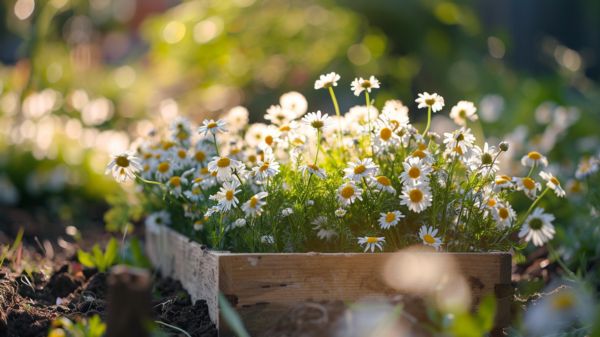
Chamomile’s therapeutic properties stem primarily from apigenin, a flavonoid that binds to benzodiazepine receptors in the brain, modulating GABA-A receptor activity to reduce neuronal excitability and promote physiological relaxation without the dependency risks associated with pharmaceutical sedatives.
Clinical evidence supports its efficacy for sleep quality, with Pittsburgh Sleep Quality Index scores showing a weighted mean difference of −1.88 across trials, alongside notable reductions in nighttime awakenings, though you should note that effects occur independently of changes to sleep latency or total sleep duration.
When incorporating chamomile into your garden and wellness routine, you’ll want to prioritize cultivars meeting the European Pharmacopoeia’s minimum 0.25% apigenin-7-glucoside threshold for therapeutic potency, consumed 30-45 minutes before bedtime, while acknowledging that passive surveillance methods in most safety studies may underreport adverse effects despite an otherwise well-established tolerability profile.
Chamomile’s Calming Compounds
Apigenin, the primary flavonoid in chamomile flowers, binds directly to benzodiazepine receptors on GABA-A receptor complexes in brain tissue, functioning as a partial agonist that produces measurable calming effects without the dependency risks associated with prescription benzodiazepines.
Beyond apigenin, bisabolol and chamazulene contribute additional calming properties, while flavonoids and essential oils work synergistically across multiple neurotransmitter pathways, including serotonin, noradrenaline, and dopamine, delivering broader relaxation benefits than single-mechanism interventions.
When you explore chamomile extraction techniques, you’ll reveal these compounds more effectively, maximizing therapeutic yield from your garden harvest. Calming tea recipes that steep flowers at controlled temperatures preserve apigenin concentrations, ensuring you meet the European Pharmacopoeia’s therapeutic threshold of 0.25% apigenin-7-glucoside, giving you genuine, research-supported relief from anxiety and sleep disturbances.
Sleep Quality Benefits
Clinical evidence now confirms that chamomile delivers measurable sleep quality improvements, particularly for individuals managing mild sleep difficulties and nighttime awakenings. A 2017 randomized controlled trial demonstrated that 400 mg of chamomile extract twice daily notably outperformed placebo among elderly participants, reducing nighttime awakenings and improving Pittsburgh Sleep Quality Index scores.
Apigenin, chamomile’s primary active flavonoid, modulates GABA receptors, increasing neural inhibitory activity and promoting relaxation without dependency risks. For herbal sleep support, you’ll benefit most from consuming one to two cups thirty to forty-five minutes before bedtime across a four-week period.
Chamomile’s anxiety relief properties address stress-driven insomnia by reducing the racing thoughts that delay sleep onset, making it particularly effective when anxiety underlies your sleep disruptions. Resources like The Lost Book of Herbal Remedies profile over 100 plants with basic herbal preparation methods to help you incorporate chamomile and other medicinal herbs safely into your wellness routine.
Safe Usage Considerations
While chamomile delivers measurable therapeutic benefits for sleep and anxiety, responsible use requires understanding its dosage parameters, contraindications, and potential adverse effects. Following dosage guidelines—1–2 g of dried flowers per cup, up to four times daily—keeps consumption within documented safety ranges. You’ll want to monitor for allergic reactions, particularly if you’re sensitive to ragweed or other Asteraceae plants.
| Population | Primary Concern | Required Action |
|---|---|---|
| Asteraceae-allergic individuals | Cross-reactivity risk | Consult healthcare provider |
| Anticoagulant users | Drug interactions | Clinical consultation required |
| Pregnant/lactating individuals | Insufficient safety data | Avoid until data available |
Gastrointestinal discomfort and drowsiness represent the most commonly reported adverse events, though both resolve without intervention, preserving your autonomy over your wellness journey.
Thyme: From Cooking Herb to Natural Remedy
Thyme, a hardy perennial cultivated easily in home gardens, delivers remarkable medicinal benefits that extend far beyond its culinary applications, functioning as an expectorant, anti-inflammatory, and antibacterial agent that addresses a wide range of health conditions.
Understanding thyme benefits empowers you to reclaim your health sovereignty, as its compounds thymol and carvacrol actively combat bacteria and viruses within your respiratory system. Brewed as a strong tea, thyme cultivation translates directly into bronchitis, asthma, and congestion relief. Beyond respiratory support, thyme protects your cardiovascular system by lowering blood pressure through potassium’s vasodilating properties, reducing harmful cholesterol levels, and diminishing atherosclerosis risk.
Its antioxidant content, containing lutein, zeaxanthin, and thymonin, neutralizes free radicals, preventing cellular damage, chronic inflammation, and oxidative stress throughout your organs. Much like garlic, thyme contains powerful antimicrobial compounds that strengthen immune function by protecting the body against common bacterial and viral illnesses.
Elderberry: The Patient Gardener’s Winter Wellness Staple
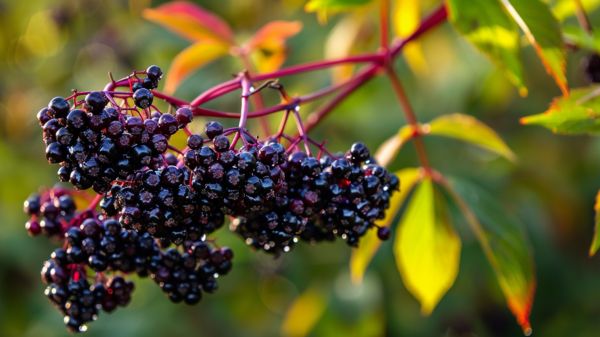
Extending your garden’s medicinal reach beyond thyme’s well-documented respiratory and cardiovascular applications, elderberry (Sambucus nigra and Sambucus canadensis) offers a complementary profile of immune-supporting compounds that have earned its place in home cultivation for millennia. Elderberry cultivation requires patience, as meaningful berry production doesn’t emerge until approximately five years post-planting, yet the reward justifies your commitment.
Historical uses span from Hippocrates’ documented applications around 400 BCE through Native American traditions, confirming elderberry’s cross-cultural medicinal credibility. You’ll want loamy, well-draining soil at pH 5.5-6.5 within USDA Zones 4-9. Clinical research validates that elderberry’s anthocyanins reduce influenza duration by roughly four days.
Always cook berries before consumption, as raw elderberries contain cyanide-producing compounds that’ll cause serious gastrointestinal distress. Growing elderberry alongside other crops through crop rotation practices also promotes soil health and supports the biodiversity that makes your medicinal garden more resilient over time.
The Best Companion Planting Combinations for a Medicinal Garden
Companion planting transforms your medicinal garden into a self-regulating ecosystem, where strategically paired species reinforce each other’s growth, pest resistance, and therapeutic potency. You’ll find that chamomile and mint create Mercury-ruled garden synergy, enhancing pest resistance while supporting calm focus. Yarrow and echinacea establish boundary-supporting combinations that strengthen plant immunity across shared garden beds, attracting beneficial pollinators simultaneously.
Calendula and borage accumulate minerals that enhance medicinal potency, while their complementary root systems prevent nutrient competition. Lemon balm and valerian create yin-yang partnerships, with valerian’s deep taproot aerating soil undisturbed by lemon balm’s shallow root network. Finally, basil and thyme accommodate different harvest schedules, with basil’s broad foliage protecting thyme during intense summer heat, maximizing your garden’s self-sufficient medicinal output year-round.
How to Harvest, Dry, and Store Medicinal Herbs for Maximum Potency
Once your companion planting combinations are established and producing robust, therapeutically potent growth, you’ll want to capture that potency through precise harvesting, drying, and storage practices that prevent compound degradation. Harvest timing determines medicinal compound concentration, with leaves reaching peak potency before flowering begins and mid-morning collection, after dew dries, preserving volatile oil content.
Drying methods vary by plant material: bundle aerial parts with wax-coated twine, suspend upside down in ventilated, low-humidity spaces for one to two weeks, or use a dehydrator maintained between 90-110°F, setting lower temperatures for delicate herbs and higher temperatures for dense roots, barks, and berries.
Store dried herbs in airtight containers, kept cool and dark, labeled with harvest dates to monitor potency over time. Once properly dried and stored, airtight containers away from light and heat can preserve the flavor and potency of medicinal herbs for several months.
When and How to Use Each Medicinal Plant at Home
Knowing each plant’s specific application, timing, and safe dosage transforms your medicinal garden from an ornamental feature into a functional home remedy resource. Herbal preparation methods vary greatly depending on your intended purpose, so understanding each plant’s role empowers you to act decisively. Brew echinacea at the first sign of illness rather than daily, preserving its immune-stimulating effectiveness.
Use peppermint after meals for digestive relief, but keep it away from infants entirely. Apply plantain leaves fresh to stings, and create calendula salves for cuts and minor burns. Medicinal plant applications extend from chamomile bedtime teas for children’s relaxation to lemon balm infusions during stressful periods. Always consult reliable references before internal use, avoiding raw elderberries and never ingesting aloe vera.
Frequently Asked Questions
Can Medicinal Plants Interact Negatively With Prescription Medications I Currently Take?
Yes, medicinal plants can interact negatively with your prescriptions, creating serious interactions risks that you shouldn’t ignore. Milk thistle inhibits CYP3A4, CYP2C9, and CYP2D6 enzymes, while St. John’s wort accelerates drug metabolism, both altering your medication’s effectiveness. Dosage considerations become critical when you’re taking warfarin, immunosuppressants, or statins, where even 15-20% concentration changes risk dangerous outcomes. Consult your healthcare provider before incorporating any medicinal plant into your regimen.
Are Any of These Medicinal Plants Toxic to Pets or Livestock?
Imagine vibrant garden beds harboring hidden dangers for your animals. Yes, several medicinal plants pose serious pets’ health risks and livestock safety considerations. Lily of the valley, foxglove, oleander, monkshood, and English ivy can cause fatal cardiac disruptions, organ failure, or neurological damage. You must fence toxic plants, remove fallen leaves immediately, and monitor your animals outdoors consistently. Garlic’s sodium n-propyl thiosulfate specifically destroys cats’ red blood cells, causing severe anemia.
Which Medicinal Plants Grow Well in Containers for Apartment Gardeners?
Container gardening empowers you to cultivate basil, mint, thyme, chamomile, oregano, rosemary, lemon balm, sage, and parsley as effective apartment herbs within confined spaces. You’ll need pots with drainage holes, well-draining soil, and 6-8 hours of daily sunlight. Mint requires individual containment to prevent aggressive spreading, while thyme and sage prefer slightly dry conditions, making them particularly manageable for apartment dwellers maintaining medicinal herb supplies without dedicated outdoor yards.
How Long Do Dried Medicinal Herbs Remain Potent Before Losing Effectiveness?
“Use it or lose it.” Your dried medicinal herbs’ potency duration depends considerably on their form: whole dried leaves retain effectiveness for 1–2 years, while ground herbs last only 6–12 months. Optimizing herb storage in airtight, opaque glass jars, kept between 55°F–70°F, away from humidity exceeding 50%, extends viability considerably. You’ll know potency has diminished when aroma flattens, color fades, or texture crumbles noticeably.
Can Pregnant Women Safely Use All These Medicinal Plants Without Risk?
No, you can’t safely use all medicinal plants during pregnancy without risk, as pregnancy safety varies greatly by herb and herbal dosage. ACOG identifies blue cohosh, black cohosh, St. John’s Wort, and others as unsafe, citing risks like premature labor and birth defects. You should consult your healthcare provider before using any herbal remedy, as interactions with medications and individual risk factors further complicate safe consumption.
Conclusion
You’ve now got the tools to turn your garden into a living pharmacy, where nature’s remedies grow right at your fingertips. By cultivating these ten medicinal plants, you’re taking control of your family’s everyday wellness in the most natural way possible. Whether you’re harvesting echinacea for cold season or brewing chamomile tea for restful sleep, you’ll find that your self-sufficient garden becomes one of your most valuable resources year-round.