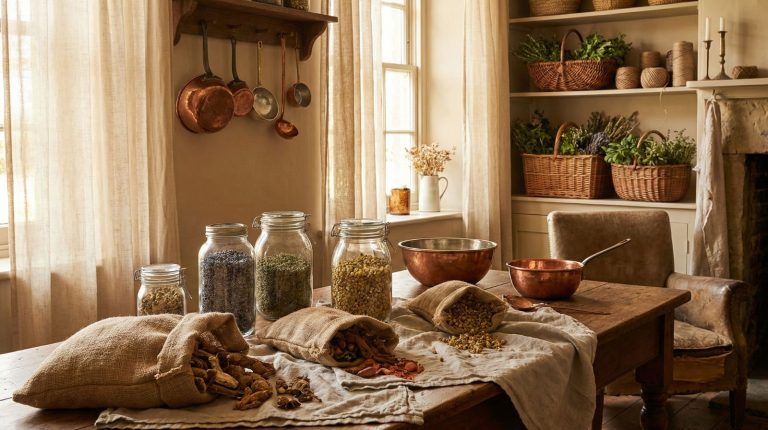
Imagine stepping outside your back door and gathering fresh medicinal leaves, petals, or roots for a remedy you’re preparing — chamomile for calming, calendula for skin healing, mint for digestion, lavender for sleep. When you grow herbal medicinal plants at home, homeopathy becomes more personal, more intuitive, and more connected to nature.
If you’ve ever wanted to create a homeopathy garden but weren’t sure where to begin, this guide will walk you through everything: choosing the right herbs, planting them, harvesting, storing, and preparing them for use.
Let’s build your healing garden — one plant at a time.
Why Grow Your Own Herbal Medicinal Plants?
Herbal medicinal plants have been used for thousands of years in traditional medicine systems — Ayurveda, Traditional Chinese Medicine, Indigenous healing, and early European herbalism. Growing them at home strengthens your homeopathy practice in three important ways:
1. Freshness = Higher Potency
Herbs lose potency the longer they sit on shelves. Homegrown herbs are vibrant and rich in active compounds — especially when harvested at the right moment.
2. Natural Synergy
Unlike isolated compounds in modern pharmaceuticals, medicinal plants contain complex mixtures of constituents that work together to support the body holistically. This is one reason they blend so beautifully with homeopathic principles.
3. Emotional & Spiritual Support
Tending to your own medicinal garden brings:
- grounding
- purpose
- connection to natural rhythms
- a daily ritual of wellness
Your garden becomes part of your healing.
Choosing the Right Plants for Homeopathy
Which plants should you grow? Start by identifying the ailments or goals you want to support. Here are some beginner-friendly medicinal plants perfect for homeopathy:
Stress & Sleep
- Chamomile
- Lavender
- Lemon balm
Digestive Support
- Peppermint
- Fennel
- Ginger
Immune Support
- Echinacea
- Thyme
- Elderflower
Skin Healing
- Calendula
- Aloe vera
- Plantain
Respiratory Health
- Mullein
- Sage
- Hyssop
Choose herbs that match your unique needs — homeopathy is most powerful when personalized.
Related Post: 7 Winter Houseplants That Heal Emotional Stress and Bloom All Season
How to Grow Herbal Medicinal Plants at Home
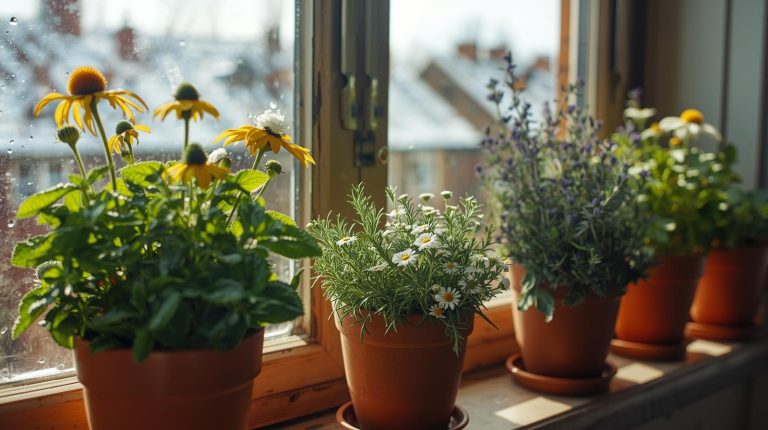
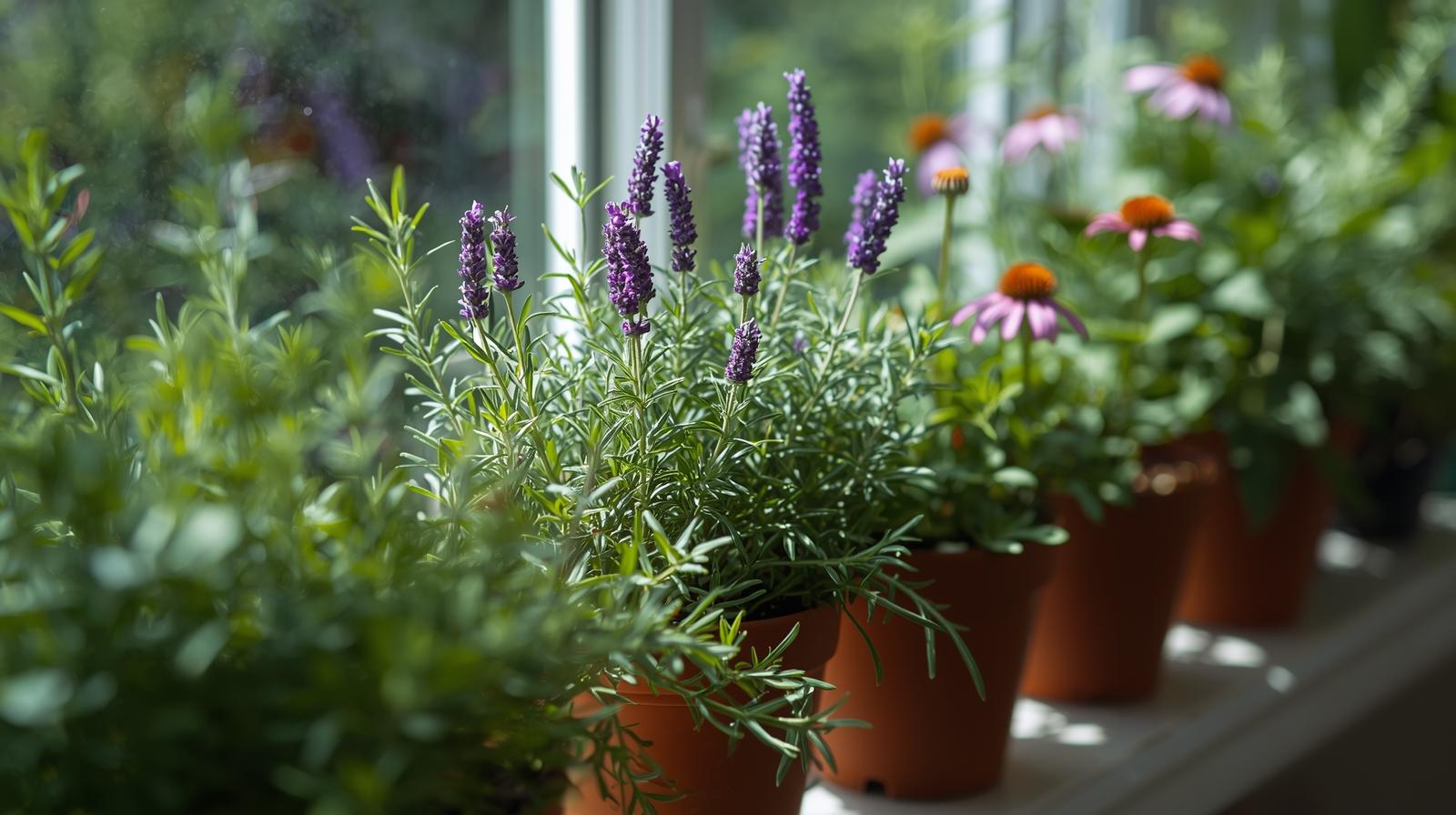
You do not need a large garden. Even a balcony or sunny kitchen window can hold a thriving medicinal herb collection.
1. Choose the Right Location
Most medicinal plants need:
- 4–6 hours of sunlight
- well-drained soil
- consistent moisture
- airflow
For indoor growing, place herbs near south or east-facing windows.
2. Soil Essentials
Use a high-quality organic potting mix or garden soil enriched with:
- compost
- worm castings
- coconut coir
- perlite for drainage
Avoid synthetic fertilizers — they reduce medicinal potency.
3. Watering
General rule:
- Keep soil evenly moist, not soggy.
- Water early morning.
- Use room-temperature water (especially for mint, basil, and calendula).
Plants like lavender or rosemary need less frequent watering.
4. Pest Prevention (Natural Solutions)
Use:
- neem spray
- insecticidal soap
- companion plants (e.g., basil deters pests)
- good airflow
Avoid chemicals — they contaminate medicinal plants.
Harvesting Your Medicinal Herbs (Timing Matters!)
Each plant has its ideal harvest window. Here are the essentials:
Leaves
Harvest in the morning, once dew dries, before sun reduces essential oils.
Examples: mint, lemon balm, sage, mullein.
Flowers
Pick when fully open but still vibrant.
Examples: chamomile, calendula, lavender.
Roots
Harvest in fall when energy stores concentrate underground.
Examples: echinacea, dandelion, burdock.
Use clean scissors to prevent damage and encourage regrowth.
Drying & Storing Your Herbal Medicines
To preserve potency:
Drying
- Tie small bundles upside down
- Hang in a cool, dark, ventilated room
- OR use a dehydrator on low settings (95°–115°F)
Storing
Once fully dry:
- remove stems
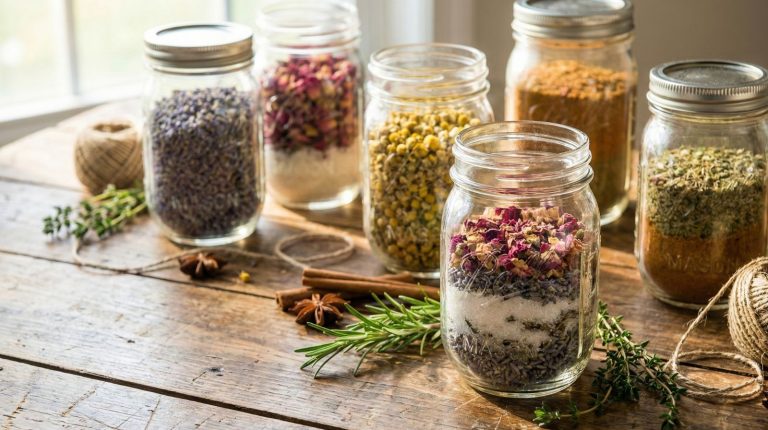
- store leaves/flowers in airtight jars
- keep jars in a cool, dark place
- label with harvest date
Properly stored herbs last 6–12 months.
Using Your Homegrown Herbs in Homeopathy
You can prepare herbal infusions and plant medicine using your homegrown herbs:
Tinctures
Herbs soaked in alcohol or glycerin to extract active compounds.
Infusions
Tea-like preparations for internal use.
Decoctions
Slow-simmered roots and barks.
Oils & Salves
For skin healing (calendula, plantain, lavender).
Mother Tinctures
The starting point for homeopathic remedies — always follow proper dilution/succussion techniques.
Final Thoughts
Growing medicinal herbs connects you deeply to your own healing. You’re not just tending plants — you’re tending your body, emotions, and energy.
When you cultivate, harvest, and use herbs intentionally, homeopathy becomes more intuitive and more powerful. Your garden becomes your medicine cabinet — alive, aromatic, and deeply supportive.
Ready to plant your first healing garden? Watch this video to learn top 10 medicinal herbs you can grow at home.