For thousands of years, the ancient world relied on the earth’s natural bounty for nourishment and healing. Long before modern pharmacology isolated the active compounds in our medicines, the people of the ancient Near East were cultivating a botanical pharmacy that sustained their physical and spiritual lives. Today, as we search for effective natural heart remedies, modern cardiovascular research is increasingly validating the wisdom found in ancient scriptures.
The intersection of ethnobotany, phytotherapy, and biblical history provides a fascinating blueprint for cardiovascular wellness. The foods and herbs mentioned in biblical texts were not chosen at random; they were foundational to the survival and vitality of the Mediterranean world.
In this guide, we will explore seven biblical plants for heart health. By examining the sacred texts where they are mentioned and uncovering the peer-reviewed science behind their efficacy, we can bridge the gap between faith-based wellness and clinical research. Whether you are looking to support healthy blood pressure, balance cholesterol levels, or simply eat more intentionally, these ancient remedies offer time-tested support for your most vital organ.
1. Olive (Olea europaea)
Biblical Reference
“A land of wheat and barley, of vines and fig trees and pomegranates, a land of olive trees and honey.” — Deuteronomy 8:8
“When the dove returned to him in the evening, there in its beak was a freshly plucked olive leaf!…” — Genesis 8:11
Historical and Traditional Use
In ancient times, the olive tree was a symbol of peace, longevity, and divine blessing. Olive oil was the cornerstone of the Mediterranean diet and the primary source of dietary fat. It was used extensively not just for culinary purposes, but as a healing balm for wounds, a moisturizer in the arid climate, and as holy anointing oil for kings and priests.
Modern Scientific Findings
Modern cardiology champions olive oil as one of the most effective ancient remedies for heart disease. Extra virgin olive oil (EVOO) is rich in monounsaturated fats (specifically oleic acid) and powerful phenolic compounds like oleuropein and hydroxytyrosol.
Studies suggest that oleuropein prevents the oxidation of LDL (bad) cholesterol—a critical early step in the development of atherosclerosis (plaque buildup in the arteries). Furthermore, the European Food Safety Authority has officially recognized the claim that olive oil polyphenols contribute to the protection of blood lipids from oxidative stress.
How to Use
- Daily Drizzle: Consume 1–2 tablespoons of high-quality, cold-pressed extra virgin olive oil daily. Use it as a finishing oil over salads, roasted vegetables, or warm bread rather than cooking it at high temperatures, which can degrade its delicate polyphenols.
- Olive Leaf Extract: Available as a supplement, olive leaf extract is heavily concentrated with oleuropein and is frequently used by herbalists to support healthy blood pressure.
2. Garlic (Allium sativum)
Biblical Reference
“We remember the fish we ate in Egypt at no cost—also the cucumbers, melons, leeks, onions and garlic.” — Numbers 11:5
Historical and Traditional Use
While the Israelites longed for it during their wilderness wanderings, the Egyptians valued garlic so highly they fed it to the laborers building the pyramids to increase their stamina and ward off illness. Throughout antiquity, garlic was known as a “poor man’s medicine,” utilized to treat everything from parasitic infections to respiratory ailments.
Modern Scientific Findings
Garlic is one of the most thoroughly researched biblical herbs for health. Its cardiovascular magic lies in an organosulfur compound called allicin. However, allicin does not exist in whole garlic; it is only formed when the clove is crushed or chewed, triggering an enzymatic reaction.
Clinical research demonstrates that allicin promotes vasodilation (the widening of blood vessels) by stimulating the production of nitric oxide and hydrogen sulfide. This mechanism significantly helps relax blood vessels, and numerous studies suggest regular garlic consumption is associated with modest reductions in blood pressure and arterial stiffness.
How to Use
- The 10-Minute Rule: To get the maximum heart-health benefits, crush or chop fresh garlic and let it sit at room temperature for 10 minutes before exposing it to heat. This pause allows the allicin to fully develop.
- Raw Integration: Mix raw, minced garlic into salad dressings, hummus, or tzatziki sauce.
3. Pomegranate (Punica granatum)
Biblical Reference
“Your temples behind your veil are like the halves of a pomegranate.” — Song of Solomon 4:3
(Also listed among the seven species of the Promised Land in Deuteronomy 8:8)
Historical and Traditional Use
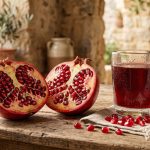
With its crown-like calyx and hundreds of ruby-red seeds (arils), the pomegranate represented fertility, royalty, and abundance in biblical literature. Images of pomegranates adorned the hem of the High Priest’s robe and the pillars of King Solomon’s Temple. Traditionally, it was used to treat digestive disorders and combat fatigue.
Modern Scientific Findings
The pomegranate is a cardiovascular powerhouse, bursting with antioxidants called punicalagins and anthocyanins. In fact, pomegranate juice has been shown to possess three times the antioxidant activity of red wine and green tea.
Peer-reviewed studies suggest that regular consumption of pomegranate juice can reduce oxidative stress, lower systolic blood pressure, and even decrease the thickness of the carotid artery walls. By protecting the endothelium (the inner lining of the blood vessels), pomegranates help keep blood flowing smoothly.
How to Use
- Seed Sprinkles: Toss fresh pomegranate arils onto oatmeal, yogurt, or savory salads for a tart, crunchy burst of flavor.
- Pure Juice: Drink 4–8 ounces of 100% pure, unsweetened pomegranate juice daily. Be mindful of added sugars in commercial blends.
4. Fig (Ficus carica)
Biblical Reference
“During Solomon’s lifetime Judah and Israel, from Dan to Beersheba, lived in safety, everyone under their own vine and under their own fig tree.” — 1 Kings 4:25
“Isaiah had said, ‘Prepare a poultice of figs and apply it to the boil, and he will recover.'” — Isaiah 38:21
Historical and Traditional Use
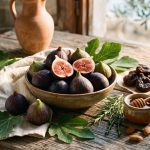
The fig tree was a symbol of peace, prosperity, and security. In the ancient world, figs were a primary source of natural sweetness and energy. Medically, they were used as poultices for skin infections and boils, and consumed to aid digestion due to their mild laxative properties.
Modern Scientific Findings
Figs are an incredibly nutrient-dense food that supports the heart via their high potassium and dietary fiber content. Potassium is a crucial mineral that counteracts the blood pressure-raising effects of sodium by relaxing the walls of the blood vessels.
Additionally, the soluble fiber found in figs (pectin) acts like a sponge in the digestive tract, binding to cholesterol and escorting it out of the body before it can enter the bloodstream. Figs also contain plant phenols that help prevent cellular damage.
How to Use
- Fresh or Dried: Enjoy 2-3 fresh figs as a snack, or use dried figs sparingly (as they are higher in concentrated sugars).
- Pairing: Pair figs with a handful of walnuts (another heart-healthy food) to balance the natural sugars with healthy fats and protein.
5. Cinnamon (Cinnamomum verum)

Biblical Reference
“Take the following fine spices: 500 shekels of liquid myrrh, half as much of fragrant cinnamon…” — Exodus 30:23
Historical and Traditional Use
Cinnamon was a precious commodity in the biblical era, often valued more highly than gold. It was a key ingredient in the sacred anointing oil used to consecrate the tabernacle and the priests. Traditional herbalists have long used it as a “warming” herb to stimulate circulation and soothe gastrointestinal upset.
Modern Scientific Findings
The active compound responsible for cinnamon’s distinct aroma and health benefits is cinnamaldehyde. While cinnamon is most famous for its ability to help regulate blood sugar—which is deeply tied to cardiovascular health—it also directly impacts the heart.
Studies suggest that daily cinnamon supplementation can lower total cholesterol, LDL cholesterol, and triglycerides, while maintaining or even increasing HDL (good) cholesterol. By improving insulin sensitivity and lipid profiles, cinnamon reduces the metabolic risk factors that often lead to heart disease.
How to Use
- Choose Ceylon: Look for “Ceylon cinnamon” (Cinnamomum verum), often called “true cinnamon.” It contains much lower levels of coumarin (a compound that can stress the liver in high doses) compared to the more common Cassia cinnamon.
- Daily Spice: Stir ½ to 1 teaspoon of cinnamon into your morning coffee, oatmeal, or smoothies.
6. Grape (Vitis vinifera)
Biblical Reference
“I am the true vine, and my Father is the gardener.” — John 15:1
“Stop drinking only water, and use a little wine because of your stomach and your frequent illnesses.” — 1 Timothy 5:23
Historical and Traditional Use
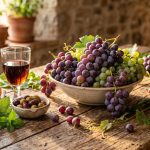
The grapevine is arguably the most culturally significant plant in biblical literature, representing joy, covenant, and the blood of life. Ancient peoples consumed grapes fresh, dried them into raisins for travel, and fermented them into wine, which served as a safer alternative to unpurified water and a solvent for herbal medicines.
Modern Scientific Findings
Grapes, particularly their skins and seeds, contain a potent polyphenol called resveratrol. This compound has been the subject of intense cardiovascular research, often cited as the explanation for the “French Paradox” (the observation that French populations have low rates of heart disease despite a diet rich in saturated fats).
Resveratrol may support the heart by enhancing endothelial function, reducing inflammation, and preventing the clumping of blood platelets, which lowers the risk of clot formation.
How to Use
- Whole Foods First: Eat organic red or purple grapes (with the skin on) to get a healthy dose of polyphenols alongside dietary fiber.
- Grape Seed Extract: For therapeutic doses of grape compounds without the sugar of juice or alcohol of wine, many natural health practitioners recommend grape seed extract.
- Moderate Wine: If you choose to drink alcohol, a small, occasional glass of dry red wine aligns with traditional Mediterranean practices.
7. Hyssop (Origanum syriacum)
Biblical Reference
“Cleanse me with hyssop, and I will be clean; wash me, and I will be whiter than snow.” — Psalm 51:7
Historical and Traditional Use
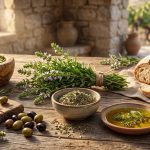
In biblical times, hyssop (translated from the Hebrew word ezov) was used for ritual purification, notably during the first Passover to paint blood on the doorframes. Botanists and historians widely agree that the biblical hyssop was likely Origanum syriacum (Syrian oregano or marjoram), a fragrant herb native to the Middle East, rather than the European Hyssopus officinalis. It was traditionally brewed as a tea for respiratory ailments and to calm the nerves.
Modern Scientific Findings
Syrian oregano is incredibly rich in rosmarinic acid and various flavonoids. These compounds exhibit profound antioxidant and anti-inflammatory effects.
By reducing oxidative stress within the cardiovascular system, the compounds found in biblical hyssop help protect the structural integrity of blood vessels. Furthermore, its traditional use to promote a sense of calm has secondary cardiovascular benefits, as stress reduction is a vital component of lowering blood pressure and preventing heart disease.
How to Use
- Za’atar Blend: Origanum syriacum is the primary ingredient in authentic Za’atar, a traditional Middle Eastern spice blend. Sprinkle Za’atar over hummus, roasted vegetables, or whole-grain breads.
- Herbal Tea: Steep dried oregano or marjoram in hot water for a soothing, antioxidant-rich evening tea.
Want to cultivate your own ancient healing remedies?
The most potent herbs are the ones you grow yourself, free from commercial pesticides and processing. If you want to transform a small patch of your backyard into a living pharmacy, I highly recommend The Medicinal Garden Kit. It includes the seeds and step-by-step guidance you need to grow 10 powerful, health-supporting plants right at home—even if you don’t have a green thumb.
Click here to see what’s inside the Medicinal Garden Kit and start your own healing garden today.
Quick-Reference Comparison Table
| Biblical Plant | Key Active Compound | Primary Cardiovascular Benefit | Key Biblical Reference |
|---|---|---|---|
| Olive | Oleuropein | Protects LDL cholesterol from oxidation | Deuteronomy 8:8 |
| Garlic | Allicin | Promotes vasodilation, relaxes blood vessels | Numbers 11:5 |
| Pomegranate | Punicalagins | Reduces arterial thickness, lowers BP | Song of Solomon 4:3 |
| Fig | Potassium, Fiber | Regulates blood pressure, binds cholesterol | 1 Kings 4:25 |
| Cinnamon | Cinnamaldehyde | Lowers triglycerides and total cholesterol | Exodus 30:23 |
| Grape | Resveratrol | Prevents platelet clumping, aids endothelium | John 15:1 |
| Hyssop | Rosmarinic Acid | Reduces oxidative stress in blood vessels | Psalm 51:7 |
Practical Tips: Creating a Biblical Heart-Healthy Diet
Incorporating heart-healthy foods from the Bible into your modern life doesn’t require living in an ancient agrarian society. Here is how you can seamlessly blend these seven plants into a daily routine:
- The Biblical Breakfast: Start your day with a bowl of steel-cut oats topped with a dash of cinnamon, fresh figs, and pomegranate arils.
- The Anointed Salad: Create a vibrant lunch salad with dark leafy greens. Dress it with a homemade vinaigrette using extra virgin olive oil, crushed garlic (remember to let it sit for 10 minutes!), and a squeeze of lemon.
- The Savory Snack: Skip the processed crackers and opt for whole-grain pita bread dipped in hummus heavily seasoned with Za’atar (hyssop) and a drizzle of olive oil.
- Mindful Consumption: Remember that biblical eating was largely plant-based, seasonal, and consumed in community. The cardiovascular benefits of these plants are amplified when paired with the biblical principles of rest (Sabbath), gratitude, and communal joy.
- Plant Your Own Healing Garden: You don’t need an ancient Mediterranean climate to grow God-given medicine. Whether you have a spacious backyard or just a few sunny windowsills, you can grow your own heart-healthy herbs. The Medicinal Garden Kit is an incredible resource that provides premium seeds and a comprehensive guide to growing and using nature’s best natural remedies. Discover how to build your at-home natural pharmacy here.
Conclusion
The pursuit of cardiovascular wellness does not have to force a choice between natural tradition and clinical science. By turning to biblical plants for heart health, we find a beautiful harmony between the two. The very plants that sustained the patriarchs, prophets, and early believers—olives, garlic, pomegranates, figs, cinnamon, grapes, and hyssop—are now celebrated in medical journals for their profound abilities to protect and nourish the human heart.
True health encompasses the body, mind, and spirit. As you begin to incorporate these biblical herbs for health into your daily routine, may they serve not only as functional medicine for your cardiovascular system but as daily reminders of the earth’s ancient, God-given provision.
Plant Your Own Healing Garden: You don’t need an ancient Mediterranean climate to grow God-given medicine. Whether you have a spacious backyard or just a few sunny windowsills, you can grow your own heart-healthy herbs. The Medicinal Garden Kit is an incredible resource that provides premium seeds and a comprehensive guide to growing and using nature’s best natural remedies. Discover how to build your at-home natural pharmacy here.
Medical Disclaimer: The information provided in this article is for educational and informational purposes only. It is not intended as a substitute for professional medical advice, diagnosis, or treatment. Always seek the advice of your physician, cardiologist, or qualified healthcare provider with any questions you may have regarding a medical condition. Never disregard professional medical advice or delay in seeking it because of something you have read here. Natural remedies can interact with prescription heart medications.
Frequently Asked Questions (FAQs)
While the Bible doesn’t use modern medical terminology, the diet of Jesus and His disciples was a traditional ancient Mediterranean diet. This consisted heavily of whole grains (like barley and wheat), fish, legumes, olive oil, figs, pomegranates, and grapes. This diet is widely recognized by modern cardiology as one of the most heart-healthy dietary patterns in the world.
Not always. While eating these plants in normal culinary amounts is generally safe, taking them in highly concentrated supplement form (such as garlic pills, olive leaf extract, or high-dose cinnamon) can interact with prescription medications. For example, garlic can act as a natural blood thinner and may interact with medications like Warfarin. Always consult your cardiologist before starting new supplements.
While no single plant or food can act as a magical “cure” or completely reverse advanced heart disease on its own, studies suggest that diets rich in these plants can significantly halt the progression of cardiovascular disease, improve blood vessel function, and manage risk factors like high blood pressure and high cholesterol when combined with a healthy lifestyle.
Usually not. The hyssop sold in Western garden centers is typically Hyssopus officinalis. However, botanical historians and biblical scholars agree that the “hyssop” of the Bible (Ezov) was almost certainly Origanum syriacum, a plant closely related to modern marjoram and oregano, which forms the base of the Middle Eastern spice blend Za’atar.