You’ve likely heard about free land programs across America, but traversing the eligibility requirements, associated costs, and application processes can feel overwhelming. Several states, including Kansas and Nebraska, currently offer legitimate opportunities, each with distinct commitments and regulations you must meet. Understanding what these programs truly demand before you commit is critical. What follows will clarify exactly where to start.
Key Takeaways
- Kansas and Nebraska lead free land programs, with Nebraska offering added cash incentives up to $25,000 and student bonuses up to $1,750.
- Eligibility requires applicants to be 18+, a U.S. citizen or permanent resident, with limited prior property ownership history.
- Hidden costs like filing fees, infrastructure development, and solar installation can range from $10,000 to over $100,000.
- Applicants must establish primary residence within 6–24 months and maintain full-time occupancy for up to five years.
- Gathering identification, proof of residency, and understanding construction timelines are essential first steps before applying.
What Is Modern Free Land and How Does It Actually Work?

Although free land programs in 2026 bear little resemblance to the original Homestead Act of 1862, they operate on a similarly straightforward exchange: towns transfer property deeds for residential or commercial lots to qualified applicants who commit to building on the land and contributing economically to the community.
Unlike the original Act, which required small fees and five-year residency proofs, today’s modern incentives prioritize immediate development and community impact through structured agreements that benefit both you and the receiving town. You’re fundamentally entering a mutual commitment, where your presence, construction investment, and economic participation help revitalize population-declining rural areas.
These programs don’t give you something for nothing; they give you land in exchange for your tangible, measurable contribution to a community’s economic future.
Which States Offer the Best Free Land Programs Right Now?
If you’re evaluating free land programs across the United States, Kansas and Nebraska consistently emerge as the top contenders, with Kansas leading the nation through active municipal programs in towns like Mankato and Marquette, while Nebraska communities such as Curtis and Elwood sweeten their offers with direct cash incentives reaching $25,000 in construction reimbursements and student bonuses up to $1,750 per child.
You’ll also find emerging opportunities in Iowa, Minnesota, and Colorado, each targeting specific demographic groups, from families and remote workers to entrepreneurs and established professionals, through coordinated economic development initiatives.
Comparing these state programs requires you to weigh variables including lot size, construction timelines, income thresholds, and bundled financial incentives, as the strongest programs combine free land with infrastructure support, waived permit fees, and direct monetary compensation.
Top States Leading
Several states have emerged as frontrunners in free land programs, with Kansas, Nebraska, Iowa, and Minnesota leading the charge in rural revitalization efforts across the Midwest. Kansas leadership remains unmatched, offering multiple towns with active residential lot programs, structured building requirements, and clear residency commitments that empower you to establish roots quickly.
Nebraska incentives go further, bundling free lots with cash bonuses and construction cost reimbursements, giving you tangible financial leverage beyond land acquisition. Midwest domination across Iowa and Minnesota reflects a coordinated regional response to population decline, with fiber-optic infrastructure investments supporting modern living needs.
Program structure across all participating states requires you to meet minimum home size standards, construction timelines, and residency commitments, ensuring these opportunities translate into genuine, lasting community investment for participants.
Comparing State Benefits
Knowing which states deliver the greatest value requires a direct comparison of incentive structures, infrastructure readiness, and construction flexibility across active programs. When you examine state comparisons between Nebraska and Kansas, you’ll find distinct program differences that affect your relocation decision greatly.
Nebraska bundles free lots with cash payments, student enrollment bonuses up to $1,750 per child, and construction reimbursements reaching $25,000, giving families multiple financial entry points. Kansas, meanwhile, offers structured timelines, waived permit fees, and minimum square footage requirements that guarantee community-wide development standards.
Nebraska’s Curtis and Elwood provide fully utility-ready lots with fiber-optic internet already installed, reducing your infrastructure barriers considerably. Kansas programs through Mankato and Marquette prioritize faster construction initiation, mandating building starts within 120 to 180 days of land allocation.
What Are the Real Costs of Claiming Free Land?
While the deed itself may cost nothing, you’ll encounter a cascade of mandatory financial obligations that can quickly transform a “free” land claim into a significant investment, encompassing filing fees, survey costs, and legal consultation expenses that collectively reach thousands of dollars before construction even begins.
Beyond these initial administrative burdens, you must account for infrastructure development costs, including well drilling, septic system installation, and utility connections, which can add $10,000–$33,000+ to your total expenditure depending on the property’s location and proximity to existing municipal systems.
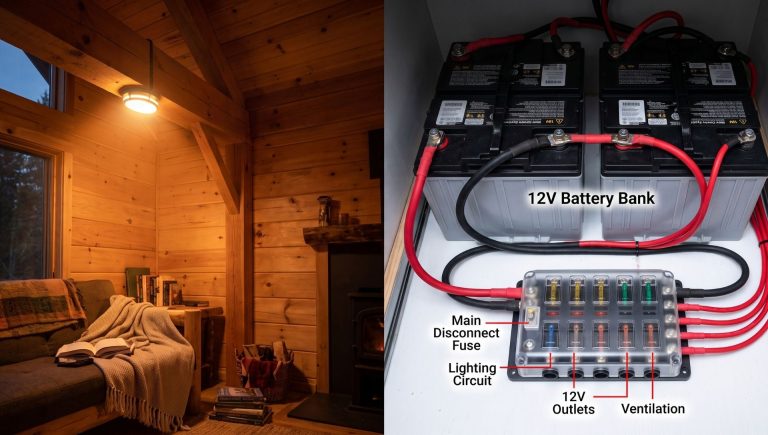
Failure to budget for these hidden costs not only jeopardizes your financial stability but also risks forfeiture of the claim itself, as timeline-based compliance requirements and construction deadlines carry penalties that negate any fees you’ve already paid. For those seeking true energy independence on their claimed land, off-grid solar installation costs range from $20,000 to over $100,000, representing yet another substantial financial commitment that must be factored into the total cost of establishing a self-sufficient homestead.
Hidden Financial Obligations
Claiming free land in Florida carries financial obligations that extend well beyond the initial acquisition, and understanding these costs is essential before committing to ownership. Property tax implications alone can reach $830 annually on a $100,000 assessed parcel, while hidden fees from HOA liabilities and CDD obligations add $500–$2,000 more.
Code violations for neglected land upkeep generate unexpected penalties reaching $500 daily, and maintenance obligations requiring quarterly clearing cost $500–$3,000 per visit. Insurance costs between $100–$300 annually remain non-negotiable, as trespasser injuries can exceed your total property value without coverage. True freedom in land ownership requires acknowledging that acquisition represents only the beginning, and that ongoing financial responsibilities determine whether ownership becomes an asset or an irreversible burden.
Beyond the Free Deed
The deed may say “free,” but the annual financial obligations that follow acquisition tell a different story, and mapping those costs before you commit separates informed ownership from an expensive mistake. Understanding these financial pitfalls protects your pursuit of genuine land ownership freedom.
Annual costs you’ll encounter include:
- Property taxes: $200–$2,000+ yearly, accruing 18% interest when unpaid
- HOA and CDD fees: Combined obligations exceeding $2,000 annually in planned communities
- Code enforcement fines: $25–$500 daily, with documented liens surpassing land value
- Vegetation maintenance: Quarterly contracts ranging $200–$2,000, essential given Florida’s rapid regrowth cycles
- Liability insurance: $100–$300 annually, covering trespasser injury exposure
These compounding obligations transform a cost-free deed into a recurring financial commitment demanding deliberate budgetary planning.
What It Actually Takes to Qualify for Free Land?

Qualifying for free land programs demands that you meet a precise matrix of eligibility criteria, spanning age thresholds, citizenship status, residency obligations, and financial benchmarks, each of which varies depending on the administering jurisdiction. You must typically be at least 18 years old, hold U.S. citizenship or permanent residency, and demonstrate no substantial prior property ownership.
The application process requires eligibility verification through income documentation, with household limits reaching approximately $129,000 for larger families in select programs. You’ll commit to establishing primary residence within 6–24 months, maintaining full-time occupancy for up to five years, and completing construction meeting minimum square footage standards within defined deadlines. These requirements collectively guarantee that land transfers serve communities genuinely seeking long-term settlement rather than speculative acquisition.
Where Can You Find and Apply for Free Land Programs?
Locating free land programs requires traversing multiple layers of government infrastructure, beginning with local government offices that serve as your most immediate and reliable entry points for current program availability. You’ll find that maneuvering through these systems strategically maximizes your chances of securing land successfully.
Key application tips and resources include:
- Visit state housing authority databases for updated property listings
- Contact city development offices for urban revitalization opportunities
- Consult county planning departments for regional program specifics
- Review state websites listing available properties with corresponding rules
- Prepare identification documents and proof of residency before submitting applications
Construction timelines, ranging from six to twelve months, alongside building completion requirements, demand careful planning, ensuring you’re positioned to meet obligations immediately upon receiving your land allocation.
Should You Uproot Your Life for Free Land?
Knowing where to apply gets you only halfway there, because the deeper question you’ll face is whether uprooting your life to pursue free land actually makes financial and personal sense for your circumstances. Construction costs alone range from $150,000 to over $400,000, meaning the life changes you’re contemplating carry substantial financial weight beyond the land’s $10,000 to $50,000 value.
Residency requirements typically demand three to five years of permanent living, community impact becomes an active obligation rather than a passive benefit, and remote work capability becomes essential since these programs concentrate in rural environments with limited urban amenities. You’ll also navigate social network disruption, inconsistent infrastructure, and timeline pressures that demand construction commence within six to twelve months of receiving your land grant.
Frequently Asked Questions
Can Non-U.S. Citizens or Permanent Residents Apply for Free Land Programs?
Yes, you can pursue land ownership as a non-citizen or permanent resident, though eligibility criteria vary considerably by jurisdiction. Federal programs typically require citizenship or filed applications, while state and local initiatives, including USDA agricultural grants and tax sale acquisitions, sometimes accept green cards as valid documentation. You’ll need to review each program’s specific requirements, as permanent residency acceptance differs considerably across municipalities and states.
What Happens to Your Land Claim if You Experience a Medical Emergency?
While medical emergencies don’t automatically void your land claim rights, they can trigger abandonment procedures if you’re absent beyond program-defined residency thresholds. You’ll need to proactively file medical emergency procedures documentation with program administrators, secure physician-certified records, and establish power of attorney arrangements before extended absences occur. Failing to communicate with authorities during your medical treatment period risks permanent forfeiture of your claim and all associated investments.
Are Free Land Lots Typically Located Near Quality Healthcare Facilities?
Yes, free land land locations typically prioritize healthcare accessibility, as towns structuring these programs conduct infrastructure assessments before launching recruitment efforts. You’ll find that communities offering free lots generally possess functional medical facilities or maintain regional hospitals within a 15-30 mile radius, since economic development offices evaluate healthcare quality as a prerequisite, ensuring that viable programs don’t launch without adequate medical infrastructure already established.
How Do Free Land Programs Affect Your Federal Income Tax Obligations?
Like a clean slate awaiting your vision, free land programs generally don’t trigger federal income tax obligations at receipt, though the tax implications extend far into your future. You’ll inherit a carryover basis tied to land valuation at transfer, potentially zero, meaning capital gains taxes apply upon sale. You must maintain thorough documentation of the property’s value at receipt, as the IRS distinguishes gifts from income under specific federal guidelines.
Can You Use Modular or Prefabricated Homes to Meet Construction Requirements?
Yes, you can use modular homes and prefabricated structures to meet construction requirements, though compliance depends on local zoning laws, building codes, and permit regulations. You’ll need to verify that your chosen structure adheres to regional building standards, secure necessary permits, and satisfy foundation requirements, since permanent placement can transform your prefab into real property, expanding your financing eligibility and long-term ownership potential.
Conclusion
You’re now equipped to navigate the free land landscape with confidence, understanding that programs in states like Kansas and Nebraska have successfully attracted over 1,000 new residents through these initiatives. Before you commit, carefully weigh the eligibility requirements, hidden costs, and lifestyle adjustments that come with relocation. If you’ve assessed these factors thoroughly and they align with your goals, taking that first step toward claiming your free land could transform your financial future.