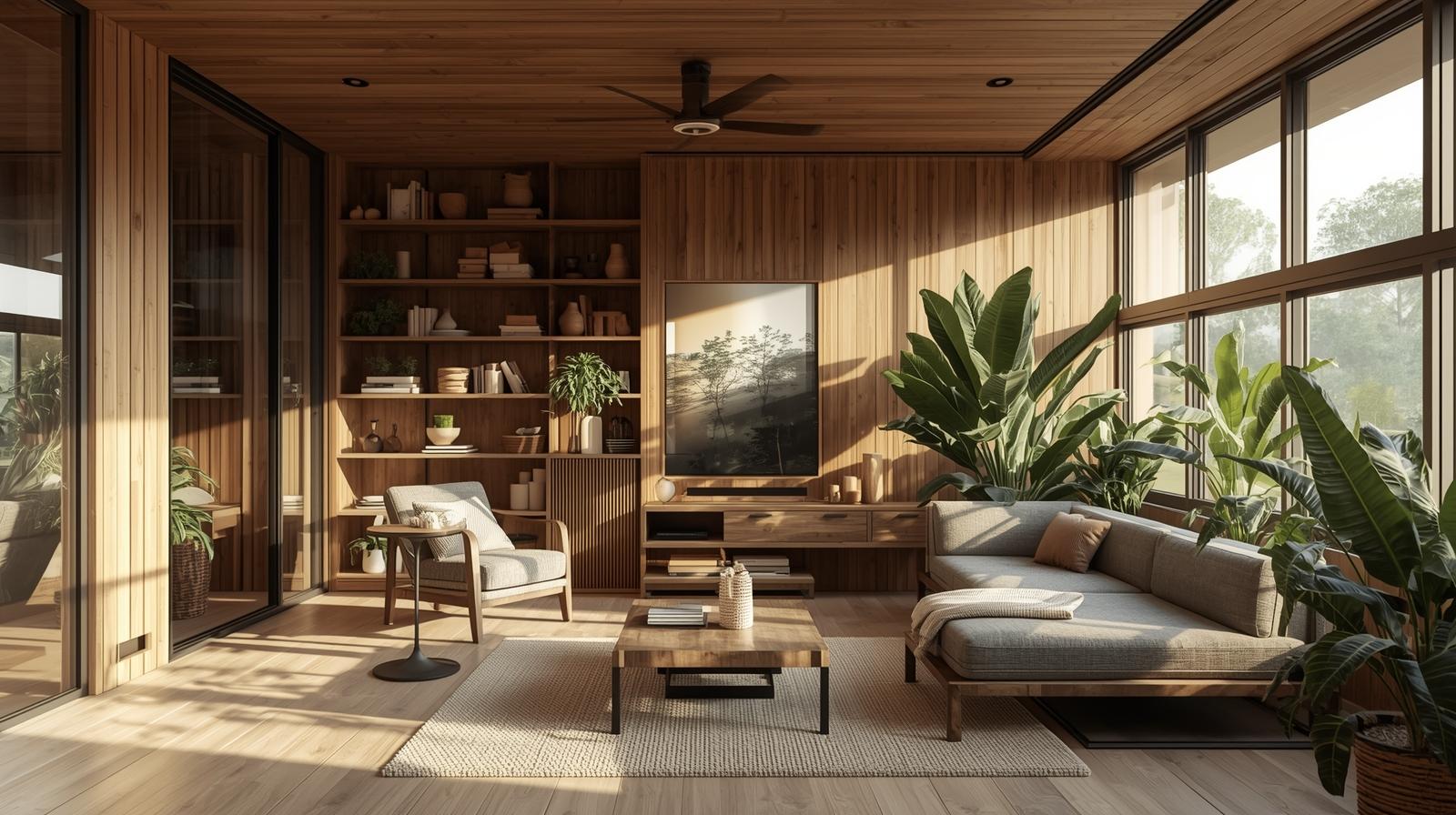
As the year winds down, many of us feel that familiar pull toward resetting our homes — clearing out old energy, nourishing our spaces, and preparing for a calmer, more intentional new year. But traditional “home improvement” often means one thing: buying more stuff. New decor, new furniture, or new containers. And (ironically) a lot of new waste.
But there’s a different approach — one that’s gaining momentum worldwide: the circular home. Unlike a linear lifestyle (buy → use → toss), a circular home focuses on reusing, repairing, repurposing, and regenerating. It’s a mindset shift that transforms your home from a waste generator into a mini ecosystem that supports you and the planet.
And the beautiful part? You don’t need a big budget or a renovation crew. Just small, mindful changes — the kind you can absolutely start today, before the year turns. Let’s walk through 10 circular upgrades you can make in the last weeks of the year that will make your home lighter, healthier, and much more sustainable.
What Exactly Is a “Circular Home”? (And Why It Matters)
A circular home is one where resources flow in loops, not straight lines.
Linear living:
Buy → Use → Throw → Repeat
Circular living:
Reuse → Repair → Repurpose → Regenerate → Sustain
This approach reduces:
- Household waste
- Consumption
- Storage clutter
- Monthly expenses
- Environmental impact
And increases:
- Creativity
- Resourcefulness
- Home harmony
- Clean indoor air
- Connection to your space
In short, a circular home = less waste, more beauty. Let’s start upgrading your home — gently, naturally, sustainably.
1. Switch to Refillable Systems (Cleaning, Soap, Shampoo)

This is one of the easiest, most impactful swaps you can make before year-end — and the difference is immediate.
Why refillable systems matter:
Most households throw away dozens of plastic bottles yearly from dish soap, shampoos, household cleaners, and handwash.
Refillables cut that waste almost to zero.
Best zero-waste options:
- Blueland (cleaners, hand soap, dish tablets)
- Ethique Bars (shampoo & conditioner concentrates)
- Meliora Cleaning Products (powdered cleaners, laundry soap)
Benefits:
- Less plastic waste
- Saves storage space
- Cleaner ingredients
- Looks beautiful on shelves
- Long-term cost savings
It’s a quick swap that instantly “circularizes” your bathroom and kitchen.
2. Repurpose Old Furniture Instead of Buying New
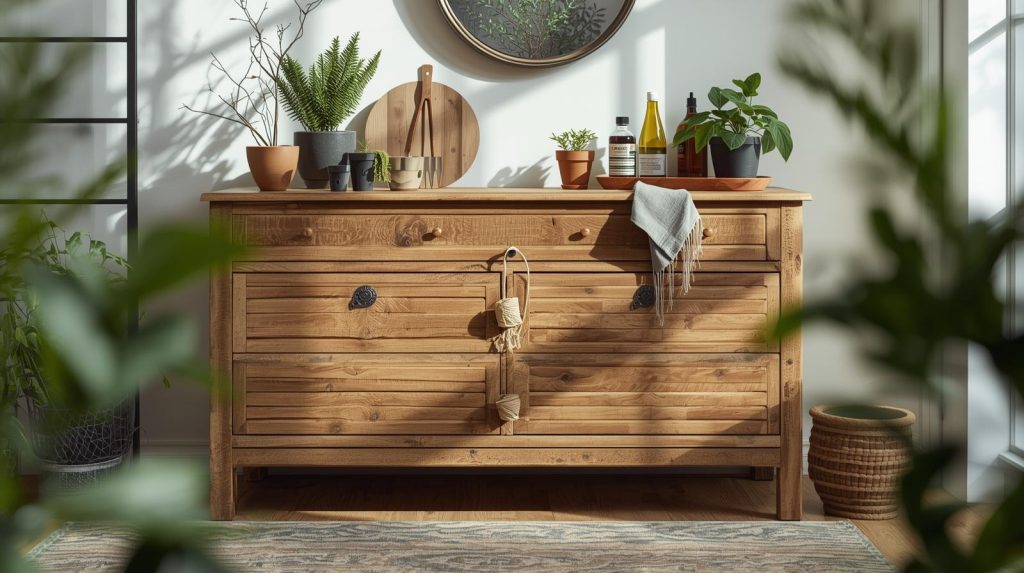
Before you click “Add to Cart” on a new furniture piece this holiday season, look around the room.
There’s probably something already there you can refresh.
Repurposing ideas:
- Turn an old dresser into a plant-care station
- Use scrap wood to build floating shelves
- Convert a damaged table into a potting bench
- Sand and paint thrifted furniture
- Replace hardware for a new look
The “second life” of a piece of furniture is often more beautiful and soulful than buying something new. Circular living encourages the question: “What can this become next?” You’d be surprised how much of your home can be renewed with a weekend project and a little intention.
No products found.
3. Create a Home Repair Station (Instead of a Replacement Habit)

Most household items don’t break — they loosen, tear, wear, crack, or chip. Easy fixes. But because most people aren’t set up for quick repairs, things get tossed instead of restored.
Build a simple repair station with:
- Non-toxic wood glue
- Fabric patches
- Sewing needles + thread
- Sandpaper
- Screwdrivers
- Small pliers
- Natural oil for wood conditioning
- Touch-up paint
Set it in a drawer or small basket. The goal? When something breaks, you fix it in 5–15 minutes… instead of buying a replacement. This one upgrade alone can save hundreds of dollars a year and dramatically reduce waste.
No products found.
4. Upgrade to Low-Energy Lighting + Small Solar Gadgets
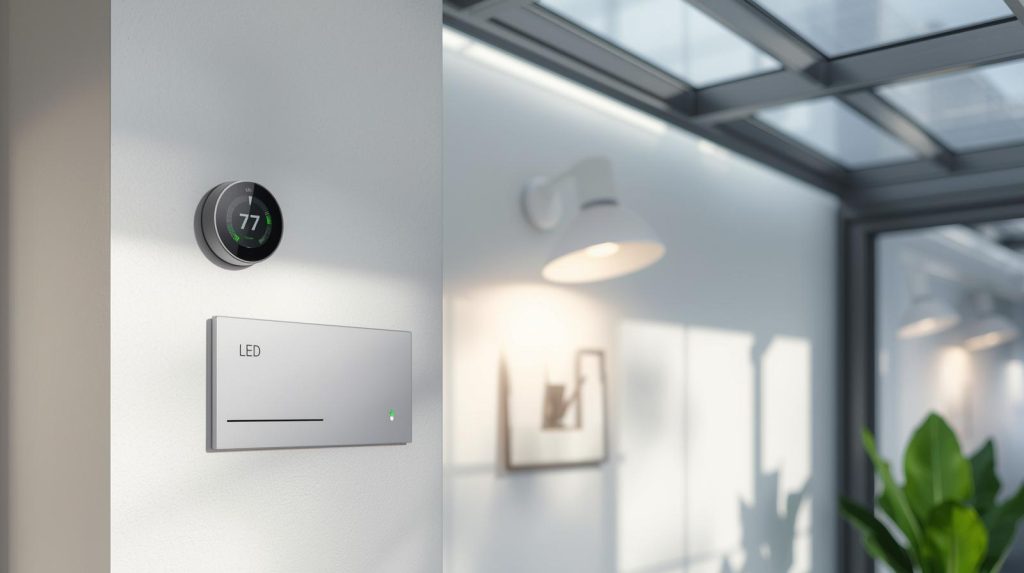
Lighting is one of the easiest places to transition into circular sustainability.
Start simple:
- Switch remaining bulbs to LEDs
- Replace outdated lamps with LED-compatible ones
- Add warm-toned LED strips in dark corners
Then add circular-tech upgrades:
- Solar window chargers
- Solar lanterns
- Solar-powered desk lamps
- Rechargeable batteries
These reduce energy consumption, lower monthly costs, and support a more energy-resilient lifestyle.
Related Post: From Sunlight to Savings: Top Solar Gadgets for a Greener Home
No products found.
5. Integrate Composting Into Your Home (Even in Winter!)

Circular homes don’t waste food — they circle it back into soil.
Even in winter, there are easy compost options:
- Indoor bokashi composting
- Worm bins (small, odorless)
- Balcony or garage compost
- Freezer compost collection for spring drop-off
Every peel, scrap, and grain becomes nourishment for the soil — not methane waste.
This is perfect timing: November/December = peak food waste season. Circular living says: waste nothing.
Related Post: Winter Composting: How to Keep the Pile Alive in the Cold
6. Zero-Waste Laundry Swaps That Last Years

Laundry is one of the most overlooked sources of waste — microplastics, plastic detergent jugs, dryer sheets, synthetic fragrances. But circular alternatives are easy.
Swap to:
- Wool dryer balls
- Refillable laundry tablets
- Concentrated powder detergent
- Laundry strips (biodegradable)
- Bamboo clothespins + drying racks
Circular laundry is:
- Cheaper
- Cleaner
- Much healthier
- Better for indoor air quality
And dryer balls alone can save 30–40% drying time — a quiet but meaningful shift toward resource efficiency.
No products found.
7. Create a “Second-Life Closet” (Upcycled Clothing Zone)

The average person wears only 20% of their wardrobe regularly.
Circular living asks:
What about the other 80%?
A second-life closet includes:
- Clothes to repair
- Clothes to dye naturally
- Clothes to repurpose into gift wrap or decor
- Clothes to cut into reusable cleaning cloths
- Clothes for seasonal rotation
This is not decluttering — it’s resource optimization. You give garments multiple lifecycles instead of sending them into landfills.
Bonus: Natural dyeing with avocado pits, onion skins, turmeric, or hibiscus is a calming slow-living ritual.
No products found.
8. Build a Circular Kitchen (Fermentation, Regrowing Scraps, Indoor Herbs)
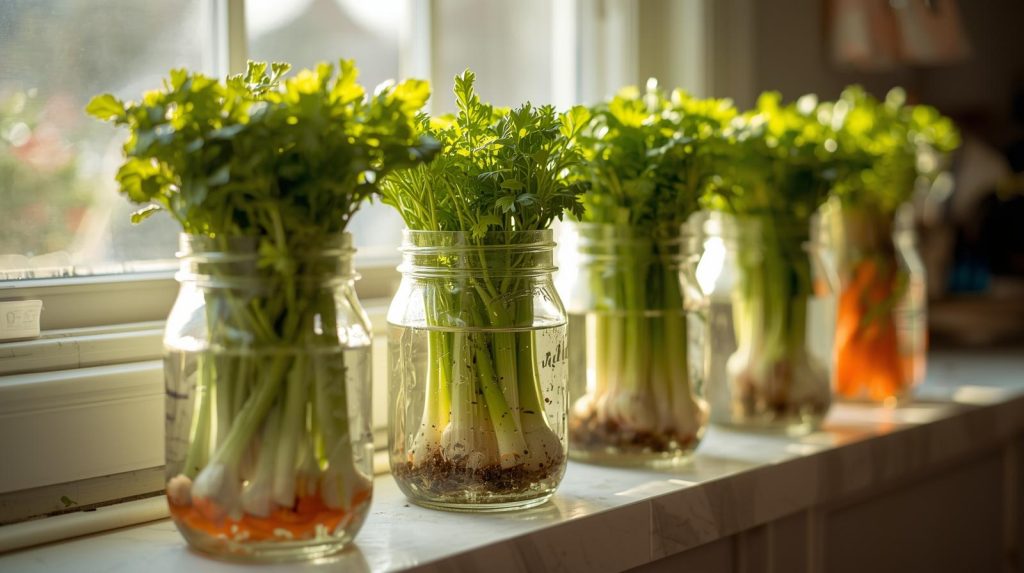
This is the most alive part of a circular home — the kitchen is where regeneration happens.
Try these circular kitchen upgrades:
- Regrow scallions, basil, celery, mint, lettuce indoors
- Save veggie scraps to make broth
- Use citrus peels in vinegar cleaners
- Start simple fermentation
- Sauerkraut
- Pickles
- Fermented garlic honey
• Freeze compost scraps for spring
• Use cloth covers instead of plastic wrap
Circular kitchens waste almost nothing — everything becomes food, medicine, cleaning solution, or soil.
Related Post: Fermentation for Beginners: Sauerkraut, Kombucha & Beyond
No products found.
9. Declutter Sustainably (Donate, Upcycle, Trade — Not Trash)
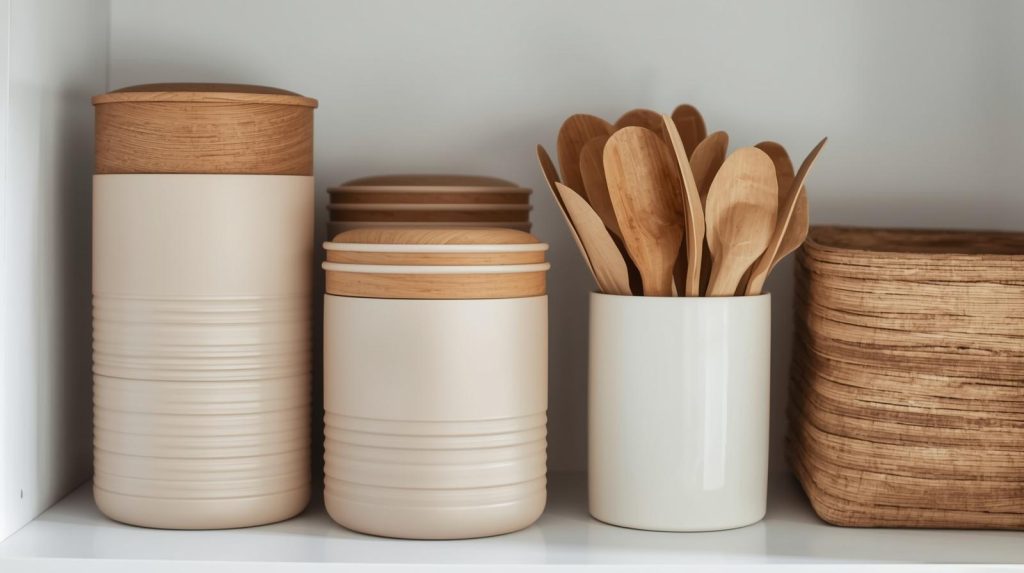
Decluttering is common at year’s end… but most people do it in the least circular way possible: bag → toss → forget. Instead, try this 4-step circular declutter:
1. Repair first
Check for tears, stains, missing screws, loose legs.
2. Repurpose second
Can a jar become storage?
A towel become a cleaning cloth?
A tin can become a plant pot?
3. Donate mindfully
Only donate items in excellent condition.
4. Trade or gift within your community
- Swap groups
- Buy-nothing Facebook groups
- Neighbourhood gifting boxes
Landfills should never be the first resort. Circular decluttering is kinder — and much more creative.
10. Mindset Upgrade: Build a Circular Habit for 2026
The most powerful upgrade is not a product — it’s a shift in perspective.
A circular home means:
- You buy slowly and intentionally
- You reuse before replacing
- You fix before discarding
- You upcycle before shopping
- You compost before trashing
- You choose materials that age well: wood, glass, metal, clay, stone
This mindset naturally reduces waste, expenses, and clutter.
Your home becomes lighter…
Your days feel calmer…
And your consumption becomes consciously aligned with your values.
This is the heart of the Green Life Zen lifestyle.
Closing — Small Shifts, Big Impact
Circular living isn’t about perfection. You don’t need a solar roof, rainwater system, or a fully zero-waste home to start. You only need one question: “What else could this become?”
A jar becomes storage, a worn shirt becomes a garland, a broken table becomes a plant stand, a food scrap becomes soil. And a home becomes a regenerative ecosystem — supporting you, your health, and the planet.
Before the year ends, try one or two of these upgrades. Then add more as they naturally fit your rhythm. Circular living is not a trend. It’s a return — to nature, intention, simplicity, and stewardship. Here’s to a home that doesn’t just look beautiful… But lives beautifully.