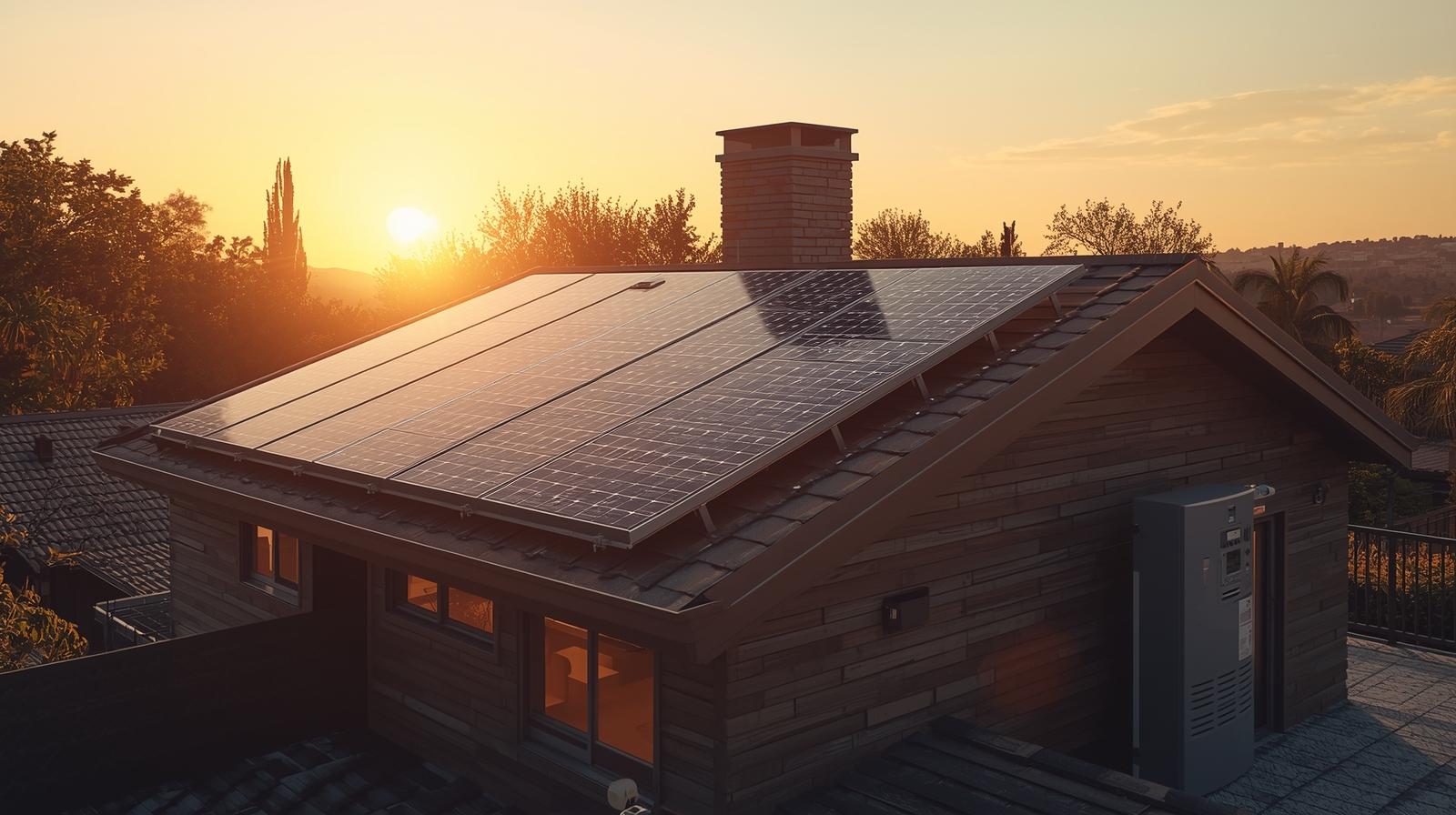
It’s 2025 — and solar power isn’t just a trend anymore, it’s a necessity. From rural cabins to sleek city homes, people everywhere are making the shift toward energy independence. But there’s one piece of the puzzle that often gets overlooked — the inverter.
Think of it as the brain of your solar system. Your panels may collect the sun’s energy, but without a reliable inverter to convert that DC current into usable AC power, your setup is just a sunbathing roof.
Choosing the right inverter can make or break your system’s efficiency, safety, and long-term performance. So today, we’ll break down the Top 5 Solar Inverters of 2025, comparing their features, real-world performance, and ideal home fit — from off-grid cabins to smart urban homes.
What Does a Solar Inverter Actually Do?
A solar inverter converts the direct current (DC) electricity produced by your solar panels into alternating current (AC), which powers your lights, appliances, and devices.
But not all inverters are built the same. There are three main types, and knowing which fits your setup can save you money and headaches:
- String Inverters: The most common and affordable. All panels feed into one inverter.
- ✅ Best for open roofs with consistent sunlight.
- Microinverters: Each panel has its own inverter for maximum efficiency.
- ✅ Best for partially shaded roofs or complex layouts.
- Hybrid Inverters: Manage both solar panels and battery systems in one device.
- ✅ Best for off-grid or backup power setups.
💡 Quick fact: A well-matched inverter can improve your overall solar efficiency by up to 30%.
Key Features to Look For in 2025
Before we jump into product picks, here’s a quick buyer’s guide to help you filter the best from the rest:
1. Efficiency
Look for inverters rated 96–99% efficiency. Every percent lost here is wasted potential sunlight.
2. Battery Compatibility
If you’re planning to add storage or go off-grid, a hybrid-ready inverter is essential.
3. Smart Connectivity
Wi-Fi or app integration lets you track energy output, monitor performance, and troubleshoot from anywhere.
4. Durability & Climate Tolerance
For tropical or humid regions, choose IP65+ waterproof inverters that withstand heat and rain.
5. Warranty & Brand Support
A 10–12 year warranty is a good standard. A strong after-sales network is worth paying for.
💬 Pro Tip: Always check for grid certification to qualify for local rebates and ensure safe installation.
No products found.
Top 5 Solar Inverters of 2025
Here’s our carefully curated list of the best-performing inverters this year — tested for efficiency, reliability, smart features, and user satisfaction.
#1. SolarEdge Home Wave HD-Wave Inverter — Editor’s Choice
Type: Hybrid | Efficiency: 99% | Warranty: 12 years
If you’re looking for the Tesla of solar inverters, this is it. SolarEdge’s HD-Wave series continues to dominate the market with ultra-high efficiency, built-in monitoring, and seamless battery integration.
Why it shines:
- HD-Wave technology for smoother DC to AC conversion.
- Ready for EV charger integration.
- Smart energy management via SolarEdge app.
- Compatible with both new and existing battery systems.
Pros:
✅ Industry-leading 99% efficiency
✅ Beautiful interface with real-time insights
✅ Scalable for future expansion
Cons:
❌ Slightly higher upfront cost
❌ Professional installation required
Best for: Tech-savvy homeowners who want to future-proof their solar system.
💡 SolarEdge Home Wave HD-Wave Inverter (2025 Edition)
Efficient. Intelligent. Built to last.
→ Check Current Price & Availability Here
#2. Growatt MIN 5000TL-X — Budget-Friendly Powerhouse
Type: String | Efficiency: 97% | Warranty: 5 years (extendable)
Growatt is the go-to brand for homeowners who want reliability without breaking the bank. Their 5000TL-X series packs impressive performance for its price range.
Highlights:
- Dual MPPT trackers for multiple roof angles.
- Compact, lightweight design for easy wall mounting.
- Built-in Wi-Fi monitoring app.
Pros:
✅ Excellent value for money
✅ Simple installation and low maintenance
✅ Whisper-quiet operation
Cons:
❌ Shorter warranty than premium models
❌ Not ideal for large off-grid setups
Best for: First-time solar users or rental homes needing dependable performance.
💡 Growatt MIN 5000TL-X Solar Inverter
Budget-friendly, high-efficiency inverter with dual MPPT optimization.
→ View Specs & Price
#3. Enphase IQ8 Microinverter — The Modular Genius
Type: Micro | Efficiency: 98% | Warranty: 25 years
If you want maximum flexibility and panel-level optimization, Enphase IQ8 stands out. It’s designed to eliminate single points of failure and boost performance, even when some panels are shaded.
Highlights:
- Microinverter per panel for independent energy production.
- Works seamlessly with Enphase’s Enlighten app.
- Grid-forming technology — works even during outages (with battery).
Pros:
✅ Modular and scalable
✅ Long 25-year warranty
✅ Ideal for complex or shaded roofs
Cons:
❌ Higher cost for large installations
❌ Requires professional pairing setup
Best for: Homeowners expanding solar systems or adding panels in stages.
💡 Enphase IQ8 Microinverter System
Scalable, smart, and resilient — perfect for long-term solar growth.
→ See Product Details
#4. Huawei SUN2000-L1 Hybrid Inverter — Smart Meets Sleek
Type: Hybrid | Efficiency: 98.4% | Warranty: 10 years
Huawei brings its smart tech expertise to solar with the SUN2000-L1 — a hybrid inverter that looks good and performs even better.
Highlights:
- AI-based arc fault detection for safety.
- Compatible with Huawei Luna battery systems.
- Sleek, compact design ideal for small spaces.
Pros:
✅ Smart connectivity and monitoring
✅ Excellent safety features
✅ Minimal noise operation
Cons:
❌ Works best with Huawei batteries
❌ Smaller capacity options
Best for: Urban households and smart home enthusiasts.
Affiliate Callout Box:
💡 Huawei SUN2000-L1 Smart Hybrid Inverter
Modern design, advanced safety, and reliable hybrid performance.
→ Check Price & Compatibility
#5. SMA Sunny Boy 5.0 — German Reliability
Type: String | Efficiency: 97% | Warranty: 10 years
A classic in solar technology, SMA continues to deliver rock-solid German engineering. The Sunny Boy 5.0 is built for reliability and longevity.
Highlights:
- Passive cooling (no fans = silent).
- Integrated SMA Smart Connected monitoring.
- Wide input range for different panel setups.
Pros:
✅ Long-lasting performance
✅ Excellent safety track record
✅ Easy setup with strong global support
Cons:
❌ Premium price for a string inverter
❌ Slightly bulkier form factor
Best for: Homeowners who prioritize durability and proven performance.
Affiliate Callout Box:
💡 SMA Sunny Boy 5.0 Inverter
Reliable, efficient, and built to last — trusted by installers worldwide.
→ See Details & Customer Reviews
Comparison Table — The Quick Decision Matrix
| Rank | Model | Type | Efficiency | Battery Ready | Ideal For | Price Range (USD) |
|---|---|---|---|---|---|---|
| #1 | SolarEdge HD-Wave | Hybrid | 99% | ✅ | Smart Homes | $1,500–$2,000 |
| #2 | Growatt 5000TL-X | String | 97% | ⚡ Partial | Budget Users | $800–$1,200 |
| #3 | Enphase IQ8 | Micro | 98% | ✅ | Complex Roofs | $1,200–$2,500 |
| #4 | Huawei SUN2000-L1 | Hybrid | 98.4% | ✅ | Urban Homes | $1,000–$1,600 |
| #5 | SMA Sunny Boy 5.0 | String | 97% | ⚡ Partial | Mid-size Homes | $1,100–$1,700 |
No products found.
How to Choose the Right Solar Inverter for Your Home
1️⃣ Know Your Energy Profile
Calculate your average daily kWh usage and match inverter size accordingly.
2️⃣ Check Compatibility
Ensure voltage and capacity align with your panel array and battery (if using).
3️⃣ Consider Your Climate
In tropical or humid regions, prioritize IP65 or IP66 waterproof ratings and heat-tolerant designs.
4️⃣ Future-Proof It
Choose hybrid or expandable systems. You might not need a battery now, but you’ll thank yourself later when energy prices rise.
💬 Pro Tip: Buying an inverter that supports modular expansion is smarter than buying one you’ll outgrow in three years.
Maintenance & Monitoring Made Easy
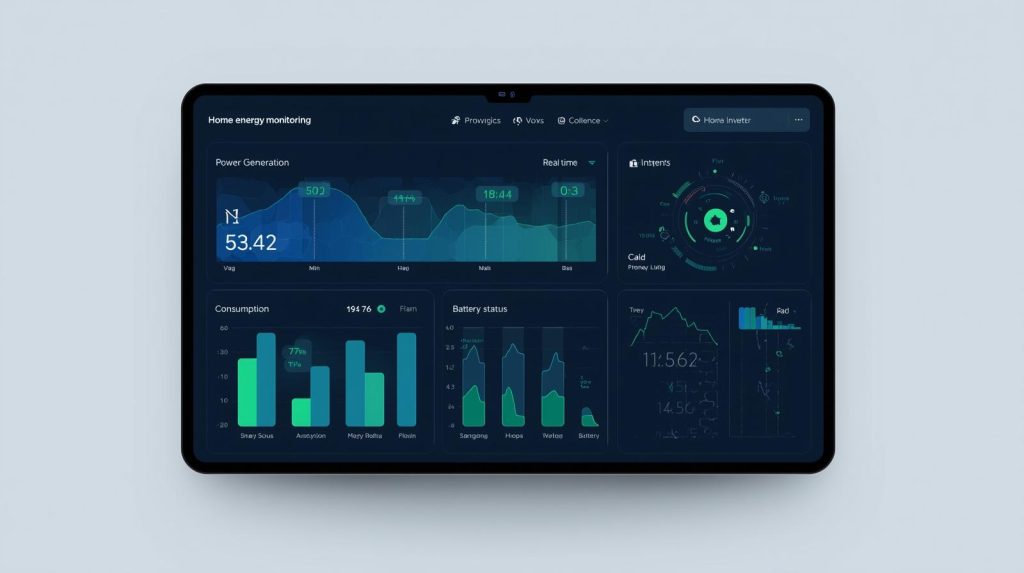
- Most modern inverters come with cloud-based dashboards showing power generation, export rates, and alerts.
- Keep your inverter shaded, dust-free, and ventilated.
- Inspect once every six months for debris, rust, or corrosion.
- Expected lifespan: 10–15 years (microinverters can exceed 20).
💡 Quick Note: Regular updates via mobile apps can notify you of minor issues before they become major repairs.
Final Thoughts — Invest Once, Benefit for Decades
A solar inverter is much more than just a box of electronics — it’s your system’s translator, protector, and optimizer. Choosing the right one means your panels will perform at their full potential for decades.
Whether you’re starting small or building a fully integrated solar-battery home, the models above represent the best in class for 2025 — efficient, reliable, and ready for the future of clean energy.
Because when you invest in smart solar tech, you’re not just powering your home — you’re powering a sustainable tomorrow.
No products found.