When a severe winter storm or summer grid failure knocks out neighborhood electricity, older homeowners face unique safety challenges that standard emergency guides completely overlook.
A traditional gasoline generator weighs 90 to 150 pounds, requires yanking a stiff recoil pull-cord in freezing weather, demands hauling heavy 5-gallon gas cans, and emits deadly, odorless carbon monoxide fumes if wheeled anywhere near a porch or garage. Meanwhile, commercial whole-house standby generators cost $12,000 to $20,000+—an impossible expense on a fixed retirement income.
You shouldn’t have to risk your back or your health just to keep hallway lights on, keep your cell phone charged to reach family, or run a bedside fan during a power outage. The best budget backup power for seniors relies on safe, low-voltage 12-Volt DC setups that weigh under 12 pounds, operate silently indoors with zero fumes, and cost under $250 all-in.
In this senior-friendly outage readiness guide, we compare 4 safe, low-voltage backup power options, explain how to keep a bedside CPAP machine running overnight on a budget, and review why The Energy Revolution System has become a favorite indoor tabletop project for retired hobbyists looking to cut monthly electric bills.
Affiliate & Editorial Disclosure: This guide and review contains affiliate links. If you purchase through our links, we may earn a commission at no extra cost to you. All performance assertions made by the vendor of The Energy Revolution System are treated as experimental DIY claims; we do not guarantee specific electricity bill reductions. Any downloadable blueprints referenced on this page are digital PDF and video instructions—physical hardware components are purchased separately.
Why Gas Generators & Heavy Solar Racks Fail Older Homeowners
Before spending a dollar on emergency gear, eliminate any backup option that creates physical or safety hazards during a storm:
- No Pull-Cords or Heavy Fuel Cans: Gasoline goes stale in 30 to 60 days, gumming up carburetors right when you need power most, and lifting heavy fuel jugs in dark, icy conditions is a major fall risk.
- Zero Carbon Monoxide Risk: Every year, tragic carbon monoxide poisonings occur when homeowners run fuel generators inside garages or too close to open windows. 12-Volt DC battery and coil systems produce zero exhaust, making them 100% safe to keep right on a kitchen counter, utility shelf, or bedside table.
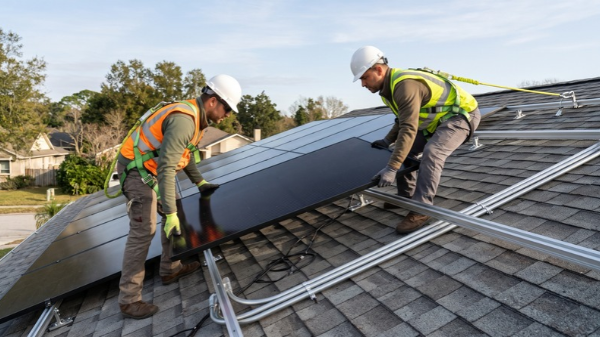
- No Climbing Ladders or Hauling Heavy Solar Frames: As we noted in our Energy Revolution System vs. Backyard Revolution comparison, outdoor wooden solar racks require sawing heavy pressure-treated lumber and repositioning frames in the yard—whereas indoor 12V micro-power setups stay comfortably inside your climate-controlled home year-round.
Quick Comparison: 4 Safe, Lightweight Backup Setups Under $250
| Backup Power Option | Total Cost | Weight & Handling | Recharges Indoors During Storm? | Best Senior Outage Use Case |
|---|---|---|---|---|
| 1. The Energy Revolution System (Tabletop 12V Build + Audit) | $111 – $186 ($39 PDF + ~$72–$147 parts) | ~6 – 9 lbs total (Fits in small plastic enclosure) | Yes (24/7 Indoors) | Best for Retired DIYers: Safe tabletop project for LED lighting, phone charging + lower monthly electric bills |
| 2. Entry-Level 250Wh–288Wh LiFePO4 Power Station | $189 – $230 (e.g., EcoFlow River 2 / Bluetti Elite 30) | ~7.7 – 9.5 lbs (Built-in carry handle) | No (Requires wall outlet or external solar) | Best Zero-Assembly Pick: Push-button box for phones, lamps, and 1-night CPAP backup |
| 3. Plug-In Automatic LED Emergency Nightlights (6-Pack) | $35 – $50 (6-pack of wall-plug blackout lights) | 4 oz per unit (Plugs directly into wall outlets) | Auto-charges when grid power is normal | Best Fall-Prevention Essential: Turns on automatically the instant power fails so hallways stay lit |
| 4. Dedicated 12V Mini UPS for Wi-Fi & Medical Alert Base | $38 – $55 (Inline 12V DC battery backup) | Under 1 lb (Sits behind router) | Auto-charges from wall outlet | Best for Staying Connected: Keeps Wi-Fi, cordless landline base, and medical alert systems online 6–10 hrs |
#1. The Energy Revolution System (Safe 12V Tabletop Project + Efficiency Audit) — $111 to $186 All-In
For retired tinkerers, woodworkers, and lifelong DIYers who enjoy hands-on tabletop projects—and want a practical way to trim wasted kilowatt-hours off a fixed monthly utility budget—The Energy Revolution System ranks #1 in our Best DIY Home Energy Guides for Beginners review.
Instead of dealing with dangerous 120V household wiring or outdoor roof ladders, this digital blueprint ($39 for the 47-page illustrated PDF manual and 2-hour video walkthrough series) guides you through building a low-voltage 12-Volt DC electromagnetic trickle-charging circuit inspired by Nikola Tesla’s 1894 flat spiral bifilar coil (US Patent 512,340).
Why Older Homeowners Appreciate This Project
- 100% Safe Low-Voltage Tabletop Work: You wind two parallel strands of thin enameled copper magnet wire onto a flat acrylic disk at your kitchen table or workbench, connect simple screw-down terminals, and house everything inside a lightweight plastic enclosure (see our itemized Energy Revolution System materials list and cost review).
- Quiet, Indoor Outage Readiness: When wired into a small 12V buffer battery, your enclosed tabletop setup provides a continuous 12W to 18W DC trickle charge indoors—keeping essential outage micro-loads like bright 12V LED room strips, cell phones, and an emergency weather radio running without fumes, noise, or sunlight.
- Immediate Relief on Monthly Electric Bills: While no small workbench project will power a whole-house central air conditioner, the manual’s Household Phantom-Load Reduction Guide (featured in our guide to lowering your electric bill without solar panels) shows you how to eliminate 60W to 100W of hidden standby power waste—saving $20 to $35 every month on your regular utility bill.
- 60-Day ClickBank Money-Back Guarantee: You can download the large-print PDF schematics and watch the clear, step-by-step video lessons on your computer or tablet today, and take a full 60 days to inspect the project—or request a 100% refund with zero hassle.
Click Here to Download The Energy Revolution System Blueprints (Backed by 60-Day Guarantee)
#2. Lightweight 250Wh–288Wh LiFePO4 Portable Power Station — Best Push-Button Option ($189–$230)
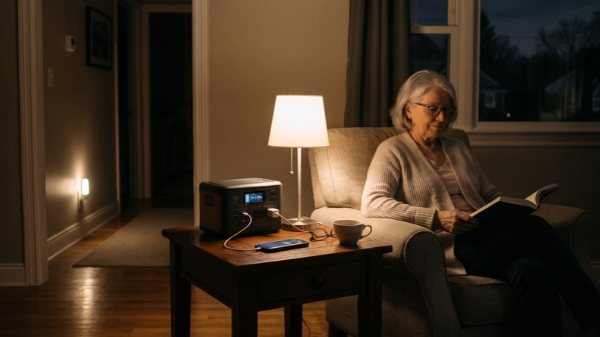
If arthritis, vision changes, or lack of tools make stripping copper wire unappealing, an entry-level LiFePO4 (Lithium Iron Phosphate) portable power station—such as the EcoFlow River 2 (7.7 lbs, ~$189) or Bluetti Elite 30 V2 (9.5 lbs, ~$219)—is the easiest push-button backup box on the market.
- Why LiFePO4 Battery Chemistry Matters for Seniors: Older lithium-ion power banks degrade after 500 charge cycles and require strict temperature care. Modern LiFePO4 cells last 3,000+ charge cycles (10+ years of standby readiness), can sit plugged into a wall outlet safely for months, and feature simple, bright front buttons with large digital battery-percentage readouts.
- What It Powers: Keeps a smartphone charged for two weeks, powers a 5W LED table lamp for 40+ hours, or runs a bedside cooling fan all night long.
- The One Limitation: As we noted in our Portable Power Station vs. DIY Backup Generator review, these units are pure storage boxes—once the 250Wh battery drains on Day 2 of a long blackout, it cannot recharge itself without grid power or an external solar panel.
#3. Plug-In Automatic LED Emergency Flashlights — Best Fall-Prevention Upgrade ($35–$50)
For older adults, the most dangerous moment of a nighttime power outage is the first 60 seconds when every hallway, bathroom, and staircase plunges into pitch darkness.
Before buying any generator or battery station, plug a $40 6-pack of rechargeable automatic LED blackout lights into wall outlets in your bedroom, hallway, bathroom, and kitchen:
- How They Work: During normal days, they act as soft dusk-to-dawn nightlights while keeping their internal rechargeable batteries topped off. The exact millisecond the power goes out, all six lights automatically switch to bright emergency flood mode, lighting up your path to safety so you never trip in the dark hunting for a flashlight.
- Bonus Feature: You can unplug any unit from the wall and fold in the prongs to carry it around the house as a lightweight handheld flashlight.
#4. Dedicated 12V Mini DC UPS for Wi-Fi & Landline/Medical Alert Base ($38–$55)
Many seniors rely on VoIP digital home phone lines, Wi-Fi calling, or in-home medical alert base stations that plug into a standard wall outlet. When the power goes out, those communication lifelines go dead unless they have battery backup.
Plugging a $42 Mini 12V DC Uninterruptible Power Supply (UPS) between the wall outlet and your Wi-Fi router or medical alert base station keeps your phone and internet active seamlessly for 6 to 10 hours with zero buttons to press.
Crucial Tip for CPAP Users: How to Double Your Battery Runtime During a Blackout
If you use a CPAP or BiPAP machine at night, you do not need a $1,000 generator to sleep safely during a power outage—you just need to change two settings before bed:
- Turn OFF the Heated Humidifier and Heated Hose: A CPAP blower motor by itself only draws 25 to 35 Watts—meaning a compact 250Wh–300Wh battery will run it for a full 7 to 9 hours of sleep. However, turning on the heated water chamber jumps the power draw to 85–110 Watts, draining that exact same battery in under 2.5 hours!
- Use a 12V DC CPAP Cord Instead of the 120V AC Wall Plug: Plugging your CPAP into the 120V AC outlet on a small power station wastes 15% to 20% of your battery capacity converting DC power to AC and right back to DC inside the CPAP brick. Ordering a $25 12V DC car/battery adapter cord for your specific CPAP model (ResMed AirSense 10/11 or Philips DreamStation) plugs straight into a 12V socket and stretches your overnight runtime by nearly 2 extra hours.
3 Simple Safety Habits for Stress-Free Outage Readiness
- Keep Your Backup Gear Waist-High: Store your 12V battery box, portable power station, and flashlights on a waist-high pantry shelf or sturdy bedside table—never on a high closet shelf you have to reach for or on a basement floor.
- Check Charge Levels on the 1st of Every Month: Put a sticky note on your calendar to check your 12V buffer battery or power station once a month so it is always sitting at 90%–100% readiness.
- Never Use Candles or Indoor Propane Heaters: Pair your safe 12V LED lighting with extra wool blankets and warm layers rather than open flames or unvented combustion heaters.
Final Verdict: Peace of Mind Without Heavy Lifting or High Costs
You don’t need a loud, heavy gasoline generator or a $15,000 solar installation to stay safe, comfortable, and connected when the grid goes down. By placing automatic LED blackout lights in your hallways, backing up your router with a mini DC UPS, and building a lightweight 12V tabletop micro-power station, you can weather multi-day outages safely inside your home for well under $200.
If you enjoy hands-on projects and want a step-by-step blueprint that pairs a safe, low-voltage 12V bifilar coil build with practical household energy-saving habits that trim $20 to $35 off your monthly electric bill, download The Energy Revolution System ($39) today—completely protected by ClickBank’s 60-day money-back guarantee.
Click Here to Download The Energy Revolution System Blueprints Risk-Free (60-Day Guarantee)