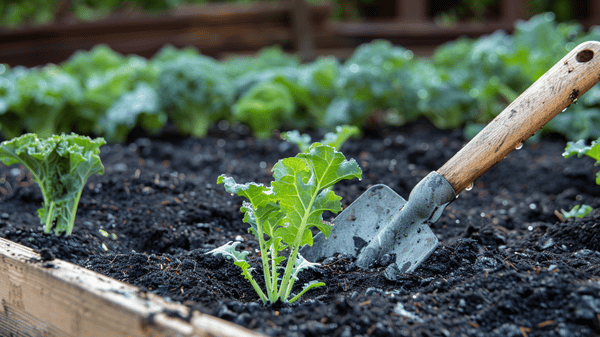
July isn’t the end of your gardening season — it’s the start of a second one. By planting cool-season crops like broccoli, kale, and carrots now, you’re timing their growth to peak during September and October’s ideal temperatures. Count backward from your first frost date using each crop’s “days to maturity,” and you’ll extend your harvest well into fall. Stick around, and you’ll discover exactly which crops to plant and when.
Key Takeaways
- July planting aligns broccoli, kale, and carrots with ideal September and October cool growing conditions, maximizing fall harvest potential.
- Calculating backward from your first frost date ensures crops like broccoli have full 65 days to mature.
- Frost exposure naturally sweetens kale and carrots, making July-started plants more flavorful by harvest time.
- Broccoli thrives between 65°F and 75°F, making fall growth superior to struggling through summer’s intense heat.
- July planting extends your productive garden season well into fall and early winter, maximizing overall yield.
Why July Isn’t the End (It’s a Second Spring)
Many gardeners mistakenly treat July as the tail end of the planting season, but it’s actually an ideal time to begin a second wave of productive gardening, particularly for cool-season crops that thrive as summer’s intense heat begins to wane.
Mid summer planting offers you a strategic advantage, as cooling autumn temperatures create favorable growing conditions for cold-tolerant vegetables. You shouldn’t overlook this window, because seasonal rejuvenation allows your garden to produce abundant harvests well into fall and even early winter.
When you calculate planting dates backward from your region’s first expected frost, you’ll discover that July provides sufficient growing time for broccoli, kale, and carrots to reach full maturity before temperatures drop to damaging levels. Practicing crop rotation between seasons also helps prevent disease buildup in your soil and keeps your garden more productive with each successive planting.
The One Trick: Counting Backward From Frost
Calculating your planting window backward from your region’s first expected frost date is the single most reliable method for determining whether a given crop can reach maturity before cold weather sets in. You’ll find this frost dates information on resources like the USDA Plant Hardiness Zone Map or your local cooperative extension service.
Once you’ve identified your first expected frost date, check the seed packet’s “days to maturity” figure, then count backward by that number of days from your frost date. This calculation defines your planting timeline precisely. For example, if broccoli requires 65 days to mature and your first frost arrives October 1, you must plant no later than late July to guarantee a full, successful harvest.
1. Bush Beans (Fastest Reward + Free Nitrogen)
Bush beans rank among the most rewarding vegetables you can add to a late-summer garden, as they’re capable of producing a harvestable crop in as few as 50 to 60 days from direct sowing, making them one of the fastest-maturing options available when your planting window is narrow.
Beyond their speed, bush beans deliver meaningful nitrogen benefits by fixing atmospheric nitrogen into the soil through their root nodules, which improves fertility for subsequent plantings. Their compact, bushy growth habit also contributes to pest resistance, as the dense foliage structure limits the movement and feeding access of common insects.
You should sow seeds directly into well-drained soil at a depth of one inch, spacing them approximately four inches apart, watering consistently to maintain even soil moisture throughout germination.
2. Zucchini (Beat the Squash Vine Borer)
While bush beans offer a straightforward growing experience with minimal pest pressure, zucchini presents a more complex challenge in late-summer gardens, primarily because of the squash vine borer, a moth larva that tunnels into the base of squash stems and kills plants from the inside out. Planting zucchini in mid-July allows you to sidestep peak borer activity, which typically occurs earlier in the season.
| Zucchini Pests | Organic Prevention |
|---|---|
| Squash vine borer | Delay planting until July |
| Aphids | Neem oil application |
| Cucumber beetles | Row cover installation |
You’ll want to monitor stems weekly, removing egg clusters immediately. Applying diatomaceous earth around the base reinforces organic prevention efforts, reducing larval establishment before your plants reach productive maturity. Using a well-draining potting mix in container-grown zucchini also supports stronger root systems, making plants more resilient against pest-related stress throughout the growing season.
3. Cucumbers (Warm Soil = Fast Second Crop)
Cucumbers thrive as a second crop when soil temperatures consistently exceed 70°F, a condition that mid-summer gardens naturally satisfy, allowing seeds to germinate within three to five days rather than the ten or more days typical of cooler spring soil.
You’ll want to practice crop rotation by avoiding beds where cucumbers, squash, or melons grew previously, as this reduces disease and pest pressure considerably. Select a compact or bush variety, which matures in fifty to sixty days, ensuring harvest before your first fall frost.
Direct-sow seeds one inch deep, spacing them six inches apart in rows three feet wide. Consistent moisture during germination and early growth remains critical, so you’ll need to water deeply every two to three days throughout establishment.
4. Carrots (Frost Makes Them Sweeter)
Carrots represent one of the most rewarding fall crops you can grow, as light frosts actually convert the starches within the roots into sugars, producing a noticeably sweeter flavor than spring-harvested specimens deliver. When you plant in July, you’ll time the harvest for late October or November, when cooler temperatures trigger this natural flavor improvement within the roots.
Select carrot varieties such as ‘Scarlet Nantes,’ ‘Autumn King,’ or ‘Bolero,’ which demonstrate strong cold tolerance and reliable sweetness development under frost exposure. You’ll want to sow seeds approximately ¼ inch deep in loose, well-draining soil, thinning seedlings to three inches apart once they reach two inches tall, ensuring adequate root development before temperatures consistently drop below freezing.
Check Out Our Organic Summer Seed Collection Here.
5. Beets (Two Harvests in One)
Beets offer two distinct harvests from a single planting, as you can harvest both the nutritious greens and the roots throughout the growing season. This double harvest maximizes your garden’s productivity, since you’re extracting full value from every plant you cultivate. The greens provide an early nutrient boost, delivering iron, calcium, and vitamins before the roots fully mature.
| Stage | Harvest Type | Timing |
|---|---|---|
| Early | Tender greens | 30–40 days |
| Mid | Young roots | 50–60 days |
| Full | Mature roots | 70–80 days |
Plant beets in July’s cooling temperatures, ensuring consistent moisture, as they’ll develop sweetness through the autumn chill, yielding firm, flavorful roots ready before the first hard frost arrives.
6. Kale (The Hardiest Green There Is)
Kale stands as one of the most resilient vegetables you can grow, tolerating frost conditions that would devastate most other crops in your late-season garden. July planting allows kale to mature precisely when temperatures drop, enhancing its natural sweetness through cold exposure.
When selecting kale varieties, consider these three options:
- Lacinato kale matures in 62 days, producing dark, textured leaves ideal for cool-season harvesting.
- Red Russian kale develops tender, flat leaves within 50 days, performing exceptionally well in light frost.
- Curly kale, maturing in 55 days, offers the broadest cold tolerance among common varieties.
Prioritize soil preparation by incorporating compost to achieve well-drained, fertile conditions, maintaining a pH between 6.0 and 7.0, which supports vigorous kale development throughout your fall harvest period. Like many leafy greens, kale is rich in antioxidants and anti-inflammatory compounds that contribute to immune support and overall wellness.
7. Broccoli (The #7 Surprise)
Broccoli surprises many gardeners who assume it’s strictly a spring crop, yet it thrives exceptionally well when you plant it in July for a fall harvest. When you select cold-tolerant broccoli varieties, such as ‘Belstar’ or ‘Calabrese,’ you’re positioning your garden for a productive autumn yield.
Start seeds indoors four to six weeks before your intended transplant date, ensuring seedlings establish before cooler temperatures arrive. Because broccoli develops best in temperatures between 65°F and 75°F, your July planting aligns perfectly with September and October growing conditions.
Effective pest management remains critical, as cabbage worms and aphids aggressively target broccoli plants; applying row covers or introducing beneficial insects like parasitic wasps considerably reduces crop damage. Consistent watering and nitrogen-rich fertilization further support strong head development throughout fall.
Supplementing your broccoli with homemade organic fertilizer made from composted kitchen scraps and yard waste not only delivers essential nitrogen but also improves soil structure and encourages the beneficial microorganisms that strengthen plant defenses against pests and disease.
Check Out Our Organic Summer Seed Collection Here.
Free July Planting Cheat-Sheet + Tools
To simplify your July planting decisions, we’ve compiled a free cheat-sheet that consolidates the seven crops covered in this guide, including their perfect planting windows, spacing requirements, and harvest timelines, into a single downloadable reference. This resource integrates your planting calendar, seed varieties, and garden layout considerations systematically.
The cheat-sheet covers:
- Soil preparation protocols and crop rotation schedules, ensuring ideal nutrient cycling between successive plantings.
- Pest management strategies and irrigation tips, addressing common July vulnerabilities across your selected crops.
- Essential tools recommendations, outlining specific implements required for efficient transplanting, watering, and monitoring.
Fast-maturing crops like green onions, which reach harvest-ready height in 50 to 60 days, can also be integrated into your July planting schedule to maximize garden productivity between your primary crop cycles.
Download this reference before initiating your July garden, and you’ll have every critical variable, from spacing calculations to harvest projections, documented and immediately accessible.
Frequently Asked Questions
Can I Start July Seeds Indoors Before Transplanting Them Outside?
Yes, you can start your indoor seedling before moving it outside, and doing so gives you greater control over germination conditions. You’ll want to align your transplant timing with outdoor temperatures, ensuring seedlings are hardened off over 7–10 days before final placement. Start seeds 4–6 weeks before your intended outdoor date, providing adequate light, moisture, and consistent warmth to establish strong root systems prior to transplanting.
How Much Water Do July-Planted Vegetables Need Daily?
Water, the lifeblood of vegetable growth, demands your careful daily management. You’ll need to provide 1–2 inches weekly, adjusting for temperature stress during July’s heat. Monitor soil moisture consistently, as irrigation methods like drip systems improve water retention while supporting pest control. You should water deeply in early morning, ensuring roots absorb moisture efficiently before midday evaporation compromises your broccoli, kale, and carrot development.
Should I Use Raised Beds or Ground Soil for July Planting?
Both options work for July planting, but you’ll find raised bed advantages particularly compelling during summer’s heat, as they offer superior drainage, faster soil warming control, and reduced weed competition. When evaluating ground soil considerations, you should assess your native soil’s compaction, drainage capacity, and existing nutrient levels. If your ground soil drains poorly or compacts easily, raised beds deliver more consistent moisture retention and temperature regulation for broccoli, kale, and carrots.
Do July-Planted Vegetables Need Different Fertilizer Than Spring Plantings?
Studies show fall crops grow 20% faster when fertilizer aligns with their growth stages. Yes, July plantings need adjusted fertilizer types compared to spring. You’ll want to reduce high-nitrogen formulas initially, since you’re targeting root development over leafy growth in cooling temperatures. Switch to phosphorus-rich options as seedlings establish, then reintroduce balanced nutrients once your broccoli, kale, and carrots enter their active vegetative growth stages.
Can Container Gardens Support Successful July Vegetable Planting?
Container gardening absolutely supports successful July vegetables, provided you select appropriately sized containers, maintain consistent moisture levels, and position them strategically to manage heat exposure. You’ll need containers with adequate drainage, a minimum depth of 12 inches for root crops like carrots, and high-quality, nutrient-dense potting mix. Monitor soil moisture daily, as containers dry faster than ground beds, and apply balanced fertilizer bi-weekly to sustain vigorous growth throughout the season.
Conclusion
Ironically, the best time to plant broccoli, kale, and carrots isn’t spring — it’s July, when most gardeners have already packed away their seed packets. You’ve now got the backward-counting method, the crop list, and the timing windows you need. Don’t wait for next April, convinced that the season’s over. It isn’t. Your fall harvest depends entirely on what you’re willing to plant today, in the heat, when nobody else is watching.
Check Out Our Organic Summer Seed Collection Here.