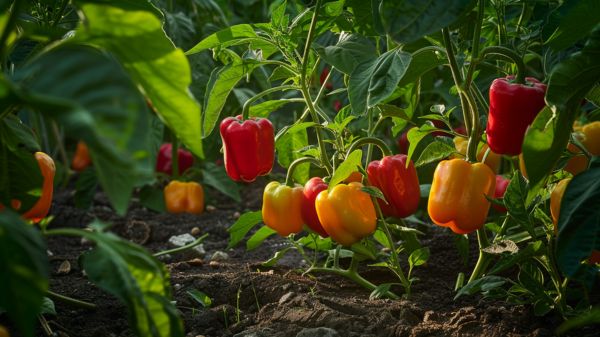
Studies show that up to 30% of pepper yields are lost annually due to poor companion planting choices. You’ve likely invested significant time and resources into your pepper garden, but certain neighboring plants are actively working against you. From allelopathic root exudates to shared disease vectors, the threats are specific and scientifically documented. What you discover next could fundamentally change your harvest outcomes.
Key Takeaways
- Fennel releases allelopathic root exudates that suppress pepper growth and must be completely removed to prevent lasting soil contamination.
- Brassicas like broccoli, kale, and cabbage compete aggressively for nitrogen and moisture, chemically inhibiting pepper root development.
- Sunflowers can suppress pepper germination through root exudates; maintain at least six to eight feet of separation.
- Corn competes heavily for nitrogen, water, and sunlight while sharing dangerous pest and disease vulnerabilities with peppers.
- Tomatoes and potatoes share destructive diseases and nutrients with peppers, requiring strict garden separation to protect yields.
The 3 Categories of Companion Harm
Not every plant makes a good neighbor, and understanding why requires recognizing that companion harm typically falls into three distinct categories: chemical interference, physical competition, and pest or disease transmission. Chemical interference occurs when a plant releases allelopathic compounds that suppress your pepper’s growth or root development.
Physical competition involves nutrient competition, where neighboring plants aggressively deplete soil resources — nitrogen, phosphorus, and potassium — that your peppers critically need. Pest attraction represents the third category, where certain plants draw destructive insects or harbor fungal pathogens that subsequently migrate to your pepper crop.
You must identify which plants in your garden fall into these categories, because allowing harmful companions to remain unchecked directly undermines your harvest potential and limits your ability to cultivate a truly productive, self-sufficient growing space.
Fennel
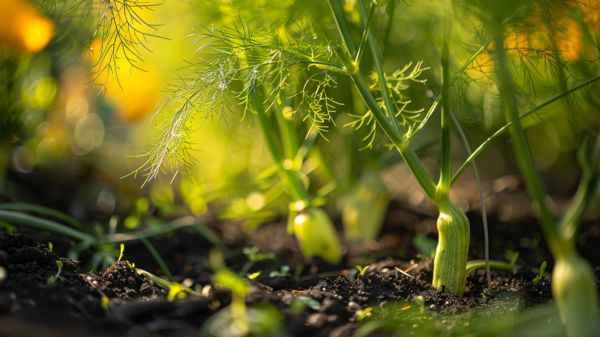
Fennel stands as one of the most problematic companions you can introduce near peppers, and its allelopathic properties represent a well-documented chemical interference mechanism that suppresses the growth of a wide range of vegetables, including your pepper crop.
The fennel toxicity effects stem from its root exudates and volatile compounds, which infiltrate surrounding soil and disrupt nutrient absorption in neighboring plants. You must understand that fennel companion plants are largely incompatible across most vegetable gardens, as fennel operates as an aggressive chemical competitor rather than a cooperative garden member.
Remove fennel entirely from your pepper growing zone, maintaining sufficient distance to prevent residual soil contamination. Your pepper plants deserve a chemical environment free from these documented allelopathic suppressants, enabling unrestricted root development and optimized nutrient uptake.
Sunflowers
Sunflowers present a nuanced companion planting challenge for peppers, as their allelopathic compounds, particularly those secreted through root exudates, can suppress surrounding plant growth in a manner comparable to fennel, though the severity and soil persistence of these chemical interactions differ measurably between the two species.
Despite their sunflower benefits, including natural pest deterrence against aphids and whiteflies, you must strategically position sunflowers at sufficient distances from your pepper beds to prevent root overlap. Their allelopathic secretions inhibit pepper germination and nutrient absorption when planted in close proximity.
You can harness pest deterrence advantages by maintaining a minimum buffer of six to eight feet, allowing sunflowers to attract beneficial predatory insects while preventing their chemical compounds from compromising your pepper plants’ growth and productivity.
Brassicas (Broccoli, Kale, Cabbage, Cauliflower)
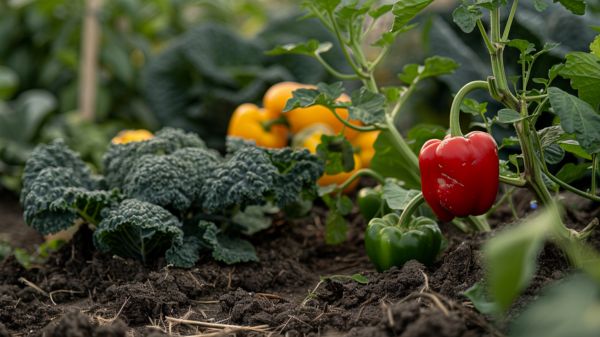
Four brassica species—broccoli, kale, cabbage, and cauliflower—compete directly with peppers for soil nitrogen, creating a resource deficit that measurably reduces pepper yield, fruit size, and overall plant vigor when both crops share the same growing bed. Despite their brassica benefits, including natural pest resistance against certain insects, these crops ultimately undermine your pepper plants’ productivity.
Separate these crops immediately by recognizing these critical conflicts:
- Nitrogen depletion accelerates when brassicas and peppers occupy the same soil zone.
- Root secretions from brassicas chemically inhibit pepper root development.
- Shared pest populations transfer rapidly between these neighboring plant families.
- Moisture competition intensifies during critical pepper flowering and fruiting stages.
You must relocate brassicas to a separate, distant bed to reclaim your garden’s full productive potential.
Corn
Corn competes aggressively with peppers for nitrogen, water, and sunlight, making it a poor companion despite its towering stature, which can cast shade over pepper plants during critical growth stages and suppress fruit development. The corn pests and diseases transfer readily between crops, compounding your losses considerably.
| Factor | Impact on Peppers |
|---|---|
| Nitrogen Competition | Severe depletion |
| Shade Cast | Suppressed fruiting |
| Corn Pests | Cross-infestation risk |
| Corn Diseases | Fungal transmission |
Reclaim your garden’s autonomy by removing corn from pepper beds entirely. The shared pest and disease vulnerabilities between these crops create compounding problems that undermine your harvest’s full potential, demanding immediate separation to protect your peppers’ productivity.
Sweet Potatoes
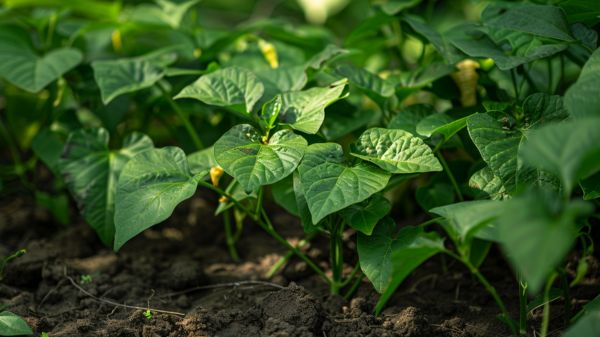
Sweet potatoes present a notable incompatibility with peppers, as their vigorous vining growth habit spreads rapidly across garden beds, competing directly for soil nutrients, particularly potassium and phosphorus, which peppers require in substantial quantities during fruit set. While sweet potato benefits include ground coverage and weed suppression, these advantages don’t justify the competition they create.
Key reasons to separate these crops:
- Sweet potato pests, including whiteflies and weevils, migrate directly onto pepper plants.
- Their spreading vines physically crowd pepper root systems, restricting water uptake.
- Allelopathic compounds released by sweet potatoes inhibit pepper germination and growth.
- Soil nutrient depletion accelerates markedly when both crops occupy shared garden space.
Reclaim your garden’s productivity by relocating sweet potatoes to separate, designated growing areas.
Tomatoes
Unlike sweet potatoes, tomatoes occupy a far more debated position in pepper companion planting, as gardeners and researchers alike have documented both beneficial and detrimental interactions between these two Solanaceous crops, depending on spacing, soil conditions, and cultivar selection.
You must understand that tomato diseases, including bacterial wilt and mosaic virus, transfer readily between these closely related plants, compromising your entire harvest if you’re not vigilant. Growth competition presents another serious concern, as tomatoes aggressively consume nitrogen, phosphorus, and potassium, depleting the soil resources your peppers desperately need to thrive.
You’ll reclaim control over your garden’s productivity by maintaining strict separation between these crops, ensuring your peppers receive adequate nutrients, sunlight, and disease-free conditions that genuinely liberate their full yield potential.
Potatoes
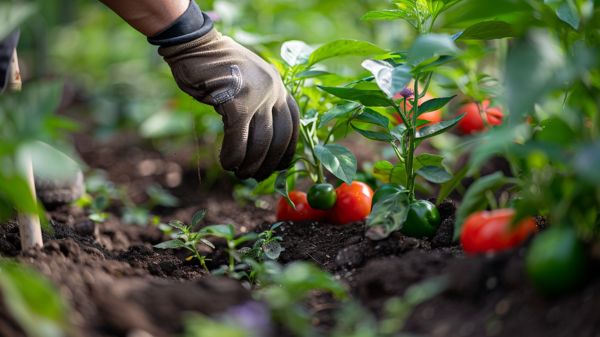
Potatoes, sharing the same Solanaceae family as peppers, present considerable companion planting risks that you must carefully evaluate before positioning these crops in proximity within your garden. Potato pests and potato diseases transfer aggressively between these related plants, threatening your entire harvest.
Consider these critical risks before planting:
- Aphid infestations originating from potatoes migrate directly onto your pepper plants.
- Blight diseases spread rapidly between both crops, decimating your yield.
- Shared soil pathogens accumulate when you plant these species together repeatedly.
- Root competition weakens both plants, reducing your overall productivity considerably.
You must maintain substantial physical distance between potatoes and peppers, ensuring cross-contamination pathways remain blocked, protecting your garden’s long-term productivity and liberating your harvest from preventable, devastating losses.
Bonus: 3 Rules for a Pepper Garden That Thrives
Beyond companion planting, three foundational rules can determine whether your pepper garden thrives or underperforms, and you’ll want to integrate these principles into your planning process from the outset.
| Rule | Action |
|---|---|
| Optimize pepper soil | Maintain pH between 6.0–6.8 |
| Follow a watering schedule | Water deeply twice weekly |
| Rotate crops annually | Prevent soil-borne disease buildup |
First, enrich your pepper soil with compost, ensuring nutrients remain accessible throughout the growing season. Second, establish a consistent watering schedule, delivering moisture directly to roots while avoiding foliage, which reduces fungal risk. Third, rotate your pepper crops annually, reclaiming control over soil health and breaking pest cycles that compromise your harvest’s independence and productivity.
Recommended Companion Planting Tools & Seeds
Several essential tools and seeds can elevate your companion planting strategy, guaranteeing that each plant you introduce serves a precise, functional purpose within your pepper garden’s ecosystem. Mastering companion planting tools and seed selection liberates you from guesswork, empowering deliberate, science-backed decisions.
- Garden journal — Track companion relationships, bloom times, and pest activity systematically.
- pH soil meter — Confirm soil compatibility between peppers and their companions before planting.
- Heirloom basil seeds — Select verified, open-pollinated varieties that demonstrably repel aphids and spider mites.
- Precision seed spacing tool — Maintain ideal plant distances, preventing resource competition while maximizing beneficial interactions.
These companion planting tools, combined with intentional seed selection, guarantee your pepper garden operates as a self-sustaining, productive system you’ve deliberately engineered.
Related: The Companion Planting Tools & Seeds That I Actually Used in My Garden.
Frequently Asked Questions
Can Pepper Companion Planting Mistakes Permanently Damage Soil Health Long-Term?
Like a wound left untreated, poor companion planting choices can linger in your soil far longer than you’d expect. Yes, mistakes can compromise your soil microbiome impact by disrupting beneficial bacterial communities, reducing long-term fertility. Additionally, pest attraction risks from incompatible plants can establish persistent pest cycles, embedding larvae and pathogens into your soil, ultimately diminishing your pepper harvest’s potential across multiple growing seasons.
How Far Apart Should Harmful Plants Be From Pepper Beds?
You should maintain ideal spacing of at least 10 feet between harmful plants and your pepper beds, as this distance considerably reduces the risk of harmful pests migrating and cross-contaminating your crops. If you’re working with allelopathic species, like fennel, you’ll want to increase that buffer, ensuring you’ve established clear garden zones that protect your peppers’ root systems and nutrient uptake.
Do Harmful Companion Plants Affect Pepper Flavor or Just Yield?
Harmful companion plants affect both flavor impact and yield concerns, as allelopathic chemicals released by incompatible species can alter soil chemistry, disrupting nutrient absorption that directly influences capsaicin production and overall taste profiles. You’ll notice that plants like fennel don’t just reduce your harvest size; they’re also compromising the biochemical processes responsible for your peppers’ distinctive flavor compounds, robbing you of your full growing potential.
Can Raised Beds Protect Peppers From Nearby Incompatible Plants?
Like a fortress wall standing between allies and invaders, raised beds offer you meaningful protection. You’ll gain significant raised bed benefits by controlling soil boundaries and limiting root interaction with incompatible plants. Maintaining proper planting distance between your raised bed edges and surrounding incompatible species further reduces allelopathic chemical transfer through soil. However, you shouldn’t assume raised beds eliminate airborne pollen cross-contamination or shading interference from taller incompatible neighboring plants entirely.
Are Some Pepper Varieties More Resistant to Companion Planting Harm?
Yes, some pepper varieties do exhibit greater pepper resilience when exposed to incompatible neighbors. You’ll find that thicker-skinned varieties, such as bell peppers and poblanos, tolerate allelopathic stress better than delicate cultivars. By selecting resilient varieties and pairing them with beneficial neighbors like basil and carrots, you’re maximizing your garden’s productivity, empowering yourself to break free from restrictive planting limitations while maintaining healthier, more independent growing conditions.
Conclusion
Your pepper garden is a kingdom, and every plant within it either serves the crown or threatens it. You’ve now identified the seven usurpers—fennel, sunflowers, brassicas, corn, tomatoes, and potatoes—each quietly undermining your harvest’s sovereignty. Remove them decisively, enforce your three golden rules, and watch your kingdom flourish. A thriving pepper garden isn’t accidental; it’s governed, protected, and deliberately cultivated by a gardener who understands that strategic removal is as powerful as strategic planting.
Unlock the Secret to a Pest-Free, High-Yield Garden (Without a Single Drop of Toxic Chemicals)
Your free, step-by-step guide to naturally repelling insects, enriching your soil, and doubling your organic harvest this season.
What You Will Discover Inside This Free Guide:
The secret to a thriving, low-maintenance garden is Companion Planting—the strategic pairing of mutually beneficial plants. By simply placing the right plants next to each other, you can create a self-sustaining ecosystem that naturally repels pests, balances soil pH, and drastically increases your harvest.