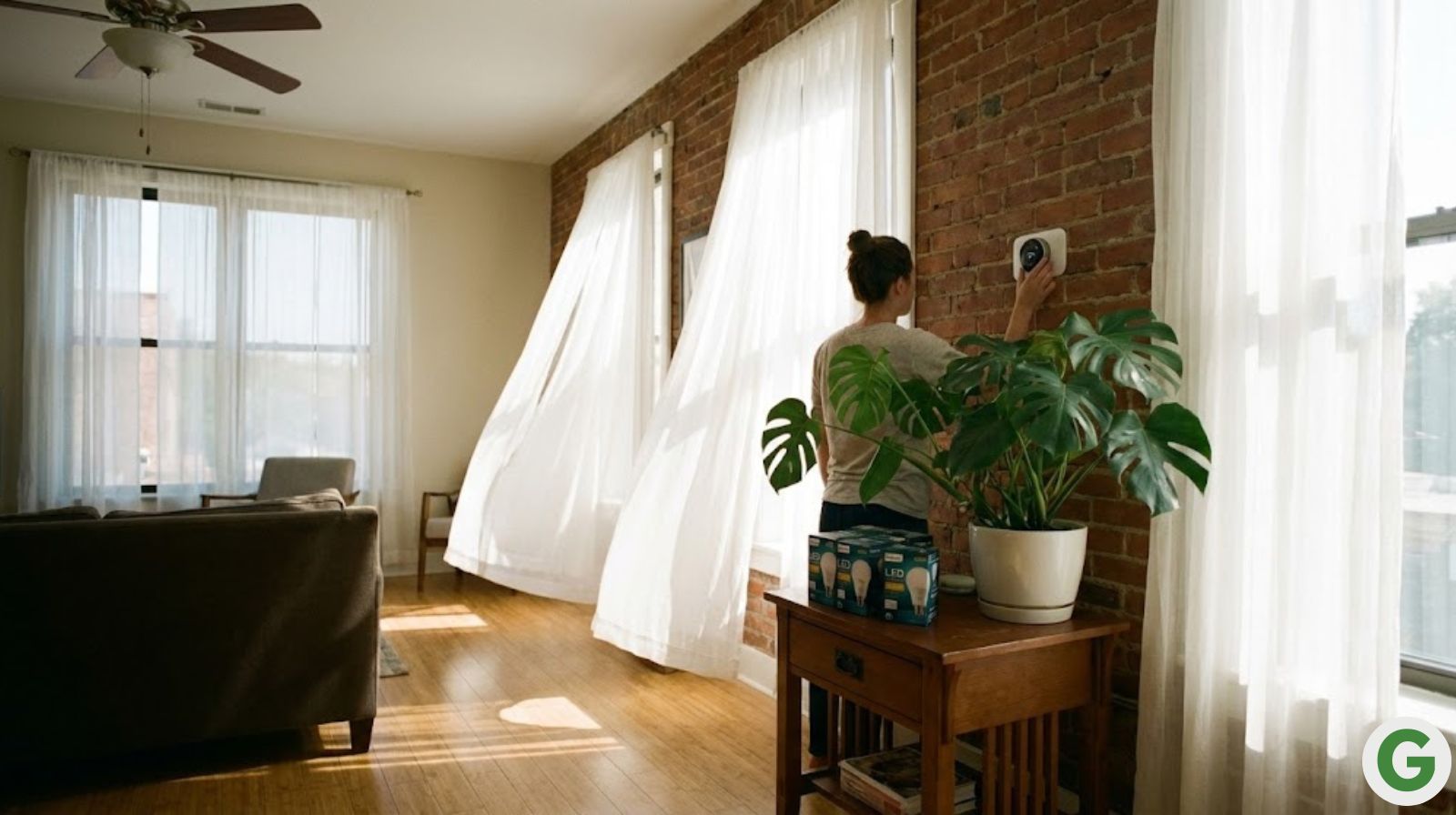
You’re likely wasting 20-30% of your household energy budget through inefficient heating, cooling, and phantom loads, yet you haven’t implemented systematic reduction strategies because you assume energy efficiency requires sacrifice. By applying structured monitoring protocols, optimizing your home’s thermal envelope through targeted weatherproofing, and deploying smart power management systems to eliminate standby consumption, you’ll achieve measurable reductions in utility costs while maintaining operational comfort levels. The key lies in understanding which interventions yield the highest return on investment.
Key Takeaways
- Install smart thermostats and LED lighting to reduce heating, cooling, and lighting costs by 10-15% without compromising comfort.
- Eliminate phantom loads using smart plugs and power strips, saving approximately $100 annually by automatically disconnecting idle devices.
- Lower water heater temperature to 120°F and use cold-water washing to reduce energy consumption by 6-10% effortlessly.
- Leverage time-of-use utility rates for 30-50% savings by shifting energy-intensive tasks to off-peak hours automatically.
- Install real-time energy monitoring systems to identify consumption spikes and optimize usage through data-driven behavioral adjustments.
Master Your Home’s Big Three: Heating, Cooling, and Lighting
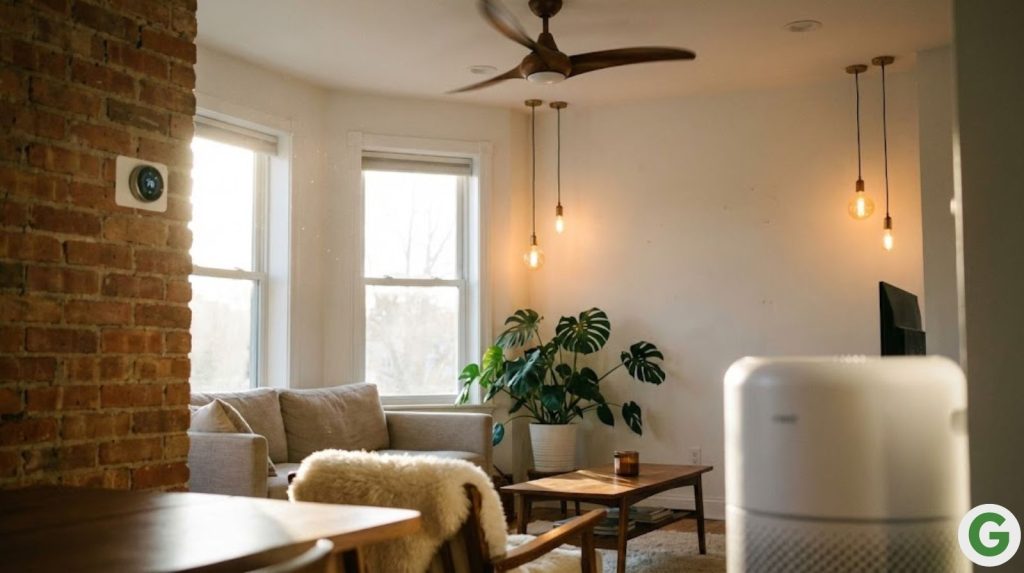
Regarding energy consumption in residential settings, heating, cooling, and lighting systems collectively represent the most significant contributors to household electricity usage, accounting for approximately 50% of total residential energy expenditure.
Smart thermostats optimize your consumption by adjusting temperatures according to occupancy patterns, reducing bills by 10-15%. Weatherproofing interventions, including sealed gaps and enhanced insulation options, decrease thermal transfer expenses by over 20%. LED installations yield $200 annual savings while minimizing heat generation, consequently reducing cooling loads.
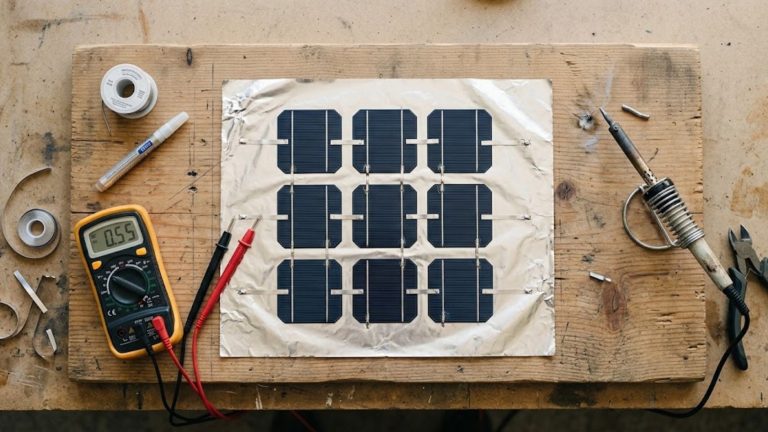
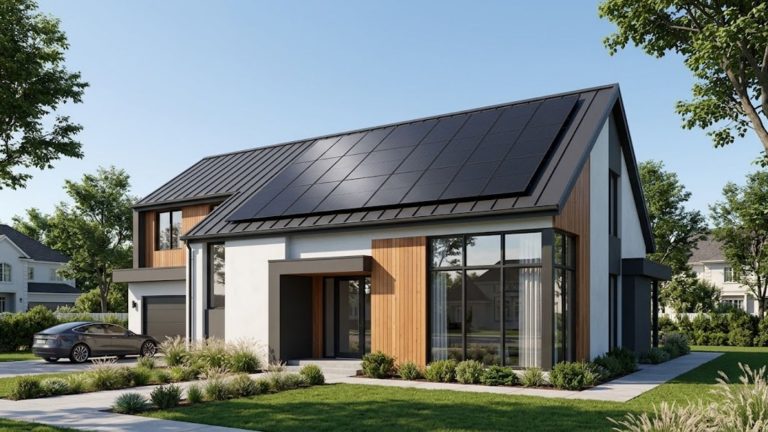
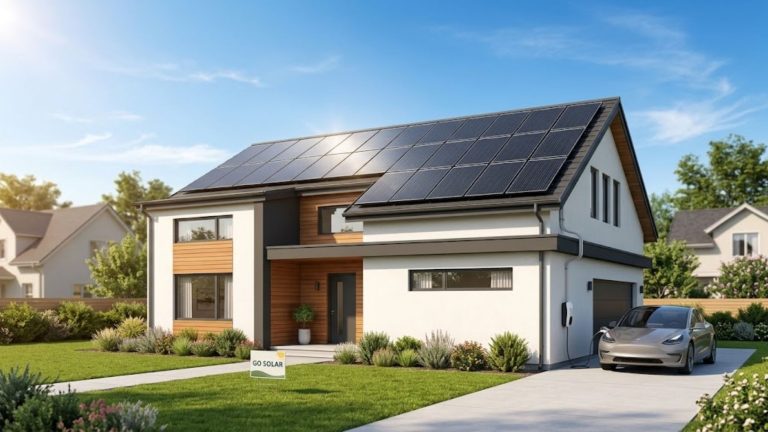
Strategic lighting layouts that maximize natural daylight, combined with timer-based controls and dimmer integration, further curtail electrical demand. Additionally, integrating solar cells into home energy systems reduces reliance on fossil fuels, contributing to long-term energy independence and sustainability.
These systematic modifications enable you to reclaim autonomy over energy expenditure without compromising comfort, liberating you from excessive utility costs through evidence-based optimization of your home’s primary consumption vectors.
No products found.
Eliminate Phantom Loads and Standby Power Waste
You’re likely unaware that, while your household devices appear to be off, they continue to consume standby power, which collectively accounts for 5-10% of your residential electricity usage and results in you paying for 75% of your electronics even when they’re inactive.
To address this inefficiency, you must first identify the common energy vampires in your home, which typically include televisions, charging devices, computers, and other electronics that draw power continuously to maintain settings, display clocks, or remain ready for instant activation.
Once you’ve catalogued these devices, you can implement targeted solutions such as smart plugs, which allow for programmable control and remote shutoff capabilities, or power strips with integrated switching mechanisms, which enable you to cut power to multiple devices simultaneously, thereby eliminating phantom loads that would otherwise inflate your monthly energy expenditures by hundreds of dollars annually.
By unplugging unused electronics, you can significantly reduce energy waste and contribute to more sustainable energy consumption practices.
Identify Common Energy Vampires
Energy vampires, devices that continuously draw power while in standby mode or when ostensibly turned off, represent a significant yet often overlooked source of electricity consumption in modern households, accounting for approximately 5-10% of total residential energy use.
Primary culprits include televisions, gaming consoles, cable boxes, desktop computers, printers, phone chargers, and microwave ovens, all of which maintain circuits requiring constant power. Conducting energy audits enables precise identification of these parasitic loads through measurement tools that quantify standby consumption.
Smart devices, particularly programmable power strips and network-connected outlets, provide automated solutions for eliminating waste by cutting power during predetermined periods.
Implementation of these controls, combined with systematic unplugging of infrequently used electronics, yields average annual savings of approximately $100 per household, effectively reducing unnecessary expenditure while minimizing environmental impact.
Government rebates available for installing smart devices can further reduce the cost burden of adopting these energy-saving measures, making them more accessible to a wider audience interested in sustainability.
Smart Plugs and Strips
Strategically implementing smart plugs and advanced power strips represents one of the most cost-effective interventions available to residential consumers seeking to eliminate phantom loads, which persist as continuous power draws that occur when devices remain plugged into electrical outlets despite being in standby or off modes.
Smart plug benefits include automated disconnection of televisions, chargers, and computers that continue drawing 5-10% of total residential electricity when nominally inactive, with devices priced under $30 achieving return on investment within months through documented energy cost reductions.
Advanced power strips provide simultaneous control over multiple connected devices, eliminating cumulative standby waste across entire entertainment centers or workstation configurations.
This technological approach enables quantifiable reduction in monthly utility expenditures without requiring behavioral modification or lifestyle compromise, representing genuine autonomy from unnecessary consumption patterns that traditionally constrain household budgets.
Implementing a waste management plan can also complement efforts to reduce household energy by fostering efficient practices that minimize waste.
No products found.
Optimize Water Heating and Kitchen Appliances
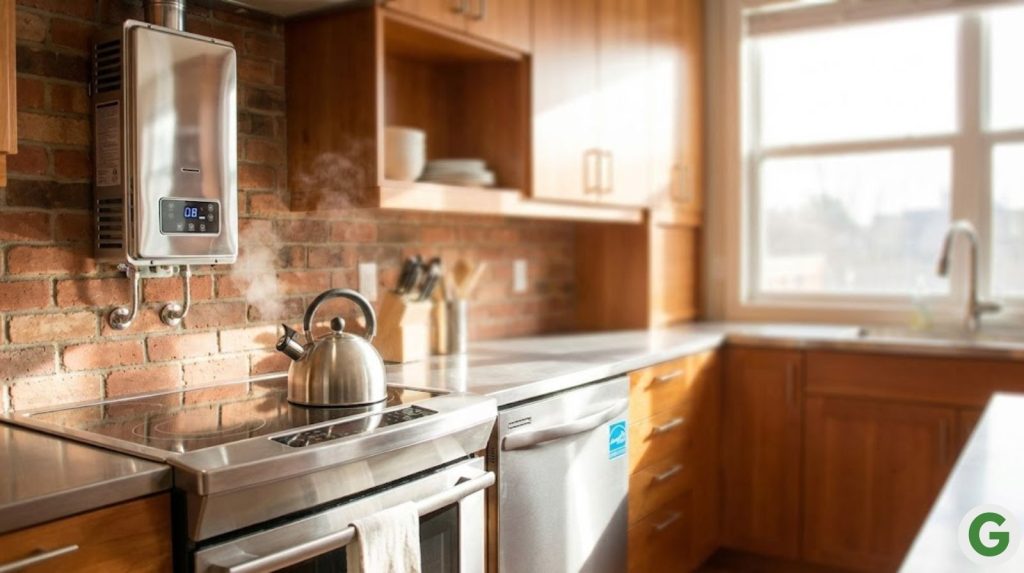
While household heating and cooling systems typically dominate residential energy consumption, water heating and kitchen appliances constitute the second-largest category of energy expenditure, accounting for approximately 25-30% of total household energy use, and consequently warrant systematic enhancement through temperature regulation, load management protocols, and appliance replacement strategies.
You’ll achieve peak water heater efficiency by reducing thermostat settings to 120°F, yielding 6-10% energy reduction per 10-degree decrement. Implement Energy Star-certified appliances, which demonstrate 10-20% decreased consumption versus conventional models, potentially saving $100 annually per unit.
Execute full-load protocols for dishwashers and washing machines, as partial loads compromise efficiency ratios. Utilize cold-water washing cycles, given that 90% of washing machine energy expenditure derives from thermal generation, while contemporary detergent formulations maintain cleaning efficacy at lower temperatures.
Embracing biodegradable alternatives to plastic bags further contributes to reducing household waste, lessening environmental impact while promoting sustainable living habits.
No products found.
Leverage Smart Technology to Monitor and Control Usage
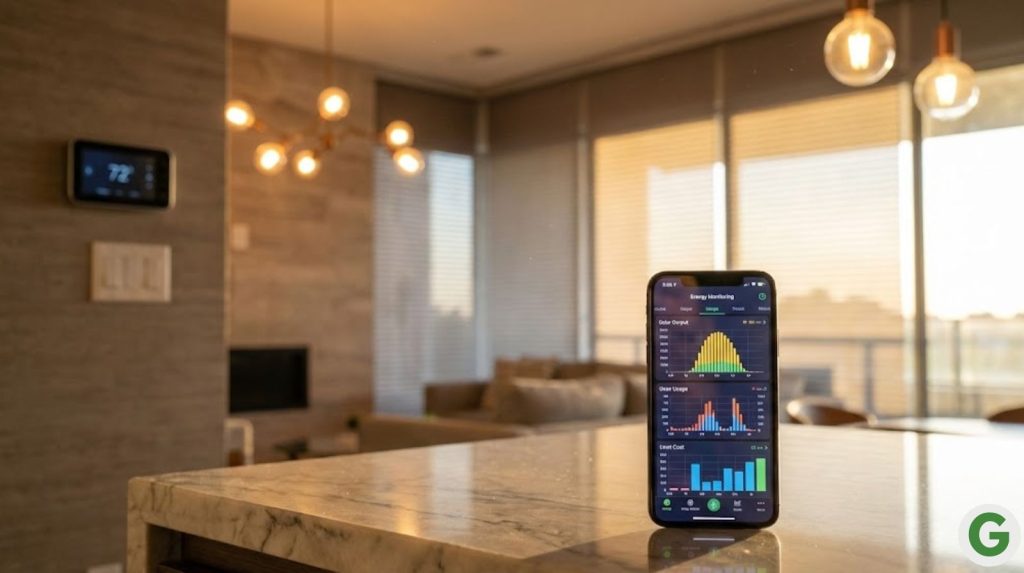
You can substantially reduce your household energy consumption by implementing smart technology systems that monitor usage patterns, automate power management, and optimize HVAC operations based on real-time occupancy data.
Smart thermostats, which adjust heating and cooling schedules according to detected presence and learned behavioral patterns, can decrease energy expenditure by 10-15% through algorithmic temperature regulation that eliminates wasteful conditioning of unoccupied spaces.
Energy-monitoring devices and utility-provided dashboards enable granular tracking of electricity consumption at hourly intervals, allowing you to identify peak usage periods, detect anomalous spikes, and implement targeted efficiency measures that address specific high-consumption appliances or usage behaviors.
Furthermore, smart home technology contributes to energy conservation by enabling the automation of lighting and appliance control, ensuring energy isn’t wasted when devices are not in use.
Smart Thermostats Save Energy
Smart thermostats represent one of the most cost-effective investments in home energy management, offering demonstrable reductions in utility expenses through automated temperature regulation algorithms that respond to occupancy patterns, daily schedules, and real-time environmental conditions.
These devices deliver energy savings of 10-15% through systematic optimization of heating and cooling cycles, while advanced thermostat features enable remote control via mobile applications, allowing you to adjust settings from any location.
You’ll receive automated alerts regarding consumption patterns, which facilitate identification of inefficient usage behaviors, and participation in time-of-use pricing programs becomes accessible, enabling strategic energy consumption during off-peak hours.
Integration with complementary smart home devices creates a unified ecosystem that maximizes efficiency across all connected systems, providing thorough energy management capabilities.
No products found.
Real-Time Energy Monitoring
Beyond automated temperature control, thorough energy management requires granular visibility into consumption patterns across all household systems, which real-time monitoring technology delivers through continuous data collection and analysis at the device, circuit, and whole-home levels.
Energy-monitoring devices provide instantaneous energy usage data, enabling identification of consumption spikes and subsequent behavioral adjustments that reduce costs. Utility companies frequently offer complimentary online dashboards displaying hourly consumption metrics and cost allocations, which facilitate autonomous oversight.
Smart plugs and power strips, when integrated into monitoring architectures, automatically terminate power delivery to devices drawing phantom loads, eliminating standby waste. Real-time feedback mechanisms, particularly through applications interfacing with smart thermostats, enable remote HVAC system modulation based on occupancy patterns and temporal parameters.
Continuous monitoring cultivates heightened consumption awareness, precipitating behavioral modifications that yield substantial energy reductions over extended operational periods.
Incorporating energy-efficient appliances into your home can further decrease electricity usage, making a significant impact on reducing overall energy consumption.
No products found.
Automated Power Management Systems
While real-time monitoring establishes visibility into consumption patterns, automated power management systems execute responsive control actions that optimize energy distribution across household infrastructure without requiring manual intervention.
Smart thermostats implement algorithmic scheduling protocols that reduce heating and cooling expenditures by 10-15% through occupancy-based temperature modulation. Smart plugs eliminate phantom loads by terminating power delivery to inactive devices, yielding energy savings of 5-10% on monthly electricity costs.
Integration with photovoltaic arrays enables automated systems to prioritize solar-generated power during peak production intervals, maximizing renewable resource utilization.
These orchestrated control mechanisms, operating across appliances, lighting circuits, and HVAC systems, deliver substantive consumption reductions while preserving operational functionality, thereby establishing sustainable household energy management frameworks that support long-term cost mitigation objectives.
Implementing Energy Star-certified appliances can further enhance energy efficiency by reducing overall household energy consumption.
No products found.
Take Advantage of Utility Programs and Time-of-Use Pricing
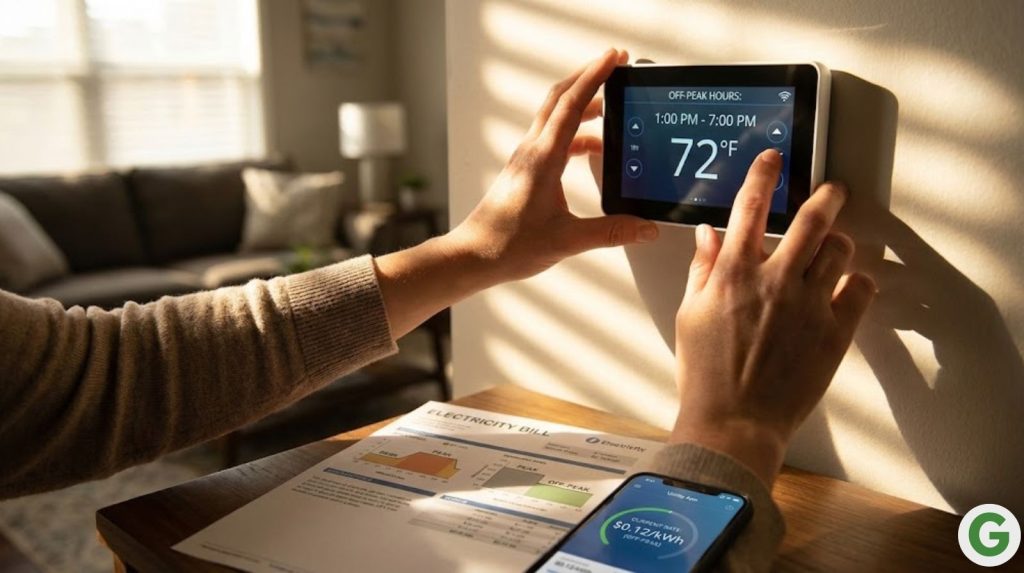
Your utility company’s pricing structure represents a significant opportunity to reduce energy costs through strategic consumption timing, as many providers now offer time-of-use rates that differentiate between peak and off-peak hours, typically charging 30-50% less during periods of lower grid demand.
Financial incentives offered by governments can further enhance long-term financial savings, encouraging more households to invest in energy-efficient systems.
| Program Type | Implementation Method | Cost Reduction |
|---|---|---|
| Time-of-Use Pricing | Shift consumption outside peak hours | 30-50% savings |
| SGIP Battery Storage | Deploy charge scheduling protocols | Rebates + optimization |
| Demand Response | Curtail load during grid events | Credits per kWh reduced |
| Community Solar | Subscribe to shared arrays | 10-15% bill reduction |
| Real-Time Monitoring | Analyze dashboard metrics | Data-driven efficiency |
Aligning your time preferences with utility incentive structures, particularly regarding peak hours avoidance, enables systematic cost reduction while maintaining consumption levels.
Weatherproof Your Home for Year-Round Efficiency
Strategic energy management extends beyond consumption timing to encompass the physical integrity of your building envelope, where extensive weatherproofing measures address the thermal transfer mechanisms that account for approximately 25-30% of residential energy expenditure.
Drafting a weatherproof plan requires systematic evaluation of thermal vulnerabilities, including biennial inspection protocols for weather stripping replacement around apertures, thorough insulation augmentation in attics and basements, and ductwork sealing in unconditioned zones to prevent heat dissipation.
Conducting energy audits enables identification of air infiltration points requiring spray foam application around windows and piping penetrations, thereby achieving a 20% reduction in conditioning costs.
Proper insulation installation not only reduces heat loss or gain but also improves indoor air quality by being free from harmful chemicals, which can lower allergy risks.
This architectural fortification methodology establishes thermal barriers that maintain interior climate stability, liberating you from excessive energy consumption while preserving environmental equilibrium through reduced fossil fuel dependence.
No products found.
Upgrade to Energy-Efficient Appliances and Equipment
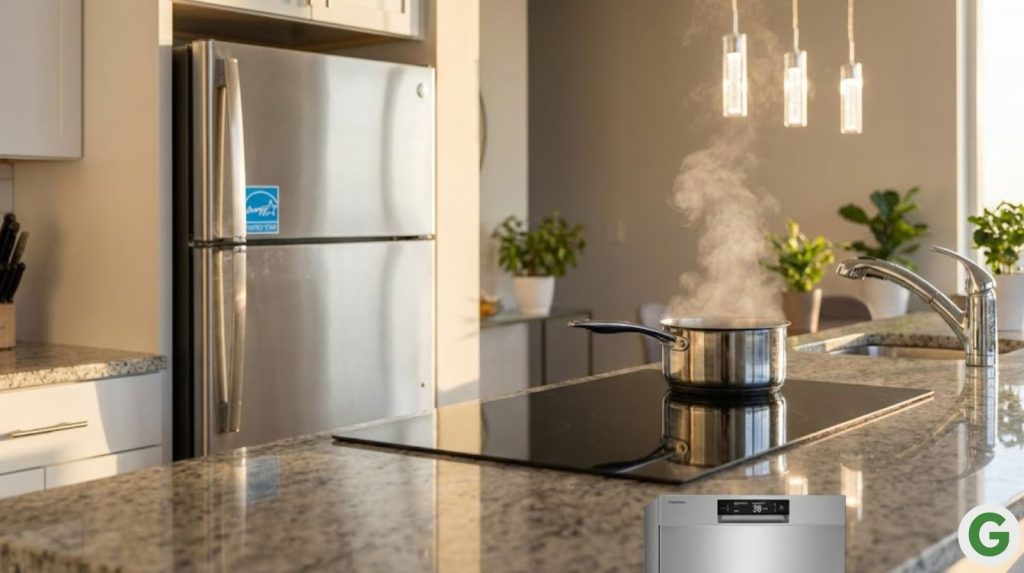
Although weatherization establishes robust thermal containment, the appliances and equipment operating within your home’s envelope constitute the primary determinants of actual energy consumption, necessitating strategic replacement protocols that prioritize ENERGY STAR certified models capable of delivering 10-20% energy reductions while maintaining operational functionality.
You’ll realize substantial appliance benefits through systematic upgrades, particularly when replacing refrigerators exceeding ten years of service, which generate annual energy savings surpassing $100 through reduced electrical consumption.
Heat pump water heaters demonstrate operational efficiency rates 2-3 times superior to conventional electric resistance models, while high-efficiency clothes washers enable cold-water operation protocols with modern detergent formulations.
ENERGY STAR-rated dishwashers optimize resource utilization when operated at full capacity, eliminating pre-rinsing requirements while minimizing water consumption, thereby liberating household budgets from unnecessary utility expenditures through targeted equipment modernization strategies.
No products found.
Frequently Asked Questions
How Does Low-Energy Living Affect Home Resale Value and Market Appeal?
Low-energy living markedly enhances your home’s resale value, typically increasing it by 10-15%, while aligning with current market trends that favor sustainable properties. Since 56% of buyers now consider energy efficiency essential, you’ll experience accelerated sales cycles and superior market appeal. Your energy-efficient investments, particularly solar installations averaging $15,000 premiums, demonstrate strong ROI potential of 80-90%, liberating you from conventional market constraints while attracting environmentally conscious buyers seeking reduced utility expenditures.
Can Renters Implement Low-Energy Strategies Without Landlord Permission or Major Investments?
You’ll break free from energy waste through renter friendly upgrades requiring zero landlord approval. Energy saving tips include implementing LED bulbs, smart plugs for phantom load elimination, removable window films reducing heat loss by thirty percent, draft stoppers, weather stripping for air leak prevention, and low-flow showerheads saving twenty-seven hundred gallons annually, all delivering substantial cost reductions without permanent modifications or significant capital expenditure.
What Is the Average Payback Period for Typical Low-Energy Home Improvements?
Payback estimates for low-energy improvements typically span one to ten years, depending on implementation scope. LED lighting offers the shortest return at one to three years, while ENERGY STAR appliances require three to ten years. Programmable thermostats and weatherproofing investments yield returns within two to five years, whereas high-efficiency water heaters necessitate four to eight years. These energy savings empower you to reclaim financial autonomy through reduced utility expenditures, liberating household budgets from excessive consumption patterns.
How Do Low-Energy Practices Impact Indoor Air Quality and Family Health?
Low-energy practices enhance air circulation through properly maintained HVAC systems, which filter contaminants and reduce airborne pollutants by up to 50%. You’ll achieve pollution reduction by sealing air leaks, preventing outdoor allergens from infiltrating your home, while Energy Star appliances minimize volatile organic compound emissions. Smart thermostats regulate humidity levels, inhibiting mold growth, and eliminating chemical-laden cleaning products decreases indoor contamination, thereby liberating your family from respiratory issues and allergy symptoms.
Are There Tax Credits or Rebates Available for Low-Energy Living Improvements?
You’ll find substantial tax incentives and energy rebates for low-energy improvements, which liberate you from traditional utility dependencies. Federal credits provide up to $1,500 for insulation and efficient windows, while state programs, including SGIP for energy storage systems, offer significant financial returns. Utility companies frequently subsidize 50% of upgrade costs for smart thermostats and HVAC systems, and the Weatherization Assistance Program grants funding for qualifying households, enabling thorough efficiency transformations without prohibitive expense.
Conclusion
You’ve explored extensive strategies for reducing household energy consumption, from enhancing your home’s thermal envelope to eliminating standby power waste, and you’ll discover that implementing even half of these methods will save you more money than you’ve spent on coffee in a lifetime. By systematically addressing heating, cooling, water systems, and appliances through weatherproofing, smart technology integration, and strategic utility program participation, you’re positioned to achieve substantial reductions in energy expenditure while maintaining ideal comfort levels throughout your living space.