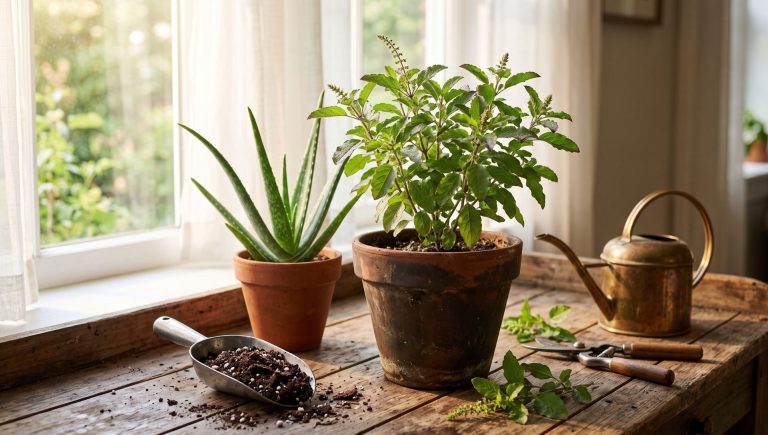
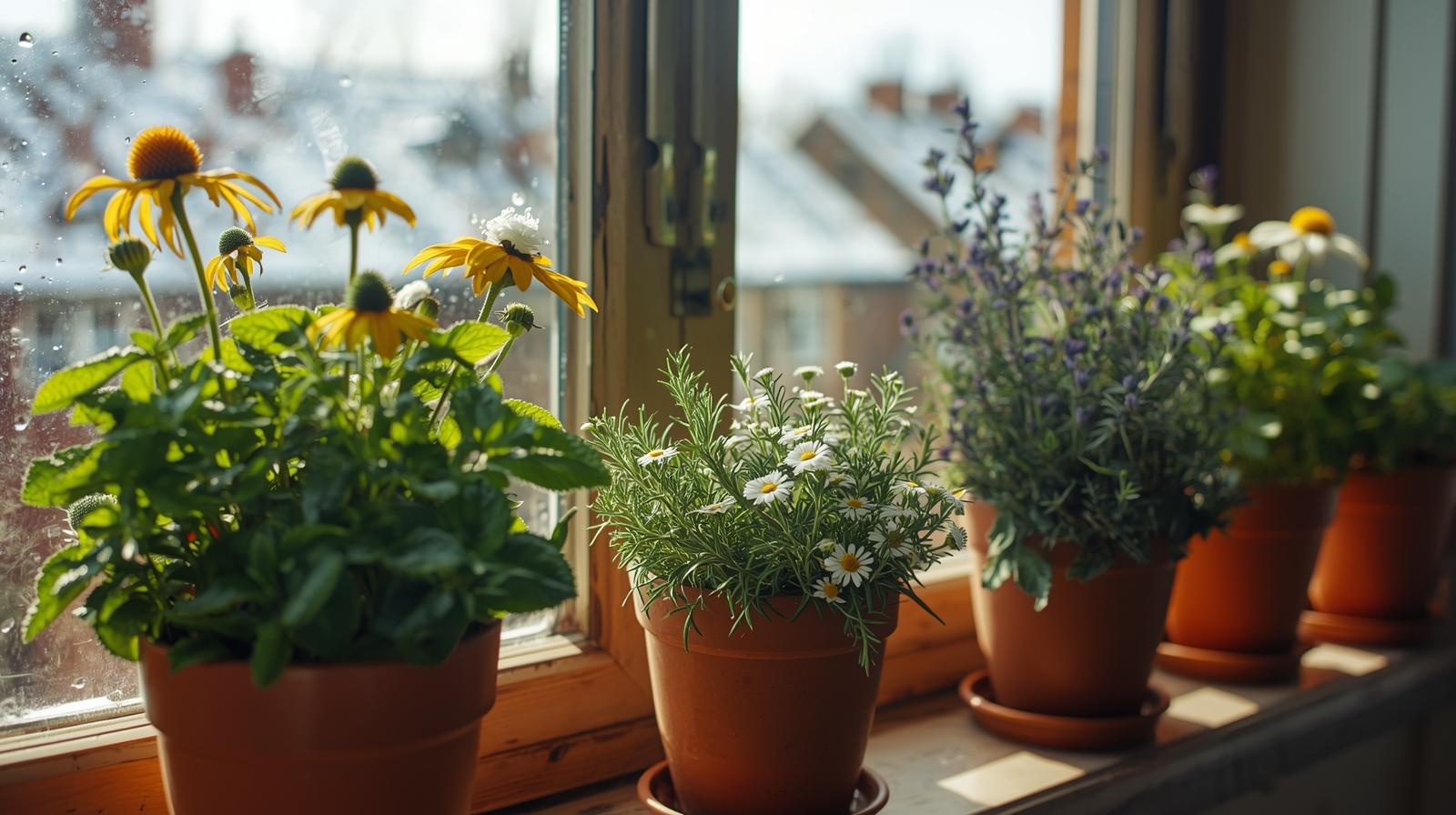
When winter settles in — with shorter days, dry indoor heat, and the inevitable flu season — many of us instinctively reach for warm teas, comforting soups, and immunity boosters. But what if you could grow your own medicine cabinet right inside your home, no matter how dark or cold it gets outside?
Indoor herbal growing isn’t just practical and affordable — it’s empowering. You’re nurturing plants that, in turn, nurture you. And in these slower, more introspective winter months, tending to living herbs becomes a grounding ritual of self-care.
Below, you’ll discover 10 immune-boosting herbs that thrive indoors, along with tips on how to grow, harvest, and use them to support your body all winter long. Let’s turn your windowsill into a winter wellness sanctuary.
Key Takeaways
- Indoor herb cultivation addresses winter immune challenges including reduced vitamin D exposure, dry air, and increased viral transmission.
- Rosemary, thyme, oregano, and sage contain antimicrobial compounds that support respiratory health through steam inhalation and therapeutic teas.
- Ginger and turmeric provide anti-inflammatory benefits through COX-2 inhibition and NF-kB pathway suppression for enhanced immune function.
- Most herbs require 6-12 hours of direct light, well-draining soil, and moderate watering with south-facing windows or LED grow lights.
- Fresh herbs retain higher concentrations of essential oils and volatile compounds compared to dried or processed alternatives.
Why Grow Immune-Boosting Herbs Indoors During Winter?
Winter brings a unique blend of challenges:
- Dry air that irritates respiratory pathways
- Less sunlight, affecting mood and immunity
- Viruses circulating in closed indoor spaces
Store-bought herbs lose potency within days, and many commercial teas or tinctures contain additives or stale plant material. Growing your own gives you:
- Fresher, more potent medicine. Fresh leaves contain higher levels of essential oils and immune compounds.
- A cleaner, more sustainable lifestyle. No plastic packaging, transport emissions, or mystery sourcing.
- A therapeutic winter hobby. Watering, pruning, and harvesting herbs reduces stress and supports mental well-being.
- Constant availability. Even when snow piles up outside, your indoor garden keeps producing.
🌿 Grow Your Own Healing Garden
Instead of buying expensive remedies, why not grow your own? The Medicinal Garden Kit includes seeds and guidance to cultivate 10+ powerful healing herbs right at home—perfect for herbal teas, natural remedies, and energy cleansing.
The 10 Best Immune-Boosting Plants You Can Grow Indoors
Each herb below is chosen for three things:
- Its proven immune-supporting properties
- Its ability to thrive indoors with limited sunlight
- Its versatility in winter wellness rituals
Let’s explore each one.
1. Rosemary — The Lung Strengthener
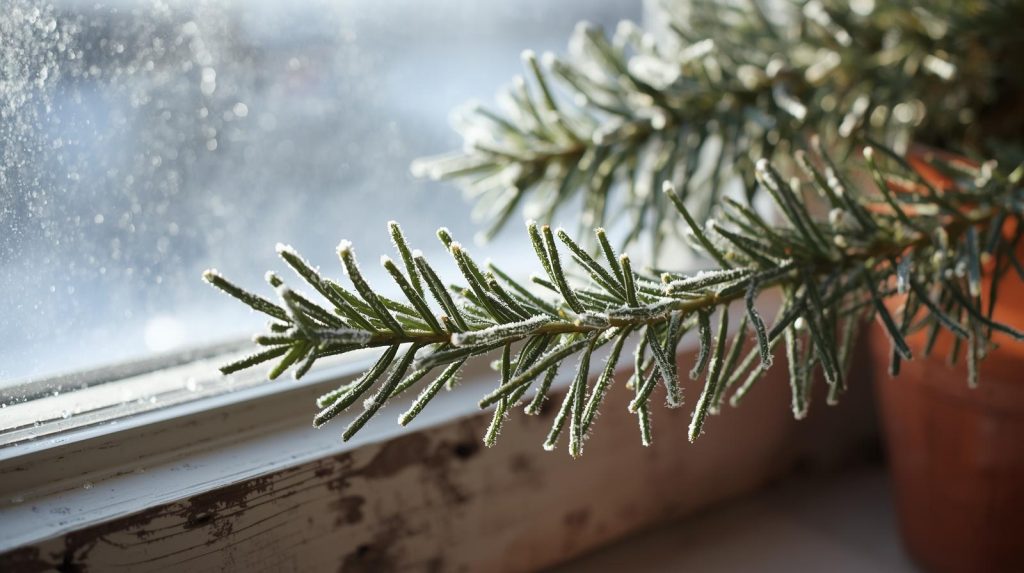
Why it’s powerful: Rich in antioxidants + anti-inflammatory compounds, rosemary helps open airways, clear mucus, and support lung health, especially during winter colds.
Indoor growing tips:
- Needs bright light (south-facing window or grow light).
- Allow soil to dry slightly between waterings.
- Loves good air circulation.
How to use:
- Add sprigs to steam inhalations for congestion relief.
- Brew rosemary tea with lemon and honey for immunity.
- Infuse in olive oil for a healing winter cooking staple.
2. Thyme — Nature’s Antiviral Shield
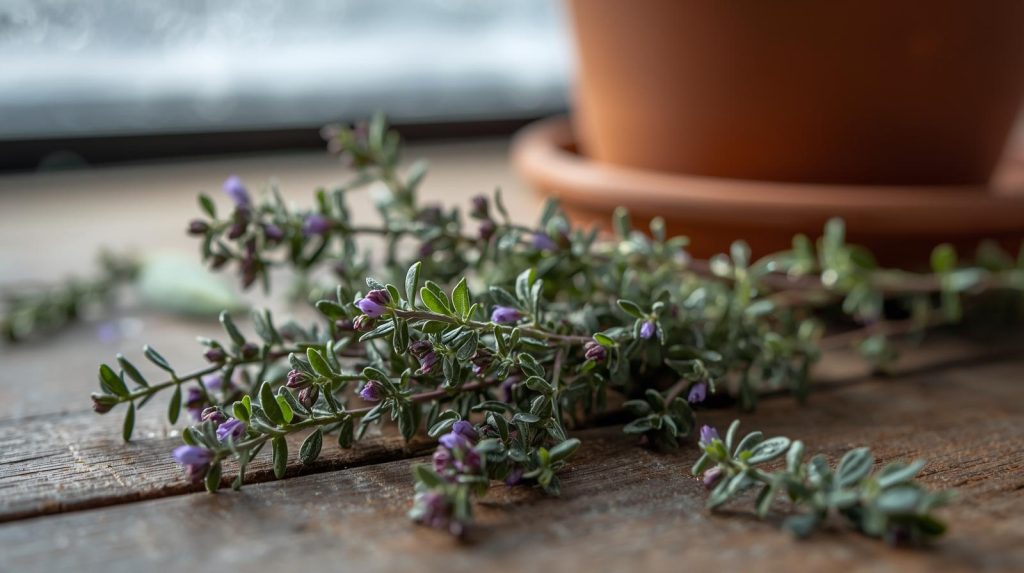
Why it’s powerful: Thyme is one of the strongest natural antivirals, packed with thymol — a compound used in cough syrups and respiratory remedies.
Indoor growing tips:
- Prefers full sun or 12 hours under a grow light.
- Water lightly; avoid soggy soil.
- Trim often to encourage new growth.
How to use:
- Make a thyme honey cough syrup.
- Steep fresh leaves for a potent cold-prevention tea.
- Use in steam bowls for sinus clearing.
3. Peppermint — The Digestive Defender
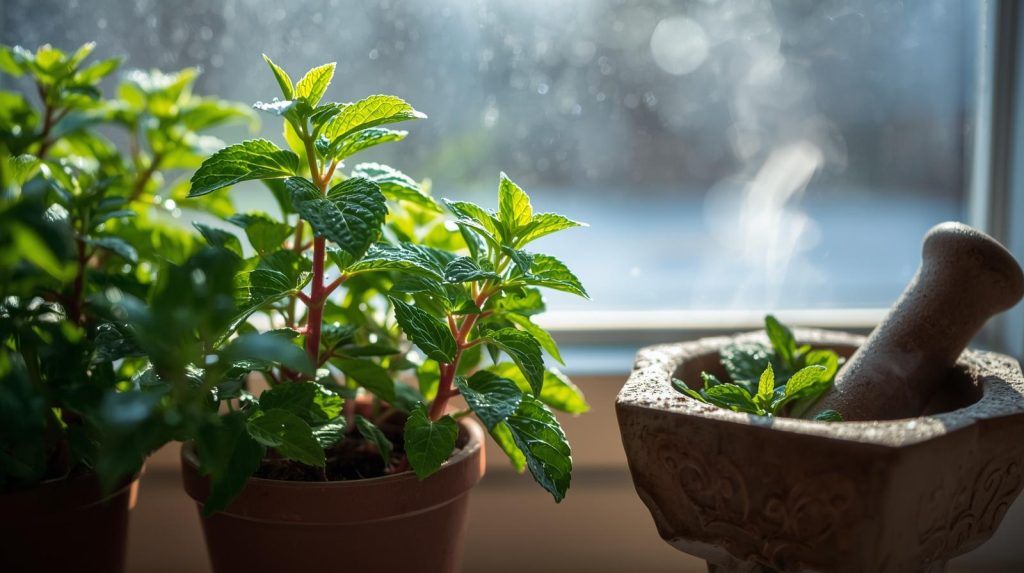
Why it’s powerful: Peppermint supports the immune system by improving digestion, reducing inflammation, and soothing winter nausea or headaches.
Indoor growing tips:
- Thrives in indirect bright light.
- Keep soil consistently moist.
- Grows quickly indoors — harvest often.
How to use:
- Brew fresh peppermint tea.
- Make a peppermint steam bowl for congestion.
- Add leaves to smoothies for digestive support.
4. Sage — The Anti-Inflammatory Powerhouse
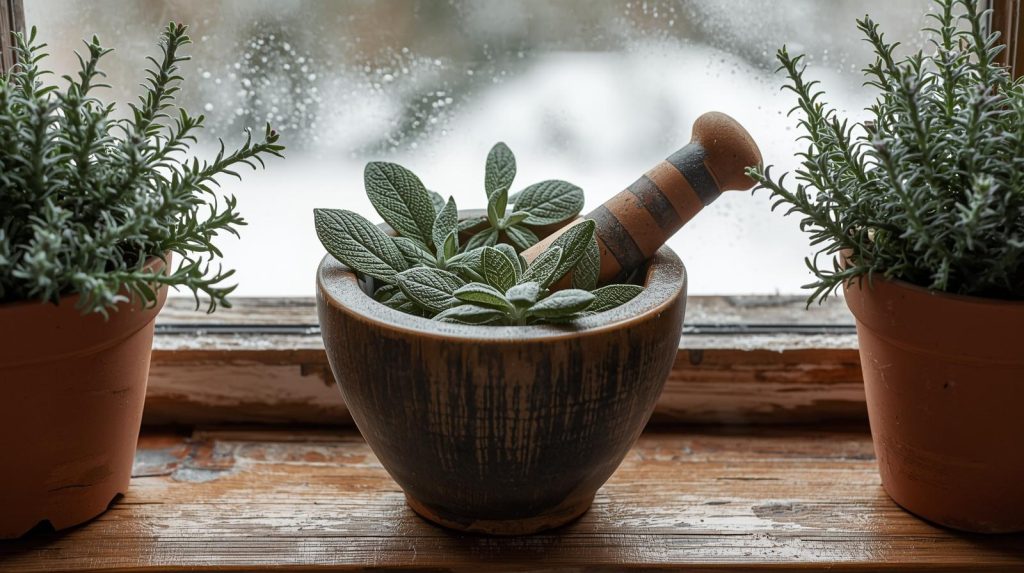
Why it’s powerful: Highly antibacterial + antiviral, sage is used traditionally for sore throats, infections, and winter immune weakness.
Indoor growing tips:
- Prefers 6–8 hours of direct light.
- Water when the top inch of soil feels dry.
- Avoid humid areas; sage likes airflow.
How to use:
- Gargle sage tea for sore throats.
- Drink as a daily immunity tonic.
- Burn (carefully) for smoke cleansing in dry winter spaces.
5. Lemongrass — The Detoxifier
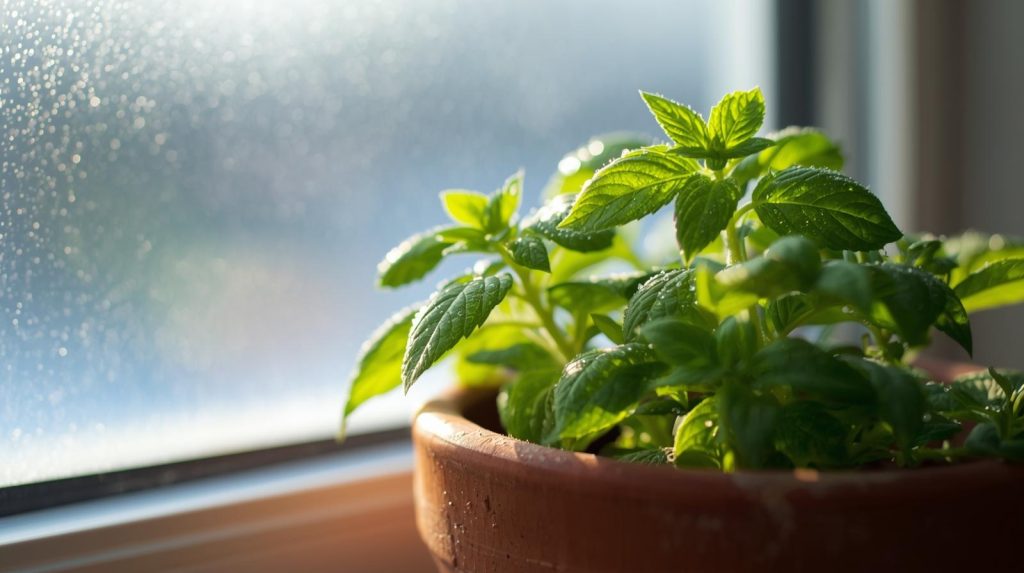
Why it’s powerful: Supports immunity by flushing toxins, reducing inflammation, and calming the nervous system.
Indoor growing tips:
- Loves humidity — perfect near a winter humidifier.
- Bright indirect light.
- Keep soil lightly moist.
How to use:
- Add to winter broths and teas.
- Create a lemongrass-infused body oil for stress relief.
- Brew daily as a cleansing morning tea.
6. Oregano — The Natural Antibiotic
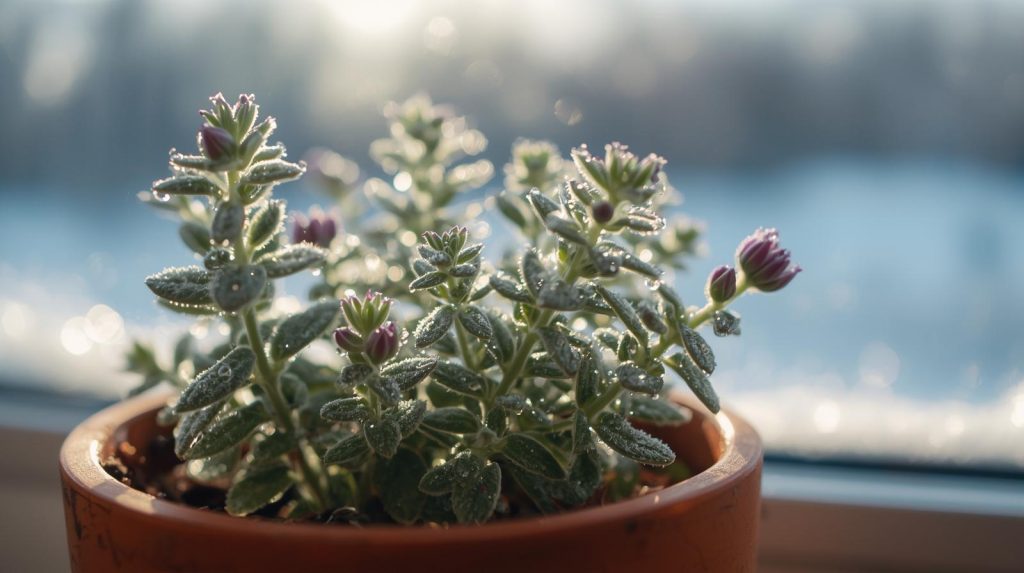
Why it’s powerful: Oregano oil is famous for its immune-strengthening, antimicrobial effects — and fresh oregano is gentler but still powerful.
Indoor growing tips:
- Lots of light; grow lights help.
- Let soil dry between waterings.
- Trim often for fuller growth.
How to use:
- Make oregano tea when you feel a cold coming on.
- Add to soups for immune support.
- Infuse in olive oil for winter cooking.
7. Ginger — The Warming Winter Root
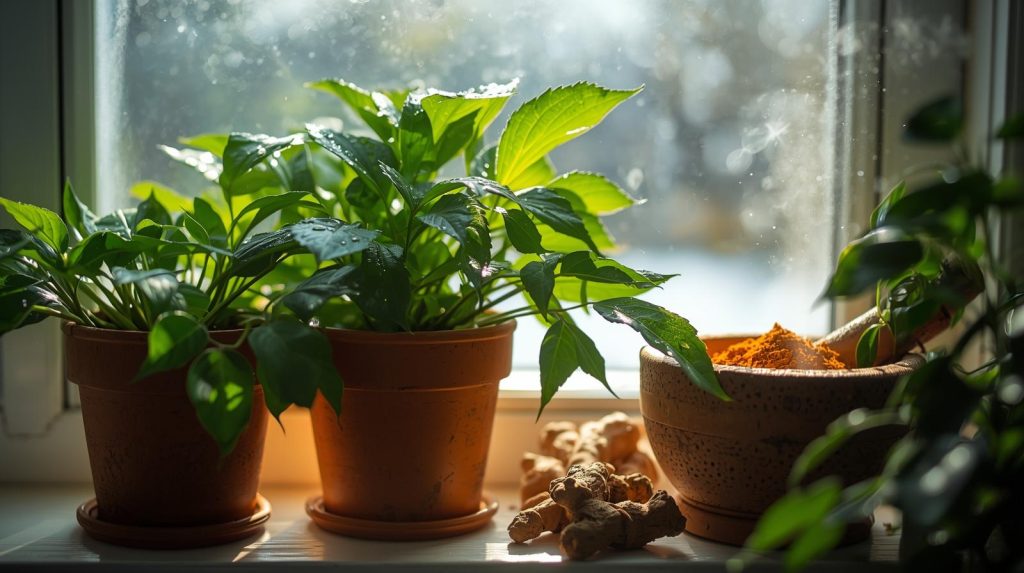
Why it’s powerful: Ginger boosts circulation, warms the body, reduces inflammation, and strengthens the immune response.
Indoor growing tips:
- Plant a ginger “eye” in a pot.
- Keep warm (70°F+).
- Water consistently and allow moderate light.
How to use:
- Grate into teas and winter tonics.
- Add to soups to warm the body.
- Make ginger-honey shots for immunity.
8. Turmeric — Golden Immunity
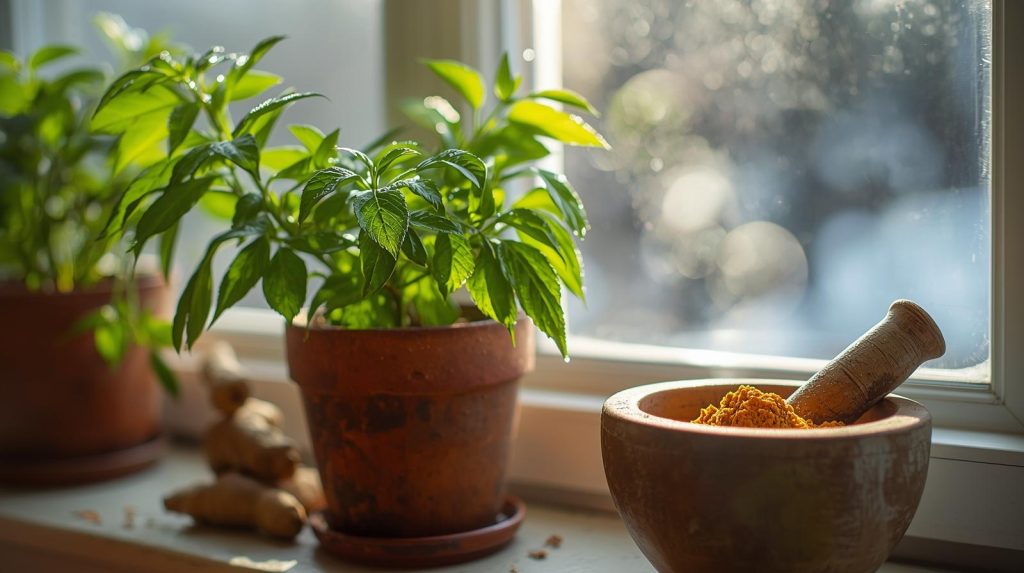
Why it’s powerful: Curcumin, turmeric’s active compound, is a powerful anti-inflammatory and antioxidant. Perfect for joint pain and immune fatigue.
Indoor growing tips:
- Plant like ginger.
- Keep warm and humid.
- Partial sunlight is fine.
How to use:
- Create golden turmeric milk.
- Add to curries, soups, and smoothies.
- Make turmeric paste for winter immunity.
9. Lemon Balm — The Stress-Soother
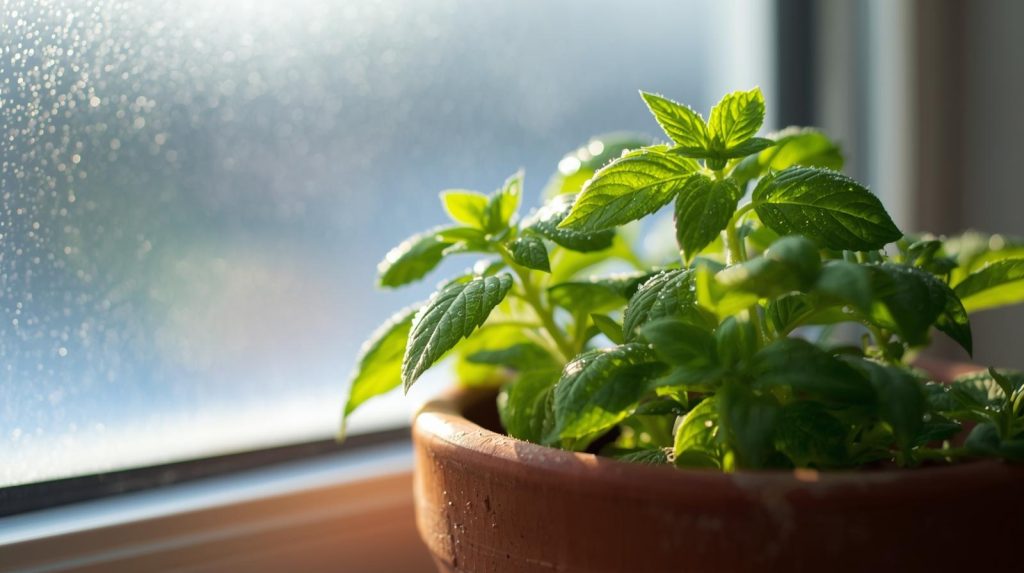
Why it’s powerful: Stress weakens immunity — and lemon balm reduces anxiety, promotes sleep, and supports antiviral defenses.
Indoor growing tips:
- Indirect light; avoid harsh sun.
- Water regularly.
- Keep trimmed to encourage thick growth.
How to use:
- Brew a soothing night tea.
- Add to bathwater for stress relief.
- Make a lemon balm tincture.
10. Aloe Vera — The Immune Moisturizer
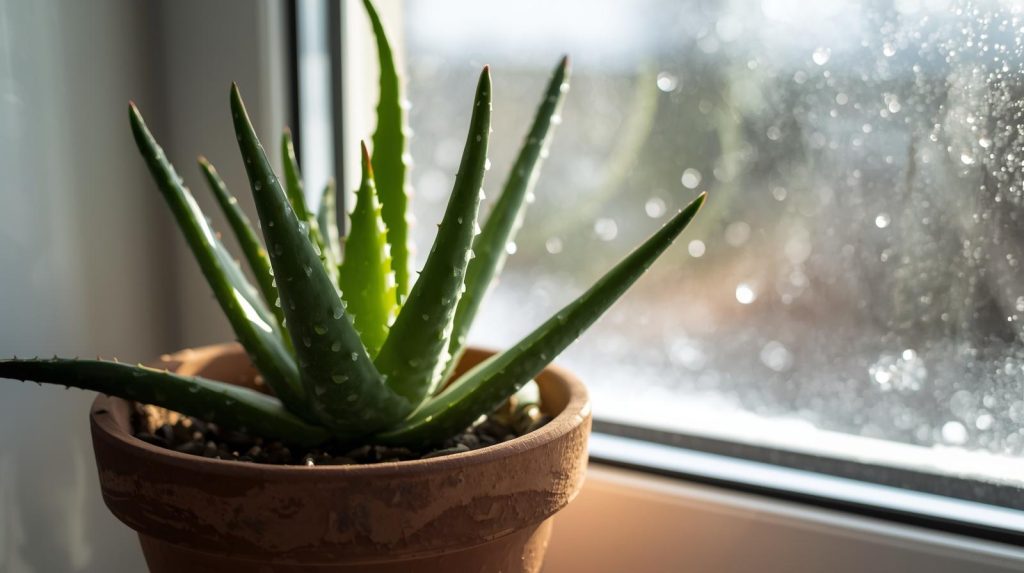
Why it’s powerful: Aloe helps hydrate mucous membranes — your body’s natural defense barrier — especially helpful in dry winter air.
Indoor growing tips:
- Bright indirect light.
- Let soil completely dry between watering.
- Perfect for beginners.
How to use:
- Add inner gel to smoothies for gut immunity.
- Apply to dry winter skin.
- Use in DIY herbal syrups (internally in very small, safe amounts).
How to Create Your Indoor Winter Apothecary
Now that you’ve selected the immune-boosting plants you’ll cultivate throughout winter, you’ll need to establish three distinct operational zones within your living space to enhance efficiency in production, processing, and storage.
Your indoor apothecary requires careful spatial allocation, which includes designating a growing zone with ideal light exposure for active cultivation, establishing a separate harvest and preparation station equipped with the necessary tools for processing plant material, and organizing a dedicated herbal wellness shelf where you’ll maintain finished remedies under controlled conditions.
Each zone serves a specific function in the workflow, and proper configuration of these areas, much like segmenting network namespaces in a Kubernetes cluster to isolate workloads and enforce security policies, guarantees that cross-contamination is prevented, resource allocation is maximized, and you maintain full operational control over your medicinal supply chain.
1. A Growing Zone (Windowsill or Shelf)
Setting up a dedicated growing zone requires careful consideration of spatial arrangement, light exposure parameters, and environmental conditions that’ll support ideal herb development throughout winter months. Your indoor gardening configuration must address specific herb lighting requirements, guaranteeing photosynthetically active radiation reaches plants at peak intensities.
Consider these essential components:
- Position terracotta pots on south-facing windowsills where herbs receive six hours of direct sunlight
- Install full-spectrum LED grow lights, maintaining twelve to sixteen hours of supplemental illumination in low-light environments
- Deploy pebble trays beneath containers to sustain ambient humidity levels for moisture-dependent species
- Arrange herbs vertically according to light preferences, placing shade-tolerant varieties on lower shelves
- Implement reflective surfaces behind growing zones to maximize available light distribution
This systematic approach guarantees your apothecary herbs receive adequate environmental support.
No products found.
2. A Harvest + Prep Station
Your harvest and preparation station functions as the critical interface between cultivated herbs and their transformation into medicinal preparations, requiring a systematically organized workspace that maintains botanical integrity while facilitating efficient processing protocols.
Ideal harvest techniques demand precision cutting instruments, specifically herb scissors, positioned within immediate reach in a designated small wooden crate alongside essential processing implements.
This container should house your mesh strainer for separating plant material, a small cutting board dedicated exclusively to herbal preparation to prevent cross-contamination, and glass jars configured for proper herb drying through controlled air circulation.
The prep essentials must remain isolated from standard kitchen implements, ensuring pharmaceutical-grade cleanliness standards. Organize tools according to workflow sequence, from initial harvest through final storage, minimizing handling time and preserving volatile compounds essential for therapeutic efficacy.
3. Your Herbal Wellness Shelf
Once you’ve completed the harvest and preparation protocols outlined in the previous section, establishing a dedicated herbal wellness shelf requires strategic implementation of storage methodologies that preserve bioactive compounds while maintaining systematic accessibility for daily therapeutic applications.
Ideal herb storage necessitates deployment of light-resistant containers, specifically amber jars, recycled tea tins, or glass vessels with airtight seals. Implement thorough herbal labeling protocols by documenting:
- Botanical nomenclature and common herb name
- Harvest date timestamp for potency tracking
- Intended therapeutic use case
- Storage location identifier for inventory management
- Expiration date based on degradation parameters
This systematic approach guarantees organized retrieval while maintaining chain of custody for each botanical specimen, enabling efficient therapeutic deployment throughout winter months when fresh alternatives remain unavailable.
Simple Winter Herbal Remedies You Can Make Today
Now that you’ve established your indoor winter apothecary, you can begin preparing remedies that address common seasonal ailments through targeted herbal applications.
The following five preparations utilize specific herbs, each selected for their documented therapeutic properties: rosemary for respiratory decongestion through steam inhalation, thyme combined with honey for antimicrobial throat support, lemon balm for stress reduction and immune modulation, ginger for acute immune stimulation, and turmeric for systemic anti-inflammatory effects.
These remedies require minimal equipment and processing time, allowing you to implement them immediately when symptoms arise or as preventative measures throughout the winter months. These herbal preparations can be made through simple methods like infusion, tincture, or decoction, each extracting the therapeutic components in different ways to maximize the healing properties of your indoor-grown plants.
1. Rosemary Steam Bowl (for congestion)
When respiratory congestion restricts airflow through the nasal passages and sinuses, a rosemary steam inhalation provides targeted relief through the delivery of volatile compounds directly to the affected mucous membranes.
Preparation Instructions:
- Heat 2 cups of water until steam actively rises from the surface
- Place 2–3 fresh rosemary sprigs into the heated water
- Position your face approximately 12 inches above the bowl
- Drape a towel over your head, creating an enclosed environment that captures the rising steam
- Inhale deeply for 5 minutes, allowing the aromatic compounds to penetrate congested airways
The steam inhalation benefits include immediate respiratory support through the combination of moisture and rosemary’s natural decongestant properties, which work synergistically to thin mucus secretions, reduce inflammation within the nasal cavity, and facilitate easier breathing during winter months when indoor heating systems create dry atmospheric conditions.
2. Thyme Honey (for cough + sore throat)
As winter throat irritation and persistent coughs compromise respiratory comfort, thyme honey serves as a dual-action remedy that combines the antimicrobial properties of Thymus vulgaris with the coating, soothing characteristics of raw honey to address both symptomatic discomfort and underlying bacterial activity.
Thyme benefits include thymol and carvacrol compounds, which demonstrate bactericidal effects against respiratory pathogens, while honey properties provide additional antibacterial action through enzymatic hydrogen peroxide production and osmotic dehydration of microbial cells.
To prepare this remedy, you’ll place fresh thyme sprigs in a small jar, ensuring complete submersion in raw honey, then steep the mixture for two weeks at room temperature, allowing phytochemical extraction. This preparation method facilitates the transfer of volatile oils and phenolic compounds from the herb into the honey matrix, creating a concentrated therapeutic compound for oral administration.
3. Lemon Balm Night Tea (for stress + immunity)
Winter’s compounding stressors—reduced daylight exposure, increased infectious disease prevalence, and disrupted circadian rhythms—create a physiological environment that simultaneously elevates cortisol production and compromises immune function, necessitating interventions that address both neuroendocrine regulation and immunological defense.
Lemon balm benefits include documented anxiolytic properties through GABA-A receptor modulation, making it an ideal component of herbal nightcaps targeting stress-induced immunosuppression.
Preparation Protocol:
- Measure 1 tablespoon fresh lemon balm leaves
- Heat water to 200°F (93°C)
- Pour 1 cup hot water over leaves
- Steep precisely 5 minutes
- Consume 30 minutes before sleep
This preparation method preserves volatile compounds, including rosmarinic acid and citronellal, which demonstrate both adaptogenic and antimicrobial properties, thereby addressing winter’s dual physiological challenges through targeted phytochemical intervention.
4. Ginger Immunity Shot
While evening protocols address nocturnal immune restoration through adaptogenic mechanisms, morning interventions require concentrated bioactive compounds that rapidly stimulate innate immune responses, a requirement most effectively fulfilled through high-potency ginger preparations administered in minimal volumes.
You’ll leverage ginger benefits by processing a 2-inch rhizome segment with lemon juice and honey, creating a concentrated delivery system that optimizes bioavailability of gingerols and shogaols, the primary immunomodulatory compounds responsible for enhanced leukocyte activation.
This formulation provides an immunity boost through direct stimulation of cytokine production pathways, complement system activation, and phagocytic enhancement mechanisms. Consume 1 tablespoon daily, preferably upon waking, to establish baseline immune surveillance before pathogen exposure risks increase throughout your active hours, ensuring maximum prophylactic efficacy against seasonal viral threats.
5. Golden Turmeric Milk (warming & anti-inflammatory)
Golden turmeric milk functions as a thermogenic anti-inflammatory beverage that combines curcuminoid compounds with lipid carriers to enhance systemic bioavailability, addressing inflammation through COX-2 inhibition pathways while simultaneously providing thermoregulatory benefits during periods of cold exposure.
Preparation Protocol:
- Heat one cup of your selected milk substrate to maintain molecular integrity
- Incorporate half teaspoon turmeric with black pepper to activate piperine-enhanced absorption
- Add honey according to individual preference for palatability optimization
- Simmer mixture at controlled temperature to prevent degradation of active compounds
- Consume during nighttime routine for maximum golden benefits
This formulation leverages the synergistic interaction between curcumin and lipid-based carriers, while black pepper’s piperine content increases absorption rates by approximately two thousand percent, making it an effective addition to your therapeutic protocol.
Troubleshooting Indoor Herbs (Winter Edition)
Growing herbs indoors during winter often presents challenges that manifest through specific, observable symptoms in your plants, requiring targeted interventions to maintain healthy growth.
If you notice yellow leaves, excessively elongated stems, brown tips, stunted development, or small flying insects around your herb containers, these indicators correspond to distinct environmental deficiencies that can be systematically addressed through modifications to watering schedules, light exposure, humidity levels, temperature placement, or soil moisture management.
Understanding the correlation between each symptom and its underlying cause allows you to implement precise corrective measures, ensuring your indoor herb garden remains productive throughout the colder months.
Yellow Leaves?
When indoor herbs display yellowing foliage during winter months, the primary causative factor typically involves overwatering, which occurs because reduced light levels and cooler ambient temperatures decrease the plant’s transpiration rate, thereby diminishing its water requirements.
Corrective Actions for Yellowing Foliage:
- Reduce watering frequency by 20% to accommodate decreased metabolic activity
- Verify drainage system functionality to prevent root zone saturation
- Monitor soil moisture levels using tactile assessment before irrigation
- Examine root structure for indicators of rot, which manifests as darkened, mushy tissue
- Test for nutrient deficiency through foliar analysis if water adjustment proves ineffective
You’ll need to implement immediate water reduction protocols, as sustained oversaturation compromises root oxygen availability, leading to cellular degradation and systemic chlorosis throughout the plant’s vascular system.
Leggy Growth?
Leggy growth, characterized by elongated internodal spacing and attenuated stem structures, indicates insufficient photosynthetically active radiation reaching the plant’s chloroplasts, which forces the herb to engage in etiolation responses as it attempts to position itself closer to available light sources.
Proper herb care during winter months requires supplemental indoor lighting systems, specifically full-spectrum LED grow lamps positioned 6-12 inches above foliage, to deliver the requisite 12-16 hours of daily illumination that photosynthetic processes demand. Deploy fixtures with color temperatures between 5000-6500K, which replicate solar wavelengths necessary for compact vegetative development.
Monitor distance parameters carefully, as insufficient proximity reduces luminous intensity exponentially, while excessive proximity may induce thermal stress on leaf tissues. Implementation of these indoor lighting protocols reverses etiolation, promoting dense, productive growth architecture throughout winter cultivation periods.
Brown, Crispy Tips?
Brown, crispy leaf margins and desiccated foliage tips manifest when indoor atmospheric moisture content drops below the 40-50% relative humidity threshold that most culinary herbs require for ideal transpiration regulation, a condition exacerbated during winter months as forced-air heating systems continuously extract water vapor from interior environments while simultaneously elevating ambient temperatures.
- Position humidifiers near herb containers to maintain 40-50% relative humidity levels
- Group multiple plants together to create localized moisture microclimates through collective transpiration
- Place water-filled trays beneath pots to increase ambient humidity through evaporation
- Mist foliage twice daily using room-temperature water to supplement atmospheric moisture
- Monitor brown leaf progression, as excessive desiccation triggers slowing growth
Deploy mitigation strategies immediately upon detecting initial brown leaf symptoms to prevent cascading physiological stress.
Slow Growth?
Although indoor herb cultivation during winter months typically proceeds without complications when environmental parameters remain ideal, sluggish vegetative expansion—characterized by minimal internode elongation, reduced leaf production, and arrested vertical development—frequently occurs when ambient temperatures fall below the 15-18°C threshold that most Mediterranean culinary herbs require for sustained metabolic activity, a phenomenon that intensifies near drafty windows, exterior walls, and uninsulated structural elements where convective heat loss creates localized thermal depressions that inhibit enzymatic processes governing photosynthesis, nutrient uptake, and cellular division.
Implementing slow growth solutions requires immediate relocation of affected specimens to warmer interior positions, distant from thermal compromises. These indoor gardening tips, when applied systematically, restore ideal growing conditions, enabling resumed metabolic function and eliminating temperature-induced developmental constraints that compromise plant vigor during extended cold periods.
Fungus Gnats?
Why do fungus gnats—those minuscule, dark-bodied dipterans that hover erratically above container substrates—proliferate with such persistence in winter herb collections, transforming what should constitute a straightforward cultivation operation into a recurring pest management challenge that demands systematic intervention?
Gnat control requires implementation of multiple concurrent strategies:
- Allow substrate to achieve complete desiccation between irrigation cycles, eliminating larvae habitat
- Deploy a two-centimeter sand layer atop soil surface, creating a physical barrier against egg deposition
- Shift to bottom-watering methodology exclusively, maintaining surface-level aridity
- Remove organic debris accumulation from container perimeters, reducing decomposition sites
- Monitor moisture levels using calibrated measurement instruments
Fungus prevention necessitates maintaining substrate conditions inhospitable to larval development, as excessive moisture during winter months creates ideal breeding environments when reduced evaporation rates compound overwatering tendencies, requiring disciplined irrigation protocols.
🌿 Grow Your Own Healing Garden
Instead of buying expensive remedies, why not grow your own? The Medicinal Garden Kit includes seeds and guidance to cultivate 10+ powerful healing herbs right at home—perfect for herbal teas, natural remedies, and energy cleansing.
Final Thoughts: Turning Winter Into a Healing Season
Growing medicinal herbs in winter is more than a practical wellness habit — it’s a daily invitation to reconnect with nature in months when we need it most.
These plants:
✨ Boost your immunity
✨ Support your mood
✨ Purify indoor air
✨ Reduce reliance on store-bought remedies
✨ Bring greenery into the darkest days
Your winter home becomes an herbal sanctuary — nourishing you physically, emotionally, and spiritually.
Frequently Asked Questions
Can I Use Store-Bought Herbs Instead of Growing My Own for Remedies?
You can utilize store-bought herbs, though their effectiveness may be diminished compared to fresher alternatives you’d cultivate yourself. Commercial processing, storage duration, and handling methods often degrade the volatile compounds and phytochemicals that provide therapeutic benefits. When you’re selecting purchased options, you’ll need to verify organic certification, examine harvest dates, and assess aromatic potency, as these indicators correlate with the retention of medicinal properties essential for immune support applications.
Are Homemade Herbal Remedies Safe to Give to Children and Pregnant Women?
Like traversing uncharted waters, you must exercise extreme caution with herbal remedies for vulnerable populations. You shouldn’t administer homemade preparations to children or pregnant women without consulting healthcare professionals, as herbal dosage guidelines differ markedly from adults, and many herbs pose risks during pregnancy. Safe usage practices require understanding contraindications, proper concentrations, and potential interactions with medications, which you can’t determine without medical expertise and clinical knowledge.
How Long Do Dried Herbs Maintain Their Immune-Boosting Properties When Stored?
You’ll find that dried herb storage greatly impacts herbal potency duration, with most immune-boosting herbs maintaining therapeutic efficacy for approximately six to twelve months when you store them in airtight containers, away from light, heat, and moisture. However, you should note that volatile compounds, which contain essential oils responsible for antimicrobial properties, degrade more rapidly than alkaloids or tannins, necessitating replacement every six months for ideal immune support.
Can Indoor Herbs Replace My Regular Vitamins and Immune Supplements Completely?
While 73% of adults use dietary supplements, you shouldn’t replace prescribed vitamins with herbs entirely. Indoor herbs lack standardized herbal potency, meaning their nutrient concentrations vary based on growing conditions, harvest timing, and processing methods. Although herbs complement your diet, they can’t serve as reliable vitamin substitutes because they don’t provide consistent, measurable nutrient levels required for addressing specific deficiencies. You’ll need professional medical consultation before discontinuing established supplementation protocols.
Do I Need Special Certifications to Legally Share Homemade Remedies With Others?
Yes, you’ll need certifications depending on your jurisdiction’s herbal remedy legality framework. When distributing preparations commercially, you’re subject to FDA regulations, cottage food laws, and state-specific licensing requirements. Sharing responsibilities extend beyond compliance; you must document ingredients, maintain liability insurance, and provide proper disclaimers. Non-commercial gifting generally doesn’t require certification, though you’re still liable for adverse effects. Consult your state’s health department and legal counsel before distribution.