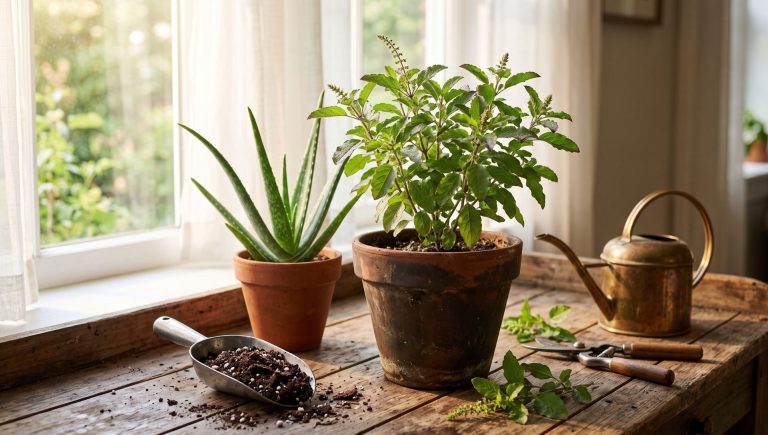
Many gardeners pack up at the end of summer, thinking their growing season is over. But September is actually a golden window for planting—especially when it comes to healing herbs. The soil is still warm, the air is cooler, and plants that thrive in mild conditions get the perfect head start before winter.
Imagine sipping chamomile tea brewed from flowers you planted in September, or pulling fresh parsley from your raised bed to give your immune system a boost as the seasons change. By planting now, you’re not just gardening—you’re building a living medicine cabinet in your backyard.
Here are 10 healing herbs you can plant in September, along with their benefits, growing tips, and how to use them in your daily life.
1. Parsley – The Immunity Booster
Parsley is often dismissed as just a garnish, but it’s a powerhouse of nutrients. Rich in vitamin C, iron, and antioxidants, parsley helps boost immunity and support digestion—two things we all need as the cold season approaches.
- Planting tips: Parsley loves cooler soil and germinates slowly. Soak seeds overnight before sowing to speed up sprouting. Plant in a sunny to partially shaded spot.
- Healing uses: Chop fresh parsley into soups, teas, or salads to support respiratory health and reduce inflammation.
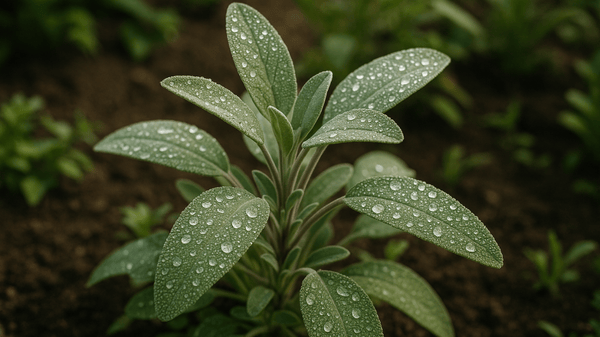
2. Sage – The Ancient Healer
Sage has been used for centuries in medicine and rituals. It’s valued for its antimicrobial and anti-inflammatory properties, making it a natural remedy for sore throats, coughs, and even brain health.
- Planting tips: Sage thrives in well-drained soil. Plant young transplants in September so roots can establish before frost.
- Healing uses: Brew sage tea for sore throats, or burn dried sage leaves for traditional cleansing rituals.
3. Thyme – Nature’s Antibiotic
Thyme is one of the most resilient herbs you can grow, especially in fall. Known as a natural antibiotic, thyme has strong antibacterial and antifungal powers, making it perfect for winter colds and coughs.
- Planting tips: Thyme thrives in cooler temperatures and poor soil. Plant cuttings or small plants in a sunny spot.
- Healing uses: Add thyme to steam inhalations for congestion relief, or brew as a tea to fight infections.
4. Chamomile – The Calming Flower
Chamomile isn’t just a tea—it’s a gentle healer. With anti-inflammatory, calming, and digestive benefits, this delicate flower is perfect for fall planting.
- Planting tips: Sow chamomile seeds directly in September, where they’ll germinate quickly in cooler soil.
- Healing uses: Drink chamomile tea before bed for better sleep, or apply cooled tea bags to irritated skin.
5. Lemon Balm – The Stress Reliever
Cool September evenings are the perfect time for lemon balm to take root. With a fresh lemony scent, it’s prized for its ability to calm anxiety, improve sleep, and soothe digestion.
- Planting tips: Lemon balm grows quickly and can be invasive—plant in containers or dedicate a small raised bed section.
- Healing uses: Brew tea to reduce stress, or crush fresh leaves and apply to cold sores as a natural antiviral remedy.
6. Oregano – The Cold Fighter
Oregano is more than just a pizza topping. Packed with antiviral, antibacterial, and antioxidant compounds, oregano helps strengthen the immune system and fight off seasonal colds.
- Planting tips: September’s mild sun is perfect for oregano transplants. It prefers dry, well-drained soil.
- Healing uses: Use oregano oil for respiratory health, or steep fresh leaves in hot water for a natural cold remedy.
7. Echinacea – The Immune Warrior
Known as the go-to herb for colds and flu, echinacea stimulates the immune system and supports white blood cell activity. Planting in September ensures strong roots for spring blooms.
- Planting tips: Sow seeds in fall or plant young echinacea roots. They’ll overwinter and return stronger in spring.
- Healing uses: Drink echinacea tea or tincture at the first sign of a cold to reduce severity and duration.
8. Garlic – The Natural Antibiotic
Garlic is one of the most famous healing herbs, renowned for its antiviral, antibacterial, and heart-protective properties. It’s also the classic fall planting crop.
- Planting tips: Separate garlic bulbs into cloves and plant each one 2 inches deep in September. They’ll grow roots over winter and be ready for harvest in summer.
- Healing uses: Eat raw garlic for immune defense, or use in cooking for daily wellness support.
9. Lavender – The Relaxation Herb
Lavender is loved for its fragrance and beauty, but it’s also a healing herb for anxiety, sleep, and skin health. Fall planting gives lavender time to root deeply before cold weather sets in.
- Planting tips: Lavender needs full sun and well-drained soil. In cooler regions, mulch heavily for winter survival.
- Healing uses: Place dried lavender under your pillow for sleep, or use essential oil to calm stress and soothe burns.
10. Rosemary – The Memory Herb
Rosemary is more than just a culinary herb—it’s associated with improved memory, circulation, and antioxidant support. Planting in September helps roots establish for a strong spring season.
- Planting tips: In colder regions, grow rosemary in containers to bring indoors during winter.
- Healing uses: Use rosemary tea for focus, or apply infused oil to sore muscles for relief.
Related Post: 10 Powerful Medicinal Plants: The Forgotten Ancient Healing Herbs.
Tips for Growing Healing Herbs in September
- Choose hardy perennials and biennials for longer-term harvests.
- Mulch well to protect roots from frost.
- Use containers for tender herbs so you can move them indoors.
- Pair herbs with companion vegetables to improve soil health and deter pests.
Harvesting and Using Your Healing Herbs
Once your herbs are growing, you’ll want to preserve them for year-round use:
- Fresh use: Harvest small amounts as needed to encourage more growth.
- Drying: Tie small bundles and hang upside down in a dry, dark place. Store dried herbs in airtight jars.
- Teas and infusions: Chamomile, lemon balm, and sage make soothing herbal teas.
- Tinctures and oils: Extract the healing compounds of herbs like oregano or echinacea for long-term remedies.
FAQs About Planting Healing Herbs in September
Q: Which healing herbs are easiest for beginners?
Parsley, sage, and thyme are hardy, forgiving, and thrive in fall.
Q: Can herbs survive winter in cold climates?
Yes—perennials like thyme, sage, and lavender survive with mulch, while tender herbs like rosemary can be overwintered indoors.
Q: Do healing herbs grow better in pots or raised beds?
Both work. Containers allow easy mobility indoors, while raised beds offer deeper soil and better drainage.
Q: How soon can I start harvesting after planting in fall?
Fast growers like parsley and radishes can be harvested within weeks; slower herbs may be ready in spring.
Conclusion: Grow Your Own Healing Medicine Cabinet This Fall
September isn’t the end of the growing season—it’s the beginning of something special. By planting healing herbs now, you’ll strengthen your immune system, reduce stress, and create natural remedies that last well into winter.
From parsley’s immune-boosting power to lavender’s calming fragrance, each herb offers more than flavor—it offers wellness.
So why not start your healing herb garden this September? Pick a few of these 10 herbs, plant them in your raised beds or pots, and enjoy the gift of fresh, homegrown medicine just outside your door.
✨ Your turn: Which healing herb will you plant first? Share in the comments—I’d love to hear your herbal garden plans!