Septic tank failure rarely happens without warning. Slow drains, foul odors, soggy yard patches, sewage backups, and unusually green grass are all red flags that something is wrong underground. Catching these signs early can mean the difference between a cheap fix and an expensive replacement. Understanding what each symptom means—and how to address it—starts with knowing exactly what to look for.

Key Takeaways
- Slow drains throughout multiple fixtures signal septic capacity issues or blockages that can escalate into complete system failure if ignored.
- Foul odors near drains or your yard indicate a full or blocked tank releasing harmful gases like hydrogen sulfide.
- Wet, soggy patches over your drain field suggest wastewater absorption failure, requiring immediate reduction in household water usage.
- Sewage backing up into sinks or tubs signals severe system failure, identifiable by gurgling sounds and slow drainage.
- Regular pumping every few years costs $300–$600, far cheaper than drain field replacement, which can exceed $10,000.
Slow Drains Throughout Your Home

Slow drains throughout a home are one of the earliest and most telling signs of a failing septic system. Unlike a single clogged drain, widespread sluggishness across multiple fixtures — sinks, toilets, and tubs — indicates a deeper systemic problem.
When the septic tank reaches capacity or experiences blockages, wastewater has nowhere to go, creating backup pressure throughout the plumbing system. Exploring drainage solutions early can prevent costly repairs and significant property damage.
Homeowners should prioritize plumbing maintenance by scheduling routine inspections, pumping the tank every three to five years, and monitoring water usage. Ignoring slow drains often leads to complete system failure, sewage backups, and expensive replacements. Early intervention remains the most practical and affordable approach to managing septic system health effectively.
Foul Odors Near Your Drains or Yard
Foul odors near drains or in the yard are a reliable indicator that a septic system is malfunctioning. When a tank reaches capacity or develops a blockage, trapped gases escape through the nearest available openings.
Common septic odors sources include bathroom drains, kitchen sinks, and outdoor drains surrounding the drain field. These gases contain hydrogen sulfide and methane, which produce a distinct rotten egg smell.
Homeowners who detect persistent odors indoors or near the drain field should act quickly. Ignoring these warning signs allows waste to accumulate further, increasing repair costs considerably. A professional inspection can identify whether the odor stems from a full tank, a blocked vent pipe, or a compromised drain field, enabling targeted and cost-effective solutions.
Editor’s Note: If you want to eliminate that embarrassing yard odor and avoid a massive plumbing bill this summer, make sure your sound is on and watch this short video presentation. You will see the exact science behind how these dissolving oxygen tablets break down sludge and eliminate odors in just 3 days.
Wet or Soggy Patches Over the Drain Field
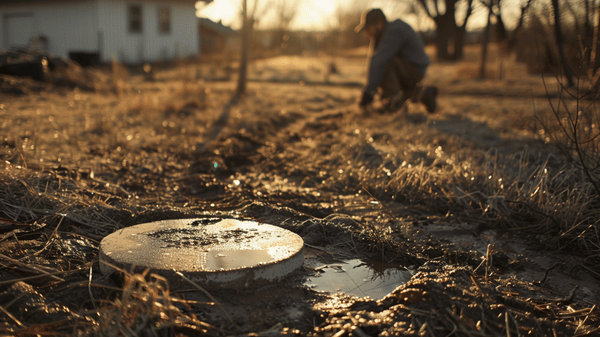
Wet or soggy patches appearing over the drain field are a clear sign that a septic system is struggling to process and distribute wastewater properly. When soil saturation occurs, the ground can no longer absorb treated water efficiently, causing it to pool on the surface.
This often results from a clogged or overloaded system that pushes excess water into the drain field faster than the soil can handle. Neglecting drain field maintenance accelerates this problem, potentially leading to complete system failure.
Homeowners should reduce water usage immediately and avoid parking vehicles or placing heavy objects over the drain field. A professional inspection can identify whether the issue stems from a clogged pipe, damaged distribution box, or deteriorating soil conditions requiring targeted repairs.
Sewage Backing Up Into Your Home
Sewage backing up into a home ranks among the most alarming signs of septic system failure. When the tank reaches capacity or sustains damage, waste has nowhere to go except backward through the plumbing. Sewage odors accompanying this backup confirm a serious problem requiring immediate attention. Homeowners should recognize these key warning indicators:
- Gurgling sounds coming from toilets or drains
- Slow drainage across multiple fixtures simultaneously
- Wastewater appearing in bathtubs or floor drains
- Persistent sewage odors near sinks or toilets
These plumbing issues typically signal a full tank, a blocked drain line, or a damaged distribution system. Addressing backups promptly prevents costly structural damage and serious health hazards. Professional inspection remains essential when multiple symptoms appear together.
Unusually Green Grass Over the Septic Field
While a lush, green lawn might seem desirable, unusually vibrant grass growing directly over a septic drain field often signals a failing system. When a septic tank leaks or overflows, excess nutrients and moisture seep into the surrounding soil, acting as unintended fertilizer. This creates a noticeable patch of greener, faster-growing grass compared to the rest of the yard.
Though septic system aesthetics may appear improved, this visual difference indicates wastewater is escaping where it should not. The excess moisture disrupts proper lawn health by creating waterlogged conditions that can attract pests and promote weed growth over time.
Homeowners noticing this pattern should schedule a professional inspection promptly. Early detection prevents minor drainage issues from escalating into costly repairs or complete system replacement.
What Causes Septic Tank Failure in the First Place?

Septic tank failure rarely happens without a clear cause, and understanding those causes helps homeowners take preventive action. Poor maintenance habits, such as skipping routine pumping or flushing non-biodegradable materials, allow solids to accumulate and clog the system. Drain field damage from heavy vehicles, tree roots, or soil compaction—combined with an overloaded system that exceeds its design capacity—can accelerate the breakdown of the entire septic system.
Poor Maintenance Habits
Many septic tank failures stem directly from poor maintenance habits rather than mechanical defects or age. Neglecting a proper septic tank maintenance routine accelerates system deterioration markedly. Homeowners who skip a regular cleaning schedule allow solids to accumulate beyond safe levels, triggering costly failures.
Common poor maintenance habits include:
- Skipping routine pumping every three to five years
- Flushing non-biodegradable items such as wipes, plastics, or paper towels
- Pouring grease, chemicals, or harsh cleaners down drains
- Ignoring early warning signs like slow drains or odors
Each habit compounds system stress over time. Solids overflow into the drain field, clogging soil and disrupting filtration. Consistent maintenance prevents these cascading problems and extends the system’s functional lifespan significantly.
Drain Field Damage
Drain field damage ranks among the most serious and costly causes of septic system failure. The drain field absorbs and filters wastewater released from the tank. When this area becomes compromised, the entire system can fail rapidly.
Several factors contribute to drain field damage. Compacted soil from heavy vehicle traffic restricts wastewater absorption. Tree roots infiltrate pipes, causing blockages and structural breaks. Saturated soil from excessive rainfall prevents proper drainage. Neglected drain maintenance accelerates deterioration by allowing solids to overflow into the field, clogging the soil permanently.
Homeowners should exercise field caution by avoiding construction, parking, or planting near drain field zones. Protecting this area is essential. Once a drain field fails, restoration typically requires complete replacement, making prevention the most practical and affordable approach.
Overloaded System Capacity
While drain field damage often develops gradually, system overload can push a septic tank toward failure much faster. System overcapacity occurs when a tank receives more waste than it can process, disrupting the natural treatment cycle. Effective septic tank management requires understanding what triggers this imbalance.
Common causes of system overload include:
- Excessive water usage — Running multiple appliances simultaneously floods the tank faster than bacteria can break down solids.
- Large household gatherings — Sudden spikes in toilet and drain usage overwhelm system capacity quickly.
- Leaking fixtures — Constantly dripping faucets introduce unnecessary water volume over time.
- Improper waste disposal — Flushing non-biodegradable items forces the system to handle materials it cannot process.
Recognizing these triggers early helps prevent irreversible damage.
Cheap Fixes That Work for Early-Stage Septic Problems
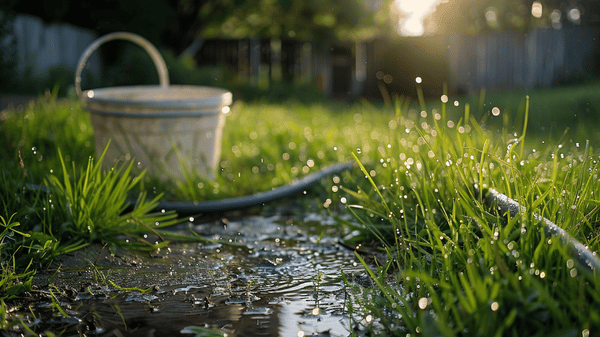
When a septic system shows early warning signs, addressing the problem quickly can prevent costly repairs. Biological additives containing bacteria and enzymes can restore the natural balance inside the tank, breaking down waste more efficiently.
Pumping out accumulated solids before they overflow into the drain field and repairing any visible leaks in pipes or tank components are also low-cost steps that can extend the system’s lifespan greatly. Budgeting for unexpected repairs and maintenance ensures long-term sustainability and prevents minor issues from escalating into expensive system failures.
Biological Additives Restore Balance
Biological additives offer a straightforward and affordable option for homeowners dealing with early-stage septic issues. These biological treatments introduce beneficial bacteria and enzymes that restore microbial balance within the tank, improving waste breakdown and supporting long-term septic maintenance.
How Biological Additives Help:
- Restore Bacterial Balance – Replenish bacteria lost due to antibacterial soap or harsh cleaning products.
- Improve Waste Breakdown – Enzymes accelerate the decomposition of solid waste, reducing buildup.
- Reduce Odors – A healthier bacterial environment minimizes foul gases escaping from the system.
- Extend Pump Intervals – Consistent use slows sludge accumulation, reducing pumping frequency.
Available at most hardware stores, these products are cost-effective and easy to apply. Monthly treatments provide the best results when combined with responsible household water usage.
Pump Out Solids Early
Pumping out solids early ranks among the most effective and affordable interventions for a struggling septic system. When sludge and scum layers accumulate beyond safe levels, they force untreated waste into the drain field, causing costly damage. Early pumping removes this buildup before it reaches critical thresholds.
Most professionals recommend establishing a maintenance schedule based on household size and tank capacity. A typical three-bedroom home requires pumping every three to five years. However, systems showing early warning signs may need more frequent service.
Early pumping costs between $300 and $600, a fraction of drain field replacement expenses exceeding $10,000. Homeowners who commit to consistent early pumping prevent minor issues from escalating into structural failures. This straightforward intervention extends system lifespan considerably while keeping repair costs manageable. Scheduling pump-outs every 3-5 years also protects the distribution box outlets from becoming overwhelmed with solids that disrupt uniform effluent flow to the drain field.
Fix Leaks Immediately
Early pumping addresses internal buildup, but leaks represent an entirely different threat to septic system integrity. Effective leak detection requires inspecting tank lids, inlet and outlet pipes, and distribution boxes for cracks or gaps. Addressing leaks promptly prevents groundwater contamination and system failure.
Affordable repair options include:
- Hydraulic cement seals minor cracks in concrete tanks quickly and inexpensively.
- Epoxy pipe sealants repair small pipe joints without full replacement.
- Rubber gasket replacements fix leaking lid seals at minimal cost.
- PVC coupling patches address cracked distribution box connections effectively.
Homeowners who identify leaks early avoid costly excavation and tank replacement. Professional inspections confirm leak locations when visual checks prove insufficient. Acting immediately keeps repair costs manageable and protects surrounding soil from harmful effluent contamination.
When to Call a Pro Instead of Doing It Yourself
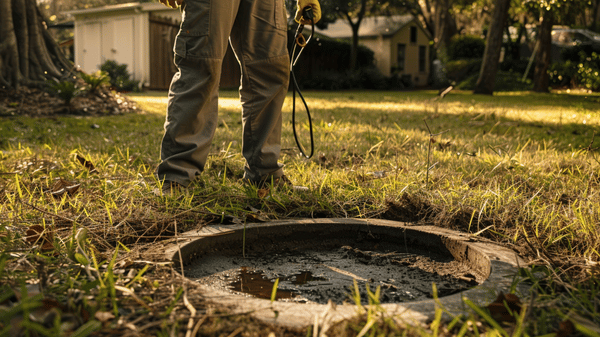
While some early-stage septic issues respond well to basic maintenance, certain warning signs demand immediate professional intervention. Sewage backups inside the home, gurgling drains, or the smell of raw sewage near the tank indicate serious system failures that go beyond DIY capabilities.
Structural damage to the tank itself, such as cracked walls or a collapsed baffle, alongside major drain field failures, requires licensed technicians with specialized equipment to diagnose and repair safely. Proper water conservation practices around your property can also help reduce the strain on a struggling septic system while you await professional repairs.
Sewage Backup Signs
Sewage backup is one of the most alarming signs that a septic system is failing. Recognizing the warning signs early can prevent costly repairs and health hazards. Homeowners should watch for these four key indicators:
- Multiple drains gurgling or draining slowly, suggesting clogged pipes throughout the system.
- Sewage odors inside the home, particularly near toilets, sinks, or floor drains.
- Wastewater backing up into tubs or sinks, indicating the tank has reached capacity.
- Wet spots or sewage surfacing in the yard, signaling drain field failure.
When these signs appear together, professional intervention becomes necessary. A licensed septic technician can diagnose the root cause accurately. Delaying action risks contaminating groundwater and increasing repair expenses considerably.
Tank Structural Damage
Beyond sewage backup, physical damage to the septic tank itself presents serious risks that require professional assessment. Cracks, corrosion, and collapsed baffles compromise structural integrity, turning a manageable repair into a costly replacement. Regular septic tank inspections catch these problems early.
| Damage Type | Warning Sign | Professional Action |
|---|---|---|
| Cracked walls | Soggy ground above tank | Structural sealing |
| Corroded lid | Visible rust or holes | Full lid replacement |
| Collapsed baffle | Solid waste in drain field | Baffle reconstruction |
| Root intrusion | Tree roots near access point | Root removal and patching |
| Sunken tank | Ground depression above tank | Soil stabilization |
Homeowners should never attempt structural repairs independently. These failures demand licensed professionals who carry proper equipment, ensuring safe and code-compliant restoration.
Major System Failures
Certain septic system failures demand immediate professional intervention, as delayed responses can escalate repair costs and create serious health hazards. Recognizing these critical situations helps homeowners avoid unnecessary emergency costs and prevents premature system replacements.
Situations Requiring Professional Assistance:
- Complete system backup — sewage returning through multiple drains simultaneously indicates total failure.
- Drain field saturation — persistent soggy ground over leach lines signals irreversible absorption failure.
- Structural tank collapse — compromised tank walls create immediate contamination and safety risks.
- Groundwater contamination — nearby wells testing positive for bacteria require certified remediation specialists.
Attempting DIY repairs on these failures typically worsens damage and increases overall expenses. Licensed septic professionals possess specialized equipment and regulatory knowledge necessary for safe, code-compliant restorations that protect both property and public health.
How to Keep Your Septic Tank From Failing Again

Preventing future septic tank failures starts with scheduling regular professional inspections, which can identify small problems before they escalate into costly repairs. Homeowners should also monitor their water usage carefully, since excessive water flow can overwhelm the system and disrupt the natural treatment process. Finally, protecting the drain field by avoiding heavy vehicle traffic, deep-rooted plantings, and surface water runoff guarantees the soil maintains its ability to properly filter and absorb wastewater.
Schedule Regular Tank Inspections
Regular inspections are one of the most effective ways to prevent a septic system from failing again. Septic inspection frequency matters — most systems require professional evaluation every one to three years. The benefits of inspections include catching small problems before they become costly repairs. Homeowners should follow these steps:
- Schedule professional inspections every one to three years based on household size.
- Check tank levels annually to monitor sludge and scum buildup.
- Inspect drain field conditions for signs of saturation or unusual odors.
- Review maintenance records to track pumping schedules and previous repairs.
Consistent inspections extend system lifespan and protect property value. Neglecting routine evaluations often leads to premature system failure and expensive replacements.
Watch Your Water Usage
Excessive water use is one of the most common causes of septic system stress, and managing household consumption directly reduces the risk of repeat failure. Overloading the tank with too much water prevents proper waste separation and pushes untreated effluent into the drain field.
Water conservation strategies, such as fixing leaky faucets, installing low-flow fixtures, and spreading laundry loads throughout the week, considerably reduce strain on the system. Monitoring habits also play a critical role.
Homeowners should track daily water usage and identify patterns that consistently exceed the tank’s designed capacity. Simple adjustments, like shorter showers and running dishwashers only when full, make a measurable difference. Consistent attention to water consumption keeps the septic system functioning efficiently and extends its operational lifespan.
Protect Your Drain Field
The drain field is one of the most vulnerable components of a septic system, and protecting it is essential to long-term performance. Proper drain field maintenance preserves soil permeability, allowing wastewater to filter efficiently through the ground.
Follow these key practices to protect the drain field:
- Avoid parking vehicles or heavy equipment over the drain field, as compacted soil reduces permeability.
- Redirect surface water runoff away from the area to prevent oversaturation.
- Keep trees and shrubs at a distance, since roots can penetrate and damage drain field pipes.
- Never dump grease, chemicals, or non-biodegradable materials down drains, as these clog soil pores.
Consistent drain field maintenance greatly extends system lifespan and reduces costly repair needs.
Frequently Asked Questions
How Long Does a Typical Septic Tank Last Before Needing Replacement?
A homeowner in rural Ohio discovered their 1978 concrete septic tank had finally cracked after 45 years of service. Septic tank lifespan typically ranges from 20 to 40 years, depending on material, maintenance, and soil conditions. Concrete tanks last longest; fiberglass and plastic may degrade sooner. Monitoring replacement signs — including persistent odors, slow drains, and soggy yard patches — helps homeowners address problems before complete system failure becomes necessary.
Can Heavy Rainfall Cause a Septic System to Fail Suddenly?
Heavy rainfall effects can overwhelm a septic system, causing sudden failure. Excess water saturates the drain field, preventing proper waste absorption. This leads to septic system overload, forcing untreated sewage to back up into the home or surface above ground. Prolonged wet conditions restrict bacterial activity in the tank, reducing waste breakdown. Homeowners in flood-prone areas should inspect their systems regularly and guarantee proper drainage around the tank.
Does Homeowners Insurance Ever Cover Septic Tank Repairs or Replacement?
Why do so many homeowners assume their septic system is fully covered? Homeowners insurance rarely covers septic tank repairs or replacement. Most policies exclude damage caused by neglect, age, or gradual deterioration. Coverage limitations typically apply, meaning sudden, accidental damage may qualify, but routine failures usually do not. Homeowners should review their policy carefully and explore repair options, such as supplemental coverage or home warranty plans, for better protection.
How Does a Septic Tank Differ From a Municipal Sewer Connection?
A septic tank is a self-contained, on-site system that collects, treats, and disperses household wastewater through a drain field. Municipal sewer connections, by contrast, transfer waste to a centralized treatment facility. Homeowners with septic systems bear full responsibility for septic tank maintenance, including pumping and inspections. Municipal sewer benefits include reduced personal maintenance obligations, though monthly utility fees apply. Both systems effectively manage wastewater but differ notably in cost structure and homeowner responsibility.
Are Certain Household Cleaners Safer to Use With Septic Systems?
Like oil and water, harsh chemical cleaners and septic systems simply do not mix. Certain household cleaners are safer for septic systems than others. Natural cleaners, such as vinegar and baking soda, avoid disrupting beneficial bacteria. Bleach and antibacterial soaps, however, can kill these microorganisms, impairing waste breakdown. Enzyme treatments actively support bacterial activity, improving system efficiency. Homeowners should select biodegradable, septic-safe products to maintain a healthy, functioning system.
Conclusion
A septic system is like the foundation of a house — invisible, overlooked, yet essential to everything above it. When cracks form, the entire structure suffers. The warning signs discussed here are not inconveniences; they are urgent signals demanding attention. Addressing problems early, through regular pumping, bacterial additives, and mindful water use, prevents minor faults from becoming catastrophic failures. Protecting this underground system means protecting the home it quietly serves.