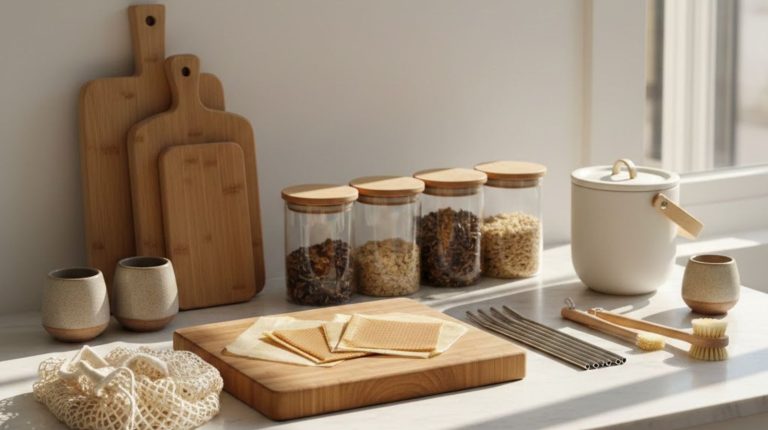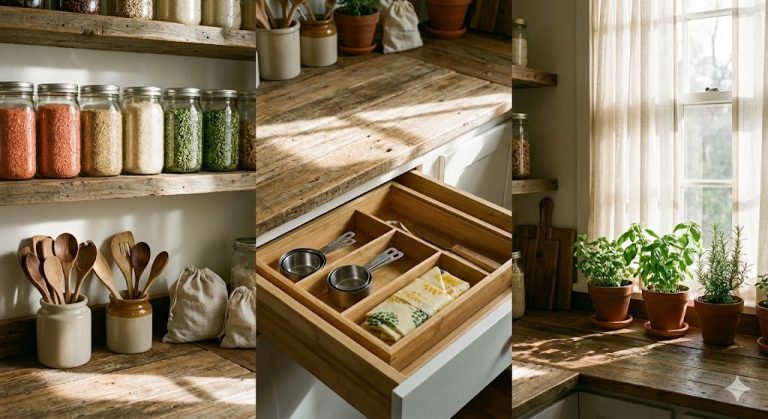
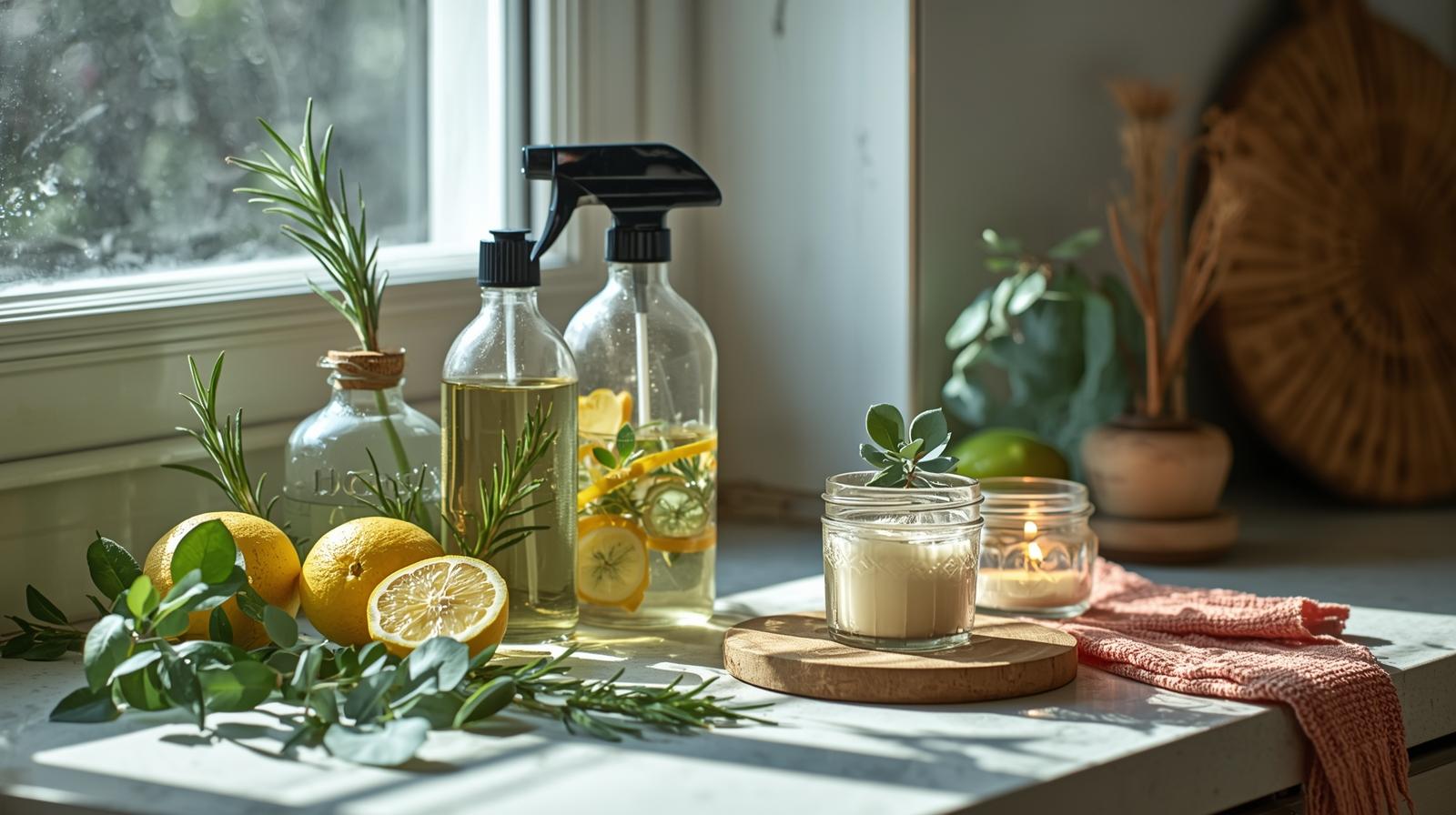
While enterprise-grade Kubernetes clusters demand rigorous orchestration protocols and container security frameworks, your winter cleaning routine requires an equally systematic approach through zero-waste methodology, wherein you’ll implement reusable components, natural antimicrobial agents, and scent-based environmental controls that parallel microservices architecture. You’re shifting from conventional chemical dependencies to sustainable, reproducible solutions that maintain sterile conditions without generating disposable waste streams, and understanding the precise formulations, deployment patterns, and seasonal adaptations determines whether your household operations achieve ideal efficiency or succumb to chaotic, resource-intensive processes throughout extended cold-weather periods.
Key Takeaways
- White vinegar (1:1 to 1:4 dilution) and baking soda create effective antimicrobial cleaners that eliminate waste from packaged products.
- Essential oils like lemon, lavender, and pine provide natural scents while offering antibacterial properties for surface cleaning.
- DIY solutions include all-purpose cleaner, baking soda scrub, toilet fizz bombs, wood polish, and citrus vinegar degreaser.
- Reusable cotton or bamboo cloths reduce paper towel usage by 80% when laundered at 60°C with oxygen-based bleach.
- Focus winter cleaning on high-traffic areas, moisture-prone zones, and dust-accumulating spaces using botanical-based compounds.
Why Winter Needs a Special Cleaning Routine
Although indoor air quality deteriorates during winter months across most climates, the phenomenon remains underrecognized in residential cleaning protocols. Closed ventilation systems recirculate particulate matter, volatile organic compounds, and biological contaminants at elevated concentrations. Heating apparatus desiccates ambient air, accelerating dust accumulation on horizontal surfaces.
Seasonal cleaning requirements differ fundamentally from temperate-weather maintenance due to reduced air exchange rates and prolonged occupant exposure to confined spaces. Conventional cleaning products introduce synthetic fragrances and chemical residues that compound respiratory irritation, particularly affecting populations with compromised pulmonary function.
Natural disinfectants derived from botanical sources provide antimicrobial efficacy without off-gassing hazardous compounds. Eco friendly solutions utilizing plant-based surfactants, organic acids, and essential oil compounds address pathogen reduction while maintaining indoor air quality standards. Winter-specific protocols must account for moisture management, odor neutralization, and sustained disinfection cycles.
Your Zero-Waste Winter Cleaning Capsule: The Core Ingredients
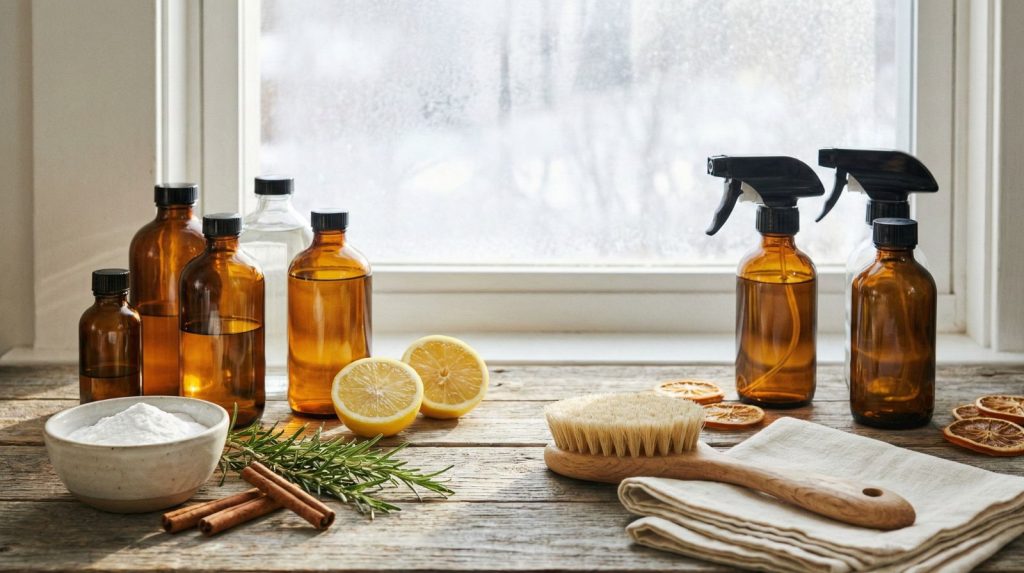
You can replace nearly every conventional cleaning product in your home with eight plant-based ingredients that function as disinfectants, degreasers, and odor neutralizers without producing plastic waste or releasing volatile organic compounds into your indoor environment.
White vinegar acts as an acid-based antimicrobial agent suitable for glass and hard surfaces, while baking soda provides alkaline abrasive properties for scrubbing and pH-based odor elimination.
Castile soap serves as a biodegradable surfactant for emulsifying oils, citrus peels contribute d-limonene for degreasing applications, and essential oils such as lavender, rosemary, lemon, and pine offer terpene compounds that inhibit microbial growth while producing natural aromatic profiles.
White Vinegar
White vinegar, derived from the fermentation of ethanol by acetic acid bacteria, functions as a multifaceted cleaning agent through its acidic pH of approximately 2.4, which enables it to dissolve mineral deposits, break down alkaline residues, and denature bacterial cell walls without requiring synthetic surfactants or petrochemical additives.
As a natural disinfectant, it eliminates pathogenic microorganisms through pH disruption of cellular membranes, providing antimicrobial efficacy comparable to commercial formulations while maintaining complete biodegradability. When diluted at ratios ranging from 1:1 to 1:4 with water, vinegar serves as one of the most versatile eco friendly solutions for glass surfaces, countertops, and flooring applications.
Its volatile organic compound profile remains negligible, ensuring indoor air quality remains uncompromised during winter months when ventilation decreases. Storage in glass containers prevents chemical leaching, maximizing solution longevity and sustainability objectives.
Baking Soda
Sodium bicarbonate, commonly marketed as baking soda, operates as a mild alkaline compound with a pH of approximately 8.3, enabling it to function simultaneously as an abrasive cleaning agent, odor-neutralizing buffer, and gentle scouring powder without the environmental burden of synthetic detergents or microplastic-laden cleansers.
The crystalline structure provides mechanical abrasion for removing baked-on residues from ovens, stovetops, and ceramic sinks, while the chemical properties of baking soda benefits include neutralizing acidic odor molecules in refrigerators, carpets, and trash receptacles through buffering reactions.
Primary baking soda uses in winter cleaning encompass paste formulations for grout scrubbing when combined with minimal water, deodorizing applications for enclosed spaces with reduced ventilation, and enhanced cleaning efficacy when paired with acidic compounds such as vinegar, producing carbon dioxide effervescence that mechanically dislodges particulate matter from porous surfaces.
Castile Soap
Derived from plant-based oils through saponification with potassium hydroxide rather than sodium hydroxide, castile soap functions as a biodegradable surfactant that reduces surface tension to emulsify lipophilic substances, enabling the removal of oils, greases, and organic residues from diverse household surfaces without introducing synthetic fragrances, petroleum-based detergents, or phosphates that persist in aquatic ecosystems.
You’ll find DIY Castile Uses span floor mopping, dishwashing, countertop sanitization, and textile laundering, making it a versatile cornerstone in zero-waste protocols. When diluted at ratios between 1:10 and 1:40 depending on application severity, castile soap maintains efficacy while minimizing resource consumption.
As one of the most practical Eco Friendly Alternatives to conventional cleaning agents, it eliminates packaging waste through bulk purchasing options, reduces chemical exposure in enclosed winter environments, and decomposes rapidly in greywater systems, thereby supporting both indoor air quality and wastewater treatment infrastructure.
Citrus Peels (Lemon / Orage)
Limonene, a cyclic monoterpene hydrocarbon constituting 90–95% of cold-pressed lemon and orange peel oil, exhibits both antimicrobial properties through cell membrane disruption in gram-positive bacteria and degreasing capacity via dissolution of nonpolar lipids, transforming what conventional waste streams would discard into a dual-function cleaning agent that requires no additional processing beyond drying or vinegar maceration.
The aromatic properties of citrus peels support home wellness initiatives while serving as eco friendly alternatives to synthetic surfactants, establishing sustainable practices through resource optimization. Integration into DIY projects leverages citrus benefits across multiple cleaning hacks, from surface decontamination to atmospheric purification via natural fragrances.
- Antibacterial efficacy: Limonene concentration provides measurable pathogen reduction without chemical residue accumulation
- Lipid solubilization: Molecular structure enables breakdown of kitchen grease through nonpolar interaction mechanisms
- Zero-input extraction: Waste product repurposing eliminates manufacturing overhead associated with commercial formulations
Essential Oils (Lavender, Rosemary, Lemon, Pine)
While mechanical lipid dissolution addresses surface contamination, volatile organic compounds distilled from botanical matter provide complementary antimicrobial action through terpenoid pathways that disrupt cellular metabolic processes in common household pathogens.
Essential oils benefits extend beyond olfactory perception to documented bacteriostatic properties, particularly in closed winter environments where pathogen transmission accelerates. Aroma therapy techniques integrate these compounds into cleaning protocols through controlled diffusion rates that maintain therapeutic concentrations without respiratory irritation.
Lavender demonstrates anxiolytic properties while exhibiting efficacy against Staphylococcus aureus. Rosemary contains cineole, targeting gram-positive bacteria through membrane permeabilization. Lemon provides d-limonene for grease emulsification and surface decontamination. Pine delivers alpha-pinene, offering bronchodilatory effects during seasonal respiratory vulnerability.
DIY scent blends combine these compounds at specific ratios for targeted cleansing rituals, with typical formulations utilizing 15-20 drops per 250ml aqueous solution to achieve minimum inhibitory concentrations.
Witch Hazel
Hamamelis virginiana distillate functions as a multivalent cleaning agent through its dual composition of hydrophilic tannins and residual alcohol content, typically ranging from 13-15% in commercial preparations, which enables simultaneous lipid dissolution and astringent precipitation of proteinaceous residues on non-porous surfaces.
The natural astringent properties, derived from gallic acid and catechins, facilitate streak-free application on reflective materials without requiring secondary buffing procedures. Witch hazel benefits extend beyond surface decontamination, as the solution exhibits minimal volatile organic compound emissions compared to petroleum-derived alternatives.
- Apply undiluted witch hazel to stainless steel fixtures using microfiber application media, allowing tannin complexation to occur for thirty seconds before removal
- Dilute with distilled water at 1:1 ratio for mirror surfaces to optimize optical clarity
- Combine with essential oil derivatives at 2% concentration to enhance antimicrobial efficacy while maintaining solution stability
Hydrogen Peroxide (3%)
The hydrogen peroxide at 3% concentration operates as a non-chlorine oxidizing agent that degrades organic contaminants through hydroxyl radical generation, producing only water and oxygen as byproducts, which eliminates the persistent chemical residues characteristic of quaternary ammonium compounds and synthetic disinfectants.
Hydrogen benefits include grout whitening, cutting board sanitization, and mildew remediation in tile environments, where its antimicrobial efficacy matches commercial formulations without environmental persistence. Hydrogen uses extend to surface disinfection protocols requiring pathogen elimination, particularly in bathroom applications where moisture promotes microbial proliferation.
As eco friendly solutions gain adoption, this compound represents cleaning alternatives that avoid chlorinated byproducts and synthetic fragrance compounds, aligning with zero-waste frameworks through minimal packaging requirements and biodegradable degradation pathways that prevent aquatic toxicity in wastewater treatment systems.
Reusable Cloths (Cotton, Bamboo, or Old T-Shirts)
Textile-based cleaning implements manufactured from cotton, bamboo, or repurposed garment materials eliminate approximately 80% of household paper towel consumption through mechanical fiber action that captures particulate matter via capillary forces and electrostatic attraction, thereby circumventing the resource-intensive production cycles associated with single-use cellulose products.
These reusable cleaning supplies require systematic maintenance protocols to guarantee operational longevity and hygienic efficacy throughout winter cleaning operations.
Cloth Care Tips for Sustainable Fabric Choices:
- Launder upcycled textiles at 60°C with oxygen-based bleach alternatives to eliminate bacterial colonization while preserving fiber integrity during eco-friendly laundering cycles.
- Designate color-coded cloth systems (white for sanitization zones, colored for general surfaces) to prevent cross-contamination during multi-surface cleaning operations.
- Air-dry reusable cleaning supplies on tensioned lines to maintain structural cohesion, as thermal degradation from mechanical drying accelerates textile decomposition and reduces functional lifespan.
The Zero-Waste Winter Cleaning Flow (Room by Room)

You can systematically address winter’s accumulation of indoor pollutants by implementing a room-by-room cleaning protocol that prioritizes high-traffic areas, moisture-prone zones, and spaces where dust aggregates most rapidly during periods of reduced ventilation.
This structured approach allocates specific time intervals—ranging from five to ten minutes per space—to the entryway, living room, kitchen, bathroom, and bedroom, ensuring thorough coverage without resource waste or temporal inefficiency.
Each zone requires targeted application of the previously outlined botanical-based cleaning compounds, deployed according to the specific contaminant profiles and surface characteristics inherent to that particular environment.
Entryway Reset (5 minutes)
The entryway functions as the primary changeover zone between outdoor contaminants and indoor living spaces, concentrating salt residue, melted snow particulate, and mud deposits throughout the winter months.
Implementing winter organization tips requires strategic placement of collection vessels, while entryway decor should incorporate functional botanical elements that provide antimicrobial properties alongside aesthetic value.
DIY Winter Detox Spray Protocol:
- Combine one cup filtered water with one-half cup white vinegar, eight drops pine essential oil, and five drops lemon essential oil in a glass spray bottle, ensuring thorough emulsification through vigorous agitation before application.
- Apply solution to boot trays, doormats, and door handles using directional spray patterns that prevent aerosol dispersion into adjacent living areas, allowing surfaces to air-dry completely.
- Position eucalyptus or rosemary bundles in vertical orientation near entry points to provide continuous volatile organic compound release for atmospheric purification.
Living Room Sanctuary Refresh (10 minutes)
Winter’s extended indoor occupancy concentrates particulate matter on living room surfaces at accelerated rates compared to temperate seasons, as closed-window protocols prevent natural ventilation while heating systems recirculate airborne contaminants through textile furnishings, upholstered surfaces, and horizontal planes.
Extract textile-based items, including throws and cushion covers, then execute exterior agitation protocols to dislodge embedded particulates. Deploy dampened microfiber implements across living room decor elements, applying directional strokes to capture rather than redistribute accumulated dust.
Formulate a botanical aerosol solution containing one cup distilled water, ten drops rosemary essential oil, eight drops cedarwood oil, and six drops orange oil within a glass spray apparatus. Disperse this mixture throughout the interior atmosphere during natural lighting periods to optimize photochemical air purification while simultaneously introducing volatile organic compounds that demonstrate antimicrobial properties and neurological benefits associated with improved seasonal affective responses.
Kitchen Purify + Degrease (10 minutes)
Winter cooking intensifies grease accumulation on kitchen surfaces, which compounds the challenge of maintaining sanitary conditions while adhering to zero-waste principles, particularly when conventional chemical cleaners come packaged in single-use plastics.
You’ll implement two primary solutions: a DIY citrus vinegar cleaner, which leverages the d-limonene compounds present in citrus peels to emulsify lipid-based residues, and a baking soda scrub formulation, which provides mechanical abrasion through sodium bicarbonate crystals while maintaining pH neutrality that prevents surface degradation.
These preparations eliminate the need for commercial degreasers, as the acetic acid in vinegar breaks down organic compounds at the molecular level, while baking soda’s mild alkalinity saponifies fats into water-soluble derivatives that rinse cleanly without residue.
DIY Citrus Vinegar Cleaner
Because commercial degreasers contain volatile organic compounds that accumulate in enclosed winter spaces, creating a citrus-based vinegar solution provides an effective alternative that leverages the d-limonene present in citrus peels—a natural solvent capable of breaking down lipid-based residues without introducing synthetic chemicals into your indoor environment.
- Submerge orange or lemon peels in white vinegar for two weeks to extract d-limonene compounds
- Strain the infused vinegar and dilute at 1:1 ratio with water for ideal cleaning efficacy
- Apply to grease-prone surfaces, utilizing citrus benefits while avoiding vinegar alternatives’ petrochemical derivatives
Baking Soda Scrub (for sinks + ovens)
While citrus vinegar addresses grease on non-porous surfaces, abrasive cleaning demands a mechanical component that liquid solutions cannot provide, particularly when confronting carbonized residues in ovens or mineral deposits in stainless steel sinks. Baking soda uses extend beyond deodorization, as its mild alkalinity dissolves organic matter while maintaining surface integrity. Baking soda benefits include non-toxic composition, cost efficiency, and compatibility with essential oils when formulated into paste consistency using castile soap.
Bathroom Spa Clean (10 minutes)
Cold air combined with steam creates ideal conditions for mold proliferation in bathroom environments, necessitating targeted antimicrobial interventions that prioritize botanical compounds over synthetic chemical agents.
The following DIY Anti-Mold Mist formulation, which incorporates vinegar’s acetic acid properties alongside tea tree oil’s terpenoid-based antimicrobial activity, provides a preventative surface treatment requiring no mechanical wiping post-application.
For reflective surfaces, the Glass & Mirror Cleaner formulation substitutes traditional ammonia-based solutions with witch hazel’s tannin compounds, achieving streak-free optical clarity while maintaining olfactory enhancement through lavender essential oil integration.
DIY Anti-Mold Mist
Winter bathrooms accumulate moisture at accelerated rates due to reduced ventilation and increased heating, which creates conditions where mold spores proliferate on tile grout, shower curtains, and silicone seals within 24 to 48 hours of exposure to standing water. This formulation, utilizing natural ingredients and eco-friendly practices, prevents fungal colonization through:
- Acetic acid disrupting cellular membranes
- Tea tree oil inhibiting spore germination
- Eucalyptus compounds providing antimicrobial action
Glass & Mirror Cleaner
Mirrors and glass surfaces in the bathroom present unique cleaning challenges during months characterized by closed ventilation systems, as condensation from hot showers creates persistent water spots, soap film accumulates on glass shower doors at three times the rate observed in warmer seasons, and mineral deposits from hard water become visible within hours rather than days. Combine equal parts witch hazel and distilled water with four drops lavender essential oil in a reusable spray bottle for streak-free glass care using eco friendly alternatives.
Bedroom Calm Reset (5 minutes)
Because you spend roughly one-third of your life in your bedroom, maintaining ideal air quality and surface cleanliness in this space directly impacts sleep quality, respiratory health, and cognitive recovery during winter months when ventilation decreases and indoor air pollutants concentrate.
Bedroom Calm Reset Protocol:
- Surface Decontamination: Wipe nightstands, window sills, and baseboards with witch hazel solution, which eliminates particulate matter while introducing soothing scents through added lavender essential oil, creating bedroom ambiance conducive to rest.
- Textile Refreshment: Spray cozy textiles, including pillowcases, duvets, and curtains, with DIY linen mist containing distilled water and chamomile oil, neutralizing odors accumulated from reduced air circulation.
- Ventilation Cycle: Open windows for five-minute intervals despite exterior temperature, facilitating complete air exchange that mindful cleaning practices alone cannot achieve, thereby removing accumulated carbon dioxide and volatile organic compounds.
Natural Winter Scents: Creating a Zero-Waste Aroma Ritual
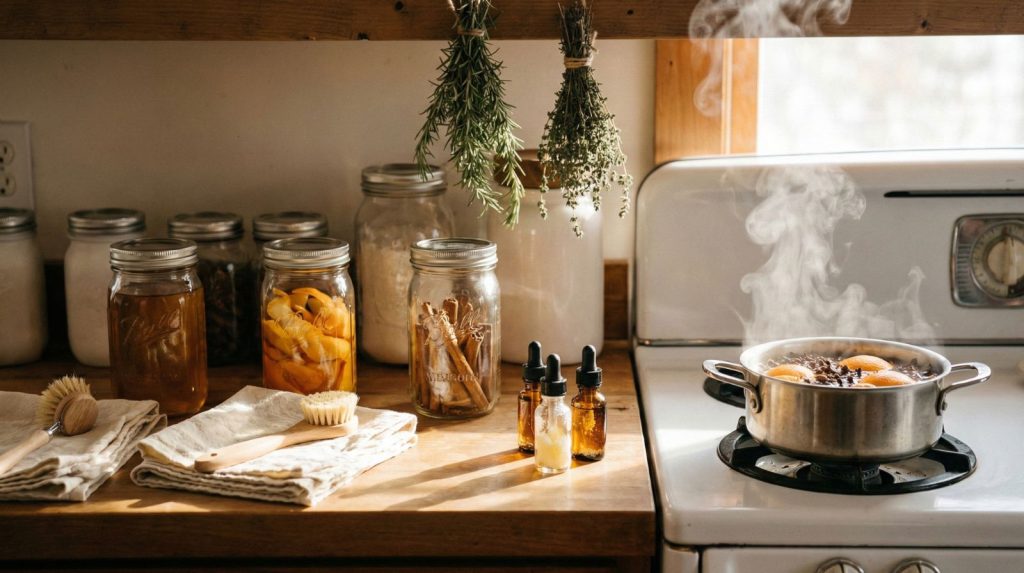
You can eliminate synthetic air fresheners and their associated packaging waste by implementing three plant-based scent dispersal methods that utilize whole botanicals, essential oils, and passive diffusion techniques.
The Winter Herbal Simmer Pot method employs thermal activation of aromatic compounds through controlled water evaporation, whereas the DIY Reed Diffuser system relies on capillary action to transport fragrance molecules through porous bamboo skewers from an oil-based reservoir.
Dried Herb Bundles function as humidity-activated scent dispensers, releasing volatile organic compounds when exposed to steam in enclosed spaces such as bathrooms, requiring no consumable energy or disposable materials.
Winter Herbal Simmer Pot (Stovetop or Slow Cooker)
When winter air becomes stagnant due to closed windows and continuous heating cycles, a stovetop simmer pot provides continuous, natural fragrance distribution without requiring electricity, synthetic compounds, or disposable materials.
The method involves combining botanical ingredients in water-filled vessels, heating them at low temperatures to release volatile aromatic compounds through steam evaporation. Winter spices including cinnamon sticks, cloves, and star anise contain antimicrobial properties that improve indoor air quality while delivering olfactory benefits.
Simmer benefits include:
- Sustained humidity introduction into dry winter environments, counteracting desiccation caused by forced-air heating systems
- Cost-effective utilization of citrus peels, herb trimmings, and spice remnants that would otherwise constitute organic waste
- Customizable aromatic profiles through systematic ingredient combinations, enabling precise atmospheric adjustments based on individual preferences
DIY Reed Diffuser (Zero Waste)
Reed diffusers provide continuous fragrance distribution through capillary action, wherein carrier oils absorbed by porous materials travel upward through reed channels and evaporate into surrounding air, eliminating the combustion risks, electricity consumption, and volatile organic compound emissions associated with conventional scenting methods.
Reed Diffuser Benefits include prolonged scent duration, zero energy requirements, and absence of flame hazards. Eco Friendly Alternatives utilize glass containers, natural carrier oils such as fractionated coconut or sweet almond oil, and bamboo skewers instead of synthetic reeds.
Combine one-quarter cup carrier oil with twenty to thirty drops concentrated essential oil in sterilized glass vessel. Insert six to eight bamboo skewers, inverting weekly to refresh scent dispersal. Select winter-appropriate essential oils including pine, cedarwood, cinnamon, or orange. This configuration maintains ambient fragrance for four to six weeks without requiring replacement components or generating disposable waste.
Dried Herb Bundles
Suspended eucalyptus, lavender, or rosemary stems transform shower environments into aromatic steam chambers through controlled release of volatile plant compounds, wherein moisture activates essential oil evaporation from dried botanical material without requiring combustion, electrical input, or consumable refills. This methodology establishes sustainable fragrances within enclosed bathroom spaces while simultaneously supporting herbal cleaning objectives through antimicrobial compound distribution.
Implementation protocols include:
- Material procurement: Acquire organic botanical stems, ensuring absence of pesticide residues that volatilize during steam exposure, compromising air quality.
- Installation configuration: Secure bundles using natural twine to showerhead fixtures, positioning stems within steam trajectory zones for maximum compound activation.
- Replacement cycles: Monitor aromatic intensity degradation over two-week intervals, composting depleted material to maintain zero-waste operational parameters.
This passive diffusion system eliminates dependency on synthetic air fresheners, petroleum-derived waxes, and disposable scent delivery mechanisms.
DIY Zero-Waste Cleaning Recipes (Mix Once, Use All Season)

You can eliminate the need for multiple commercial cleaning products by preparing a core set of multi-purpose solutions that utilize the antibacterial, degreasing, and odor-neutralizing properties of vinegar, castile soap, citric acid, and essential oils, ensuring that each formulation serves a specific functional role throughout the winter season.
The recipes outlined below leverage chemical interactions between alkaline compounds, such as baking soda, and acidic agents, such as citric acid or vinegar, to create effervescent cleaning agents for hard surfaces, while oil-based mixtures preserve and protect wood finishes through emulsification with mild surfactants.
By batch-preparing these solutions in reusable glass containers at the beginning of winter, you establish a streamlined cleaning protocol that reduces packaging waste, minimizes exposure to synthetic fragrances and volatile organic compounds, and maintains consistent efficacy across kitchen, bathroom, and laundry applications.
A. All-Purpose Winter Cleaner
This all-purpose formula represents the most versatile component of a zero-waste winter cleaning system, as it combines surfactant properties, antibacterial activity, and natural deodorization in a single solution that can be deployed across multiple surface types without requiring specialized formulations.
The integration of sustainable products, including castile soap as the surfactant base, establishes fundamental cleaning efficacy, while natural disinfectants such as lemon and pine essential oils provide antimicrobial action that enhances indoor air quality through plant based solutions rather than synthetic chemicals.
Implementation Protocol:
- Combine two cups warm water with one tablespoon castile soap in glass spray bottle for minimalist cleaning storage
- Add ten drops lemon oil and ten drops pine oil to create eco friendly techniques for seasonal cleaning applications
- Apply green alternatives across countertops, appliances, and sealed surfaces using microfiber cloths
B. Zero-Waste Toilet Fizz Bombs
While all-purpose solutions address broad surface cleaning requirements, bathroom sanitation necessitates specialized formulations that combine effervescent action with sustained antimicrobial contact, particularly in environments where water accumulation and organic matter create conditions conducive to bacterial proliferation.
You’ll combine one cup baking soda with one-quarter cup citric acid, incorporating one tablespoon water and twelve drops essential oil—eight drops lemon, four drops tea tree—which provide documented antibacterial properties. Press the mixture firmly into silicone molds, then allow twenty-four hours drying time before storage in airtight containers.
These tablets constitute eco friendly alternatives to commercial products, eliminating plastic packaging while maintaining effective toilet maintenance protocols. Deploy one tablet per cleaning cycle, allowing five minutes contact time before brushing, ensuring complete dissolution and maximum surface coverage throughout the bowl’s interior surfaces.
C. Natural Wood Polish
Commercial wood polishes contain petroleum distillates and synthetic polymers that deposit residual films on wooden surfaces, whereas natural formulations leverage botanical oils’ inherent moisturizing properties to preserve wood integrity during winter’s low-humidity conditions. These natural alternatives prevent desiccation while maintaining wood’s protective finish through environmentally responsible means.
Application Protocol:
- Base Solution Preparation — Combine ½ cup olive oil with ¼ cup white vinegar, incorporating 8 drops orange essential oil, ensuring complete emulsification through vigorous agitation before application to wooden surfaces.
- Surface Treatment — Apply solution using lint-free cotton cloth in direction parallel to wood grain, allowing penetration period of 5 minutes before buffing excess residue to achieve ideal luster.
- Eco Friendly Practices — Store prepared polish in amber glass containers to prevent photodegradation, maintaining efficacy throughout winter season while eliminating single-use packaging waste.
D. Winter Laundry Boost
When winter’s closed-window environment concentrates detergent residues and fabric softener volatiles throughout indoor air spaces, conventional laundry additives introduce unnecessary chemical loads into both wastewater systems and respiratory zones, whereas mineral-based alternatives leverage alkaline pH manipulation and acidic rinse agents to achieve equivalent cleaning efficacy without synthetic fragrance compounds or quaternary ammonium surfactants. Baking soda functions as a water softener and odor neutralizer during wash cycles, while white vinegar dissolves mineral deposits and soap residues during rinse phases, creating ideal conditions for winter laundry processing without volatile organic compound emissions.
| Component | Quantity | Function |
|---|---|---|
| Baking soda | ¼ cup | Alkaline cleaning agent, odor elimination |
| White vinegar | ½ cup | Acidic rinse agent, fabric softening |
| Lavender sachets | 2–3 units | Static reduction, natural fragrance delivery |
Eco friendly detergents require minimal formulations when combined with these mineral-based boosters.
Tools That Replace Single-Use Plastics
Since most conventional cleaning supplies arrive packaged in single-use plastics that persist in landfills for centuries, shifting to durable, reusable tools constitutes a foundational step in establishing a zero-waste winter cleaning system. You’ll discover that sustainable materials outperform disposable counterparts while eliminating waste accumulation, thereby supporting conscious consumption patterns that align with zero waste philosophy and minimalist cleaning approaches.
Scent Profiles for Each Mood (Herbal + Emotional Benefits)
Natural scents influence neurological responses through olfactory pathways that directly communicate with limbic system structures responsible for emotional regulation, meaning that strategic selection of botanical compounds during winter cleaning enables you to address seasonal mood fluctuations while simultaneously purifying indoor environments.
Lavender combined with vanilla produces calming effects through linalool and vanillin compounds, which reduce cortisol levels during periods of winter-induced stress. Lemon paired with rosemary generates energizing scent combinations that stimulate cognitive function, particularly beneficial for combating seasonal lethargy.
Eucalyptus blended with sage creates clarity-focused aromatherapy through cineole and thujone molecules, supporting mental acuity in enclosed spaces. These herbal remedies function as dual-purpose cleaning agents, providing antimicrobial properties while facilitating mood enhancement through evidence-based aromatherapy principles that align emotional wellness objectives with sustainable household maintenance protocols.
A Zero-Waste Weekly Winter Cleaning Ritual (Simple Checklist)
Understanding how specific botanical compounds influence emotional states provides the foundation for implementing these principles systematically, yet the effectiveness of zero-waste cleaning depends entirely on establishing consistent, repeatable protocols that integrate aromatherapeutic benefits into structured maintenance schedules.
Sustainable cleaning requires methodical execution through defined intervals that maximize natural disinfectants while minimizing resource expenditure. Winter wellness maintenance necessitates the following protocol structure:
- Daily Surface Protocol – Deploy eco friendly products on high-contact surfaces, utilizing vinegar-based solutions with essential oil concentrations between 2-3% for peak antimicrobial efficacy without respiratory irritation.
- Midweek Deep-Clean Cycle – Execute thorough sanitization of kitchens and bathrooms using hydrogen peroxide applications, ensuring contact time exceeds CDC-recommended minimums for pathogen elimination.
- Weekend Air Quality Restoration – Implement ventilation procedures, textile maintenance, and aromatic dispersion systems to maintain peak indoor environmental quality throughout reduced-ventilation winter conditions.
Final Thoughts: A Cleaner Home, A Calmer Winter
The confluence of environmental stewardship and domestic hygiene creates a sustainable framework that extends beyond mere surface cleanliness, establishing instead a thorough system wherein plant-derived antimicrobial compounds, reusable application tools, and systematic maintenance protocols converge to eliminate dependency on petroleum-based surfactants and synthetic fragrance molecules.
Implementation of sustainable materials throughout your cleaning infrastructure reduces particulate contamination while minimizing landfill contributions, as botanical extracts provide antimicrobial efficacy comparable to commercial formulations without volatile organic compound emissions.
The integration of eco friendly alternatives—including bamboo-fiber cloths, glass storage vessels, and castile soap concentrates—establishes reproducible processes that maintain indoor air quality standards during winter months when ventilation rates decrease. You’ve constructed a closed-loop maintenance system that prioritizes respiratory health, eliminates packaging waste, and delivers measurable reductions in household chemical exposure while preserving cleanliness benchmarks.
Conclusion
You’ve now established a systematic protocol for maintaining domestic infrastructure throughout winter months, utilizing biodegradable compounds and reusable implements that eliminate petroleum-based packaging from your workflow. Each cleaning cycle you execute reduces approximately 8-12 plastic containers from entering waste streams annually, while your DIY formulations—comprised of castile soap, sodium bicarbonate, and essential oils—deliver equivalent antimicrobial efficacy to commercial products without volatile organic compounds that compromise indoor air quality during sealed-window months.