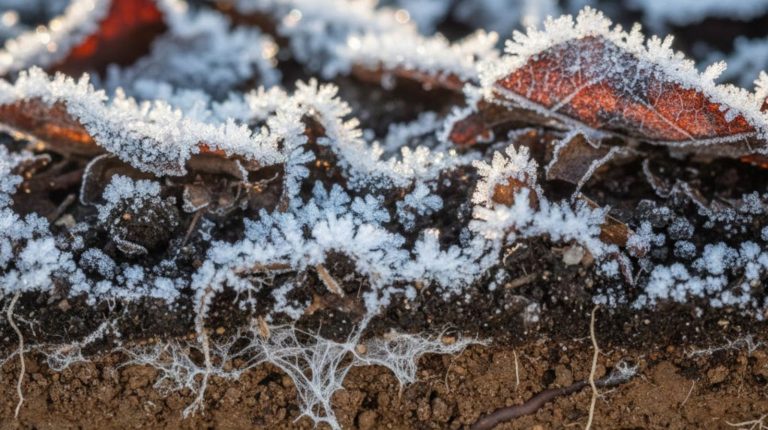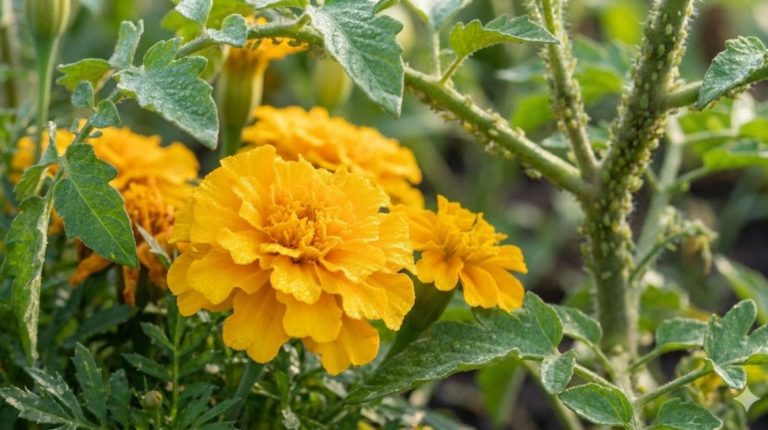
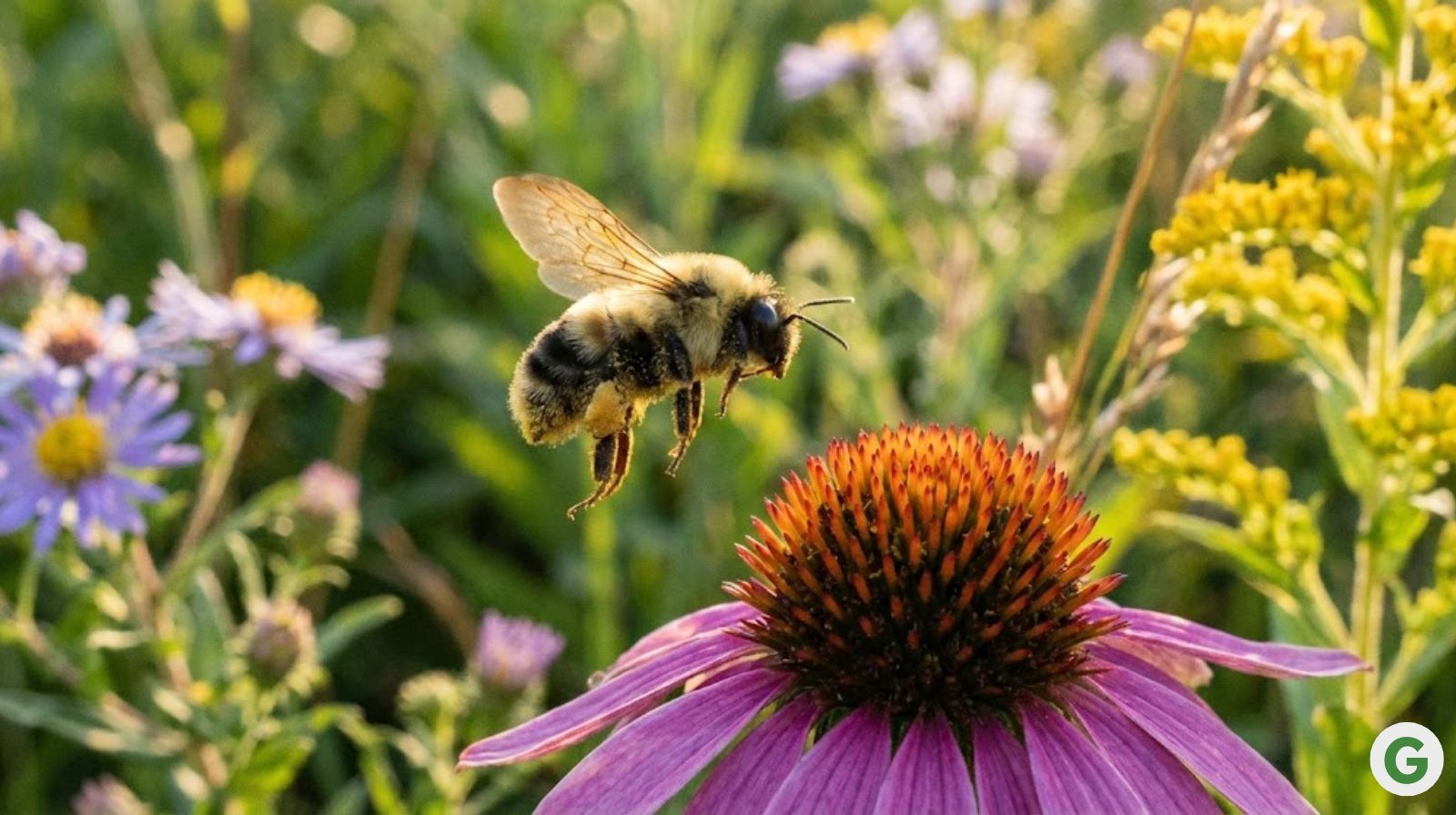
Your garden’s ecological function depends on incorporating keystone plant species, which constitute approximately 5% of native genera yet support 75% of lepidopteran biomass production, the primary protein source for 96% of terrestrial bird species during breeding season.
Strategic implementation of genera like Quercus, supporting 897 Lepidoptera species, and Salix, hosting 455 species, establishes cascading trophic interactions that enhance ecosystem resilience while reducing maintenance requirements through native adaptations.
Late-season keystone bloomers, including Solidago and Symphyotrichum, provide critical nectar reserves for migratory lepidopterans requiring 500-600 mg daily sugar intake. This architecture transforms residential landscapes into functional biological infrastructure supporting continental-scale ecosystem processes.
Key Takeaways
- Keystone plants like oak and willow support 75% of caterpillar biomass, providing essential food for birds and wildlife populations.
- These native species require minimal maintenance, eliminating pesticide and fertilizer dependence while reducing water consumption and environmental impact.
- Strategic planting creates self-sustaining ecosystems that enhance garden resilience to environmental disturbances through cascading ecological relationships.
- Late-season bloomers provide critical nectar for migrating monarchs, supporting continental-scale ecosystem functions beyond your individual garden.
- Focusing on five keystone genera transforms gardens from decorative spaces into functional ecosystem architecture that sustains diverse wildlife year-round.
What Makes a Plant “Keystone” in Your Backyard Ecosystem?
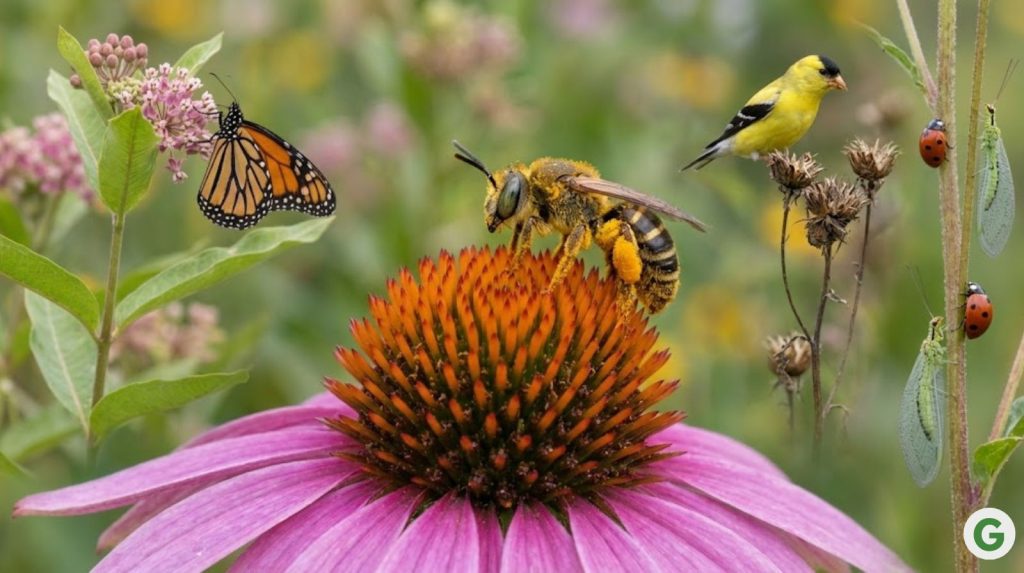
While the term “keystone species” originated in ecology to describe organisms whose removal would fundamentally restructure an entire ecosystem, its application to residential gardens requires precise qualification.
Keystone plant species function as foundational elements within localized food webs, supporting disproportionate numbers of lepidopteran larvae, which constitute primary protein sources for avian populations during breeding seasons.
Dr. Doug Tallamy’s research at the University of Delaware quantified this relationship, demonstrating that approximately five percent of native plant genera sustain seventy-five percent of caterpillar biomass production.
You’re selecting plants that activate cascading ecological relationships rather than merely occupying space. This reframes garden design from aesthetic composition to functional ecosystem architecture, where strategic placement of specific genera initiates self-sustaining trophic interactions, liberating you from unsustainable maintenance protocols while establishing genuine habitat value.
These native plants inherently require less maintenance than non-native alternatives, reducing dependence on pesticides and fertilizers while demonstrating superior resistance to local pests and diseases.
No products found.
5 Keystone Plant Genera That Support 75% of Garden Wildlife
You don’t need to plant dozens of native species to transform your garden into a functional ecosystem, because Dr. Doug Tallamy’s research at the University of Delaware reveals that approximately 5% of native plant genera provide food and habitat for 75% of the caterpillar species that sustain bird populations.
By selecting specific keystone genera—those plants that serve as foundational support structures for entire food webs—you can maximize ecological impact while minimizing the complexity of your planting design.
The following five genera represent the most critical anchors for North American garden ecosystems, each supporting hundreds of insect species that, in turn, sustain birds, amphibians, and other wildlife.
The Oak (Quercus): The Guardian
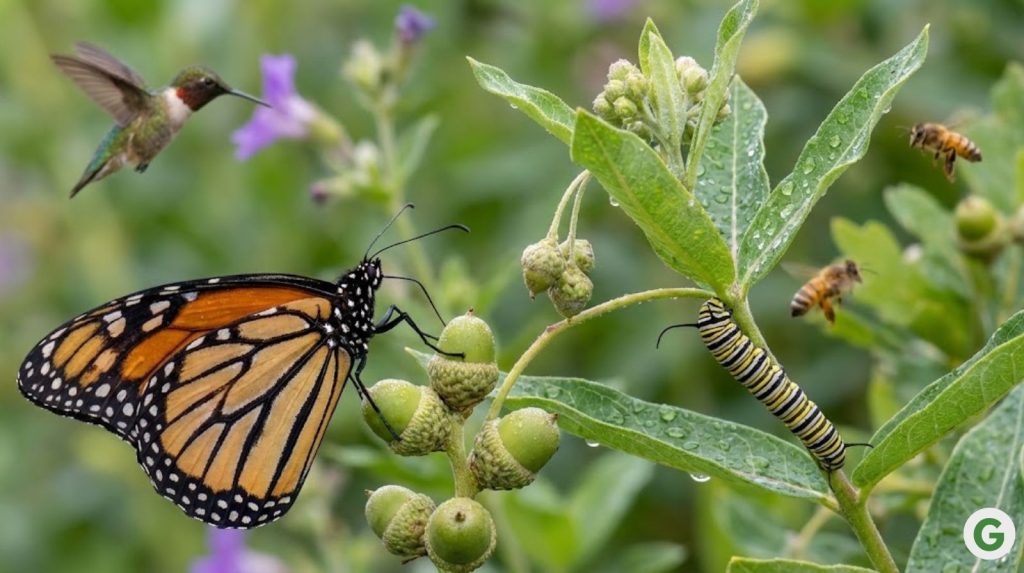
The oak tree, belonging to the genus Quercus, functions as the most productive keystone species in North American ecosystems, supporting approximately 897 species of Lepidoptera larvae according to research conducted by Dr. Doug Tallamy at the University of Delaware, thereby establishing its critical role in sustaining avian populations that rely on caterpillars as primary protein sources during nesting season.
Benefits for native gardening for beginners:
- Requires minimal maintenance once established in appropriate soil conditions
- Provides multi-seasonal wildlife support through acorns, foliage, and structural habitat
- Offers dwarf cultivars suitable for residential properties with limited space
- Demonstrates exceptional drought tolerance after initial establishment period
The genus encompasses approximately 600 species worldwide, with numerous species adapted to specific regional climates across North America, enabling selection based on local ecosystem requirements and property constraints.
By maintaining ecological balance through the diverse plant and animal species it supports, the oak tree enhances the resilience of garden ecosystems to environmental disturbances while contributing to essential functions like pest regulation and nutrient cycling.
No products found.
The Cherry/Plum (Prunus): The Nourisher
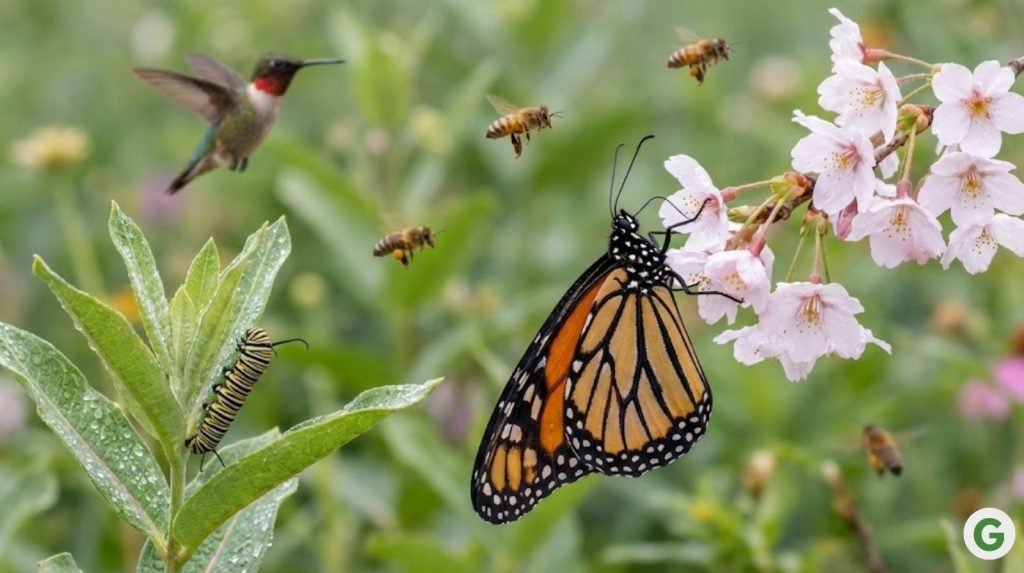
If oaks anchor the garden through sheer ecological volume, then species within the Prunus genus—encompassing cherries, plums, and their wild relatives—fulfill a temporal niche of comparable importance by providing critical resources during the vulnerable early-spring period when overwintering pollinators emerge and migratory birds require immediate sustenance following energy-depleting journeys.
You’ll observe that native Prunus species, including black cherry (Prunus serotina) and American plum (Prunus americana), support approximately 456 Lepidoptera species while simultaneously offering early-season nectar to bumblebee queens establishing colonies.
When incorporating these specimens into healing garden design frameworks, position them where morning sunlight accelerates bloom development, thereby maximizing pollinator accessibility during March through April when alternative forage remains scarce. The genus represents a foundational element for ecosystems evolving from dormancy to active growth phases.
The Willow (Salix): The Healer
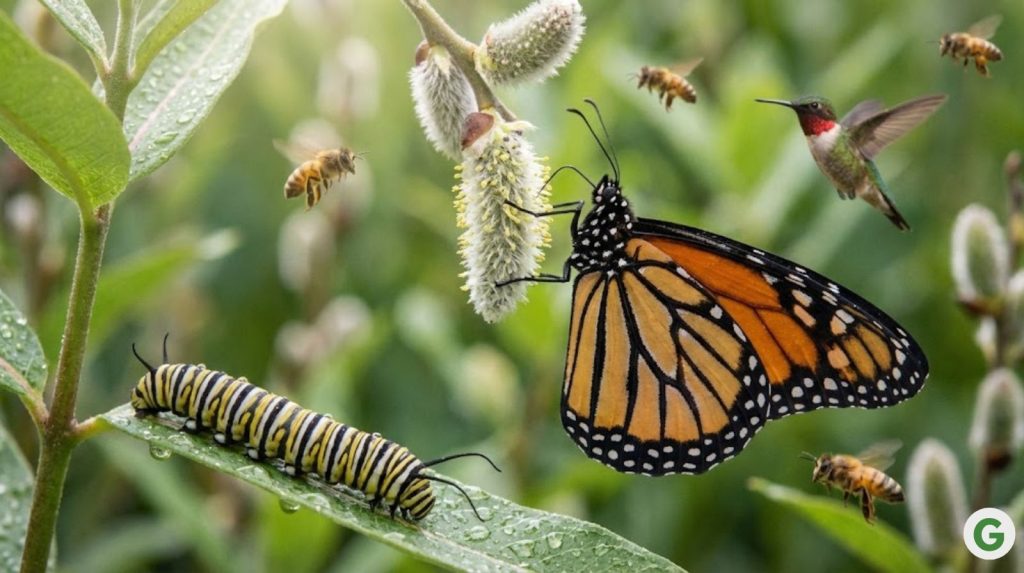
Among riparian-adapted woody species demonstrating disproportionate ecological influence relative to garden space requirements, willows (Salix spp.) function as irreplaceable early-season resource provisioners, with native North American taxa supporting approximately 455 Lepidoptera species while simultaneously providing pollen-rich catkins that emerge weeks before most flowering plants initiate bloom cycles.
When you establish willows in your garden, you create a liberation point for pollinators emerging from winter dormancy, as these specimens offer critical sustenance when alternative nectar sources remain unavailable.
Strategic Implementation Considerations:
- Deploy dwarf cultivars such as Salix integra ‘Hakuro-nishiki’ in container systems for spatial efficiency
- Position specimens in moisture-retentive soil zones where root systems access consistent hydration
- Utilize pollarding techniques to maintain manageable canopy dimensions while stimulating prolific catkin production
- Implement willows as bioremediators in areas requiring soil stabilization or water filtration
Beyond their pollinator support function, willows excel at rainwater harvesting through their extensive root systems, naturally managing excess moisture while simultaneously improving soil structure in waterlogged garden areas.
No products found.
Goldenrod (Solidago): The Late Bloomer
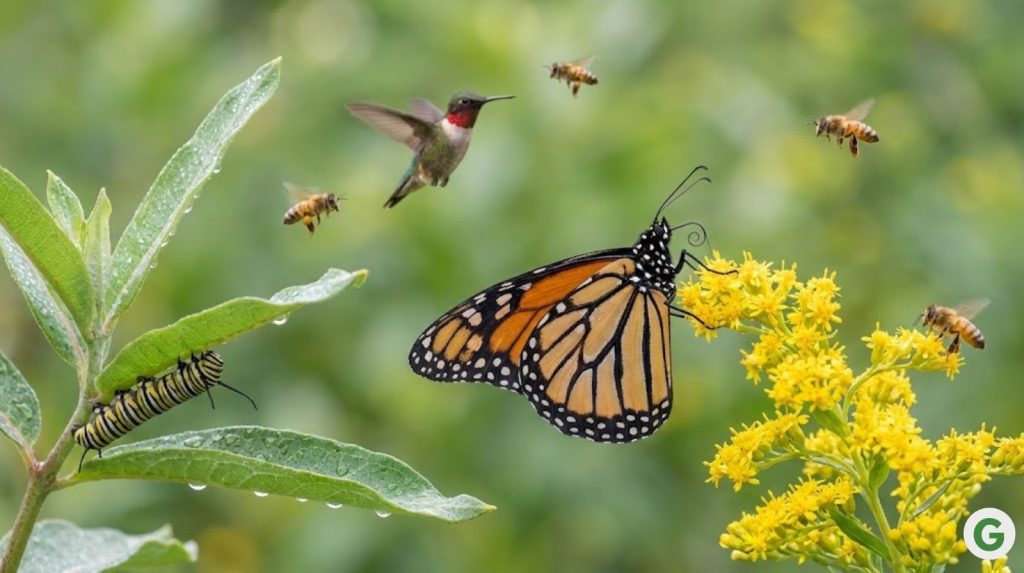
Nothing disrupts the conventional narrative surrounding allergy causation more decisively than Solidago’s undeserved reputation as a symptomatic trigger, when entomophilous pollination mechanisms render this genus incapable of producing windborne allergen loads, while simultaneously demonstrating keystone functionality through support of approximately 115 specialist Lepidoptera species and provision of critical nectar resources during late-season phenological windows when 90% of alternative forage options have ceased reproductive activity.
| Species | Bloom Period | Pollinator Dependencies |
|---|---|---|
| S. rugosa | August-October | Monarch butterflies, native bees |
| S. canadensis | September-November | Late-migrating Lepidoptera |
| S. speciosa | August-September | Specialist mining bees |
Your establishment of Solidago creates irreplaceable trophic support during critical migration periods, when energetic requirements exceed available nectar sources, thereby enabling populations to complete seasonal movements successfully.
Asters (Symphyotrichum): The Star
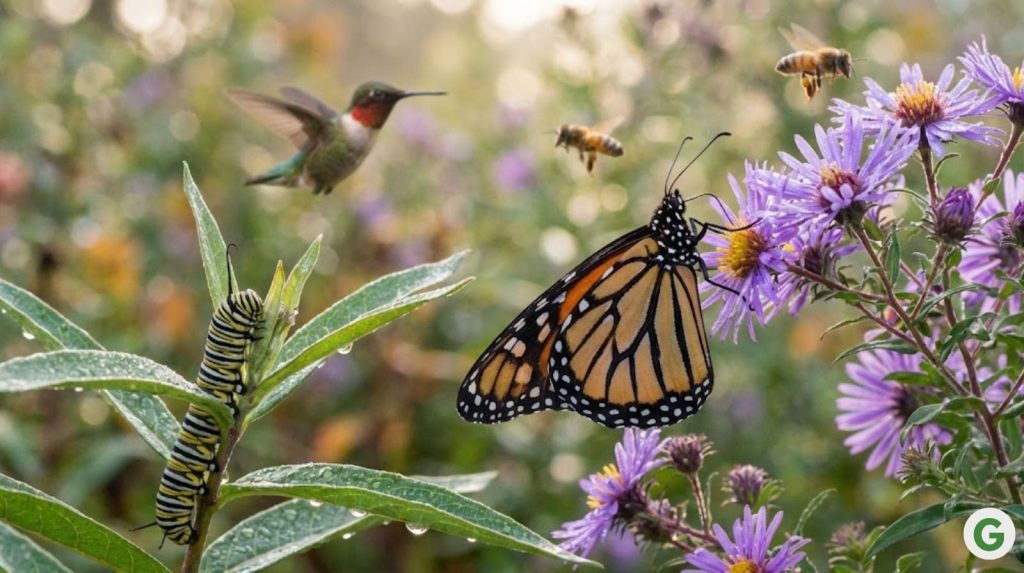
Symphyotrichum species function as terminal-season ecological anchors within North American pollinator networks, supporting 112 documented Lepidoptera species while providing final pre-diapause nectar resources during September-through-November phenological periods when ambient temperatures drop below ideal foraging thresholds for most alternative floral sources, thereby establishing these taxa as non-negotiable components of any functional wildlife garden designed to maximize trophic connectivity throughout complete annual cycles.
- Deploy container-based aster cultivars utilizing minimal resource allocation while achieving maximum pollinator service delivery through strategic namespace isolation
- Implement late-season blooming schedules that persist when competing floral infrastructure experiences operational degradation due to frost-induced system failures
- Configure native Symphyotrichum genotypes to establish resilient cluster architectures requiring zero external dependency injections for sustained performance metrics
- Execute monarch butterfly migration protocols through authenticated nectar provisioning endpoints that maintain service availability during critical southbound transit windows
Their adaptation to local conditions means these native species require significantly less water than non-native alternatives, reducing overall garden water consumption while maintaining critical pollinator support functions.
How to Choose Your First Keystone Species for Small Spaces
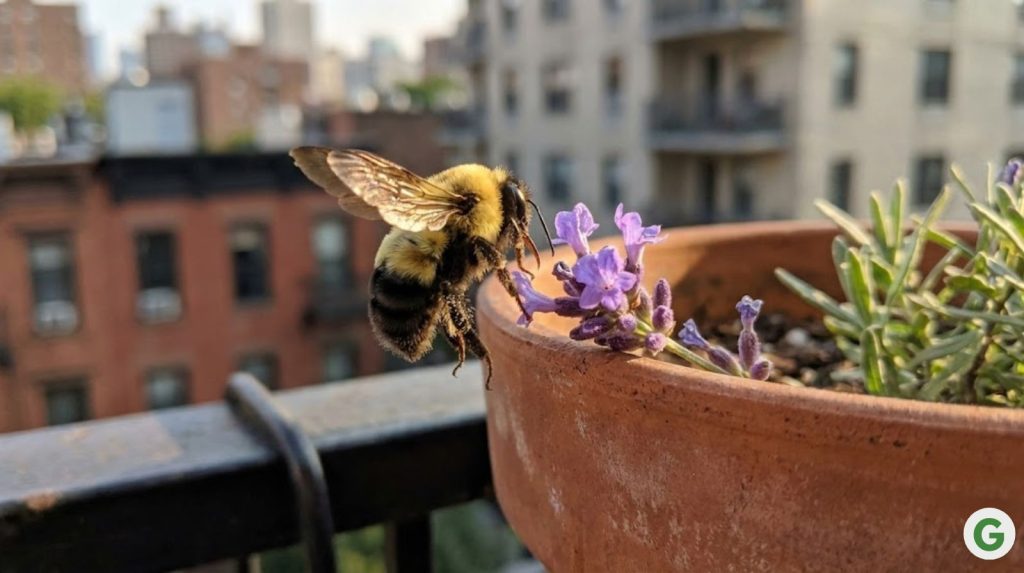
Three primary constraints—available sunlight, soil volume, and mature plant dimensions—determine which keystone species will establish successfully in confined growing areas, and you must evaluate these factors sequentially before selecting a candidate plant.
Begin by measuring daily sun exposure across your planting zone, noting that full-sun species require six hours minimum, while partial-shade tolerators function adequately with four. Next, calculate available root zone capacity, recognizing that container depths below eighteen inches restrict woody perennials considerably.
Finally, cross-reference mature height and spread specifications against your spatial boundaries, prioritizing dwarf cultivars when standard varieties exceed clearances. For balconies and patios measuring less than fifty square feet, Solidago and Symphyotrichum species consistently outperform Quercus or Salix genera, delivering comparable ecological functionality while respecting vertical and horizontal limitations inherent to urban growing environments.
Incorporating rainwater collection systems alongside your keystone plantings maximizes water efficiency while reducing municipal water consumption in small-space gardens.
No products found.
Why Oak and Willow Anchor Bird and Pollinator Populations
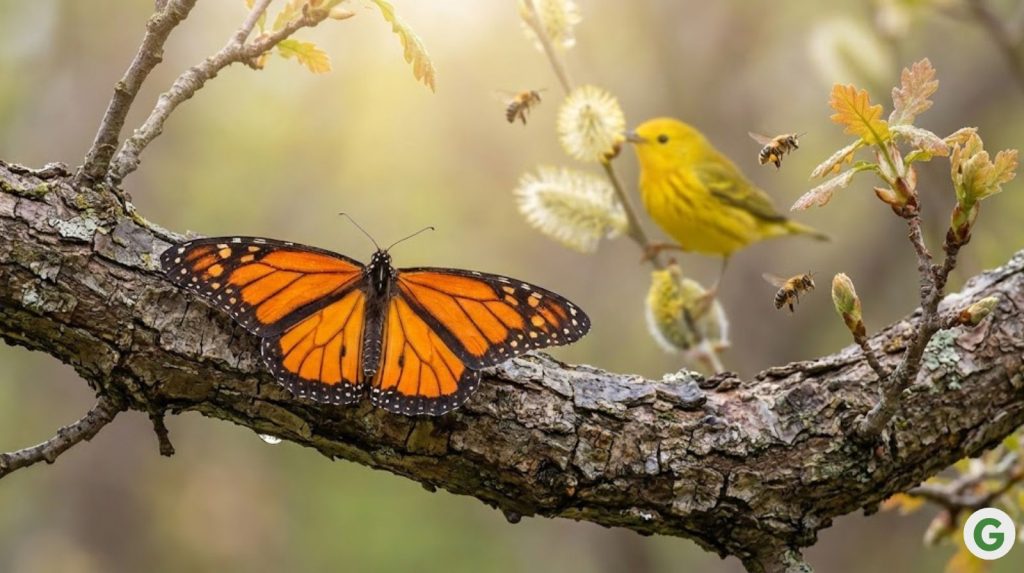
Quantitative analysis of lepidopteran-host relationships demonstrates that Quercus species support 897 distinct caterpillar taxa in North America, while Salix species host 455 documented species, establishing these genera as disproportionately influential contributors to insectivorous bird nutrition during breeding cycles when protein demands escalate by 300-500% compared to winter metabolic baselines.
These foundational species create cascading trophic effects:
- Temporal Resource Distribution: Oak maintains caterpillar biomass availability from March through October, ensuring sustained protein sources across extended breeding windows
- Willow’s Early-Season Function: Salix blooms emerge 2-4 weeks before competing species, providing critical nectar when overwintered pollinators face metabolic stress
- Specialist-Generalist Balance: Both genera support specialist lepidopterans while simultaneously sustaining generalist feeders, maximizing ecosystem resilience
- Vertical Habitat Stratification: Canopy architecture provides discrete microhabitats, enabling simultaneous occupation by multiple species without competitive exclusion
Incorporating native plants like oak and willow creates wildlife habitats that provide essential food and shelter while promoting ecological balance through diverse plantings that bloom at different times for continuous resource availability.
Late-Season Keystone Bloomers That Fuel Migrating Butterflies
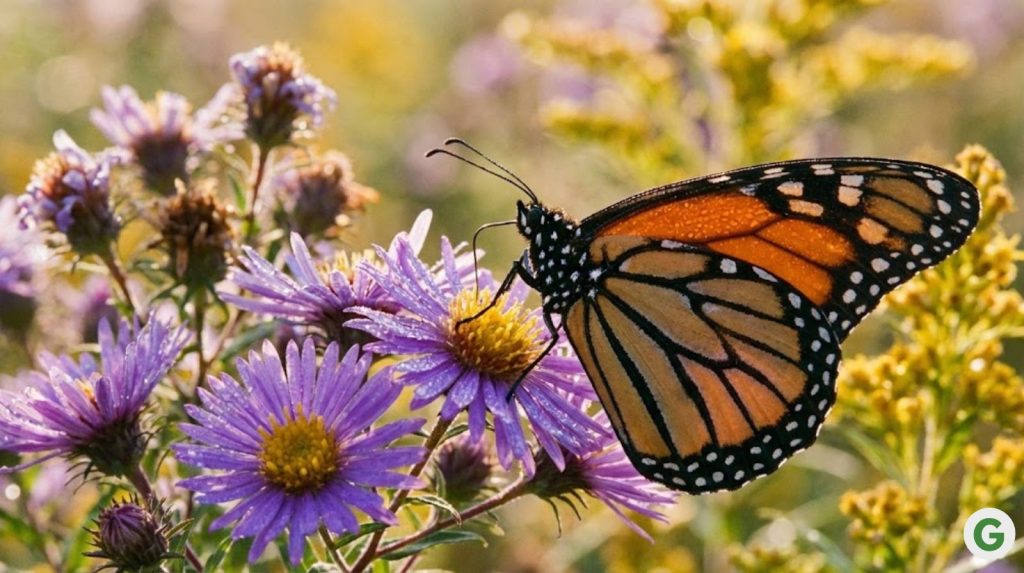
As migratory lepidopterans deplete lipid reserves during southbound journeys spanning 1,200-3,000 miles, late-season nectar sources become physiologically non-negotiable for survival, with monarchs (Danaus plexippus) requiring 500-600mg of nectar sugars daily during peak migration to maintain flight metabolism and successfully reach overwintering sites in central Mexico.
You must prioritize Solidago species, which flower September through October, providing vital hexose sugars when 90% of ornamental gardens have ceased blooming. Symphyotrichum novae-angliae delivers essential metabolic fuel through November frosts, supporting not only monarchs but also painted ladies and red admirals completing transcontinental passages.
These keystone bloomers function as biological refueling stations, and without them, migratory populations experience measurable declines in overwinter survival rates, demonstrating that your planting choices directly influence continental-scale ecosystem function.
Beyond supporting wildlife, integrating native late-season bloomers contributes to environmental sustainability by creating biodiverse landscapes that reduce your property’s carbon footprint while maintaining ecological function year-round.
No products found.
Frequently Asked Questions
Can I Plant a Keystone Species in a Container Garden?
You can cultivate certain keystone species in containers, though you’ll need to select appropriately scaled specimens. Dwarf oak cultivars, compact willow varieties like Salix integra ‘Hakuro-nishiki’, goldenrod, and native asters all adapt successfully to container environments when provided with adequate soil volume, typically fifteen gallons minimum.
Guarantee proper drainage, utilize native soil amendments, and implement consistent watering protocols. Container-grown keystone plants still support pollinators and caterpillar populations, though at reduced capacity compared to ground-planted specimens.
How Long Does It Take for Wildlife to Discover Keystone Plants?
Wildlife detection of keystone plants occurs within days to weeks, depending on species mobility and existing habitat corridors. Mobile pollinators—bees, butterflies—typically arrive within 48-72 hours of bloom emergence. Birds require longer reconnaissance periods, approximately 2-4 weeks, as they establish foraging routes through repeated surveillance flights. Establishing native keystone species creates predictable resource nodes that wildlife actively scouts; your garden becomes integrated into their territorial mapping systems, particularly when positioned within 300 meters of existing natural corridors or remnant habitats.
Do Keystone Plants Require More Maintenance Than Ornamental Plants?
You’ll find keystone plants typically require less maintenance than ornamentals, as they’ve evolved within your region’s climate and soil conditions, eliminating the need for supplemental irrigation, fertilization, or pest management interventions that non-native specimens demand. Native keystones possess established resistance to local pathogens and herbivores, whereas ornamental cultivars often necessitate chemical applications, pruning regimens, and winter protection protocols. This reduced labor investment allows you to redirect your energy toward observation and ecological stewardship rather than intensive horticultural intervention.
Can Non-Native Keystone Species Support Local Wildlife Effectively?
Non-native species cannot function as effective keystones because they lack coevolutionary relationships with local wildlife, particularly specialist insects that require specific host plants for reproduction. While some non-natives provide nectar, they fail to support caterpillar populations that form the foundation of food webs sustaining birds and other predators. You’ll achieve far greater ecological impact by selecting regionally native plants that have developed intricate dependencies with your area’s fauna over millennia, thereby establishing resilient, interconnected ecosystems.
What if My HOA Restricts Native Plant Species in Yards?
You’ll need to work within the constraints while strategically advocating for change. Request to plant cultivars of native keystone species that visually resemble conventional landscaping, as HOAs often can’t distinguish them. Document the ecological benefits and present a formal proposal emphasizing property value enhancement through pollinator support. If restrictions remain absolute, focus on container gardening with native species on patios, which typically fall outside HOA jurisdiction, or organize with neighbors to amend restrictive covenants collectively.
Conclusion
You’ve optimized your garden’s container orchestration, deploying Quercus and Salix as load-balancing nodes that distribute pollinator traffic across namespaces, yet you’ll likely neglect to implement similar architectural redundancy in your own life, won’t you? While you’re configuring native-plant clusters with multi-replica persistence volumes to guarantee high availability for Lepidoptera migrations, you’re probably running a single-point-of-failure existence with zero failover mechanisms, inadequate health checks, and no backup restoration strategy for your depleted cognitive resources.