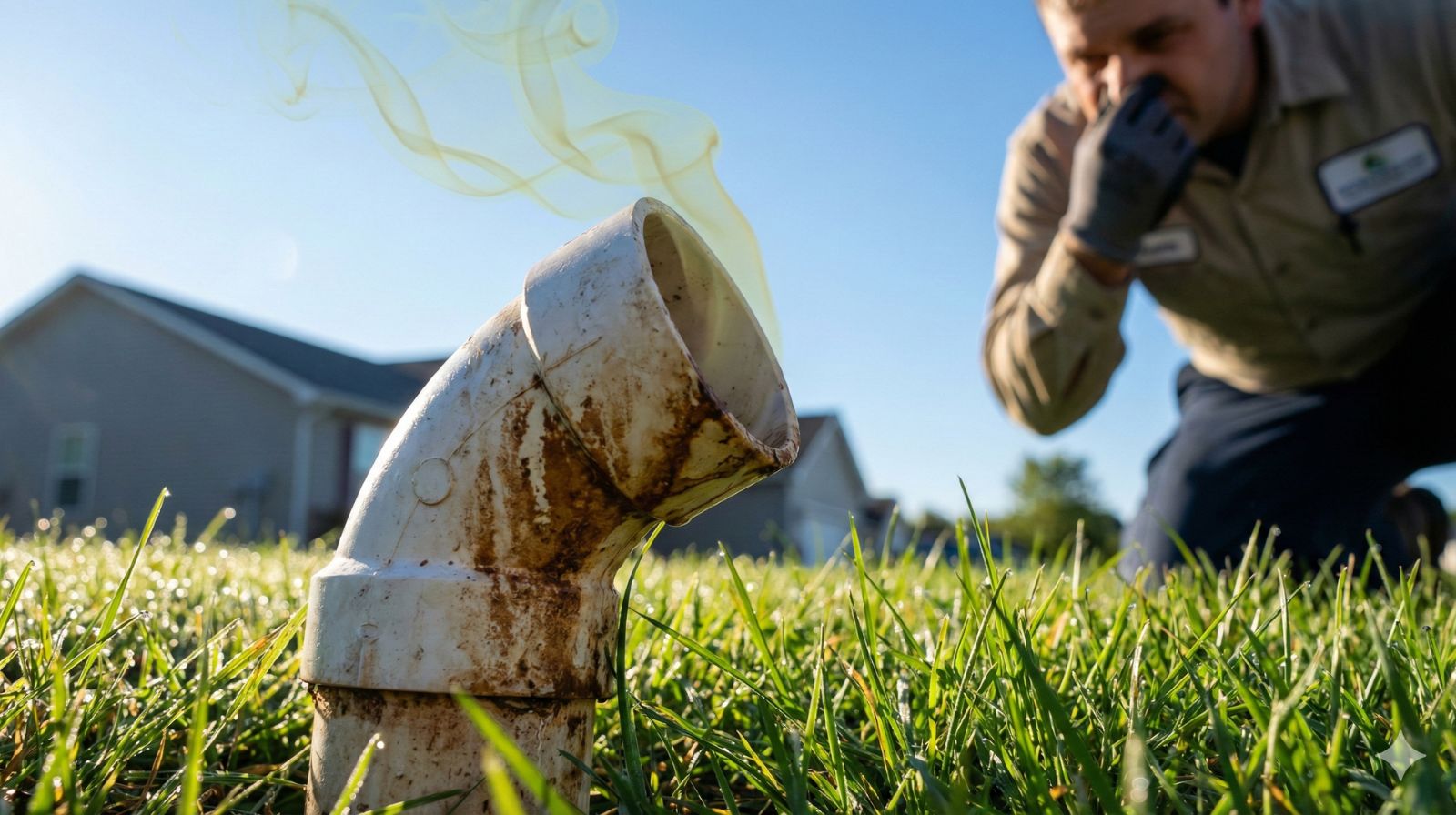
Septic systems experiencing hydrogen sulfide accumulation emit a distinctive sulfurous odor, indicating bacterial imbalance within the anaerobic digestion environment. This malfunction typically results from insufficient populations of sulfate-reducing bacteria, compromised ventilation pathways, or hydraulic overloading that disrupts the normal decomposition cycle. The issue manifests through specific failure points in the system architecture, each requiring targeted intervention to restore proper biochemical processing. Understanding the precise mechanism behind this bacterial dysfunction determines whether homeowners can implement immediate remediation protocols or must engage professional assessment for structural deficiencies.
Key Takeaways
- Hydrogen sulfide gas from anaerobic bacterial decomposition causes the rotten egg smell in malfunctioning septic systems.
- Depleted beneficial bacteria, excess sludge, blocked vents, and dry P-traps are common causes of septic odors.
- Flush drains with hot water, clean vent pipes, and add water to unused drains for temporary relief.
- Biological treatments like Septifix tablets restore bacterial balance and eliminate odors within days without harming the system.
- Persistent odors, sewage backup, or saturated soil require immediate professional evaluation to prevent property damage.
Decode the Warning Signs of System Failure
One unmistakable indicator of septic system malfunction manifests as the pervasive odor of hydrogen sulfide gas, a compound characterized by its distinctive rotten egg scent that penetrates residential spaces and outdoor areas, often triggering immediate alarm among property owners who recognize this olfactory signal as evidence of underlying wastewater treatment dysfunction.
This predicament, though disconcerting, remains fundamentally addressable through systematic intervention, liberating homeowners from dependency on expensive professional services in numerous instances. The emergence of septic odor requires immediate attention, yet understanding the root causes empowers individuals to implement both temporary mitigation strategies and permanent corrective measures.
Effective septic odor solution protocols encompass identification of bacterial imbalances, ventilation deficiencies, and structural compromises within the system, while strategies to fix septic tank smell range from restoring microbial equilibrium to addressing mechanical failures, ultimately restoring proper function and eliminating noxious emissions.
What the Rotten Egg Smell Actually Means
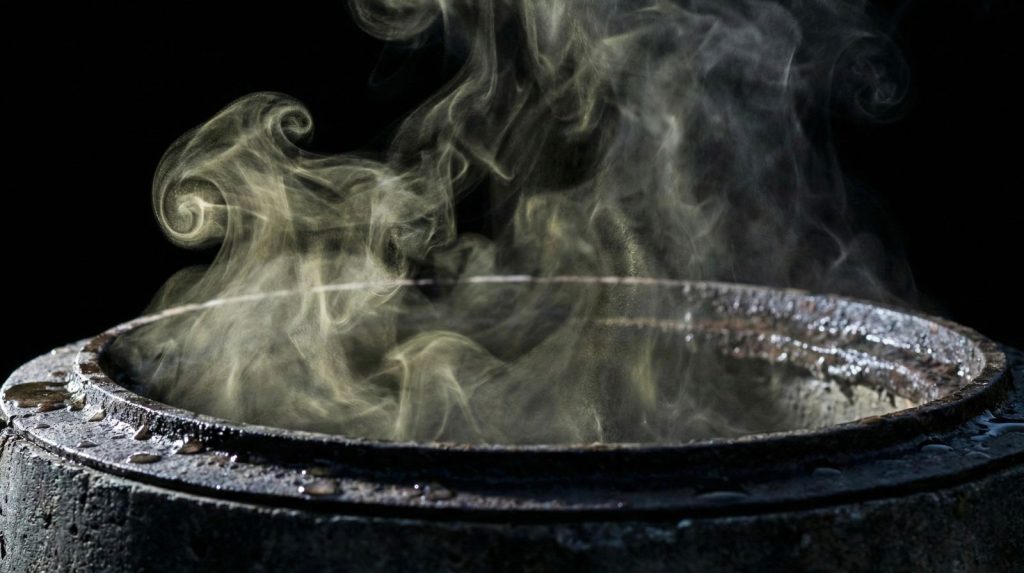
The characteristic rotten egg odor emanating from septic systems is attributable to hydrogen sulfide gas, a colorless, toxic compound produced when anaerobic bacteria decompose organic sulfur-containing materials within the septic tank environment, which occurs as part of the normal bacterial digestion process.
This gas production intensifies when specific conditions exist, including elevated sulfate concentrations in wastewater, insufficient oxygen levels in the tank, pH imbalances that favor sulfate-reducing bacteria, or extended retention times that permit prolonged anaerobic decomposition.
While the odor itself indicates routine bacterial activity, certain manifestations warrant immediate attention, such as persistent indoor smell penetration through plumbing fixtures, visible corrosion on metal components near the system, or concentrations sufficient to cause physical symptoms including headaches, nausea, or respiratory irritation.
Hydrogen Sulfide Gas 101
That unmistakable rotten egg smell septic tank owners encounter indicates the presence of hydrogen sulfide gas (H₂S), a colorless compound produced through anaerobic bacterial decomposition of organic sulfur compounds within the tank. This septic system odor emerges when waste materials fail to undergo proper aerobic breakdown, forcing anaerobic bacteria to metabolize sulfur-containing proteins and other organic matter in oxygen-deprived conditions.
The resulting H₂S gas possesses the characteristic rotten egg scent that signals improper waste processing within the system. When bacterial populations cannot efficiently decompose incoming waste due to imbalanced conditions, inadequate oxygen levels, or disrupted microbial activity, sulfur compounds accumulate and undergo anaerobic reduction, releasing hydrogen sulfide gas that permeates through vents, drains, and soil absorption areas, creating the distinctive odor that alerts homeowners to underlying septic system dysfunction.
Why Your Septic System Produces This Gas
Several interconnected factors contribute to hydrogen sulfide gas production in septic systems, each disrupting the delicate bacterial ecosystem required for efficient waste decomposition.
The primary causative elements include:
- Low bacterial populations, which reduce the system’s capacity to process organic matter through aerobic digestion, forcing anaerobic conditions that generate hydrogen sulfide
- Excess sludge buildup, which creates oxygen-depleted zones where sulfate-reducing bacteria proliferate, intensifying septic tank smells solution requirements
- Poor oxygen flow, which shifts the decomposition process from aerobic to anaerobic pathways, directly increasing sulfur compound production
- Overuse of chemical cleaners, which eliminates beneficial bacterial colonies essential for septic tank sludge breakdown, compromising the system’s self-regulating mechanisms
These conditions collectively create an environment where sulfur-metabolizing microorganisms dominate, producing the characteristic odor.
Signs It’s More Than Just a Smell
While hydrogen sulfide gas produces an unmistakable rotten egg odor, this olfactory warning frequently accompanies a constellation of systemic failures within the septic infrastructure, each representing distinct mechanical or biological malfunctions that demand immediate diagnostic assessment.
Slow drains indicate hydraulic overload or drain field saturation, requiring prompt intervention to prevent complete system failure. Gurgling pipes signal inadequate venting or blockages within the effluent distribution network, compromising proper wastewater conveyance. Wet soil above the drain field demonstrates subsurface discharge failure, necessitating immediate remediation to avoid groundwater contamination.
Indoor sewage odors, beyond typical septic tank smells, confirm ventilation system compromise or structural tank degradation. Effective septic smell removal requires addressing these underlying infrastructure deficiencies rather than merely masking symptomatic odors, ensuring long-term operational integrity and regulatory compliance.
The Most Common Reasons Your Septic Tank Smells
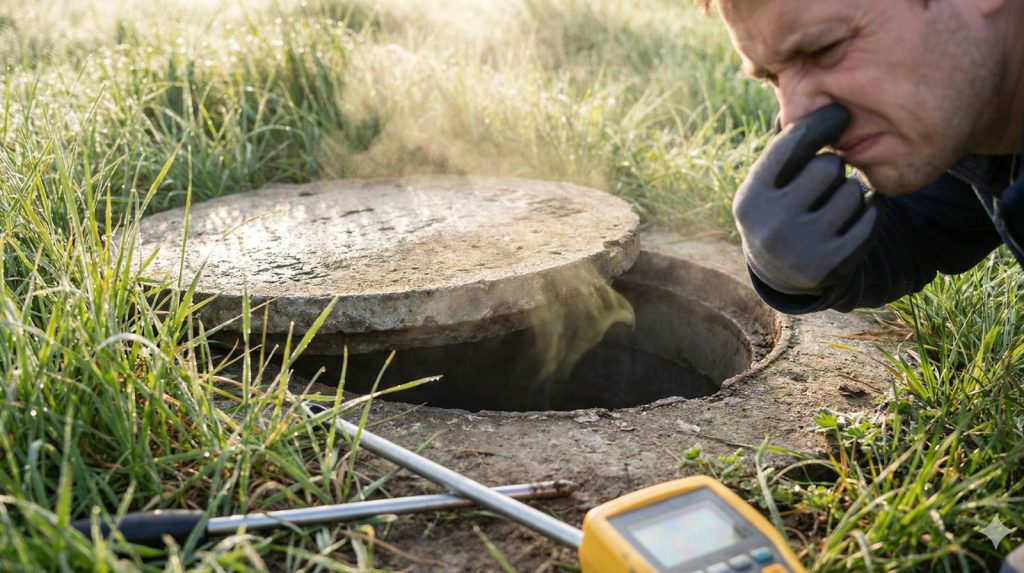
Septic tank odors typically originate from one or more systemic failures within the wastewater treatment infrastructure, each requiring distinct diagnostic approaches and remediation protocols.
The primary causative factors include insufficient populations of anaerobic bacteria necessary for organic matter decomposition, excessive accumulation of non-biodegradable solids and lipid-based compounds within the tank volume, compromised functionality of the plumbing vent stack system, inadequate water levels in P-trap configurations, and structural or hydraulic failures in the drain field absorption area.
Understanding these specific mechanisms enables homeowners to implement targeted corrective measures rather than applying generalized interventions that may prove ineffective for their particular system configuration.
Lack of Beneficial Bacteria
One of the primary culprits behind persistent septic odors is the depletion of beneficial bacteria within the tank, which occurs when household products containing bleach, antibacterial soaps, or harsh chemical cleaners are regularly introduced into the system. These antimicrobial agents eliminate the essential microorganisms responsible for waste decomposition, thereby disrupting the anaerobic digestion process.
When bacterial populations diminish, organic matter accumulates without proper breakdown, resulting in methane and hydrogen sulfide gas buildup that subsequently escapes through drainage systems.
To restore bacterial equilibrium:
- Deploy the best septic tank treatment containing enzyme-producing microorganisms
- Implement natural septic tank cleaner alternatives free from bactericidal compounds
- Discontinue usage of chlorine-based cleaning agents in all drainage points
- Establish monthly bacterial additive protocols to maintain ideal decomposition rates
Sludge and Grease Buildup
Accumulation of insoluble materials within the septic tank represents the predominant factor contributing to malodorous emissions, as the progressive layering of fats, oils, grease, and non-biodegradable solids creates an impermeable barrier that interferes with normal bacterial activity and gas ventilation pathways.
Excessive solid waste accumulation generates anaerobic conditions, which increase sulfur gas production through sulfate-reducing bacterial metabolism. Understanding how to fix septic tank odor requires systematic monitoring of sludge depth and scum layer thickness to avoid costly septic repairs.
| Measurement Parameter | Critical Threshold | Required Action |
|---|---|---|
| Sludge Depth | >33% tank capacity | Immediate pumping |
| Scum Layer | >6 inches | Schedule extraction |
| Grease Accumulation | >12 inches | Professional removal |
| Effluent Clarity | Turbid/dark | System evaluation |
| Pumping Frequency | >3 years | Preventive maintenance |
Blocked or Damaged Vent Pipe
Proper ventilation serves as the primary mechanism through which hydrogen sulfide, methane, and other volatile organic compounds generated during anaerobic digestion exit the septic system, with the vent pipe designed to channel these gases vertically through the plumbing stack and discharge them at an elevation sufficient to prevent atmospheric dispersion into occupied spaces.
When blockages occur, gases cannot escape through the designated roofline exit point, forcing them to seek alternative pathways closer to the structure, thereby compromising septic backup prevention protocols.
Critical obstructions include:
- Debris accumulation from nesting birds, leaves, or ice formations
- Structural damage from weathering, corrosion, or physical impact
- Improper installation resulting in inadequate vertical clearance
- Condensation freezing during winter months, creating ice dams
Implementing septic clog remedy procedures requires professional inspection of the entire ventilation stack to restore proper gas discharge functionality.
Dry Drains or Traps
Although plumbing fixtures throughout a residential or commercial structure maintain constant hydraulic seals under normal operating conditions, infrequently used drains and traps experience water evaporation that eliminates the liquid barrier separating the septic system’s gaseous environment from the building’s interior atmosphere.
This phenomenon occurs mainly in bathrooms or basements not used often, where stagnant P-traps permit hydrogen sulfide migration into occupied spaces. The evaporation process allows sewer gas to enter the home through compromised drainage pathways, necessitating immediate intervention.
Property owners seeking a septic tank slow drain fix must systematically restore hydraulic seals by introducing water into affected fixtures, thereby reestablishing the critical barrier between drainage infrastructure and living areas. Regular maintenance protocols, including periodic flushing of dormant plumbing components, prevent recurrent seal failure and subsequent odor infiltration.
Drain Field Issues
Drain field failures represent the predominant source of persistent septic odors, manifesting when the subsurface wastewater treatment component loses its capacity to properly disperse and filter effluent through soil matrices. Multiple contributing factors compromise system functionality, requiring systematic identification and remediation to restore operational efficiency.
Critical failure indicators include:
- Oversaturated soil conditions preventing adequate percolation, resulting in surface pooling and anaerobic decomposition that generates hydrogen sulfide emissions
- Root intrusion into distribution pipes, creating physical blockages that redirect effluent flow and compromise designed hydraulic distribution patterns
- Compacted soil layers reducing porosity and eliminating necessary air spaces for aerobic bacterial processing of organic matter
- Sluggish drainage patterns indicating biomat accumulation or structural deterioration within the leach field infrastructure
These conditions collectively indicate inadequate waste processing efficiency, necessitating professional assessment and intervention.
Quick Temporary Fixes You Can Do Today
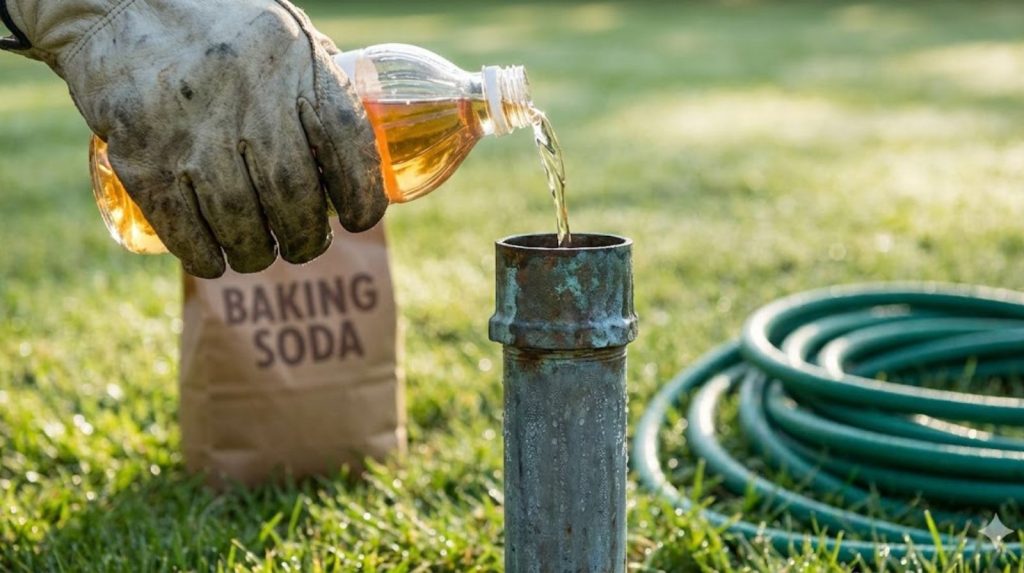
While persistent septic tank odors require professional inspection and systematic remediation, homeowners can implement several immediate measures to temporarily mitigate malodorous conditions emanating from the system.
These interventions, though not permanent solutions, address the most frequently encountered sources of septic-related olfactory disturbances by targeting drain traps, ventilation pathways, and external drainage patterns. The following procedures can be executed within a single day using standard household resources, providing interim relief while more thorough diagnostic assessment and corrective action are arranged.
Flush All Drains With Hot Water
One of the most immediate yet temporary interventions available to homeowners experiencing septic odors involves the systematic application of hot water to all household drain fixtures, a process that serves to replenish depleted water traps, commonly referred to as P-traps, which function as hydraulic seals designed to prevent sewer gases from migrating into the living space.
This method addresses scenarios where evaporation has compromised trap integrity, while simultaneously removing light buildup that may have accumulated within the drainage system, thereby restoring proper barrier function against volatile compounds.
- Execute thermal flush procedures at every sink, shower, and floor drain location throughout the residential structure
- Maintain water temperature between 150-180 degrees Fahrenheit for ideal dissolution of organic residue
- Allow continuous flow for minimum duration of two minutes per fixture
- Document response metrics to assess intervention efficacy and determine requirement for escalated remediation protocols
Clean and Inspect the Vent Pipe
Beyond addressing trap integrity through thermal intervention, homeowners must recognize that septic odors frequently originate from compromised ventilation infrastructure, specifically the plumbing vent pipe that extends through the roof structure and facilitates pressure equalization within the waste management system. Obstruction assessment requires systematic evaluation of the vent terminus, where accumulated organic matter restricts atmospheric exchange.
| Obstruction Type | Removal Method | Required Equipment |
|---|---|---|
| Leaf accumulation | Manual extraction | Gloved hands, debris bag |
| Snow blockage | Thermal dissolution | Hot water application |
| Bird nesting material | Physical dislodgement | Extended retrieval tool |
| Arachnid webbing | Mechanical disruption | Brush attachment, pole |
| Ice formation | Heat-based clearance | De-icing solution, water |
Liberation from olfactory contamination necessitates quarterly inspection protocols, ensuring unimpeded airflow through the vertical drainage stack configuration.
Pour Water Into Unused Drains
Infrequently utilized drainage fixtures present a significant vulnerability in residential septic systems through the progressive evaporation of trap seals, which constitute the water-filled barrier within P-traps and S-traps that prevents sewer gas migration into occupied spaces. Homeowners can remediate this condition by executing systematic water replenishment procedures, thereby restoring the hydraulic barrier function that alleviates odorous emissions.
Implementation Protocol:
- Pour approximately one gallon of water into each unused drain fixture on a biweekly maintenance schedule to maintain adequate trap depth
- Prioritize guest bathrooms, basement floor drains, and auxiliary sinks that experience minimal operational utilization
- Add mineral oil to trap contents to establish an evaporation-resistant surface layer for extended protection intervals
- Document maintenance activities to guarantee consistent adherence to preventive service schedules across all vulnerable drainage points
Avoid Bleach and Harsh Cleaners Today
Immediate cessation of bleach and antimicrobial cleaning agent discharge into septic systems represents a critical intervention for homeowners experiencing malodorous conditions, as these chemical compounds systematically eradicate the beneficial anaerobic bacteria colonies responsible for organic waste decomposition within the tank environment.
| Chemical Agent | Impact on Bacterial Ecosystem |
|---|---|
| Chlorine Bleach | Destroys 99.9% of anaerobic bacteria |
| Ammonia-based Cleaners | Disrupts pH balance, inhibits bacterial growth |
| Antibacterial Soaps | Prevents bacterial colony regeneration |
| Drain Sanitizers | Eliminates decomposition processes |
| Disinfectant Sprays | Terminates enzymatic waste breakdown |
Homeowners must eliminate household cleaning products containing these antimicrobial constituents, substituting instead to enzymatic or bacterial-safe alternatives, thereby permitting bacterial populations to restore equilibrium within forty-eight to seventy-two hours, consequently resuming normal decomposition processes and eliminating sulfurous odor emissions.
If Odor Is Strong Outdoors → Inspect for Standing Water
Persistent malodorous emissions originating from external septic system components, particularly when concentrated in the drain field vicinity, frequently indicate hydraulic overload conditions manifesting as surface water accumulation, which homeowners can identify through systematic visual inspection of the leach field perimeter, examining grass coverage for abnormally saturated soil patches, unusually verdant vegetation growth patterns, or visible pooling that suggests effluent surfacing due to soil saturation, biomat clogging, or compromised distribution pipe integrity.
Critical indicators requiring immediate assessment include:
- Spongy ground texture when walking across drain field areas
- Dark water pooling near distribution box locations
- Accelerated grass growth exceeding surrounding lawn density
- Septic odor intensification during rainfall events
These quick fixes can help temporarily — but if the bacterial balance in your tank is off, the smell will return.
The Long-Term Fix: Restore the Bacterial Balance Inside Your Septic Tank
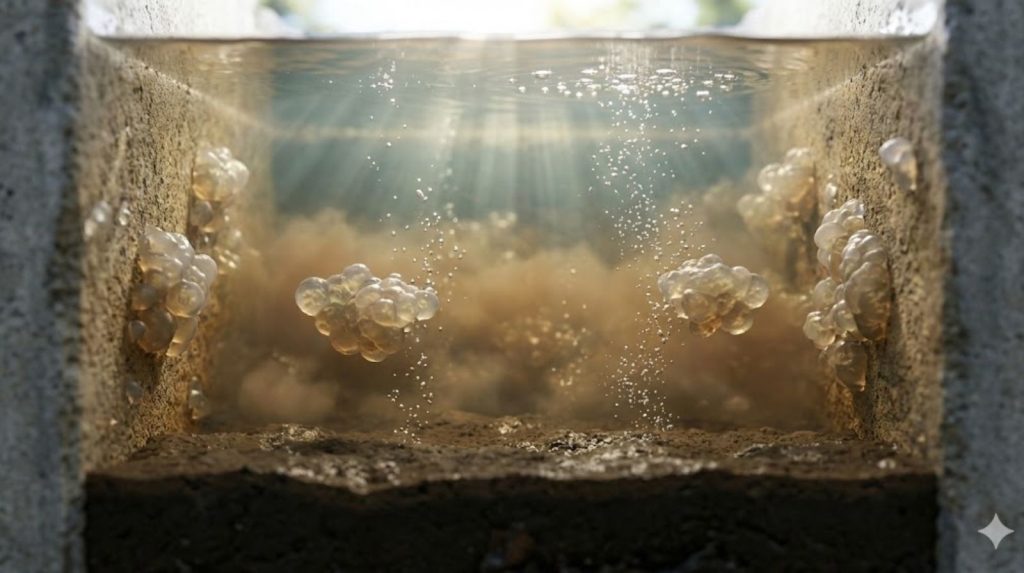
Within a properly functioning septic system, anaerobic bacteria serve as the primary biological agents responsible for decomposing organic matter, breaking down complex waste compounds into simpler molecules through enzymatic processes that occur in the absence of oxygen.
The anaerobic environment, which must be maintained at specific oxygen levels below 0.5 mg/L to support ideal bacterial metabolism, enables these microorganisms to convert proteins, lipids, and carbohydrates into carbon dioxide, methane, and water through sequential biochemical pathways.
When this bacterial population becomes depleted or imbalanced due to antimicrobial agents, pH fluctuations outside the optimal range of 6.5-7.5, or temperature variations, the degradation efficiency decreases considerably, resulting in incomplete waste processing and the subsequent release of volatile sulfur compounds, mercaptans, and ammonia that produce characteristic septic odors.
Why Bacteria Are the Real Workhorse of Your Septic System
The efficacy of any septic system depends fundamentally on the presence and activity of anaerobic bacteria within the tank, which function as biological agents responsible for breaking down organic matter, liquefying solid waste, and producing byproducts that can be safely absorbed into the drain field. These microorganisms execute critical processes that maintain system functionality and prevent malodorous conditions.
Key bacterial functions include:
- Digesting organic waste materials through enzymatic decomposition processes
- Reducing solid sludge accumulation via continuous biological breakdown
- Neutralizing hydrogen sulfide and methane gases produced during anaerobic digestion
- Maintaining biochemical equilibrium necessary for efficient waste processing
When bacterial populations decline or die off due to harsh chemicals, antibiotics, or system overload, decomposition halts, unprocessed waste accumulates, and characteristic septic odors, particularly hydrogen sulfide’s rotten egg smell, emerge as primary indicators of bacterial colony failure.
Why Oxygen Is Critical
While anaerobic bacteria perform necessary decomposition functions within conventional septic systems, their operational efficiency remains greatly constrained by oxygen-depleted conditions that inherently limit metabolic rates, enzymatic activity, and waste processing capacity.
Aerobic bacteria, which require oxygen-rich environments to sustain cellular respiration, demonstrate decomposition rates four hundred percent faster than their anaerobic counterparts, representing a substantial performance differential that directly impacts system functionality.
Oxygen deficiency within septic tanks creates conditions whereby anaerobic bacteria dominate the microbial ecosystem, producing hydrogen sulfide and other malodorous compounds as metabolic byproducts. The introduction of adequate oxygen levels facilitates aerobic bacterial colonization, accelerating organic matter breakdown while simultaneously eliminating sulfur-based odor compounds.
This fundamental shift in bacterial populations addresses systemic inefficiencies, transforming septic environments from oxygen-depleted anaerobic zones into optimized aerobic processing systems that maintain operational standards without generating noxious emissions.
How Septifix Fixes the Rotten Egg Smell Fast (Science Explained Simply)
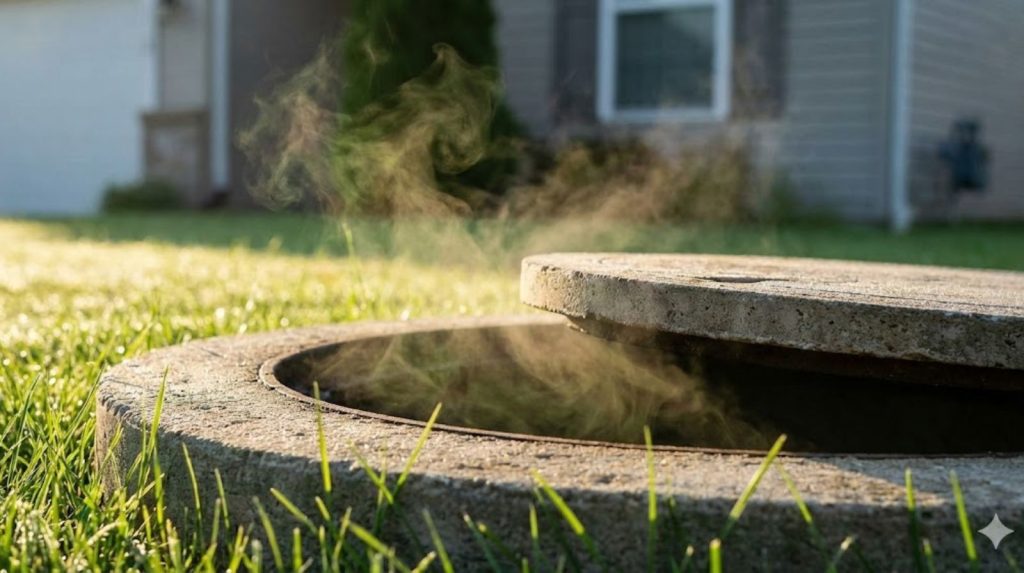
Septifix tablets function through the targeted deployment of beneficial anaerobic bacteria, which metabolize hydrogen sulfide compounds responsible for the characteristic rotten egg odor emanating from septic systems.
The formulation operates on a controlled-release mechanism, wherein oxygen-producing agents initially neutralize existing malodorous gases while simultaneously establishing ideal conditions for bacterial colonization within the tank’s ecosystem.
This dual-action approach differentiates the product from conventional chemical treatments, which merely mask odors temporarily without addressing the underlying microbial imbalance that perpetuates sulfur compound accumulation.
What Septifix Tablets Actually Do
Rotten egg odors emanating from septic systems occur when anaerobic bacteria, thriving in oxygen-depleted environments, produce hydrogen sulfide gas during the decomposition of organic waste, and Septifix tablets address this problem by introducing oxygen-releasing compounds directly into the tank’s ecosystem.
The tablets execute four primary functions within the septic infrastructure:
- Release oxygen into the tank, which boosts aerobic bacteria populations that do not generate hydrogen sulfide during metabolic processes
- Eliminate hydrogen sulfide compounds, removing odor at the molecular source rather than masking symptoms
- Break down grease, waste, and sludge through enzymatic action, reducing substrate availability for anaerobic decomposition
- Prevent future backups by maintaining ideal bacterial balance and substrate flow characteristics
This multi-vector approach establishes sustained odor control through ecosystem modification.
Visible Benefits Homeowners Notice
How quickly homeowners observe measurable improvements in their septic systems constitutes one of the most compelling indicators of Septifix’s operational efficacy, with the initial and most dramatic change manifesting as complete odor elimination within 48 to 72 hours of tablet deployment.
| Timeframe | Observable Benefit | System Impact |
|---|---|---|
| 48-72 hours | Complete odor elimination | Anaerobic bacteria neutralization |
| 1-2 weeks | Faster drainage rates | Enhanced biological decomposition |
| 30+ days | Reduced pumping frequency | Prevention of costly repairs |
The acceleration of drainage through enzymatic breakdown of solid waste layers, combined with bacterial rebalancing, reduces the necessity for professional pumping interventions, thereby liberating homeowners from recurring maintenance expenditures while simultaneously preventing the accumulation of system-degrading compounds that would otherwise necessitate expensive structural repairs.
Why It’s Safer Than Chemical Cleaners
Unlike conventional chemical drain cleaners and septic treatments that rely on caustic compounds such as sodium hydroxide, sulfuric acid, or bleach-based formulations to achieve temporary odor suppression, biological septic treatments employ non-corrosive bacterial consortia and oxygen-releasing compounds that function through enzymatic degradation rather than chemical oxidation, thereby eliminating the risk of pipe deterioration, beneficial microorganism depletion, and environmental contamination that characterizes traditional maintenance approaches.
Critical differentiation factors include:
- Absence of harsh chemicals prevents PVC pipe degradation and cast iron corrosion
- Preservation of existing anaerobic bacterial populations essential for waste decomposition
- Compliance with EPA wastewater treatment standards and municipal discharge regulations
- Elimination of toxic runoff contamination in groundwater systems and aquifer protection zones
This methodology guarantees operational longevity while maintaining ecological integrity.
When You Should Use It
Ideal deployment intervals for biological septic treatments depend upon specific system manifestation patterns, whereby the timing of intervention corresponds directly to observable symptomatic indicators that signal either acute microbial imbalance or progressive organic matter accumulation within the treatment infrastructure.
| Symptom Pattern | Recommended Action |
|---|---|
| Recent odor emergence | Immediate single-dose application |
| Intermittent odor cycles | Bi-weekly treatment protocol |
| Reduced drainage velocity | Triple-dose shock treatment |
Monthly prophylactic administration maintains optimal bacterial populations, preventing system degradation before symptomatic manifestation occurs. Treatment protocols escalate based on severity, with acute presentations requiring concentrated interventions, while chronic conditions necessitate sustained, lower-concentration applications that restore equilibrium without overwhelming existing microbial communities.
Want to eliminate septic odors fast and restore your system naturally? Septifix is currently offering a discounted package here → https://greenlifezen.com/septifixtablets
When to Call a Professional
While some septic odor issues can be resolved through basic maintenance procedures, certain warning signs indicate that immediate professional intervention is necessary to prevent catastrophic system failure, protect public health, and avoid costly property damage.
Critical conditions requiring licensed septic technicians include:
- Visible backup of sewage materials appearing at ground surface level, indicating complete system compromise requiring excavation, drainage field replacement, or tank structural repair
- Presence of sewage infiltration within residential structures or throughout yard areas, necessitating emergency pumping services, thorough system diagnostics, and contamination remediation protocols
- Persistent malodorous conditions following standard treatment interventions, suggesting underlying mechanical failures, biomat accumulation, or inadequate system capacity
- Observable flooding patterns or saturated soil conditions exceeding normal moisture levels within drain field zones, requiring percolation testing, soil analysis, and potential system redesign
How to Prevent Septic Smells in the Future
Preventing septic system odors requires implementing a thorough maintenance strategy that addresses bacterial balance, hydraulic loading patterns, and structural integrity through scheduled interventions and operational best practices. Monthly bacterial treatments, such as Septifix, maintain enzymatic activity necessary for organic matter decomposition, while avoiding grease, bleach, and harsh chemicals preserves microbial colonies essential for aerobic and anaerobic processes.
Spacing laundry loads prevents hydraulic overload that disrupts settling zones and causes premature solids discharge into drain fields. Tank pumping every two to three years removes accumulated sludge layers that reduce effective volume and generate hydrogen sulfide gases.
Seasonal inspection of vent pipes guarantees proper atmospheric pressure equalization and volatile compound release, while maintaining adequate soil drainage around tanks prevents groundwater infiltration that compromises structural integrity and dilutes treatment effectiveness. Regular cleaning of effluent filters every 6-12 months prevents solids from entering the drain field and reduces clogs that can contribute to odor-causing backups.
Conclusion
Septic tank odors, largely characterized by the hydrogen sulfide compound responsible for the distinctive rotten egg smell, represent symptomatic manifestations of underlying systemic failures in bacterial equilibrium, accumulated sludge layers, or compromised oxygen exchange mechanisms within the treatment environment. While immediate interventions provide temporary relief, sustainable odor elimination necessitates restoration of ideal microbial populations through systematic treatment protocols.
Key resolution strategies include:
- Implementing monthly bacterial treatments such as Septifix to maintain anaerobic digestion efficiency
- Scheduling regular professional pumping cycles to remove accumulated biosolids
- Ensuring adequate ventilation through properly functioning vent stack systems
- Monitoring wastewater composition to prevent antimicrobial chemical introduction
Want to get rid of septic smells fast and prevent them from returning? Learn more about Septifix here → https://greenlifezen.com/septifixtablets
Frequently Asked Questions
Can a Rotten Egg Smell From My Septic Tank Be Dangerous?
The smell threatens life itself when hydrogen sulfide concentrations exceed 100 parts per million, causing respiratory failure upon exposure. While residential septic systems typically produce lower concentrations, prolonged exposure nevertheless compromises pulmonary function, induces nausea, and triggers neurological symptoms including headaches and dizziness. Confined spaces, such as pump stations or tank interiors, present elevated risk profiles, warranting immediate evacuation and professional remediation protocols to mitigate toxicological hazards and guarantee occupant safety compliance.
How Often Should I Pump My Septic Tank to Avoid Smells?
Septic tanks require pumping every three to five years for standard residential systems, though frequency depends on tank capacity, household size, and water usage volume. Systems serving larger households or experiencing heavy wastewater loads necessitate more frequent pumping, potentially every two to three years. Regular maintenance prevents solids accumulation, which generates hydrogen sulfide gas responsible for rotten egg odors. Professional inspection determines ideal pumping intervals based on sludge layer measurements and system-specific parameters.
Is It Normal for Septic Tanks to Smell Occasionally?
A homeowner in rural Vermont experienced intermittent odors from their septic system following heavy rainfall events, which exposed underlying drainage issues. Occasional septic odors are not normal and indicate system malfunction, requiring immediate investigation. Such occurrences typically result from compromised venting mechanisms, deteriorated seals at tank access points, or bacterial imbalances within the anaerobic digestion process. Regular maintenance protocols, including scheduled pumping intervals and bacterial additive applications, prevent odor manifestation while ensuring peak system performance and compliance with environmental regulations governing wastewater treatment systems.
Can Heavy Rain Cause My Septic Tank to Smell Bad?
Heavy precipitation can compromise septic system functionality through groundwater infiltration, which saturates the drain field, impeding proper effluent filtration and causing backpressure within the tank. This hydraulic overload forces hydrogen sulfide gases, normally contained within the anaerobic digestion chamber, through vent stacks and plumbing fixtures into occupied spaces. Additionally, surface water ingress through compromised tank seals or risers dilutes bacterial populations, reducing decomposition efficiency and intensifying malodorous compound production.
Will Adding Yeast to My Septic Tank Help Eliminate Odors?
Adding yeast to septic systems lacks empirical validation for odor mitigation, though practitioners occasionally deploy this intervention. The mechanism theoretically involves augmenting bacterial populations responsible for organic matter decomposition, yet sulfate-reducing bacteria, which generate hydrogen sulfide gas causing characteristic malodorous compounds, persist regardless of yeast introduction. Ideal remediation requires addressing underlying system failures, including inadequate ventilation, compromised drain field permeability, or pH imbalances, rather than relying on unsubstantiated biological additives that demonstrate minimal efficacy in controlled wastewater treatment protocols.