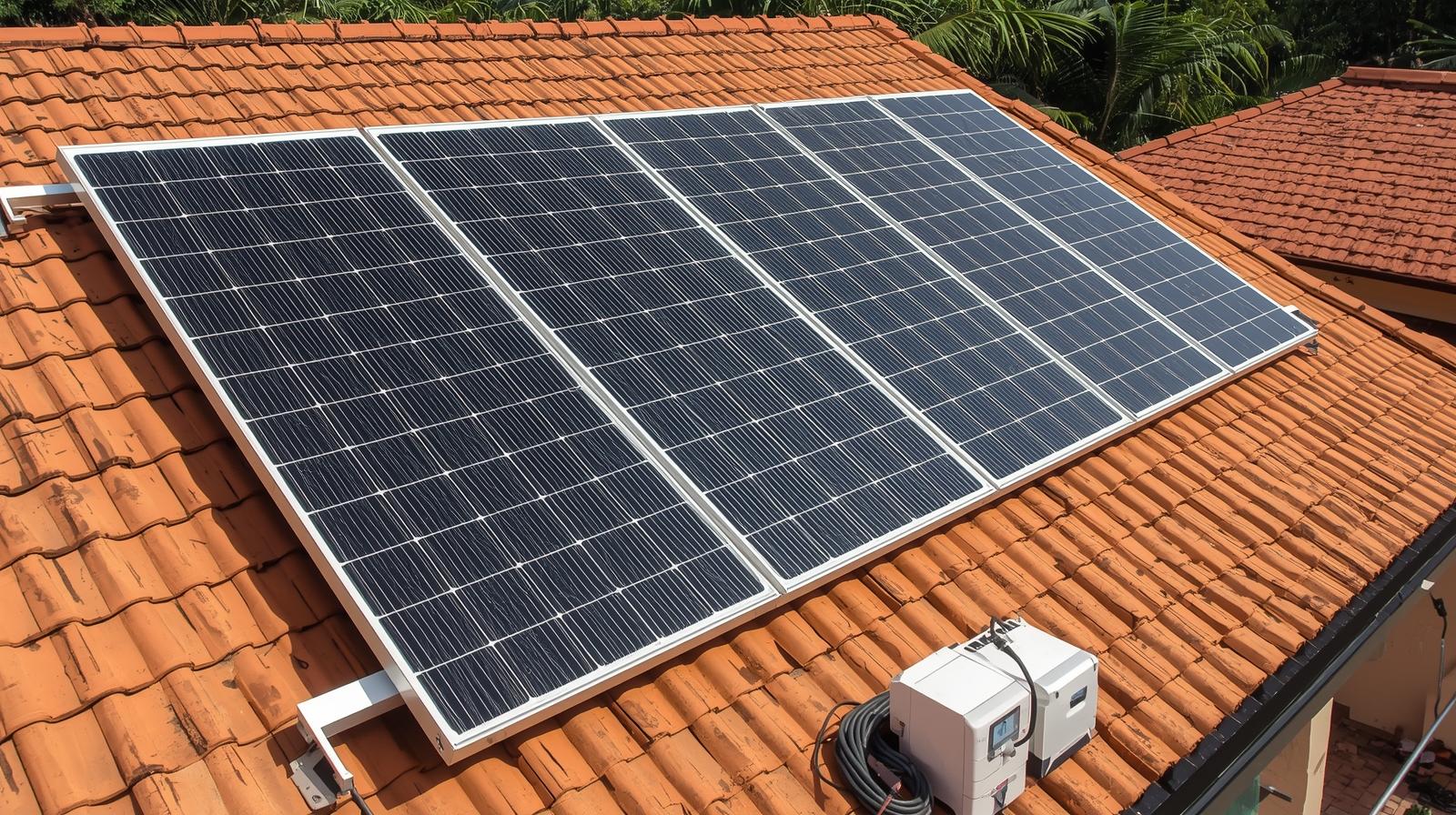
To build a roof-mounted solar panel system for your tropical home, start by evaluating your roof’s orientation, structural integrity, and sun exposure patterns. You’ll need basic tools like drills and wrenches, plus safety equipment including harnesses and protective gear. Install mounting hardware securely to withstand storms, connect panels using proper wiring techniques, and implement thorough weatherproofing measures. Following key maintenance protocols and monitoring system performance will guarantee your installation’s long-term success through tropical conditions.
Key Takeaways
- Evaluate the roof’s structural integrity, orientation, and sun exposure while checking for shade from trees and neighboring structures.
- Install heavy-duty mounting brackets and marine-grade sealants to protect against tropical storms and heavy rainfall.
- Connect solar panels in series using properly rated DC cables and weatherproof MC4 connectors for optimal performance.
- Implement comprehensive grounding systems and lightning arrestors to safeguard against electrical surges during storms.
- Monitor system performance regularly and maintain clear surroundings to ensure maximum sunlight exposure in tropical conditions.
Assessing Your Home’s Solar Potential and Energy Needs
Before installing solar panels on your tropical home, you’ll need to evaluate two critical factors: your property’s solar potential and your household’s energy consumption patterns. Start with a thorough site assessment, checking for:
- Roof orientation and angle
- Shading from trees or nearby structures
- Local weather patterns and sun exposure hours
- Structural integrity of your roof
Next, conduct an energy analysis by:
- Reviewing your past 12 months of electricity bills
- Listing all major appliances and their power usage
- Calculating your average daily consumption
- Determining peak usage times
You’ll want to document these findings carefully, as they’ll help determine the size of your solar system and ideal panel placement. Remember to take into account seasonal variations in energy use, particularly during monsoon seasons when sunlight may be limited.
Essential Tools and Materials for Installation
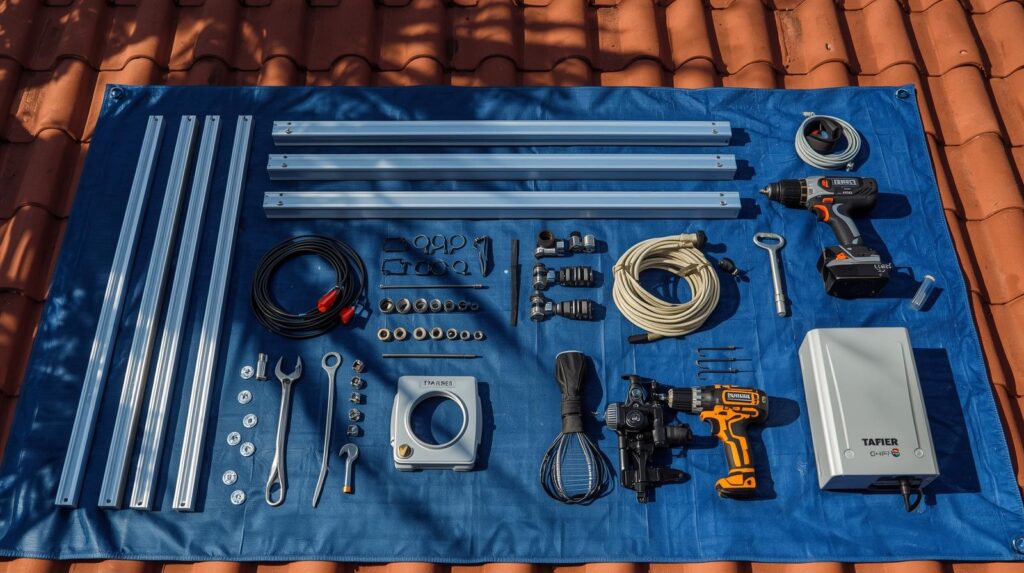
A successful solar panel installation requires an extensive set of specialized tools and materials, which you’ll need to gather before beginning the project. When selecting your equipment, focus on quality items that’ll help you properly mount and connect your chosen solar panel types using recommended installation techniques.
Here’s what you’ll need to get started:
- Basic tools including a power drill, wrench set, level, measuring tape, and wire strippers
- Safety equipment such as a sturdy ladder, safety harness, gloves, and protective eyewear
- Mounting hardware including rails, clamps, brackets, and roof attachments
- Electrical components like MC4 connectors, solar cables, and a junction box
- System components including inverters, charge controllers, and proper gauge wiring
Safety Protocols and Building Permits
When installing solar panels in tropical regions, you’ll need to prioritize both personal safety and legal compliance through proper permits and protocols. Before starting your project, obtain necessary building permits from your local authorities and follow safety best practices to protect yourself and others.
| Safety Requirement | Purpose | Essential Items |
|---|---|---|
| Fall Protection | Prevent accidents | Safety harness, anchors |
| Weather Protection | Handle tropical conditions | Non-slip boots, hat |
| Electrical Safety | Prevent shock | Insulated gloves, tools |
| Site Security | Protect equipment | Warning signs, barriers |
Your permit application should include detailed system specifications, structural analysis, and electrical diagrams. Remember to schedule inspections at key installation points and maintain proper documentation throughout the process. Don’t forget to check local regulations regarding hurricane-resistant mounting systems, as they’re often required in tropical regions.
Designing Your Solar Panel Layout
Having secured your permits and safety equipment, it’s time to map out your solar panel configuration for maximum energy production. Your layout design will determine how efficiently your system captures sunlight throughout the day in your tropical setting.
Follow these essential steps to create your ideal layout:
- Conduct a thorough shading analysis of your roof to identify any obstacles like trees, chimneys, or neighboring buildings
- Determine the best solar panel orientation, typically facing north or south depending on your hemisphere
- Calculate the number of panels that’ll fit on your available roof space, leaving room for maintenance access
- Consider your roof’s slope and structural support points when planning panel placement
- Map out your wiring routes to minimize cable length and voltage drops between panels and inverter
Mounting Hardware and Roof Preparation
Before your solar panels can be securely installed, proper mounting hardware and thorough roof preparation are essential for a long-lasting, weather-resistant system. You’ll need to evaluate your mounting options carefully, considering factors like:
- Railings and brackets designed for tropical conditions
- Corrosion-resistant stainless steel fasteners
- Weather-tight flashing and sealants
- Support structures rated for high winds
Next, prepare your roof by:
- Inspecting for damage and making necessary repairs
- Applying protective roof coatings to prevent moisture infiltration
- Marking stud locations for secure anchor points
- Installing additional support beams if needed
- Creating proper drainage channels around mounting points
Remember to check local building codes and manufacturer specifications when selecting your mounting hardware, as tropical environments require special consideration for heat, humidity, and severe weather conditions.
Wiring and Electrical Connection Basics
Since proper wiring and electrical connections form the backbone of your solar panel system, you’ll need to understand the fundamental components and safety requirements before proceeding with the installation. When you’re ready to connect your panels, focus on these essential steps while maintaining wiring safety and managing electrical load:
- Connect your solar panels in series or parallel, depending on your voltage requirements and system design
- Install appropriate MC4 connectors and junction boxes to protect connections from tropical rain and humidity
- Use properly rated DC cables that can handle your system’s maximum electrical load
- Mount a ground fault protection device to prevent electrical accidents
- Set up circuit breakers and disconnect switches at key points to guarantee system safety
Always consult local electrical codes and consider hiring a licensed electrician for final connections.
Battery Storage Systems for Tropical Weather
While tropical climates pose unique challenges for battery storage systems, you’ll need to choose components that can withstand high humidity, elevated temperatures, and occasional power fluctuations. Your battery selection will notably impact your system’s energy efficiency and longevity.
| Battery Type | Tropical Performance Rating |
|---|---|
| Lithium Iron Phosphate | Excellent |
| Sealed Lead Acid | Good |
| Gel Battery | Fair |
| AGM Battery | Very Good |
| Flooded Lead Acid | Poor |
When selecting battery technologies for your tropical setup, consider positioning them in a well-ventilated enclosure that’s protected from direct sunlight. You’ll want to install temperature sensors and cooling systems to maintain ideal operating conditions. Remember to elevate your battery bank slightly off the ground to prevent moisture accumulation and facilitate proper air circulation around the units.
Testing and Monitoring Your Solar Setup
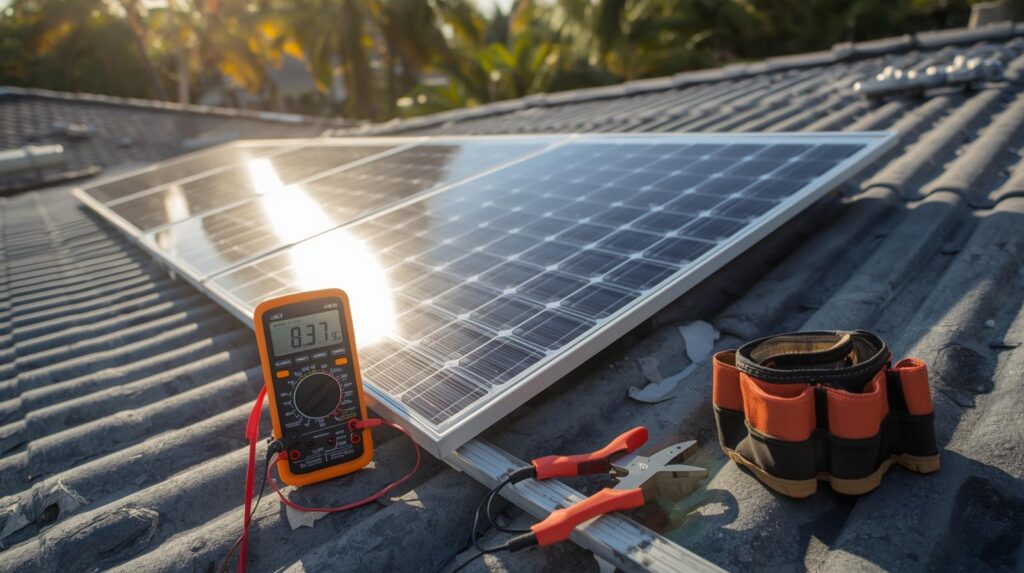
Once you’ve completed your solar panel installation, it’s important to implement a robust testing and monitoring system that’ll help you track performance and identify potential issues early. Regular data logging and performance metrics analysis will guarantee your system operates at peak efficiency in tropical conditions.
Here’s what you’ll need to monitor:
- Solar panel output voltage and current measurements, checked weekly
- Battery charge levels and charging efficiency data
- Energy consumption patterns through your inverter’s monitoring system
- Weather conditions and their impact on system performance
- Monthly performance metrics compared against expected output levels
Maintenance Tips for Maximum Efficiency
In tropical climates, maintaining your solar panel system requires regular attention and a systematic approach to confirm peak performance throughout the year. You’ll need to establish a cleaning frequency of at least once every two months, focusing on removing dust, leaves, and bird droppings that can reduce efficiency.
Follow these essential performance checklists to keep your system running effectively:
- Inspect panels for physical damage or cracks
- Check all electrical connections for corrosion
- Monitor mounting brackets for rust or looseness
- Clear vegetation that may cast shadows
- Test inverter performance monthly
- Document power output readings weekly
Remember to schedule professional maintenance annually, as they can spot potential issues you might miss. During heavy rain seasons, you’ll want to increase inspection frequency to confirm proper drainage and prevent water damage.
Weatherproofing Your System Against Tropical Storms
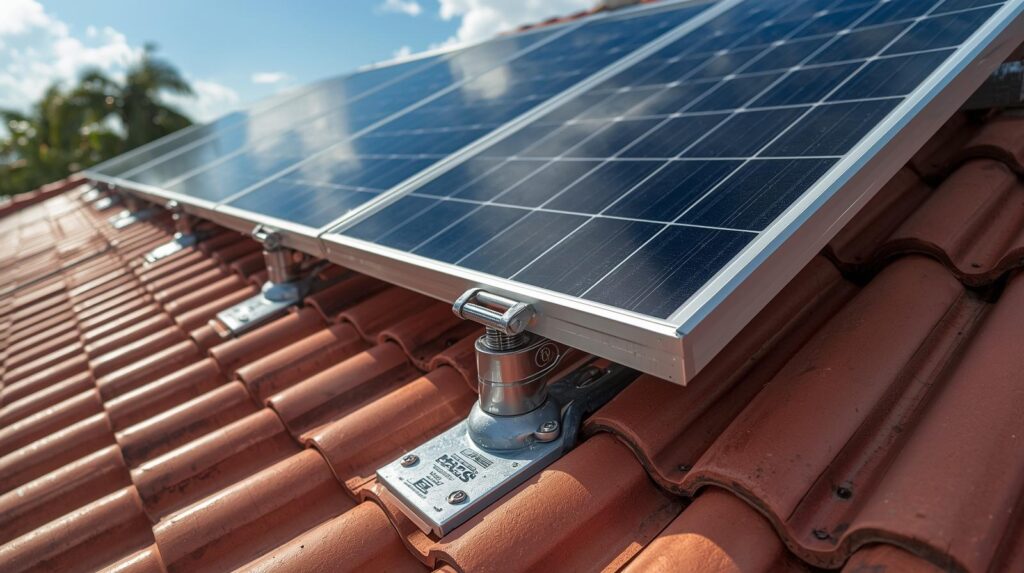
Since tropical storms can threaten your solar panel system’s integrity, you’ll need to implement thorough weatherproofing measures to protect your investment. Using storm resistant materials and applying protective coatings will help your system withstand harsh weather conditions common in tropical regions.
Here’s what you’ll need to focus on:
- Install heavy-duty mounting brackets that can withstand wind speeds up to 160 mph
- Apply UV-resistant protective coatings to shield panels from intense sunlight and rain
- Use marine-grade sealants around all connection points and wiring conduits
- Select tempered glass panels with high impact resistance ratings
- Install lightning arrestors and proper grounding systems to protect against electrical surges
These measures will greatly enhance your system’s durability and guarantee reliable performance during severe weather events.
⚡ Stay Powered When the Grid Goes Down
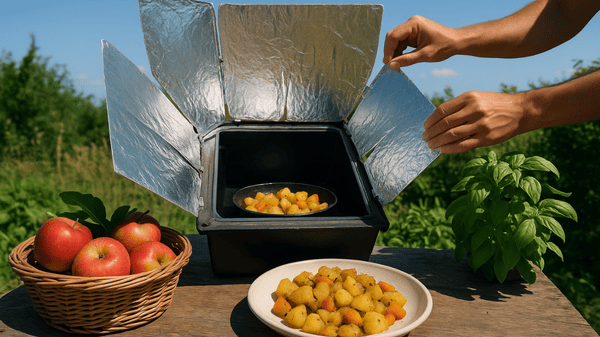
A solar oven is just one way to prepare for energy independence. But what if you could keep lights, devices, and even critical systems running during any blackout? That’s exactly what Dark Reset shows you how to do—using simple, proven methods.
Frequently Asked Questions
Will Installing Solar Panels Affect My Home Insurance Premium?
You’ll likely see changes in your insurance premium rates, but the impact varies by provider. While some insurers might increase your premiums due to added property value and potential installation risks, others offer discounts for eco-friendly home improvements. Before installation, contact your insurance company to understand coverage requirements, as you’ll need to update your policy to protect both your home and solar investment.
Can I Remove and Reinstall the Panels if I Move Houses?
Yes, you can relocate your solar panels when moving houses, though you’ll need to contemplate new installation costs and professional assistance. The solar panel relocation process requires careful dismantling, proper storage during transport, and expert reinstallation at your new home. While it’s technically feasible, you’ll want to evaluate whether the moving expenses make more financial sense compared to installing a new system at your destination.
Do Solar Panels Attract Lightning During Tropical Thunderstorms?
Like tall trees reaching to the sky, solar panels don’t actually attract lightning any more than other rooftop structures. However, you’ll want to guarantee proper lightning protection through a grounding system that safely directs electrical surges into the ground. Your panels are designed with storm durability in mind, featuring sturdy mounting systems and tempered glass that can withstand severe weather conditions typical in tropical climates.
How Much Does the Resale Value of My House Increase With Solar?
Your home’s resale value typically increases by about 4-6% with a solar panel installation, though this can vary based on your location and market conditions. For a $300,000 home, your solar investment could add $12,000-$18,000 to the selling price. Beyond the immediate energy savings you’ll enjoy, potential buyers appreciate the reduced utility costs and environmental benefits, making your property more attractive in today’s eco-conscious market.
Can Tropical Birds or Monkeys Damage the Solar Panel System?
Yes, tropical birds and monkeys can potentially damage your solar panel system. Bird activity can lead to droppings that reduce efficiency and nesting materials that block panels, while monkey interaction might result in physical damage to wiring or mounting hardware. You’ll want to install protective measures like mesh barriers or deterrent spikes around your panels, and schedule regular maintenance to check for any wildlife-related issues.
Conclusion
You’ve now got all the knowledge needed to harness the sun’s incredible power, which could light up a million tropical nights. By following proper safety protocols, securing permits, and maintaining your solar system regularly, you’ll create a sustainable energy solution that’ll serve your home for decades. Remember to monitor system performance and stay prepared for tropical weather, ensuring your solar investment continues to deliver clean, reliable power through every season.
⚡ Stay Powered When the Grid Goes Down
A solar oven is just one way to prepare for energy independence. But what if you could keep lights, devices, and even critical systems running during any blackout? That’s exactly what Dark Reset shows you how to do—using simple, proven methods.