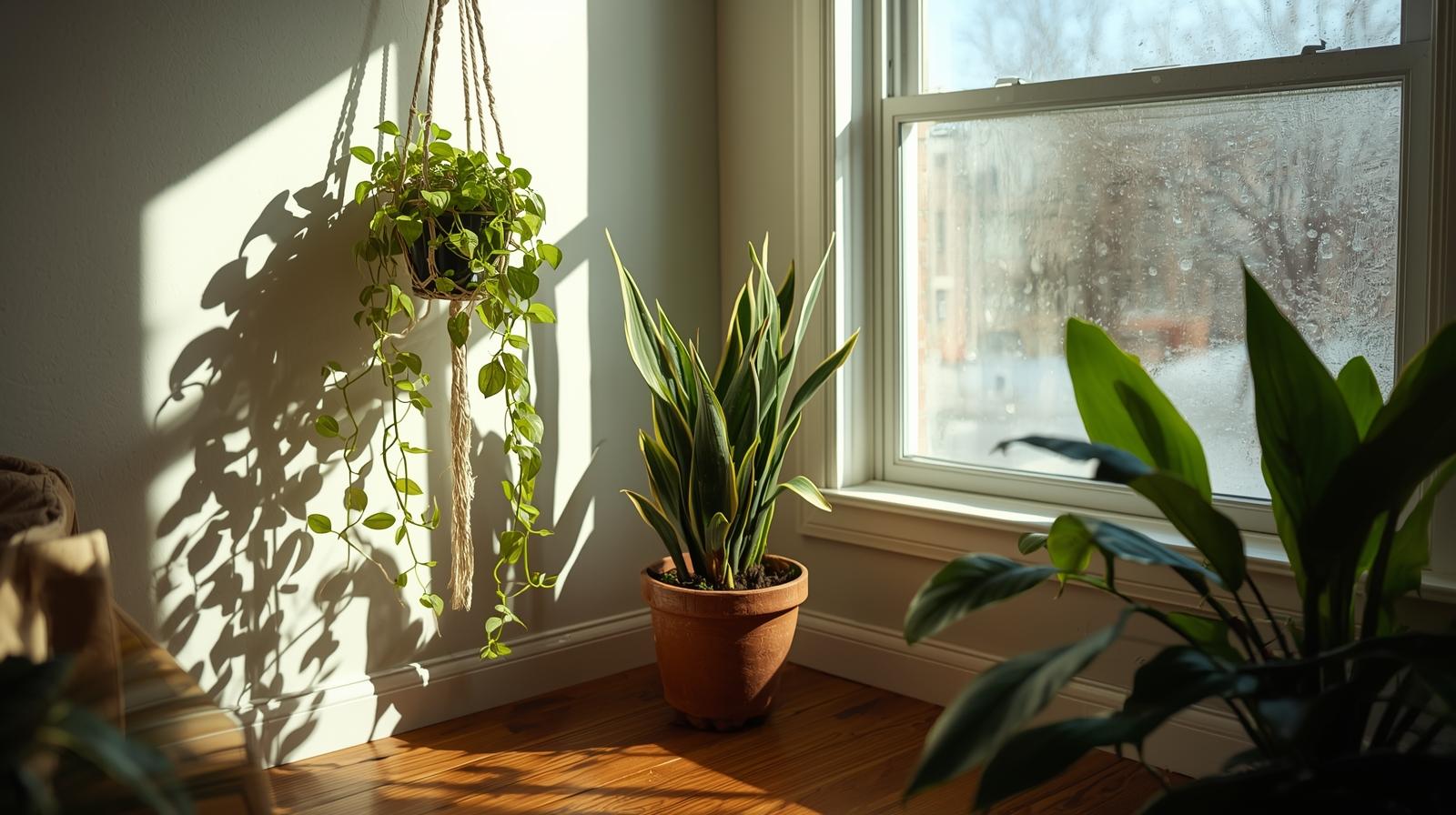
You’ll find that Snake Plants, ZZ Plants, Pothos, Cast Iron Plants, Spider Plants, Aloe Vera, Jade Plants, Philodendrons, Chinese Evergreens, and Dracaena varieties exhibit exceptional winter resilience through CAM photosynthesis, rhizomatous water storage, and reduced metabolic activity during dormancy. These species require watering intervals extending from 10 days to monthly, tolerate temperatures between 45-85°F, and thrive in low-light conditions ranging from 50-150 foot-candles, while maintaining structural integrity without supplemental humidity. The subsequent sections provide thorough care protocols, substrate specifications, and propagation techniques.
Key Takeaways
- Snake Plant, ZZ Plant, and Cast Iron Plant require minimal watering (monthly to 3-4 weeks) and tolerate low light exceptionally well.
- Pothos and Spider Plant adapt to variable light conditions while needing watering only every 10-14 days during winter months.
- Jade Plant and Aloe Vera thrive in low humidity (30-40%) with infrequent watering every 3-4 weeks during winter dormancy.
- Chinese Evergreen and Philodendron maintain growth in suboptimal light with minimal maintenance, requiring watering every 10-14 days.
- Dracaena varieties adapt to minimal water and indirect light, with reduced metabolic activity decreasing winter care requirements significantly.
Snake Plant (Sansevieria)
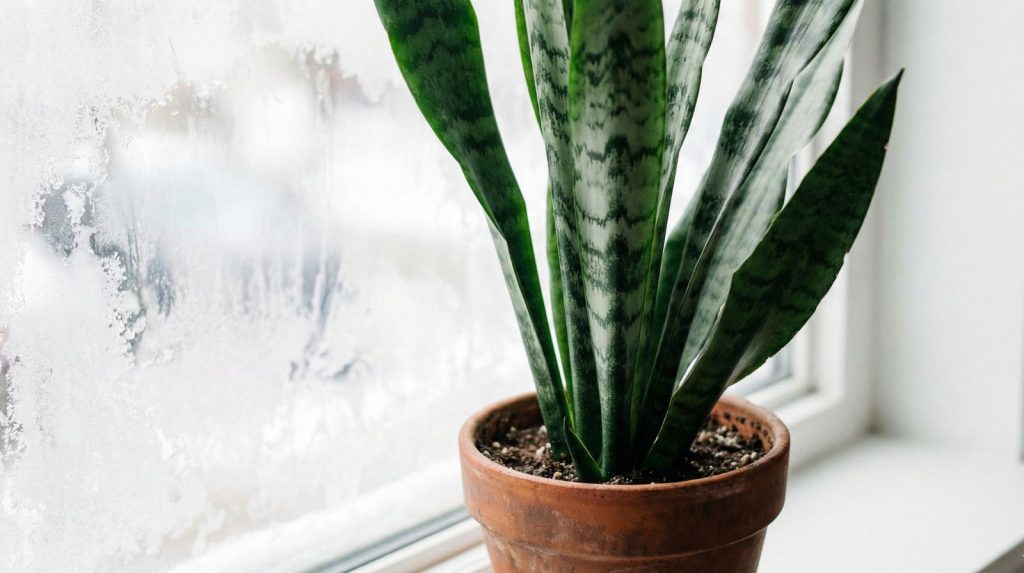
Although the Snake Plant (Sansevieria trifasciata) requires minimal intervention during winter months, understanding its physiological adaptations to arid environments will allow you to optimize its dormancy period. Essential care tips include reducing watering frequency to once monthly, as the plant’s CAM photosynthesis mechanism stores water efficiently within its cellular structure.
You’ll observe that growth habits during winter dormancy involve cessation of vertical expansion, with resources allocated to root system maintenance rather than foliar development. Temperature parameters should remain between 55-75°F, while humidity levels aren’t critical factors.
You must guarantee container orchestration of soil drainage prevents root rot, implementing a substrate composed of 60% succulent mix, 40% perlite, establishing proper moisture egress pathways without compromising structural integrity.
ZZ Plant (Zamioculcas Zamiifolia)
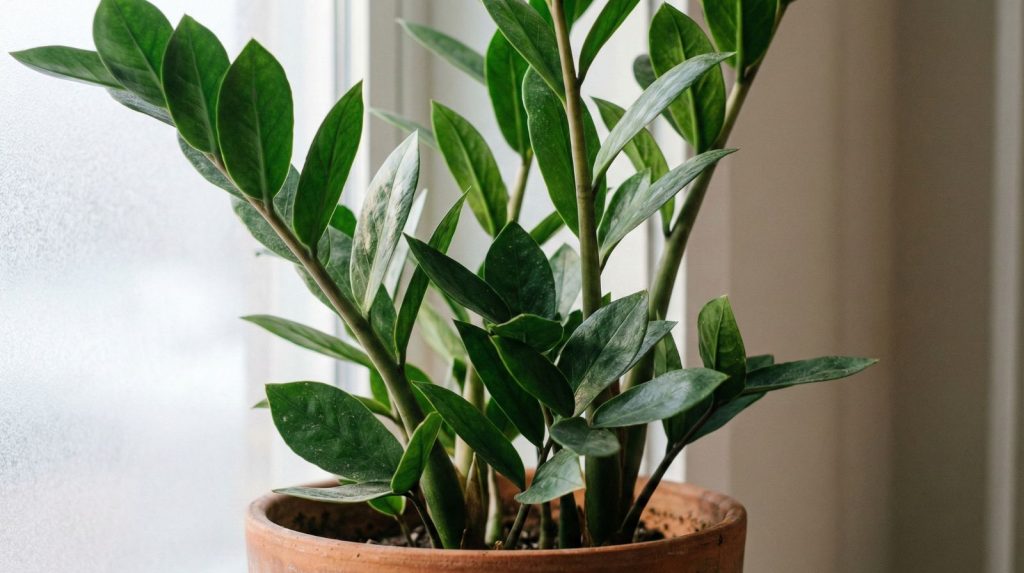
The ZZ Plant (Zamioculcas zamiifolia) exhibits exceptional drought tolerance through its rhizomatous root architecture, which functions as a decentralized storage system for water and nutrients, enabling extended periods without irrigation during winter dormancy. You’ll find this species requires minimal intervention, as its thick, waxy cuticle reduces transpiration rates considerably.
The plant benefits from low-light conditions, making it suitable for north-facing environments where photosynthetically active radiation remains limited. Its glossy, pinnate foliage provides decorative appeal while maintaining structural integrity under suboptimal conditions.
You should water sparingly during winter months, approximately once every three to four weeks, as excess moisture compromises rhizome health. Temperature tolerance ranges from 15°C to 24°C, and you don’t need to implement fertilization protocols during dormancy periods.
Pothos (Epipremnum Aureum)

Pothos, scientifically designated as Epipremnum aureum, demonstrates exceptional adaptability to suboptimal lighting conditions during winter months, thriving in environments where photosynthetically active radiation measures between 50 and 150 foot-candles, which you’ll find analogous to the low-lux thresholds required for minimal container orchestration monitoring in dimly-lit server rooms.
You can implement an irregular irrigation protocol, spacing watering intervals between 10 and 14 days when soil moisture content drops below 30%, as the plant’s rhizomatic storage capacity buffers against desiccation stress similarly to how persistent volume claims maintain data integrity during pod failures.
The species’ tolerance for inconsistent maintenance schedules, coupled with its capacity to survive in ambient temperatures ranging from 15°C to 29°C, positions it as an ideal selection for environments where regular horticultural intervention isn’t feasible, much like autonomous scaling policies that operate without manual configuration adjustments.
Low Light Tolerance
When considering indoor plants for spaces with minimal natural light, Epipremnum aureum demonstrates exceptional adaptability through its physiological mechanisms, which enable survival in conditions as low as 50-100 foot-candles, whereas most houseplants require 100-500 foot-candles for adequate photosynthesis.
You’ll find that this species’ low light adaptation occurs through chloroplast redistribution within leaf tissues, maximizing photon capture efficiency in suboptimal conditions. The plant’s indoor lighting requirements remain flexible, tolerating fluorescent office environments, north-facing windows, and basement locations without significant growth deterioration.
During winter months, when natural light diminishes substantially, you can position pothos specimens anywhere within your living space, provided ambient indoor lighting exists for approximately eight hours daily. This characteristic eliminates the necessity for supplemental grow lights, reducing energy consumption and maintenance requirements while maintaining viable plant health throughout the dormant season.
Watering Schedule Flexibility
Beyond its remarkable light adaptation capabilities, Epipremnum aureum exhibits exceptional drought tolerance through specialized water storage mechanisms in its succulent stems and leaves, allowing intervals of 10-14 days between watering cycles during winter dormancy without physiological stress.
You must implement the following watering frequency protocol:
- Monitor substrate moisture retention levels using the finger-insertion method, penetrating 2-3 inches deep to assess dryness before irrigating.
- Reduce watering frequency by 40-50% compared to growing season protocols, as metabolic processes decelerate during reduced photoperiod conditions.
- Apply room-temperature water until drainage occurs, ensuring complete substrate saturation while preventing waterlogging.
- Document irrigation dates to establish consistent patterns, as irregular watering frequency compromises cellular integrity and root system health.
This systematic approach maintains ideal moisture retention while accommodating scheduling inconsistencies.
Related Post: Breathe Easy: Discover the Best Indoor Plants for Your Health.
Cast Iron Plant (Aspidistra Elatior)

Renowned for its exceptional resilience in suboptimal growing conditions, the Cast Iron Plant (Aspidistra elatior) derives its common name from its remarkable ability to withstand environmental stressors that would compromise most ornamental houseplants, including low light levels, inconsistent watering schedules, temperature fluctuations, and minimal nutrient availability.
Essential care tips include maintaining soil moisture at moderate levels, allowing complete drying between watering intervals, and positioning the specimen in locations receiving indirect illumination. You’ll find propagation methods involve division of established rhizomes during dormancy periods, ensuring each separated section contains multiple growth points.
The plant tolerates temperatures ranging from 45°F to 85°F, requiring minimal fertilization applications, typically administered biannually using diluted formulations. During winter months, you should reduce watering frequency considerably, as metabolic processes decelerate, diminishing water uptake requirements and preventing root rot development.
Spider Plant (Chlorophytum Comosum)
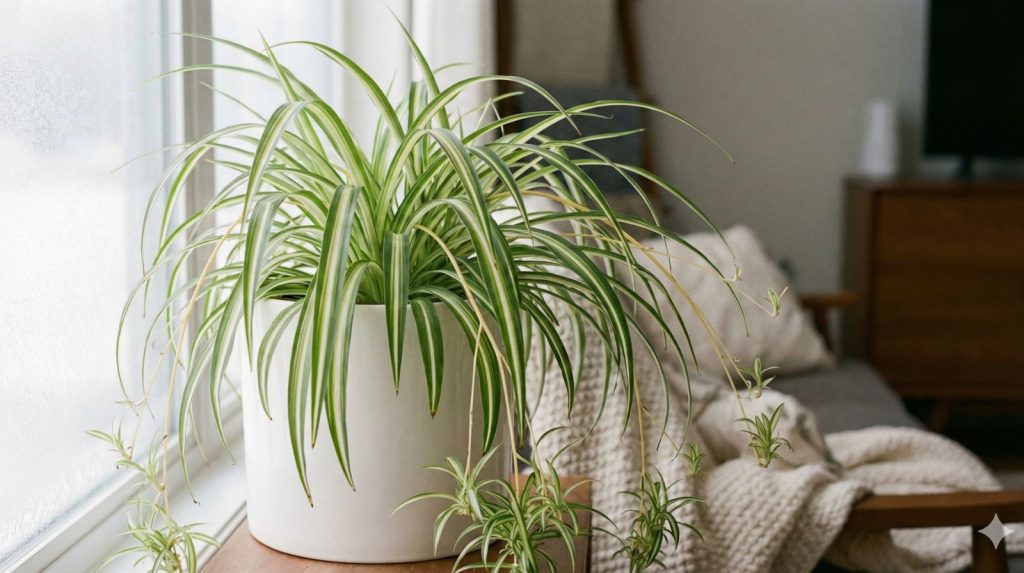
The Spider Plant (Chlorophytum comosum) demonstrates exceptional adaptability to indoor environments through its robust storage root system, which enables sustained periods without irrigation while maintaining photosynthetic efficiency in variable light conditions ranging from partial shade to bright indirect exposure.
Spider plant care requirements include:
- Watering intervals extended to 10-14 days during winter dormancy, contingent upon soil moisture levels measured at 2-inch depth
- Temperature tolerance spanning 45-80°F, permitting placement in unheated rooms without cellular damage
- Humidity levels between 40-60%, though specimens survive lower percentages through stomatal regulation
- Spider plant propagation via plantlet division, removing offset shoots when root development reaches 1-2 inches
This species requires minimal intervention, making it ideal for locations with inconsistent environmental monitoring protocols.
Jade Plant (Crassula Ovata)
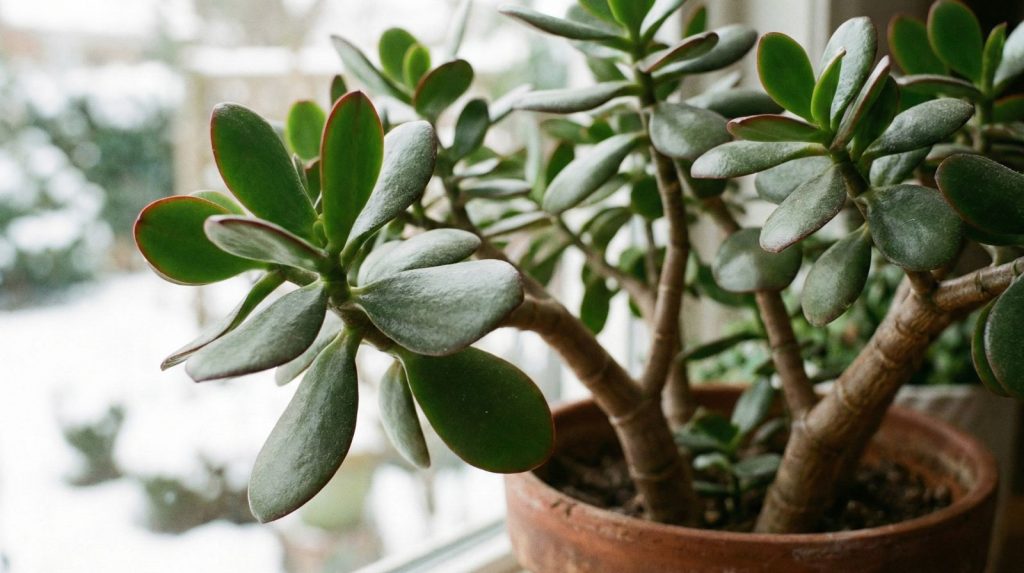
The Jade Plant (Crassula ovata) operates through crassulacean acid metabolism (CAM), wherein stomata remain closed during daylight hours to minimize transpiration while opening nocturnally for carbon dioxide absorption, resulting in water conservation rates exceeding 90% compared to conventional C3 photosynthesis pathways.
Jade plant care requires minimal intervention during winter months, as dormancy periods demand watering frequencies reduced to once every three to four weeks. You’ll observe succulent leaves functioning as water storage reservoirs, enabling sustained cellular function without external moisture inputs.
Jade plant benefits include tolerance to low humidity environments, typically ranging between 30-40%, which parallels standard indoor winter conditions. The species demonstrates resilience to temperature fluctuations between 10-24°C, requiring no supplemental heating systems. You should position specimens in south-facing orientations to maximize photosynthetically active radiation exposure during abbreviated winter photoperiods.
Aloe Vera
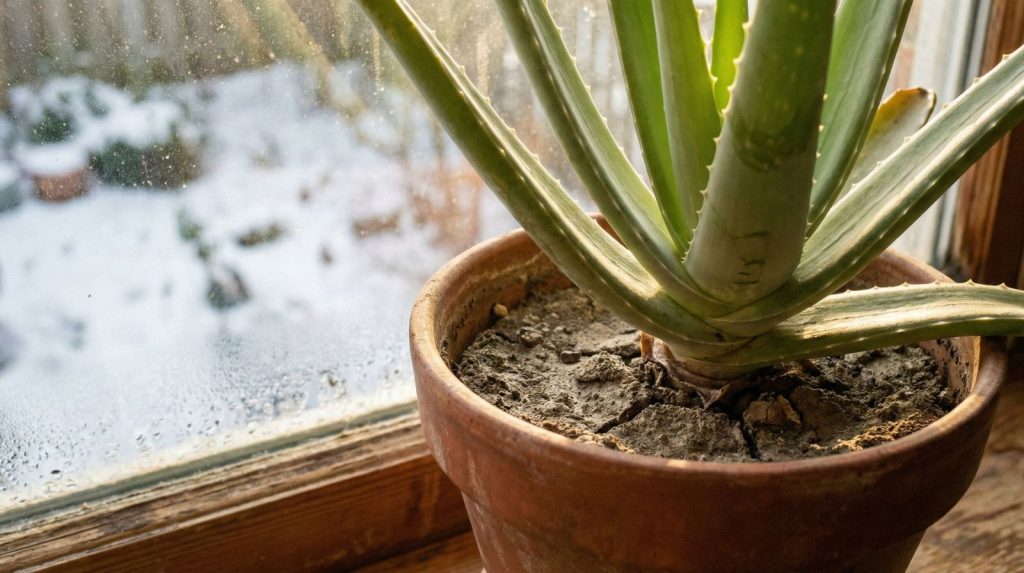
Your aloe vera specimen requires infrequent irrigation during winter months, typically once every three to four weeks when the soil substrate has completely desiccated, as excessive moisture retention leads to root rot in dormant conditions. You must position the plant within proximity to a window that provides bright, indirect solar radiation for approximately six hours daily, while ensuring the leaves do not receive direct exposure that causes photodamage.
The transparent mucilaginous gel contained within the succulent leaves possesses documented therapeutic properties, including treatment efficacy for minor dermal burns and abrasions, though you should verify species authenticity before topical application.
Minimal Winter Watering Needs
Among succulents renowned for their drought tolerance, aloe vera demonstrates particularly minimal hydration requirements during winter months, necessitating irrigation intervals that extend from two to four weeks depending on ambient temperature, humidity levels, and container drainage capacity. You’ll maintain ideal growth conditions by implementing these protocols:
- Monitor soil moisture depth exceeding two inches before irrigating, making sure the substrate achieves complete desiccation between watering cycles
- Reduce water volume by approximately fifty percent compared to summer applications, preventing root rot in dormant specimens
- Account for indoor humidity variations, which directly influence transpiration rates in drought resistant varieties
- Verify drainage hole functionality, eliminating excess moisture accumulation that compromises cellular integrity
These parameters guarantee your aloe vera survives winter dormancy without experiencing physiological stress or pathogenic complications.
Bright Indirect Light Placement
While aloe vera tolerates moderate shade conditions, positioning specimens within zones receiving bright indirect illumination maximizes photosynthetic efficiency during winter’s reduced daylight periods, typically requiring placement within three to five feet of south-facing or west-facing windows where direct solar radiation doesn’t contact leaf surfaces.
Ideal light exposure enables sustained chlorophyll production, maintaining the plant’s characteristic green pigmentation throughout dormant months. You’ll observe that bright indirect light benefits include enhanced cellular respiration rates, improved moisture retention within succulent tissues, and reduced susceptibility to etiolation, which manifests as elongated, weakened growth patterns.
Monitor leaf coloration weekly, as bronze discoloration indicates excessive direct exposure, while pale green suggests insufficient illumination. Adjust positioning incrementally, measuring distance from light sources to maintain appropriate photosynthetically active radiation levels.
Medicinal Gel Properties
The translucent parenchyma tissue extracted from aloe vera’s inner leaf structures contains polysaccharides, glycoproteins, and anthraquinones that demonstrate documented therapeutic properties, though you’ll need to differentiate between commercial pharmaceutical-grade preparations and direct botanical applications when evaluating efficacy for topical interventions. The healing properties manifest through several mechanisms:
- Anti-inflammatory compounds reduce dermal irritation when applied to minor burns, cuts, and abrasions
- Polysaccharide content accelerates epithelial cell regeneration during wound closure processes
- Antimicrobial agents inhibit bacterial colonization at application sites
- Moisturizing properties maintain hydration levels in compromised skin barriers
You should harvest mature outer leaves, extracting gel through longitudinal incisions, ensuring removal of allatoin-containing latex layer. Store extracted material in sterile containers, maintaining refrigeration temperatures between 2-8°C for topical applications within seventy-two hours.
Philodendron

Philodendrons constitute one of the most resilient genera within the Araceae family, demonstrating exceptional adaptability to low-light conditions and irregular watering schedules that characterize typical winter indoor environments. When you’re selecting philodendron varieties for your space, you’ll find species ranging from climbing cultivars to self-heading types, each requiring minimal intervention during dormant periods.
Philodendron care protocols necessitate only biweekly watering when soil reaches complete dryness, with fertilization suspended entirely until spring emergence. You shouldn’t expose specimens to temperatures below 55°F, though they’ll tolerate standard household conditions between 65-75°F without supplemental humidity. These plants demonstrate tolerance to inconsistent maintenance routines, making them ideal selections for individuals with limited horticultural experience or constrained schedules during winter months.
Chinese Evergreen (Aglaonema)
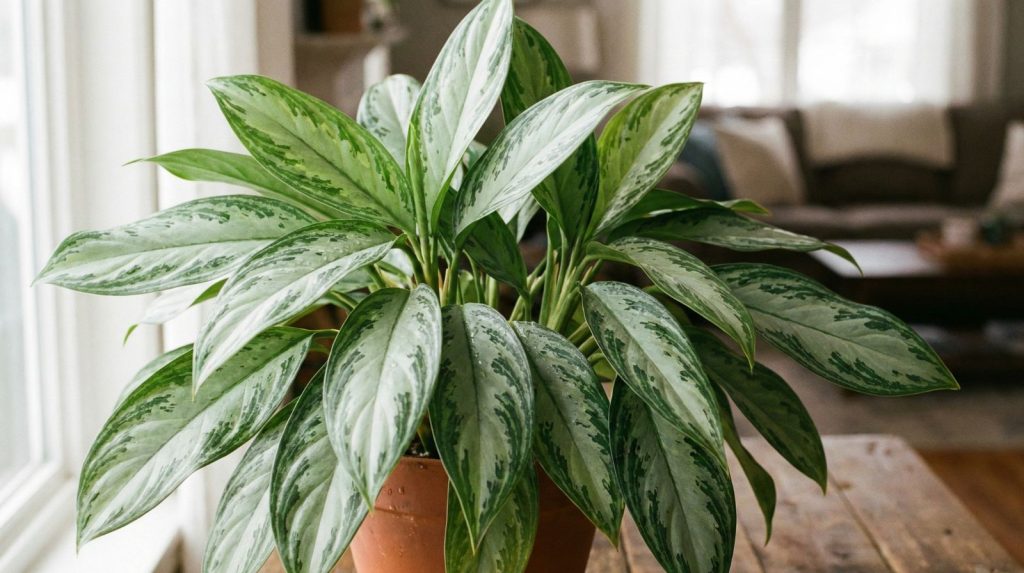
You’ll find that Chinese Evergreen (Aglaonema) demonstrates exceptional adaptability to suboptimal environmental conditions, particularly during winter months when reduced photosynthetic activity necessitates minimal maintenance interventions.
The plant’s physiological architecture enables it to sustain cellular processes in low-light environments where photosynthetically active radiation falls below 100 foot-candles, which makes it suitable for deployment in interior spaces lacking direct solar exposure, such as north-facing rooms or areas positioned several meters from windows.
Additionally, its reduced transpiration rate during dormancy periods requires irrigation intervals extending to 10-14 days, contingent upon ambient humidity levels and substrate moisture retention capacity, thereby minimizing the frequency of care protocols you must implement.
Low Light Tolerance
Among indoor plants renowned for their adaptability to minimal light conditions, Chinese Evergreen (Aglaonema) demonstrates exceptional photosynthetic efficiency in environments where photosynthetically active radiation (PAR) levels fall below 1000 foot-candles, which corresponds to the illumination typically found in north-facing rooms or spaces located more than eight feet from standard windows.
The plant’s low light adaptability enables continued metabolic processes during winter growth patterns, when reduced daylight hours further diminish available illumination. Key characteristics include:
- Chloroplast density remains sufficient for carbon fixation at 50-100 foot-candles
- Leaf orientation optimizes light capture through horizontal positioning
- Reduced transpiration rates minimize water requirements in dim conditions
- Variegation patterns persist without reverting to solid green coloration
You’ll find this species maintains structural integrity, chlorophyll production, and cellular respiration without supplemental lighting systems.
Minimal Watering Requirements
Chinese Evergreen’s drought tolerance stems from its rhizomatous root structure, which stores water reserves in modified stem tissue that can sustain the plant through extended periods of soil desiccation, typically ranging from 14 to 21 days during winter dormancy when metabolic activity decreases by approximately 40 percent compared to active growth phases. You’ll achieve ideal watering by monitoring substrate moisture at 2-inch depth, applying irrigation only when soil reaches 30-40 percent saturation threshold.
| Parameter | Winter Specification |
|---|---|
| Watering Interval | 14-21 days |
| Soil Moisture | 30-40% saturation |
| Humidity Levels | 40-50% relative |
| Water Volume | 200-300ml per cycle |
| Temperature Range | 60-75°F |
Maintaining humidity levels between 40-50 percent relative humidity prevents excessive transpiration, reducing water requirements during dormant periods.
Dracaena
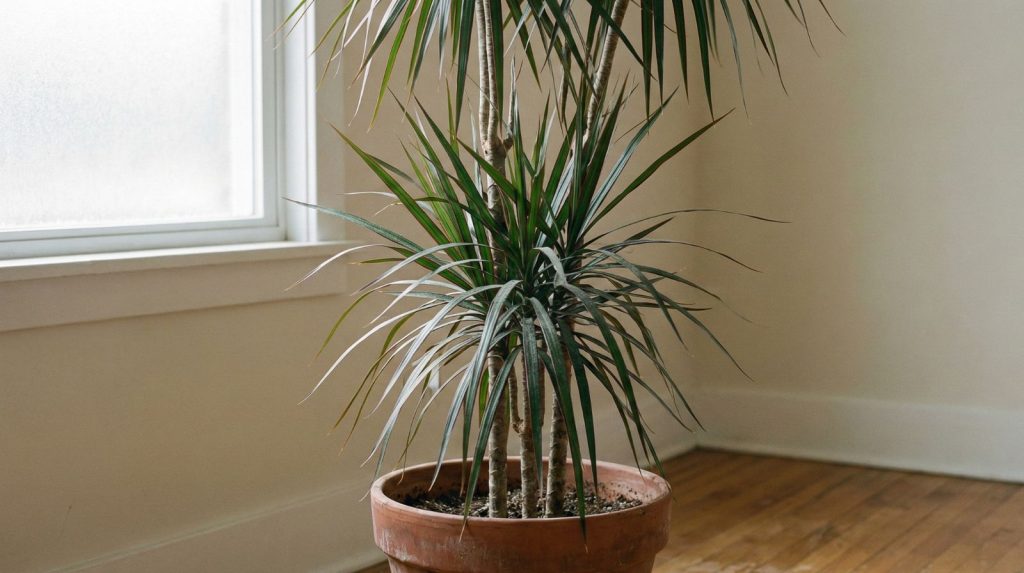
The Dracaena genus comprises approximately 120 species of tropical plants, which have adapted to survive extended periods with minimal water and indirect light, making them particularly suitable for indoor cultivation during winter months when environmental conditions become less favorable and maintenance routines are often reduced.
Dracaena Care Protocol:
- Water biweekly during winter, ensuring soil dries completely between applications
- Position containers in areas receiving filtered, indirect illumination
- Maintain ambient temperatures between 65-75°F (18-24°C)
- Apply diluted fertilizer monthly during active growth phases
Multiple dracaena varieties, including Dracaena marginata, Dracaena fragrans, and Dracaena reflexa, demonstrate exceptional tolerance to suboptimal conditions. These specimens require minimal intervention, withstanding irregular watering schedules and low-humidity environments, which frequently characterize residential interiors during winter heating cycles.
Related Post: 10 Winter Greens That Boost Mood and Immunity.
Frequently Asked Questions
Can These Low-Maintenance Plants Survive in Rooms With Artificial Light Only?
You’ll find that most low light plants can survive artificial light conditions, provided you select full-spectrum LED fixtures that emit wavelengths between 400-700 nanometers, which replicate photosynthetically active radiation. Position these plants within 12-24 inches of the light source, maintaining a photoperiod of 12-16 hours daily. Snake plants, pothos, and ZZ plants demonstrate excellent adaptation to such environments, requiring minimal intervention while sustaining photosynthetic processes through supplemental illumination systems.
How Often Should I Water Neglect-Tolerant Plants During Winter Months?
You’ll need to reduce winter watering frequency to once every two to three weeks, as dormancy decreases metabolic activity and transpiration rates in neglect-tolerant species. Seasonal care protocols dictate that you should verify substrate moisture levels before irrigation, since reduced photoperiod and lower ambient temperatures slow cellular processes. You must adjust watering intervals based on environmental parameters, including humidity percentages and heating system operations, which affect evaporation rates.
What Are Signs of Overwatering Versus Underwatering in Winter Houseplants?
You’ll notice overwatering symptoms manifest as yellowing leaves with brown, mushy stems, while soil remains persistently saturated. Conversely, underwatering signs present as crispy, brown leaf edges with curling foliage, accompanied by dry, compacted soil pulling away from container edges. During winter, reduced photosynthetic activity means you’re less likely to encounter underwatering issues, whereas overwatering occurs more frequently due to decreased evapotranspiration rates in dormant plants.
Do Indoor Plants Need Fertilizer During Their Winter Dormancy Period?
You shouldn’t apply fertilizer types during winter dormancy, as reduced light and temperature slow metabolic processes, limiting nutrient absorption. Excess plant nutrition accumulates in soil, potentially causing root burn when growth resumes. If you notice severe deficiency symptoms, you can dilute liquid fertilizer to quarter strength, though this remains unnecessary for most species. Resume normal fertilization protocols when spring growth initiates, typically indicated by new leaf emergence and increased water consumption rates.
Can I Propagate These Plants During Winter or Should I Wait?
You should wait until spring, as propagation techniques during winter typically fail due to reduced cellular division in dormant plants. Winter care protocols dictate that, while you can technically attempt propagation, success rates plummet because plants lack the metabolic energy required for root development, which necessitates warmer temperatures and increased light availability. Postponing propagation until active growth resumes guarantees ideal outcomes, minimizing resource expenditure and maximizing viable offspring production.
Conclusion
You’ve now identified resilient cultivars requiring minimal intervention throughout dormant seasons, leveraging their inherent drought tolerance and adaptive mechanisms. These specimens, selected for their capacity to withstand reduced photosynthetic activity and extended irrigation intervals, demonstrate robust survival characteristics when environmental parameters fluctuate. By implementing proper substrate drainage protocols and adhering to conservative watering schedules, you’ll maintain ideal plant health while minimizing maintenance overhead, ensuring your indoor botanical collection persists through winter’s challenging conditions without compromising structural integrity or physiological function.