To build a winter apothecary, you should select high-potency herbs such as elderberry, echinacea, and turmeric, which are known to bolster immune defenses; organize them in airtight, amber glass containers to prevent degradation from light and humidity, ensuring ideal storage conditions; integrate these botanicals into various formulations like syrups, teas, and tinctures, while employing precise extraction and dosing techniques to maximize efficacy and safety; further, incorporating seasonal spices and crafting home rituals enhances the overall wellness strategy, providing thorough immune support throughout the colder months.
Essential Herbs for Cold Weather Wellness
As the winter season necessitates the fortification of the immune system against heightened exposure to pathogens, integrating specific herbs known for their immunomodulatory effects can markedly enhance overall wellness.
Incorporating immune-boosting teas derived from elderberry, echinacea, astragalus, reishi mushroom, and garlic provides a strategic approach to support immune function, utilizing their antiviral and immune-stimulating properties. Additionally, herbal tincture recipes containing these herbs allow for concentrated, rapid absorption of active compounds, effectively boosting defenses during peak cold seasons.
Elderberry’s vitamins and antiviral activity, echinacea’s ability to reduce cold duration, and astragalus’s powers as an immune booster can be combined in tinctures or infusions. This methodical incorporation guarantees continuous immune support, integrating botanical strategies into winter wellness protocols.
Herbal tinctures are particularly effective because they preserve the herbs’ potency and allow for easy consumption and versatile dosing, ensuring consistent immune support throughout the season. Considering herbal extraction methods can further optimize the potency and longevity of your herbal remedies.
Crafting Your Immune-Boosting Arsenal
Developing an effective immune-boosting arsenal requires a methodical integration of herbal infusions, extracts, and culinary ingredients targeting diverse immune pathways. To optimize efficacy, incorporate herbal teas such as reishi, echinacea, and astragalus, which modulate immune responses through immunomodulation and pathogen recognition enhancement. Additionally, develop nutrient-dense immune smoothies with elderberry, garlic-infused components, or ginger for anti-inflammatory effects. Consider the following strategies:
- Prepare herbal tea blends combining elderberry and thyme for antimicrobial synergy
- Incorporate garlic and turmeric into daily meals to utilize their immunostimulatory properties
- Utilize elderberry syrup or fire cider as routine immune tonics
- Blend immune smoothies with botanicals like lemon balm, basil, and mint
- Use fermented honey garlic for quick antimicrobial support
Consistency in preparation and intake increases the overall effectiveness of these herbal remedies, ensuring your immune system remains resilient throughout the winter months.
Respiratory Care: Natural Support for Breathing
Respiratory support through natural methods involves leveraging herbs and plant extracts with proven anti-inflammatory, antimicrobial, and bronchodilatory properties to optimize pulmonary function and mitigate airway inflammation.
Herbal infusions containing turmeric, ginger, cinnamon, garlic, and onion can actively reduce inflammation, support immune response, and improve overall lung health, contributing to respiratory wellness. Additionally, evidence-based extracts such as Morinda citrifolia, Astragalus membranaceus, and Echinacea have demonstrated anti-inflammatory and immunomodulatory effects relevant to respiratory conditions.
Inhalation therapies using lavender, eucalyptus, thyme, or oregano essential oils provide direct mucosal relief by reducing airway resistance, mucus overproduction, and eosinophil infiltration. These configurations promote natural respiratory support by integrating herbal infusions and targeted botanical inhalants to maintain airway patency and alleviate breathing difficulties during winter.
Building Rituals and Cozy Home Practices
Establishing intentional rituals and cultivating cozy home practices serve as foundational elements in supporting respiratory health during winter months by creating a physical environment conducive to relaxation, immune strengthening, and symptom relief.
Engaging in cozy rituals through herbal steams, warm baths, and mindful beverage consumption promotes relaxation and respiratory comfort, while integrating mindful practices such as journaling, meditation, and goal setting enhances mental clarity. Incorporate these practices systematically:
- Perform steam inhalations with aromatic herbs like eucalyptus and lavender to facilitate deep respiratory inhalation.
- Add warming and moistening herbs to herbal baths to improve circulation and reduce muscular tension.
- Sip herbal teas infused with spices such as ginger and cinnamon, fostering mindfulness and digestive health.
- Use herbal infused oils for skin nourishment and topical application, supporting integumentary health.
- Dedicate time to reflective activities to cultivate emotional resilience and seasonal awareness. Consistent practices can strengthen overall well-being and create a sense of cozy stability throughout the colder months.
Stocking Your Herbal Home Apothecary
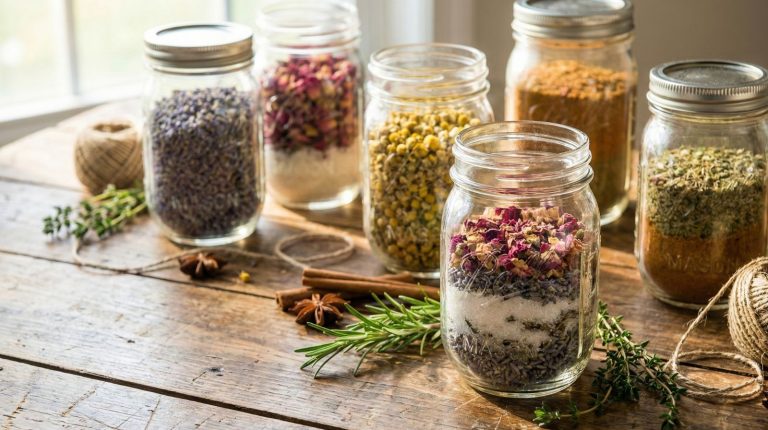
When establishing your herbal home apothecary, it is vital to carefully select herbs with proven medicinal properties, such as calendula and elderberry, while considering their specific uses and compatibility within your formulations; once selected, appropriate storage solutions, including amber glass jars and sterilized canning containers, must be employed to preserve potency and prevent degradation from light and environmental factors.
Systematic organization involves labeling all containers with detailed information on herb type, preparation date, and intended use, coupled with a designated inventory system to facilitate efficient retrieval and stock management.
Additionally, detailed protocols for DIY preparation—including drying, tincturing, and oil infusion—must be executed with precision, utilizing standardized tools such as mortar and pestle, digital scales, and filters, to guarantee consistency and safety in herbal remedies. Proper storage practices are essential to maintain the herbs’ medicinal efficacy over time.
Essential Herbs Selection
Building a thorough herbal home apothecary begins with deliberate selection of herbs grounded in their documented efficacy and traditional use, guaranteeing a strategic stockpile capable of addressing seasonal health challenges and maintaining overall wellness. Selection should focus on herbs that serve as foundational components for herbal blends and seasonal remedies, enabling versatility in formulation.
Prioritize immune boosters such as elderberry, echinacea, garlic, astragalus, and ashwagandha, which support immune function and resilience. Additionally, incorporate respiratory support herbs like thyme, marshmallow, eucalyptus, licorice root, and mullein leaf for managing respiratory health.
Warming herbs such as ginger, turmeric, cinnamon, cloves, and oregano guarantee comfort during winter, while demulcent herbs including plantain, slippery elm, hollyhock, marshmallow, and nettle offer soothing properties essential for dry, irritated tissues. Proper storage methods also play a crucial role in preserving the potency and freshness of these herbs over the winter months.
Storage & Organization
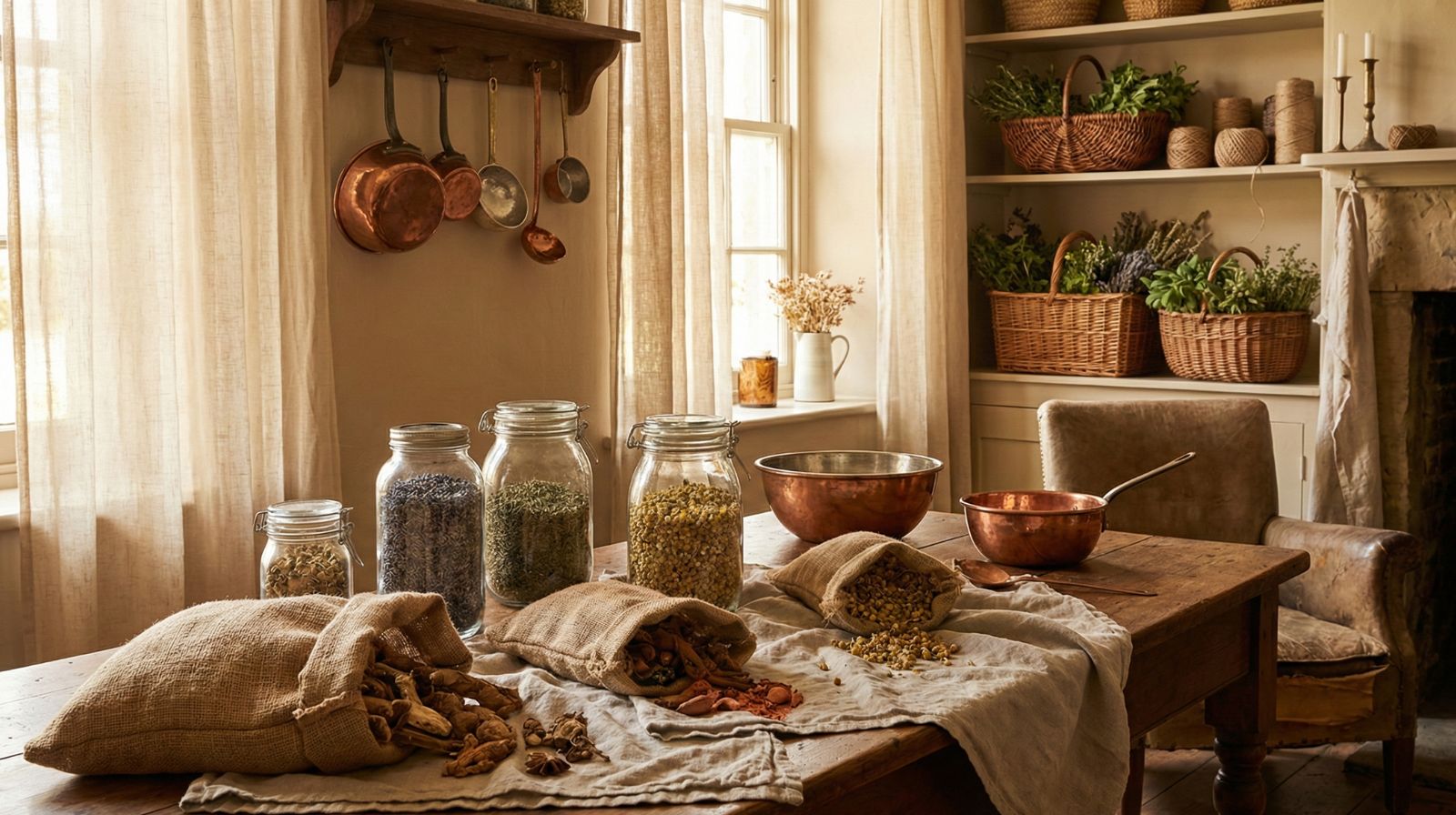
Effective storage and organization methods serve as the foundation for maintaining a functional herbal home apothecary, ensuring ease of access, adherence to safety protocols, and preservation of herb potency over time. Implementing well-designed storage solutions involves assigning dedicated spaces, such as standalone and temperature-controlled cabinets, that avoid environmental risks like sunlight, humidity, and temperature fluctuations.
Organization tips include labeling containers clearly with herb names, harvest dates, and preparation types, and categorizing herbs systematically by type or alphabetically for efficient retrieval. Utilizing airtight, dark glass jars with intact lids extends the shelf life of delicate powders and tinctures.
Regular inventory reviews and prompt container replacement enhance inventory management, while ensuring herbs are stored in cool, dry environments optimizes longevity and potency, fulfilling both safety and preservation mandates. Proper labeling and categorization help prevent mix-ups and ensure herbs are used safely and accurately over time.
DIY Herb Preparations
To effectively stock your herbal home apothecary with DIY preparations, it is essential to understand the precise methods for creating a diverse array of herbal syrups, teas, tinctures, and respiratory remedies, each serving specific therapeutic functions, shelf stability requirements, and usage protocols.
Emphasize the preparation of diy herbal syrups, such as elderberry or chest congestion formulations, to optimize antimicrobial and immune support properties, and utilize soothing herbal teas like marshmallow root or thyme for mucous membrane relief. Essential techniques include proper infusion methods, concentrations, and storage conditions. Consider these key practices:
- Infusing herbs in honey or oxymels for syrups
- Cold infusion for maximizing demulcent properties
- Alcohol extraction for tinctures
- Using expectorant herbs in respiratory remedies
- Employing precise dosing for safety and efficacy
Proper labelling and storage are crucial to maintain herbal potency and ensure safe use over time.
DIY Recipes for Winter Ailments and Comforts
Creating DIY remedies for winter ailments and comforts involves the meticulous preparation of herbal infusions, decoctions, and topical applications, each designed to target specific conditions such as respiratory infections, digestive disturbances, or fever reduction.
Utilizing herbal infusions like echinacea root tea steeped for 15 minutes, combined with soothing syrups like elderberry syrup containing elderberries, rose hips, cinnamon, and honey, enhances immune support and alleviates symptoms. These infusions and syrups serve as foundational preparations for managing colds, flu, sore throats, and respiratory issues.
Accurate measurement of plant material, controlled temperature and steeping durations, alongside proper mixing and storage practices, are essential to maintain the pharmacological efficacy and safety of these formulations, enabling reliable, effective home-based interventions during winter months.
Proper storage ensures the preservation of herbal potency and prevents spoilage, making your remedies both safe and effective over time. Incorporating the use of herbal transformations like tincturing and drying also helps extend the shelf life and potency of your herbal preparations.
Incorporating Seasonal Spices Into Your Wellness Routine
This involves creating strategic combinations that leverage their synergistic warming flavors and aromatic properties to optimize immune support and metabolic regulation. These spices can be seamlessly integrated into various culinary applications, from infusing teas and broths to enriching baked goods and savory dishes, thereby enhancing both nutritional value and sensory experience.
Implementing these practices with consistency guarantees a functional approach to maintaining health and balance during winter months. Furthermore, consuming herbs and spices that are fresh, dried, or ground can provide additional health benefits, as they contain valuable nutrients that support overall wellness. Fresh and dried herbs should be monitored for expiration to maintain effectiveness, ensuring you receive the full spectrum of their benefits.
Warming Flavor Combinations
Seasonal spices such as cinnamon, ginger, cardamom, and cayenne have been integrated into wellness routines due to their documented thermogenic properties, which stimulate core temperature regulation and promote circulatory efficiency. Incorporating these spices into warming spice recipes enhances their ability to foster cozy flavor profiles conducive to winter health.
You may achieve this by blending specific spices to maximize their synergistic effects, such as combining cinnamon and ginger for digestive comfort or cayenne with black pepper to elevate circulation. These combinations support metabolic activation and systemic warming. Research shows that these spices contain compounds that can boost metabolism and generate warmth in the body.
Optimize their use by gradually integrating balanced amounts to prevent overwhelming flavors while maintaining their functional benefits, ensuring an effective and all-encompassing approach to seasonal wellness through precise spice blend formulation and application in culinary preparations.
Enhancing Immune Support
Integrating seasonal spices into your wellness routine enhances immune function through multiple biochemical mechanisms that directly target pathogen defense and inflammatory regulation. These spice benefits revolve around bioactive compounds—such as curcumin, cinnamaldehyde, and allicin—that modulate immune responses by inhibiting viral replication, reducing pro-inflammatory cytokines, and restoring oxidative homeostasis via pathways like Nrf2.
Specifically, compounds in turmeric and cinnamon exhibit antiviral and antioxidant effects, while cloves and black cumin demonstrate immune-strengthening capabilities through anti-inflammatory actions. Consuming spices regularly, such as turmeric, garlic, and oregano, contributes to immune power by enhancing T-cell proliferation and providing antimicrobial effects. Proper preparation—like chopping or crushing garlic to activate allicin—maximizes these bioactivities, offering a scientifically supported approach to disease prevention within the winter period.
Versatile Culinary Uses
By strategically incorporating seasonal spices into your culinary practices, you can effectively enhance the bioavailability and therapeutic efficacy of their active compounds, thereby supporting overall wellness and immune resilience. This approach leverages culinary versatility, optimizing spice synergy to maximize health benefits in everyday meals. Incorporate these spices intentionally to capitalize on their specific properties:
- Use cinnamon in baked goods to increase fiber intake and regulate blood sugar levels.
- Add turmeric to soups and stews to exploit curcumin’s anti-inflammatory properties.
- Sprinkle cumin or cardamom in rice dishes to improve lipid profiles and metabolic health.
- Incorporate cloves into teas or marinades for antioxidant and antimicrobial effects.
- Season vegetables with sage or bay leaf for oral health support and immune boosting.
Harnessing these spices within your routine not only elevates flavor but also enhances their medicinal potential synergistically. Research shows that combining certain spices can create powerful health-promoting effects due to their complementary bioactive compounds, making your meals both tasty and beneficial.
Frequently Asked Questions
How Do I Choose the Right Herbs for My Specific Winter Health Needs?
To select appropriate herbs for your winter health needs, you should evaluate specific seasonal health benefits, such as immune support or respiratory relief, while considering herb selection tips like potency, availability, and preparation methods. Prioritize herbs with proven antimicrobial, expectorant, or circulatory stimulant properties, matching them to identified health concerns. Incorporate both kitchen herbs and dried options, ensuring the selection aligns with intended therapeutic actions and accessibility within your herbal inventory.
What Safety Precautions Should I Take When Creating Herbal Remedies at Home?
You should always prioritize herbal safety by strictly adhering to established dosage guidelines, carefully verifying the source and quality of herbs, and maintaining sterilization protocols during preparation. Precise measurement of ingredients minimizes the risk of overdosage, especially considering variations in active compound concentrations. Consulting reputable references or professionals greatly reduces potential adverse effects, ensuring safe, effective remedies. Regularly reviewing safety information combined with cautious handling protects vulnerable populations and prevents toxicity-related incidents.
How Long Do Homemade Herbal Tinctures and Infusions Last?
Homemade herbal tinctures typically maintain peak potency with a shelf life of 2 to 5 years when stored under ideal conditions, such as cool, dark environments within amber glass bottles with polyseal caps; high-proof alcohol extends this duration beyond five years, whereas infusions and decoctions generally last only 24 to 48 hours when refrigerated or unrefrigerated, respectively; powdered herbs and capsules range from 6 months to 3 years, depending on storage temperature and packaging, requiring strict adherence to recommended storage conditions for maximum longevity.
Can I Combine Different Herbs for More Effective Winter Remedies?
Combining different herbs, through principles of herb synergy within thoughtfully crafted seasonal blends, considerably enhances therapeutic efficacy by targeting multiple pathways simultaneously. This practice involves selecting complementary herbs with synergistic phytochemicals that optimize immune support, inflammation reduction, and circulatory boosting. Precise formulation, considering each herb’s active constituents and potential interactions, guarantees maximum effectiveness, reduces side effects, and molds remedies tailored to seasonal needs, thereby emphasizing strategic mixing over isolated herb use for robust winter health outcomes.
What Are the Best Storage Methods to Keep Herbs Fresh Throughout Winter?
To keep herbs fresh throughout winter, utilize specific drying techniques such as air, oven, or dehydrator methods to reduce moisture content, thereby inhibiting microbial growth. Store the dried herbs in airtight, opaque storage containers made of glass or metal, which prevent light and air exposure that compromise herb potency. Verify containers are properly labeled with herb names and drying dates, and select storage locations with stable, low humidity and temperature to maintain maximum freshness and potency.
Conclusion
By integrating the outlined herbal components and protocols into your winter wellness regimen, you establish a resilient, adaptive system that enhances immunity and respiratory health. Maintaining a structured approach to herbal procurement, preparation, and ritualistic practices guarantees consistency and efficacy. This systematic application functions akin to a well-configured network, where each element reinforces overall stability and performance, ultimately enabling you to mitigate common winter ailments through deliberate, evidence-based herbal strategies.
References
- https://www.scribd.com/document/785124041/Chestnut-School-Winter-Seasonal-Guide-20231209044105265
- https://goldenpoppyherbs.com/build-your-winter-home-apothecary/
- https://www.traditionalmedicinals.com/blogs/ppj/stock-your-winter-herbal-apothecary
- https://theherbalacademy.com/blog/winter-break/
- https://chestnutherbs.com/winter-seasonal-guide/
- https://karmicmisfit.com/2025/11/23/herbs-for-winter-wellness-building-your-cold-season-apothecary/
- https://www.wortsandcunning.com/blog/plant-ally-project-creating-a-winter-apothecary
- https://www.nybg.org/blogs/plant-talk/2016/02/nybg-shop-in-the-garden/medicinal-herbs-favorite-recipes-for-a-healthy-winter/
- https://ediblesema.com/herbalism/through-the-seasons-winter/
- https://www.milkandhoneyherbs.com/blog/2023/10/6/the-winter-herbal-medicine-cabinet