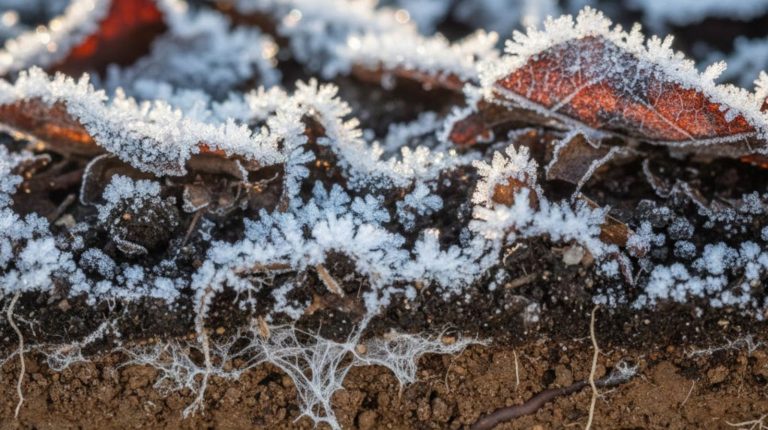
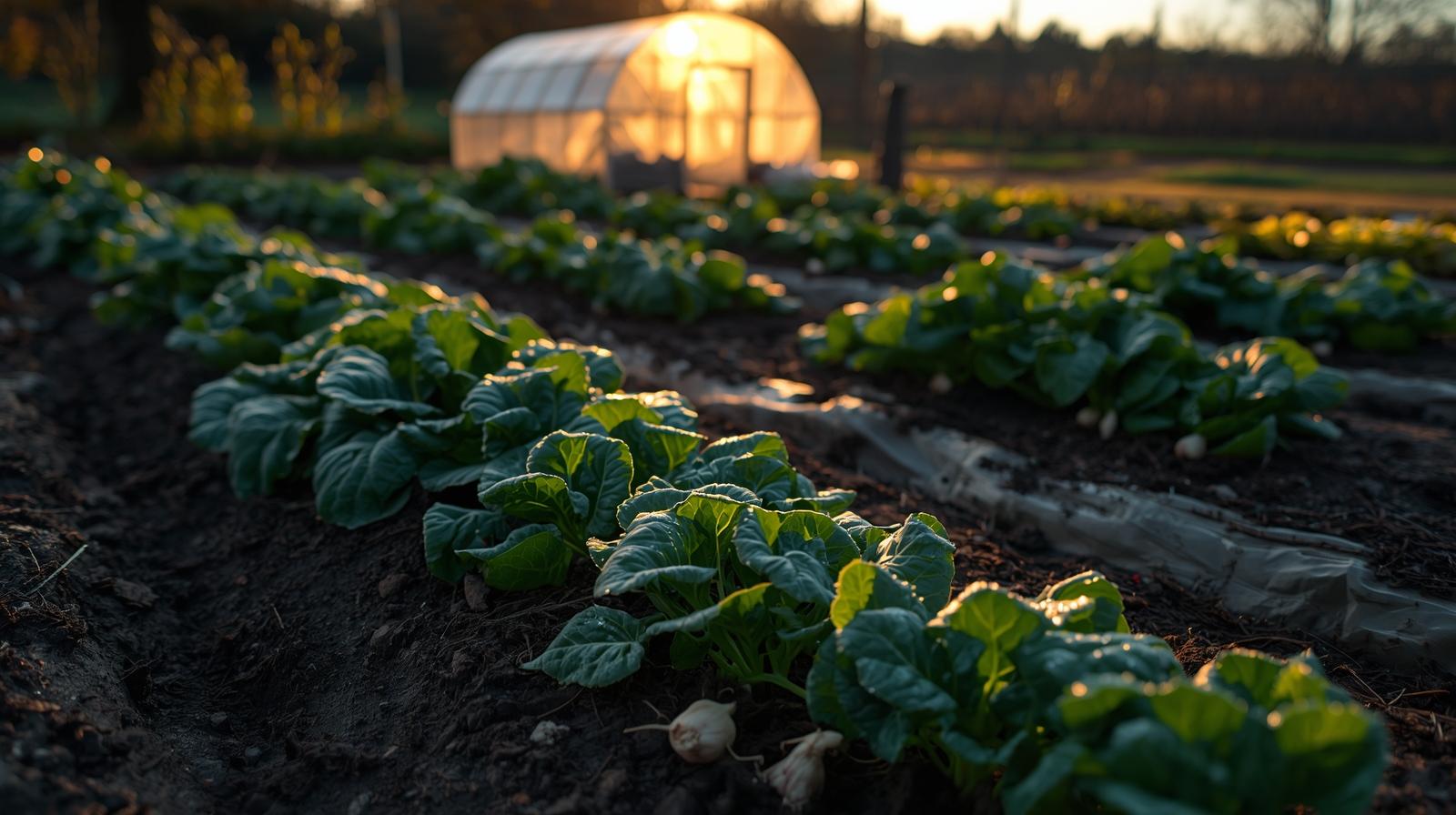
In late October, plant hardy crops that tolerate frost and finish before freezes. Target spinach, garlic, carrots, onions, shallots, and kale, plus quick-growing lettuce and winter peas or broad beans for soil health. Sow densely where possible and protect with row covers or a cold frame. Mulch to stabilize soil and conserve moisture, and mulch heavily during cold snaps. Keep soil evenly moist and monitor forecasts to time harvests after frost, with tips to come.
🌱 Turn Your Backyard Into a Survival Garden
Raised beds and winter crops are powerful—but imagine taking your entire backyard off the grid. The Self-Sufficient Backyard gives you the exact blueprints to grow food, harvest water, and live independently on any property.
Understanding Late-Season Planting (Timing + Climate)
Many gardeners assume October marks the end, but timing and climate still favor cool-season planting when soil is workable and days shorten gracefully. In this window, you can germinate crops like leafy greens and root vegetables, and quick prep steps—clear debris, add compost, mulch—set the stage for winter resilience. Incorporating natural pest control methods and choosing native plants can further enhance your garden’s sustainability and health. We’ll look at zone timing, frost risk, and simple protections so your late-season crops get a strong start before winter.
Why October Isn’t Too Late
October isn’t the end of your garden season—it’s a window for cool-season success. Soil can warm or cool, but many crops germinate in cooler soil down to 40°F (5°C) and learn to thrive with shorter days. You’ll see timing shift by zone: Zones 4–6 typically allow early to mid-October planting, Zones 7–9 stretch to mid or late October, and frost dates or microclimates can advance or delay your schedule. Use row covers or lightweight frost protection to extend growth. Plan for overwintering crops so you harvest earlier in spring. This approach comes under fall gardening tips, helping you build resilience and belong in a community that values preparedness and steady progress. Adopt these concepts now to structure your schedule with confidence and clarity today.
Quick Prep Steps
With a clearer sense of timing, you’re ready to lay the groundwork for late-season success. Quick Prep Steps align soil readiness with your local climate for cool-season vegetables. You’ll clear out spent summer crops, add compost or aged manure, and apply mulch or frost cloth to insulate beds and protect crops from frost.
| Action | Benefit |
|---|---|
| Clear out spent crops | Reduces disease risk and frees space |
| Add compost or aged manure | Improves soil fertility for cool-season vegetables |
| Use mulch or frost cloth | Insulates soil and protects crops from frost |
| Check frost dates | Aligns timing with zone-specific windows |
These steps position you to grow cool-season vegetables confidently through emerging frosts, build soil resilience, and enjoy a harvest when spring temperatures return, reinforcing a sense of belonging in your garden journey.
Related Post: Fall Planting Secrets That Guarantee Fresh Vegetables All Winter.
Top 10 Crops to Plant in Late October (Before Frost Bites)
You’re in late October, and these picks—spinach, garlic, carrots, onions and shallots, kale—offer hardy options before frost. Spinach tends to overwinter, garlic establishes roots now for spring bulbs, carrots sweeten with frost, onions and shallots store well, and kale stays resilient in cold while flavors deepen. In the sections that follow, we’ll explore why each of these crops works in cool weather and how to tailor planting and protection for your climate.
No products found.
Spinach – The Cold Champion
Even as temperatures drop, spinach proves to be a reliable cold champion for late October plantings. It germinates in soil as cold as 35°F, then grows slowly through winter and explodes in spring. Planting tip: sow seeds thick, cover lightly with straw. Bonus: it overwinters easily under low tunnels. This leafy crop fits the goals of crops to plant in october and supports late-season gardening tips by extending your season with minimal effort.
- Germination at 35°F
- Slow winter growth
- Thick sowing, light straw cover
- Overwinters under low tunnels
- Early spring harvest potential
Monitor frost dates, adjust row covers, and enjoy a resilient spinach harvest that supports late-season gardening tips and community resilience for years ahead.
Garlic – The Overwintering Essential
Garlic fits neatly into late October plans once you’ve cleared the way with spinach’s cool-season success in mind. October is prime time for garlic cloves, and roots develop before freeze while bulbs swell in spring. Use compost-rich soil and 2 inches of mulch to protect young roots and encourage steady growth. This approach supports late fall planting and helps you avoid common fall gardening mistakes. With proper timing, garlic delivers an early harvest next summer and deeper flavors. Plant cloves with the pointed end up and keep spacing consistent so air circulates. If your beds warm late, mulching holds soil temperature steady and reduces weed pressure. Remember late fall planting requires patience: give garlic time to root, then anticipate a spring growth surge ahead.
Carrots – Sweetened by Frost
Carrots become sweeter after a light frost because the cold converts stored starch into sugars, enhancing flavor and texture. You’ll harvest sweeter roots when you plant in late October, and you’ll protect them with simple practices. For best results, choose fast-maturing varieties, sow shallowly, and mulch to insulate. Use cold frame gardening techniques to extend the growing season and minimize frost damage. This prompts steady quality as soil cools and daylight declines.
- Frost-friendly varieties and timing
- Mulching strategies for warmth
- Shallow sowing depth and spacing
- Cold frame use for protection
- Harvest timing through winter
Remember to monitor soil moisture and avoid overwatering as temperatures drop. With careful timing, you can enjoy fresh carrots well into late winter and early spring without compromising flavor quality.
Onions & Shallots – Steady Winter Growers
Onions and shallots thrive when you plant overwintering or short-day varieties in late October, as their roots take hold during fall while shoots wait to break above ground in spring. Plant sets or transplants now for stronger winter survival, and you’ll benefit from established roots in spring.
| Aspect | Recommendation | Why it helps |
|---|---|---|
| Planting time | October to early November | Aligns with cooler soil and days |
| Bed prep | Clear and mulch | Reduces moisture loss and freezes |
| Varieties | Overwintering or short-day onions | Guarantee spring shoots |
| Spacing | 4–6 inches apart | Airflow and bulb development |
With careful timing and simple protection, you can harvest sturdy bulbs next spring and extend your cold-season harvest into early summer. Keep notes of frost dates and mulch levels for future yields consistently.
Kale – The Indestructible Green
Kale handles late-season weather with remarkable resilience, and you’ll notice its flavor sweetens after frost. This green thrives in cool soil and light freezes, so you can start with baby transplants or direct seeding now. Keep young plants protected with a simple cold frame or row cover, especially if you expect sudden dips. Kale’s sturdy growth suits fall gardens, and it remains productive well into winter when harvested in stages.
- 1) Germination and planting timing: sow now for winter harvest windows.
- 2) Protection: use cold frames or row covers to extend life in your garden.
- 3) Flavor and harvest: expect sweeter leaves after frost for best texture.
- 4) Planting options: transplants or direct seeding both work in October.
- 5) Nutrient care: mulch and compost improve overwintering resilience for beginners.
Lettuce – Quick Growth Before Frost
Lettuce offers rapid greens before winter settles in, giving you a steady harvest even as temperatures cool. You can plant cold-hardy varieties like Winter Density or Arctic King and protect them with row covers to maintain steady yields. Sow thickly to grow cut-and-come-again greens, so you harvest small leaves over time. Keep the soil evenly moist and mulch lightly to insulate roots. Start with clean beds, share tips with neighbors, and feel part of a seasonal community that still grows fresh inside cool days. Use light, breathable fabric during chilly spells, and stagger plantings every two weeks for a continuous supply. This approach keeps your family fed and connected through late fall. You’ll build confidence, resilience, and a shared love for homegrown lettuce together.
No products found.
Broad Beans (Fava Beans) – Winter Soil Builders
Broad beans, or fava beans, act as winter soil builders by fixing nitrogen as they grow, boosting soil fertility for future crops. Plant them in early autumn for a reliable nitrogen boost, then harvest in spring as the cover crop quietly enriches your beds.
- Fixes nitrogen in the root zone, feeding next season’s vegetables.
- Thrives through cool weather with minimal maintenance.
- Mulch deeply to protect roots during cold snaps.
- Tolerates light frost, extending your fall planting window.
- Fixing nitrogen improves soil structure and future yields.
Include broad beans in your late October plan to extend harvests and reduce synthetic fertilizer needs. Position them in well-drained soil with sun exposure, and reserve space for successive sowings to maximize soil benefits. Your beds will thank you.
Winter Peas – Green Manure + Early Crop
Winter peas answer the call for both soil health and an early-to-mid spring harvest. Choose cold-hardy varieties such as Austrian peas or winter field peas, which tolerate cool weather and keep growing through early frosts. Plant densely to maximize soil benefits and help suppress weeds, then let the vines fix nitrogen and improve your next crop. Use them as green manure or harvest the shoots for light, early greens.
As a practical option, you can treat winter peas as a cover crop now, and it’s a tasty addition later, depending on your space and goals. Mulch lightly after planting and provide some protection if a hard frost approaches. When spring arrives, cut back and integrate the residue, letting the soil feed future vegetables ahead.
Herbs That Thrive in Cold
Even as temperatures drop, certain herbs stay productive and resilient, making them ideal for late-October planting before frost bites. Parsley handles frost and regrows in spring, thyme and sage stay evergreen through cold snaps, and cilantro tolerates cool weather while bolting slowly. Plant these near warm microhabits like south-facing walls to extend warmth, then harvest gradually for a steady kitchen supply. These herbs require only light protection if nights dip, and they fit a beginner-friendly timetable while still offering flavor and value.
- Parsley: frost tolerance and spring regrowth.
- Thyme & sage: evergreen perennials, cold-tolerant.
- Cilantro: cool-weather lover, slower bolting.
- Grow near sun-warmed walls for extra heat.
- Use light mulch to protect roots.
This mix keeps flavor ready while easing winter gaps for you today.
Asian Greens (Pak Choi, Tatsoi, Mizuna)
Asian greens like pak choi, tatsoi, and mizuna fit neatly after herbs in late October because you can harvest quickly and tolerate cool conditions. These greens are among the fastest cool-season crops, reaching harvest in about 30–40 days, and they perform well under low tunnels or in containers. They tolerate light frost and stay productive through fall with minimal effort, making them ideal for small-space gardens. For indoors, you can start them in bright windows or under grow lights, giving you fresh greens even when outdoor beds slow. Plant succession sowings every 2–3 weeks extend harvest; use loose, fertile soil, keep evenly moist, and protect from severe freezes with a row cover if needed. This approach maximizes yield while minimizing waste for you today.
Related Post: Raised Bed Companion Planting for Fall Crops.
How to Protect Late-October Crops from Frost
To protect late-October crops from frost, start with simple protections like mulch, row covers, and cold frames. These options trap heat and extend the season, so you can harvest greens even after first freezes. A smart tip: repurpose old windows or clear plastic as DIY cold frames to maximize heat retention without a big investment.
Simple Protections
If frost is on the way, simple protections can stretch your harvest and save delicate crops. To protect late October crops from frost, implement simple, reliable methods you can trust. Mulch insulates the soil, moderating temperature swings and reducing moisture loss. Layer straw, leaves, or shredded bark to shield shallow roots and extend germination windows. Row covers provide a lightweight barrier that traps heat near the canopy, keeping crops viable through chilly nights. If frost threats loom, think about a cold frame or mini greenhouse, which can extend your season by weeks and protect vulnerable greens. Choose methods that fit your space and budget carefully.
- Mulch using straw
- Mulch using leaves
- Mulch using shredded bark
- Row covers for heat
- Cold frames or mini greenhouses
Smart Tip
Using old windows or recycled clear plastic bins as DIY cold frames is a simple, effective way to protect late-October crops from frost. When you place a frame over vulnerable beds, you create a microclimate that stays warmer than surrounding air. During sunny days, the glass or clear plastic traps solar energy, and at night the frame retains heat, reducing frost damage to spinach, lettuce, and other cool-season crops. Position frames on well-drained soil, secure edges, and remove insulation on mild days to prevent overheating. This approach works with minimal tools and scales from small patches to larger beds. It complements row covers and mulching, offering a reliable extra layer of protection. Share this tip with fellow gardeners to strengthen community resilience and confidence.
Related Post: 10 Eco-Friendly Gardening Tips for Beginners.
Bonus: Fast-Germinating Crops You Can Still Try Indoors
Microgreens, leaf lettuce, radishes, and common kitchen herbs can all flourish indoors when frost looms. When frost arrives, you can jump-start edible yields on a sunny windowsill or bright indoor setup. This quick-start approach helps you feel purposeful and connected, proving you belong in the garden even as outdoor conditions tighten. Keep trays simple, water mindfully, and harvest promptly for a steady, achievable flow of greens.
- Microgreens in 7–14 days with bright light, steady moisture, and spacing
- Leaf lettuce thrives in pots on a sunny sill, with trimming
- Radishes can be harvested in under 30 days indoors, offering quick crunch
- Basil, mint, or parsley provide quick, usable herbs for cooking and garnishes
- Place trays on a heat-friendly south-facing shelf for energy, and rotate weekly
No products found.
Common Mistakes Gardeners Make in Late Fall
Late fall gardeners often trip up by planting too deep, ignoring day length, skipping soil prep, or forgetting labels. Planting too deep can cause seeds to rot in cold soil, while limited daylight slows growth, so sow shallowly and use quick-maturing crops. Prepare the soil with compost and clearly label beds to prevent mix-ups.
Planting too deep
Planting too deep is a common mistake in late fall because cold soil slows germination and can suffocate seeds before they can sprout. Keep this in mind as you prepare beds and seeds.
- Sow shallowly, not deep
- Check soil moisture before sowing
- Mulch lightly to regulate temperature
- Label locations to avoid digging deeper
- Favor quick-maturing varieties for fall success
With careful depth, you’ll improve germination and have a stronger late-fall bed. This approach also reduces seed waste and helps you gauge what to plant next season. Remember, depth varies by crop, but a shallow start often yields steady germination and reliable emergence. Keep records of what worked this fall so you can repeat success next year. Your garden community will notice the difference together.
Ignoring day length
Since days get shorter in late fall, ignoring day length can slow your plants’ growth and reduce yields. When light wanes, choose fast-mitting crops and adjust spacing to keep seedlings strong. You’ll see better results by selecting varieties that tolerate reduced sun and by using row covers to maximize usable light. Keep a steady routine: monitor daily light exposure, adjust timing, and plan quick harvests before frost. Remember, awareness of light helps you belong to a community of careful growers who value steady progress over blitzes of activity.
| Mistake | Why It Hurts |
|---|---|
| Ignoring day length | Less light = slower growth |
| Planting too deep | Seeds rot in cold soil |
| Forgetting soil prep | Depleted beds struggle |
Track dates, frost forecasts, and growth stages. This keeps harvests predictable.
Forgetting soil prep
From the day-length challenge, it’s easy to overlook soil prep, but neglecting it now undermines everything you plant later. When you skip compost, you starve soils of nutrients and beneficial life. You also miss soil structure improvements that improve drainage and root growth. Take a moment to assess and amend your beds, so seeds and transplants can establish strong roots despite cooler days for resilience.
- Test soil pH and adjust when necessary to optimize nutrient uptake, consistently upfront
- Add compost or aged manure to rebuild organic matter before planting
- Mulch to conserve moisture, regulate temperature, and suppress weeds around roots
- Plan spacing and rotation to prevent disease and crowding in advance
- Check irrigation and drainage, fixing leaks and pooling issues before seasons change
Not labeling crops
Not labeling crops can quickly turn your late-fall garden into a tangle of mystery, making it hard to distinguish overwintering greens from failed sprouts come spring. When you plan late October plantings, you can prevent confusion by labeling each bed or row with durable markers that resist frost. You’ll save time during harvest and avoid misidentifying crops as the season shifts. Use waterproof markers on stakes, cups, or wooden stakes, and add a simple key kept nearby. This small step supports better frost protection decisions, proper spacing, and timely maintenance. By labeling now, you reinforce organization, accountability, and confidence for every family member tending the garden through late fall. Not labeling crops undermines planning, storage, and later identification during spring harvest for ideal yields.
Related Post: DIY Cold Frame to Extend Your Harvest (Step-by-Step Tutorial).
No products found.
Frequently Asked Questions
Is October Too Late for Cool-Season Crops in My Zone?
No, October isn’t too late for cool-season crops in many zones. If your soil stays above about 40°F and you have a frost dates in mind, you can still sow spinach, lettuce, kale, and radishes. Use row covers or a cold frame to protect young plants, and mulch to conserve warmth. Check your last expected frost and adjust timing by zone to maximize late-season harvests and spring boosts for you.
What Soil Temperature Is Ideal for Late October Planting?
Think of your garden soil as a cool pocket of tea: steady warmth matters. Ideal late-October planting targets 40°F–50°F (5°C–10°C). Germination slows below 40°F, but many cool-season crops still take root with protection. If you’re in zones 7–9, you can push toward 45°F–50°F; zones 4–6 perform best near 40°F. Use mulch or row covers to moderate fluctuations, and adjust for microclimates and frost dates. Keep an eye on forecasts.
How Many Weeks Before Frost Should I Plant Each Crop?
Most cool-season crops should be seeded or transplanted about 4–6 weeks before your average first frost. Fast growers like spinach, lettuce, and greens can go in 3–5 weeks ahead in milder falls. Kale, broccoli, and beets do best 6–8 weeks out. Root crops such as carrots and parsnips benefit from 8–12 weeks. Garlic is planted in October to establish roots before winter. Adjust by your zone, frost dates, and microclimate.
Can I Plant After Heavy Rain Without Soil Amendment?
Yes, you can plant after heavy rain, but it’s not ideal to skip amendments. Wait for the soil to drain, then loosen it gently rather than tilling wet clay. If it’s compacted, mix in compost or well-rotted mulch once it’s dry enough to work. Plant shallowly, water lightly, and monitor drainage. In late October, choose hardy, quick-to-establish crops and use row covers if frost threatens. Stay observant, adjust as needed.
Are There Drought-Tolerant Options for Late October Planting?
Yes. In late October you can choose drought-tolerant, cool-season crops that cope with reduced moisture. Try garlic and overwintering onions, which establish roots before cold and need less watering once established. Kale and spinach tolerate drought better when mulched and spaced. Consider winter peas and broad beans for drought-resilient soil benefits. For best results, mulch well, irrigate deeply during establishment, and pick varieties bred for cold, dry spells, conditions ahead.
Conclusion
You might think October ends with a hard frost, but late planting proves otherwise. You’re choosing crops that endure chill and extend the season, while the clock shortens daylight. The soil cools, yet your harvest stretches ahead. Planting now creates a bridge between decaying bed preparations and hopeful spring shoots. Embrace risk with protection and mulch, and you’ll trade panic for poise: a longer harvest window and a quieter, steadier garden rhythm for you personally.
🍲 Discover Ancient Food Preservation Secrets
Want to learn how our grandparents preserved food without electricity or freezers? The Lost Survival Foods reveals step-by-step methods and forgotten recipes that kept families fed through the toughest times.