Modernizing our energy infrastructure is no longer an optional upgrade; it is an engineering imperative. As an electrical engineer who has spent over a decade working on distributed energy resources, I have seen firsthand how legacy power systems struggle to handle modern energy demands. The benefits of smart grids solve these systemic challenges, transforming one-way power delivery networks into dynamic, automated, and highly responsive ecosystems.
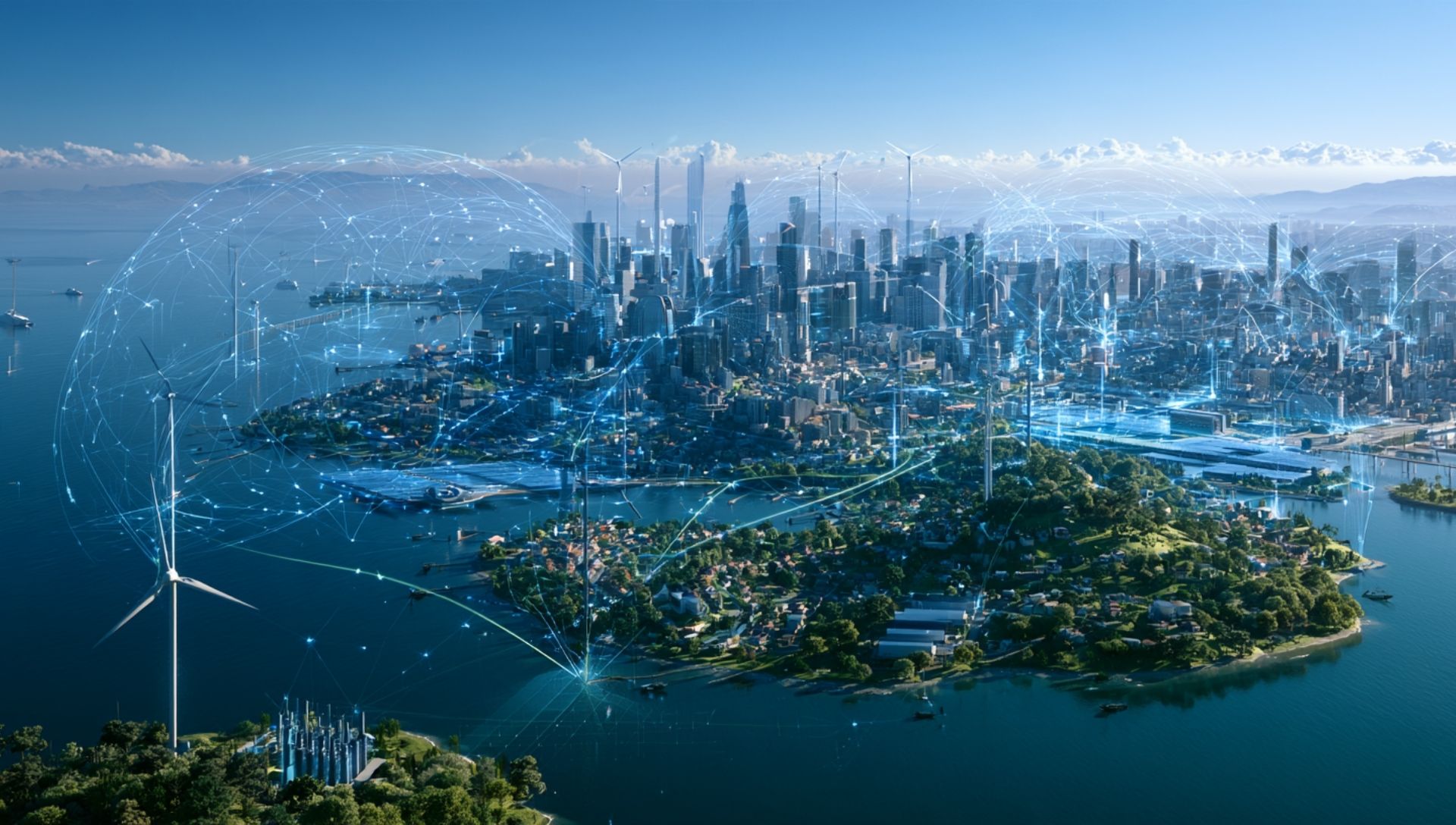
A smart grid utilizes advanced digital communication, automated controls, and sophisticated sensors to manage electricity flow seamlessly. This modernization represents a critical pillar of green technology, allowing utilities to balance supply and demand in real time. By transitioning to these intelligent networks, the energy sector can drastically reduce carbon footprints, empower consumer choice, and build resilience against extreme weather events. In this comprehensive guide, we will break down exactly how this technology optimizes renewable integration, enhances reliability, and creates new economic opportunities across the engineering landscape.
Renewable Energy Integration: Solving the Intermittency Challenge
The most critical hurdle in modern power engineering is the unpredictable nature of solar and wind power. Traditional grids were designed for centralized, dispatchable power plants—not for variable generation. Smart grid technology fundamentally changes this dynamic, making seamless renewable energy integration a reality.
Bidirectional Energy Flow and Distributed Energy Resources (DERs)
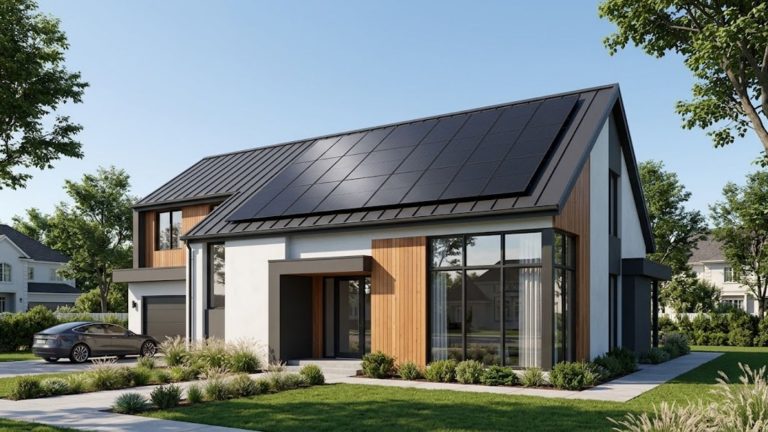
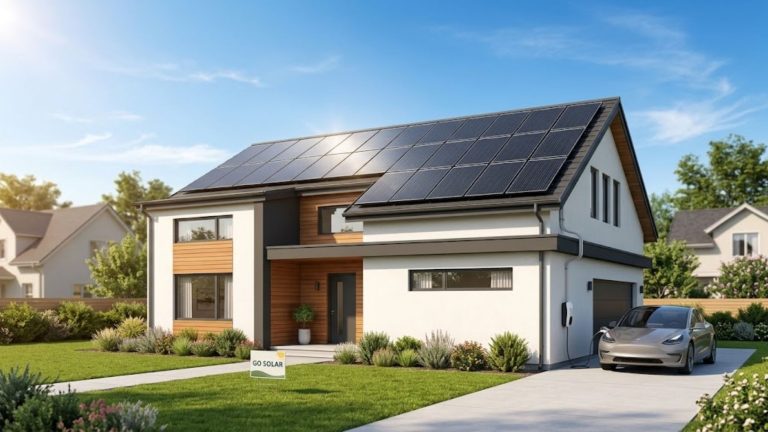
Historically, power flowed in one direction: from the utility to the consumer. Today, homes with rooftop solar panels and commercial facilities with battery storage act as “prosumers.” Smart grids support bidirectional energy flow, allowing these Distributed Energy Resources (DERs) to feed surplus power back into the network safely. According to the U.S. Department of Energy (DOE), DER capacity is expected to reach 380 GW by 2025. Managing this massive influx requires advanced grid inverters and real-time synchronization to prevent voltage spikes and frequency deviations.
Real-Time Monitoring and Analytics
To mitigate the intermittency of renewables, grid operators utilize real-time data from Phasor Measurement Units (PMUs). These sensors measure electrical waves on an electrical grid using a common time source for synchronization. By deploying PMUs, operators gain microsecond-level visibility into grid health. If a sudden cloud cover drops solar output across a region, the smart grid detects the voltage dip instantly. Automated systems then trigger rapid-response battery storage or hydro facilities to inject power, stabilizing the grid before consumers even notice a flicker.
Mitigating the “Duck Curve”
In markets with high solar penetration, such as California, grid operators face the infamous “duck curve”—a steep drop in net load during midday solar peaks, followed by a massive ramp-up requirement at sunset. Smart grids manage this through automated load shifting and intelligent dispatch. By precisely forecasting weather patterns and consumer behavior, these intelligent systems ensure that grid stability is never compromised by the clean energy transition.
Peak Demand Reduction and Smart Grid Reliability
A grid must always match supply with demand instantly. When peak demand surges—such as during a summer heatwave—traditional grids rely on expensive, highly polluting “peaker plants” to prevent blackouts. Intelligent networks eliminate this reliance, driving massive improvements in smart grid reliability.
Maximizing Demand Response Programs
Demand response programs are voluntary, incentive-based initiatives where consumers agree to reduce their energy use during peak periods. Smart grids automate this process using Advanced Metering Infrastructure (AMI). Instead of manually calling customers, utility algorithms communicate directly with smart thermostats, EV chargers, and industrial HVAC systems. When the grid approaches critical load, these systems automatically throttle down power consumption by a fraction of a percent. The U.S. Energy Information Administration (EIA) noted in late 2023 that automated demand response capacity surpassed 30 GW nationwide, saving millions in operational costs and preventing localized brownouts.
Self-Healing Grid Capabilities
Outages are historically difficult to trace, requiring dispatch crews to physically patrol power lines. Smart grids introduce Fault Location, Isolation, and Service Restoration (FLISR) technology. When a tree branch downs a power line, sensors instantly identify the exact location of the fault. Automated switches then isolate the damaged section and reroute power to affected neighborhoods through alternative pathways. This “self-healing” capability happens in seconds. According to the Electric Power Research Institute (EPRI), FLISR deployments have reduced the System Average Interruption Duration Index (SAIDI) by up to 45% in upgraded utility territories.
Electricity Transmission Efficiency and Loss Reduction
Generating power is only half the battle; delivering it efficiently is equally important. Approximately 5% of all electricity generated in the United States is lost during transmission and distribution (T&D). Enhancing electricity transmission efficiency through grid modernization yields immediate environmental and economic benefits.
Dynamic Line Rating (DLR)
Traditional transmission lines operate on static line ratings, which dictate the maximum safe current based on worst-case weather assumptions. Smart grids deploy Dynamic Line Rating (DLR) sensors directly on transmission infrastructure. These sensors monitor real-time wind speed, ambient temperature, and conductor sag. On a cool, windy day, the sensors verify that the lines can safely carry up to 30% more current than their static rating allows. This maximizes the utilization of existing infrastructure, preventing the need to build disruptive new transmission towers while facilitating the flow of remote wind energy to urban centers.
Volt/VAR Optimization (VVO)
Managing voltage levels across thousands of miles of distribution lines is highly complex. If voltage drops too low, motors overheat; if it runs too high, appliances sustain damage and energy is wasted. Smart grids utilize Volt/VAR Optimization (VVO) to tightly control voltage levels along the feeder. By smoothing out voltage profiles, utilities achieve Conservation Voltage Reduction (CVR). This continuous optimization reduces overall energy consumption by 2% to 4% without requiring any behavioral changes from consumers.
Industry Innovation and Cross-Sector Collaboration
The evolution of the energy sector is not happening in a vacuum. The deployment of smart grids is driving unprecedented cross-sector collaboration between traditional utilities, tech giants, and telecommunications firms.
Standardizing the Future
Organizations like the Institute of Electrical and Electronics Engineers (IEEE) are instrumental in defining the protocols that allow diverse hardware to communicate. The IEEE 2030 series of standards provides the foundational blueprint for smart grid interoperability, ensuring that a smart meter manufactured in 2024 can seamlessly interact with a utility control center built a decade earlier.
Data-Driven Energy Management
Because smart grids generate terabytes of data daily, utilities are partnering with tech firms to deploy artificial intelligence (AI) and machine learning (ML). These partnerships allow operators to perform predictive maintenance on grid assets before they fail. For instance, analyzing the acoustic signatures and heat dissipation of a substation transformer can predict a breakdown weeks in advance. Industry events and publications, such as Energy Magazine Features, frequently highlight these successful utility-tech partnerships, accelerating the adoption of energy efficiency innovations worldwide.
Career Opportunities in Smart Grid and Green Technology
The massive capital injection into grid modernization—including the DOE’s $10.5 billion Grid Resilience and Innovation Partnerships (GRIP) program in 2023/2024—has triggered an engineering hiring boom. The sector requires electrical engineers, data scientists, cybersecurity analysts, and power systems technicians.
Emerging Geographic Hubs
While Silicon Valley is known for software, the energy transition is decentralizing engineering talent. Texas and Florida are currently leading in grid modernization deployments due to extreme weather resilience needs. Major urban and tech corridors are also becoming central hubs for smart grid innovation. Cities like Atlanta, Portland, Chicago, and Seattle have established massive green tech footprints.
Furthermore, specialized manufacturing and grid engineering roles are exploding in Huntsville, Charlotte, Raleigh, Nashville, Cincinnati, Columbus, Greenville, and St. Louis. These locations are actively building the hardware—such as advanced transformers, high-capacity switchgear, and utility-scale battery systems—required for grid upgrades.
Networking and Recruitment
Professionals looking to enter this space should engage with prominent industry events, such as BizCliks Sustainability LIVE 2024, which connects thought leaders in clean energy and corporate sustainability. Additionally, specialized engineering recruiters are playing a crucial role in workforce development. Because power engineering requires niche expertise in high-voltage systems and regulatory compliance, partnering with specialized recruiters is often the most direct path into top-tier utility and clean-tech firms.
Frequently Asked Questions (FAQ)
How do smart grids support renewable energy?
Smart grids support renewables by utilizing real-time data to manage the unpredictable nature of wind and solar. They enable bidirectional energy flow, allowing distributed resources like rooftop solar to feed into the grid, and they use automated forecasting to balance supply and demand instantly.
What are the environmental benefits of smart grids?
By maximizing renewable energy integration and enabling Conservation Voltage Reduction, smart grids directly reduce reliance on fossil-fuel power plants. They lower greenhouse gas emissions by optimizing transmission efficiency and facilitating the widespread adoption of electric vehicles (EVs).
How do demand response programs actually lower my electricity bill?
These programs offer financial incentives or lower rates for reducing power usage during peak times. A smart grid communicates with your smart thermostat or EV charger to slightly delay or reduce power draw when electricity prices are highest, seamlessly lowering your monthly costs.
Why is smart grid reliability better than the traditional grid?
Traditional grids rely on manual reporting and physical inspections to find outages. Smart grids feature self-healing technology that instantly detects faults, isolates the damaged line, and automatically reroutes power to minimize the duration and scope of blackouts.
What career opportunities exist in smart grid technology?
The industry offers diverse roles, including power systems engineers, grid modernization analysts, SCADA technicians, and cybersecurity experts. There is also massive demand for project managers and data scientists who can interpret the vast amounts of telemetry data generated by grid sensors.
Are smart grids vulnerable to cyberattacks?
Because smart grids rely on digital communication, cybersecurity is a major focus. The industry mitigates risks by implementing end-to-end encryption, utilizing private cellular networks for grid communication, and adhering to strict federal cybersecurity frameworks like NERC CIP.
Do I need to buy new appliances to benefit from a smart grid?
No. While smart appliances can automate participation in demand response programs, simply being on a modernized grid improves your power quality, reduces the frequency of outages, and supports community-wide carbon reduction without requiring any personal hardware upgrades.
Conclusion
The transition toward a digitized, responsive power network is the defining engineering challenge of our generation. The benefits of smart grids extend far beyond simple convenience; they are the architectural foundation required to make green technology viable at a global scale. By maximizing transmission efficiency, enabling dynamic demand response, and integrating massive arrays of renewable power, we are building a grid capable of sustaining the next century of human progress.
As we look toward 2025 and beyond, the continued deployment of artificial intelligence and advanced edge-computing will push grid automation to unprecedented levels of efficiency. If you are an engineer, an investor, or a consumer passionate about sustainability, there has never been a more critical time to support and engage with grid modernization initiatives.
Author Bio:
The author is a Senior Electrical Systems Engineer with over 12 years of experience in distributed energy resources, utility-scale solar integration, and grid modernization. Holding a Master’s degree in Electrical Engineering, they actively consult on smart grid deployments and contribute to industry research on sustainable power infrastructure.