The Philosophy of Sustainable Home Improvement
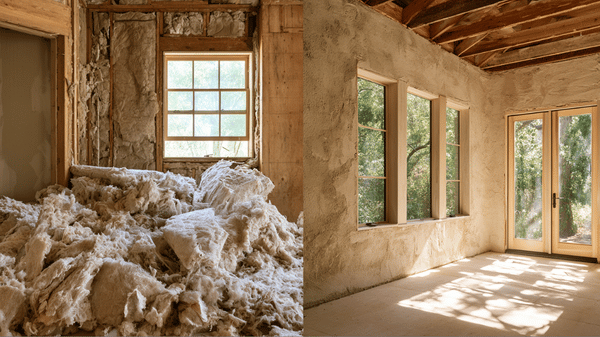
Modern home construction often relies on toxic materials, massive energy consumption, and planned obsolescence. For the off-grid homesteader or eco-conscious homeowner, true home improvement means something entirely different. It is about retrofitting your living space to operate in harmony with its environment—minimizing energy loss, utilizing natural materials, and creating a closed-loop system that supports absolute self-reliance.
Whether you are converting an old suburban house into an eco-sanctuary or finishing the interior of a remote off-grid cabin, sustainable home improvement requires viewing your house as a living, breathing machine. This pillar guide covers the fundamental upgrades required to turn any structure into a hyper-efficient, eco-friendly fortress.
Mastering the Building Envelope
The “building envelope” is the physical separator between the conditioned environment inside your home and the unconditioned environment outside (walls, roof, windows, and foundation). A leaky envelope renders even the best DIY solar array useless because you will bleed energy trying to heat or cool the space.
Advanced Insulation Strategies
Traditional fiberglass insulation is known for losing its R-value (thermal resistance) over time, harboring mold, and off-gassing. The modern sustainable home relies on high-performance, natural alternatives.
| Material | R-Value | Eco-Benefits & Best Applications |
|---|---|---|
| Hempcrete | 2.0 – 2.5 | Carbon-negative, highly breathable (prevents mold), and excellent thermal mass. Best for new wall builds or thick retrofits. |
| Sheep’s Wool | 3.5 – 3.8 | Completely natural, safely regulates moisture, and actually purifies indoor air by absorbing formaldehyde. Best for stud cavities and attics. |
| Recycled Denim | 3.4 – 3.7 | Diverts textile waste from landfills, safe to handle without respirators, excellent acoustic dampening. |
| Rigid Cork | 3.6 – 4.2 | Renewable (harvested without killing the tree), waterproof, and highly resistant to rot and pests. Excellent for exterior sheathing. |
Upgrading Windows and Doors
Up to 30% of a home’s heating and cooling energy is lost through inefficient windows. Upgrading to double or triple-pane Low-E (low-emissivity) windows is a mandatory step for energy independence. If replacing windows is out of the budget, implementing the DIY thermal curtains and exterior shading techniques (covered in our passive cooling guides) is the next best immediate upgrade.
Passive Solar and Thermal Dynamics
Before relying on electrical heating or cooling, your home should utilize passive solar design. This means designing or modifying your home to collect, store, and distribute solar energy in the winter and reject solar heat in the summer.
- South-Facing Glazing: Maximize window area on the south side of your home (in the Northern Hemisphere) to allow low-angle winter sun to penetrate deep into the rooms.
- Overhangs and Awnings: Calculate roof overhangs to block the high-angle summer sun from hitting those same south-facing windows, preventing overheating.
- Thermal Mass Integration: Incorporate dense materials (like a concrete slab floor, a stone fireplace, or interior adobe walls) directly in the path of the winter sun. These materials absorb the sun’s radiant heat during the day and slowly release it at night.
Non-Toxic and Sustainable Finishes
The air quality inside a standard modern home is often 2 to 5 times more polluted than outdoor air, largely due to Volatile Organic Compounds (VOCs) off-gassing from paints, floors, and cabinets.
Eco-Friendly Flooring
- Bamboo: A rapidly renewable grass that mimics the durability of hardwood. Ensure it is manufactured with formaldehyde-free adhesives.
- Reclaimed Wood: Salvaging old barn wood or factory flooring prevents deforestation and provides unmatched rustic character.
- Earthen Floors (Adobe): A mix of clay, sand, and straw, sealed with natural drying oils (like linseed). It provides incredible thermal mass and zero toxicity.
Natural Paints and Sealants
Always opt for Zero-VOC paints. For true off-grid authenticity, explore milk paints (made from milk protein, lime, and earth pigments) or clay-based plasters. These finishes are breathable, completely biodegradable, and eliminate the chemical smell associated with traditional home renovations.
Integrating Off-Grid Systems
Eco-friendly home improvement isn’t just about the structure; it is about the systems integrated into the walls.
- Greywater Plumbing: When renovating a bathroom or kitchen, separate the plumbing lines. Route “blackwater” (toilets) to your septic or composting system, but pipe “greywater” (showers, sinks) through a sand filter and directly out to your orchard or garden mulch basins.
- Low-Voltage DC Wiring: If you are running your home on a DIY 12V or 24V solar battery bank, consider wiring dedicated DC circuits for lighting and small appliances. This eliminates the energy lost when an inverter converts DC battery power to AC house power.
Conclusion: The Resilient Home
An eco-friendly home is not a static object; it is an active participant in your off-grid lifestyle. By sealing your building envelope with natural insulation, harnessing passive solar physics, and utilizing non-toxic materials, you drastically reduce your energy loads and create a sanctuary that nurtures both your health and the surrounding environment. Start with an energy audit, prioritize insulation, and methodically upgrade your homestead room by room.
Is Your Pristine Backyard Hiding a Ticking, Foul-Smelling Time Bomb?

Stop flushing your hard-earned money down the drain. Discover the ultimate homeowner’s blueprint to preventing catastrophic backups, destroying toxic odors, and saving thousands on completely avoidable septic system repairs. Download your FREE Survival Guide Today!