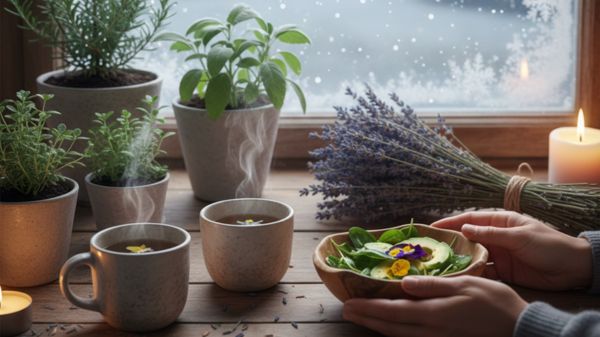
To implement winter slow living rituals centered on plant-based self-care, you should focus on integrating nutrient-dense, seasonal foods such as root vegetables, leafy greens, and grains into your diet, emphasizing their immune-boosting properties during darker months. Incorporating mindful practices like winter walks and foraging aligns with seasonal cues, while creating calming rituals with candlelight and aromatherapy supports emotional resilience. Limiting screen time and establishing journaling routines further enhances mental clarity and self-awareness. Continuing will reveal strategic frameworks to optimize your winter wellness approach.
Embracing Seasonal Nourishment With Plant-Based Soups and Stews

During the winter months, embracing seasonal nourishment through plant-based soups and stews offers a strategic approach to optimizing nutritional intake while aligning with environmental conditions, as these dishes leverage ingredients that are inherently more abundant and nutrient-dense during colder periods.
Incorporating this variety of seasonal ingredients, such as root vegetables, leafy greens, and grains, guarantees a well-maintained nutrient balance essential for immune support and overall health. Culinary creativity enhances flavor exploration through the application of warming spices like turmeric, cumin, and ginger, complemented by comforting textures created via nourishing broths and slow-cooked legumes.
Batch cooking facilitates efficiency, allowing preparation of plant-based recipes that emphasize winter freshness, while supporting versatility and dietary diversity. This approach fosters a nutrient-rich, satisfying, and adaptable winter diet.
Additionally, certain ingredients like kale, carrots, and squash become more flavorful and nutrient-rich when harvested during their peak winter season, further boosting the health benefits of winter meals, especially as their seasonal potency increases during these colder months.
Mindful Practices to Cultivate Calm and Presence During Dark Days

Implementing mindful practices to cultivate calm and presence during the dark days of winter involves systematically engaging in techniques that enhance sensory awareness, regulate physiological responses, and foster psychological resilience.
Mindfulness techniques, such as breath awareness exercises with specific count patterns or body scan meditations, activate parasympathetic nervous system responses, facilitating a physiological reset during inactive months.
Sensory engagement, including mindful observation of natural elements like clouds or insects for brief intervals, deepens present-moment awareness, mitigating seasonal affective symptoms.
Regular practice, ranging from 100 to over 300 minutes weekly, not only sustains mental health improvements but also reinforces neural pathways associated with emotional regulation.
Such structured routines capitalize on winter’s slower pace, thereby optimizing conditions for sustained mindfulness and adaptive resilience. Research indicates that consistent mindfulness practice can lead to measurable reductions in stress and improvements in overall mood.
An understanding of seasonal changes helps tailor these practices to align with winter’s unique environmental cues and daylight patterns, maximizing their effectiveness.
Creating Cozy Rituals With Candlelight and Aromatherapy
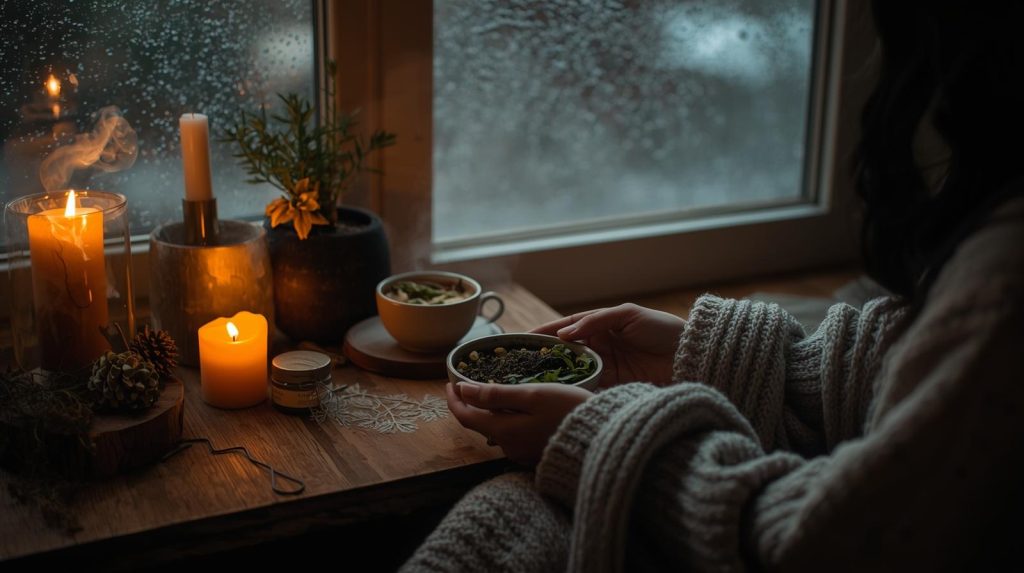
Engaging in the creation of cozy rituals centered around candlelight and aromatherapy enhances the sensory environment, fostering a sense of stability and relaxation that complements mindful practices during the winter months.
Utilizing candlelight ambiance, selectively selecting aromatherapy blends such as citrus oils for mood elevation, or calming lavender and chamomile, supports regulation of melatonin and serotonin levels. To optimize sensory engagement, consider the following steps:
- Arrange candles in a dimmed space to maximize candlelight ambiance, reducing exposure to disruptive artificial light.
- Prepare custom aromatherapy blends with essential oils like bergamot or eucalyptus to address seasonal affective disorder and respiratory concerns.
- Incorporate these elements during meditation or bath rituals, guaranteeing consistent inhalation to stimulate emotional pathways and promote relaxation. Studies show that engaging the scent and visual stimuli together can amplify their calming effects.
- Incorporating sustainable and locally sourced ingredients in your aromatherapy and candle choices can further enhance the eco-friendly aspect of your self-care routine.
Connecting With Nature: Winter Walks and Foraging for Local Plants

A winter walk through natural landscapes offers a scientifically supported opportunity to enhance both mental and physical health by providing environmental stimuli that foster psychological relaxation and physiological resilience, thereby supporting concepts like nature therapy and mindful foraging.
Engaging in these activities involves consciously observing seasonal changes, identifying local plants, and harvesting sustainable flora with adherence to guidelines that guarantee ecological preservation. This practice encourages sensory immersion, strengthens mental well-being, and promotes physical activity, which has been shown to reduce anxiety, improve sleep, and bolster immune function through increased white blood cell counts.
Regular winter nature encounters, with a minimum of two hours per week, optimize health benefits, while mindful foraging emphasizes attention to ecological sustainability, contributing to overall stress reduction and fostering a deeper connection with the environment.
Getting outside reduces cortisol, which further amplifies the mental health benefits of spending time in nature. Incorporating rainwater harvesting techniques can also support this lifestyle by providing a sustainable water source for outdoor environments and plant care during the winter months.
Cultivating Gratitude and Reflection to Enhance Emotional Resilience

Research indicates that cultivating gratitude can markedly bolster emotional resilience, serving as a protective factor against mental health disorders by facilitating neural and neurochemical adaptations. Engaging in practices such as gratitude journaling or composing gratitude letters prompts sustained activation of prefrontal cortex areas, which supports long-term neuroplasticity and emotional regulation. Specifically:
- Maintaining a gratitude journal facilitates continuous neural engagement, reinforcing pathways associated with positive emotional control.
- Writing gratitude letters strengthens social bonds and trust, mediating stress responses and emotional stability.
- Reflection on positive experiences reduces activity in maladaptive neural circuits linked to negativity and anxiety, decreasing cortisol levels and improving overall mental health.
- Neuroplasticity benefits from regular gratitude exercises contribute to lasting changes in brain structure and function, enhancing resilience over time.
Implementing regular gratitude practices, especially during winter’s dark months, can enhance emotional resilience through targeted neurobiological mechanisms and behavioral modifications.
Slow Movement: Gentle Yoga and Stretching for Winter Vitality
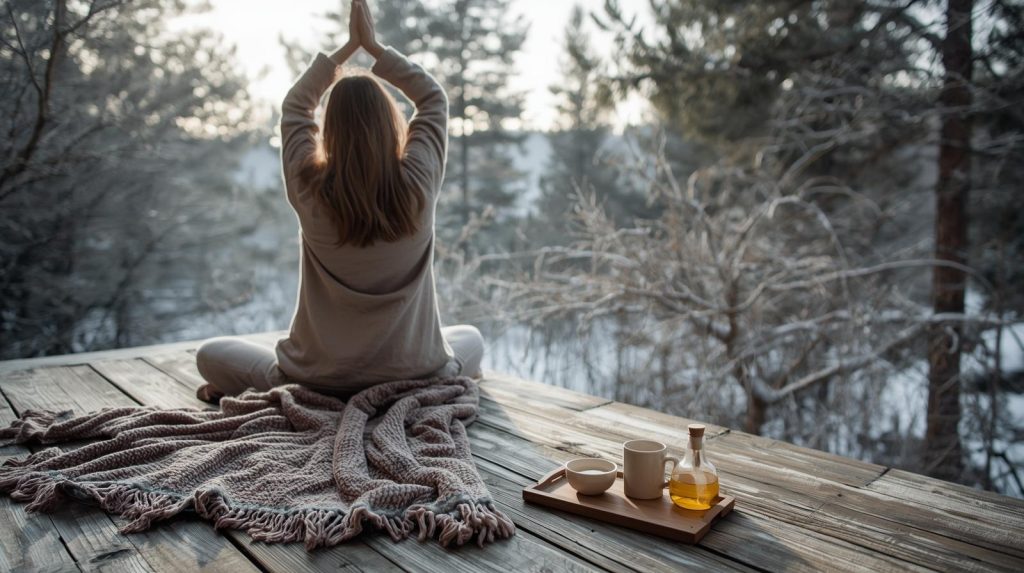
How can slow, deliberate movements such as gentle yoga and winter stretching effectively promote energy and resilience during winter months? Engaging in gentle yoga practices, including Yin Yoga and Qigong, enhances circulation, which preserves core warmth and maintains joint flexibility, counteracting stiffness caused by lower temperatures.
These practices support immune function, reducing susceptibility to common winter illnesses, while mindfulness-based components decrease stress levels, thereby improving emotional resilience.
Winter stretching routines improve blood flow and lymphatic drainage, facilitating detoxification and boosting immune activity, while also preventing injury by preparing musculature for activity in cold conditions.
Incorporating breathwork such as Pranayama further elevates internal temperature and metabolic function. Additionally, consistent practice in a heated or indoor environment, coupled with proper warm-up techniques, optimizes safety and physiological benefits.
🌬️ Slow-Living Spotlight: Deep Emotional Release for Winter
Winter invites us to let go — of stress, of old stories, of emotional weight we’ve carried all year. If you’re craving deeper nervous system reset beyond herbal rituals, you may love the 9D Letting Go Breathwork Journey.
This guided breathwork experience helps you:
✔ Release emotional tension stored in the body
✔ Reset your nervous system
✔ Create inner spaciousness
✔ Feel calmer, lighter, and more grounded
It pairs beautifully with winter candle meditation or herbal journaling.
👉 Explore the Letting Go Breathwork Journey here
Limiting Screen Time to Foster Deep Rest and Inner Peace

Reducing screen time, supported by the demonstrable mental health, physical, and social benefits, establishes a critical boundary that facilitates deeper cognitive rest and emotional stability. By engaging in alternative activities such as outdoor pursuits, creative endeavors, or mindfulness practices, individuals can minimize digital distractions that impair sleep quality, increase stress, and hinder interpersonal development.
Implementing structured routines that limit device use—guided by clear time constraints and specific engagement strategies—ensures sustained progress toward fostering internal peace and resilience during the winter months. Smartphone ownership globally has reached 5.6 billion, and when we consciously reduce screen time during these darker months, we create space to reconnect with ourselves and others in more meaningful ways.
Digital Detox Benefits
Engaging in a digital detox, by deliberately limiting screen time and digital interactions, serves as a strategic intervention aimed at fostering deep psychological relaxation and cultivating a state of inner peace. This process enhances mindful moments by reducing distractions, thereby advancing digital clarity, which enables more focused cognitive and emotional processing. Specifically, the detox facilitates:
- Improvement in attention span and problem-solving skills via reduction of cognitive overload, promoting enhanced information processing efficiency.
- Significant reductions in stress levels and emotional reactivity, achieved through decreased exposure to anxiety-inducing social content.
- Better sleep quality resulting from minimized blue light exposure, supporting circadian regulation essential for psychological resilience.
These benefits cumulatively support sustained mental clarity, self-regulation, and overall well-being, particularly during the isolating winter months, reinforcing the importance of routine digital disengagement.
Creating Boundaries
Establishing clear boundaries around screen time is an essential component of fostering deep physical and psychological rest, particularly during the winter months when outdoor activity options are limited and digital engagement tends to increase.
Implementing strict screen boundaries involves delineating specific periods for device use, enforced through scheduled device-free zones such as bedrooms and dining areas, to mitigate the impact of prolonged exposure.
These zones enforce environmental control by minimizing ambient screen access, which correlates with disrupted sleep cycles and reduced family interaction. Establishing consistent rules, such as no screens during meals or before bedtime, promotes natural circadian rhythms and enhances overall well-being.
Research indicates that limiting screen exposure can significantly improve sleep quality and reduce anxiety, especially in children and adolescents, and strategic application of device-free zones and scheduled boundaries supports developmental health by reducing excessive screen engagement, thereby alleviating risks associated with diminished social interaction and mental health challenges observed in youth populations.
Engaging Alternative Activities
During winter months, directing attention toward alternative activities that limit screen time can effectively foster deep physical rest and cultivate inner peace, particularly when outdoor activity options are restricted by environmental conditions.
Engaging in screen-free hobbies and seasonal crafts promotes sensory engagement and reduces cognitive fatigue associated with prolonged device use. Specific activities include:
- Participating in seasonal crafts such as knitting, woodworking, or candle making, which stimulate creative processes while maintaining focus without digital screens.
- Exploring indoor meditative practices like mindful coloring or origami, which enhance concentration and encourage present-moment awareness.
- Developing routines involving tactile activities like baking or gardening indoors, facilitating sensory input and providing a tangible sense of accomplishment without relying on electronic media.
These activities serve as practical alternatives that support mental clarity and physical relaxation aligned with seasonal rhythms.
Journaling and Intention-Setting for a Purposeful Winter Season

Engaging in structured journaling practices facilitates the clarification of personal goals and the identification of emotional and behavioral patterns essential for maintaining psychological resilience during winter months. By systematically documenting intentions and reflections, you create a feedback loop that enhances cognitive focus, enabling targeted interventions for mood stabilization and stress reduction.
This process supports adaptive behavior modification and goal-oriented growth, serving as a foundational element in establishing purposeful seasonal routines. Considering that 41% of Americans experience mood decline in winter, integrating reflective journaling can be a vital tool in recognizing early signs of emotional shifts and proactively addressing them.
Reflections for Clarity
In the context of winter slow living rituals, employing reflective journaling and intentional goal-setting processes can greatly enhance personal clarity and emotional resilience; these practices facilitate an active engagement with internal states, helping individuals analyze past experiences, assess current circumstances, and align future aspirations within the seasonal rhythm.
Incorporating clarity practices and reflective storytelling, you can deepen insight through structured reflection:
- Use guided prompts to systematically examine past winters, identifying patterns and growth.
- Record present challenges and successes to ground understanding of current circumstances.
- Clearly articulate long-term intentions, integrating visualization techniques, to align future efforts.
This method guarantees that reflection becomes an active, deliberate process, strengthening decision-making skills, fostering adaptive resilience, and enabling a purposeful navigation of the winter months.
Goals for Growth
Setting clear and intentional goals for the winter season constitutes a foundational component of the broader practice of winter slow living, serving as a mechanism to direct focus, reinforce motivation, and facilitate meaningful growth amid the seasonal rhythms.
Engaging in goal visualization helps clarify desired outcomes, activating neural pathways associated with executive functioning, while intention affirmation reinforces commitment, contributing to sustained behavioral change.
Rituals such as journaling intentions—structured as gratitude statements reflecting achievements—aid in consolidating focus, while repeated practice, including reading intentions aloud and affirming intentions aloud with palms to the heart, solidifies neural connections.
These systematic processes, aligned with seasonal goal frameworks, promote self-awareness, better decision-making, and emotional regulation, thereby supporting consistent engagement with plant-based self-care practices and fostering overall resilience during the darker months.
Frequently Asked Questions
How Can I Start Incorporating Plant-Based Meals Into My Winter Routines?
Begin by integrating meal planning that emphasizes seasonal ingredients, which guarantees nutrient peak flavor and nutritional value; this involves scheduling weekly grocery lists around locally available winter vegetables such as kale, Brussels sprouts, or frozen options that retain peak ripeness. And, by researching simple preparation techniques like roasting or pureeing, you’ll optimize preparation time, enhance meal variety, and align your routine with the economic and health advantages inherent in plant-based diets during the colder months.
What Are Simple Ways to Stay Mindful Without Structured Meditation?
To stay mindful without structured meditation, incorporate practices like mindful walking, where you systematically focus on sensory inputs such as footsteps, textures, and sounds during walks, and gratitude journaling, which involves reflective recording of positive daily experiences. These techniques foster present-moment awareness and emotional regulation by intentionally directing attention to immediate sensations or feelings, thereby reducing mental clutter and cultivating consistent mindfulness skills across daily routines without formal meditation sessions.
How Do I Choose Essential Oils for Winter Aromatherapy?
How do you select essential oils for winter aromatherapy? You must evaluate each oil’s properties, such as immune support, respiratory relief, mood enhancement, and warming effects, then align them with seasonal scents like citrus, herbal, spicy, floral, or minty aromas to address winter-specific needs. Prioritize high-quality, pure oils, guarantee proper dilution and patch testing, and consider inhalation methods to optimize therapeutic benefits while minimizing risks.
What Local Plants Are Best for Winter Foraging?
During winter foraging, prioritize local herbs such as wintercress, chickweed, and wild garlic, which actively endure cold temperatures and provide nutrient-dense foliage suitable for raw or cooked consumption. Coniferous needles like pine, spruce, and fir can be harvested for vitamin C-rich teas, while berries such as rose hips, highbush cranberries, and hawthorn persist into winter, serving as accessible, replenishing resources; all should be identified accurately, ensuring sustainability and safety protocols are followed.
How Can I Create Meaningful Winter Rituals on a Busy Schedule?
To create meaningful winter rituals within a busy schedule, you should explicitly allocate fixed time blocks, such as 5-minute mindful breathing exercises or brief journaling sessions, ensuring these integrate seamlessly into your winter schedule. Focus on establishing small, consistent habits—like lighting a candle in the morning or preparing a comforting herbal tea—designed to foster mindful reflection, emotional resilience, and seasonal grounding during limited decision-making capacity, thereby maximizing the impact of each moment.
🌬️ A Winter Moment of Release
As you move through these slow-living rituals — the warm herbal teas, grounding plant altars, candlelit reflections — you may notice feelings rising gently to the surface. That’s winter’s gift: a season that softens us enough to finally let go.
If you’d like a guided way to release emotional tension, the 9D Letting Go Breathwork Journey is a beautiful practice to weave into your routine.
It supports:
- emotional clarity
- nervous system regulation
- winter introspection
- deep inner rest
A perfect pairing for your winter slow living.
👉 Explore the Letting Go Breathwork Journey
Conclusion
Incorporating these winter slow living rituals enables a structured approach to cultivating resilience and well-being during the darker months. By systematically engaging in nourishing practices, mindful reflection, and sensory rituals, you establish a resilient internal environment akin to a well-maintained Kubernetes cluster—robust, adaptable, and secure against external perturbations. This methodical cultivation guarantees a balanced, centered state, fostering inner stability despite external challenges, and effectively preparing you for the shift into spring with heightened emotional clarity and physical energy.
References
- https://mypacifichealth.com/embracing-the-great-indoors-finding-peace-in-the-season-of-slow/
- https://www.theunorthodoc.com/main-blog/what-is-slow-living-6-ways-to-embrace-it-this-winter
- https://www.sandiegofamily.com/parenting/slow-living-tips-for-san-diego-families
- https://grokipedia.com/page/Slow_living
- https://slowlivingldn.com/what-is-seasonal-living/
- https://www.psychologytoday.com/us/blog/out-of-the-darkness/202407/living-slowly
- https://www.alongavecanna.com/2024/01/09/slow-living-for-the-winter-months/
- https://www.forksoverknives.com/recipes/vegan-menus-collections/vegan-winter-stews-warm-you-up/
- https://www.thehealthymaven.com/35-healthy-soup-recipes-keep-warm-winter-long/
- https://www.makingthymeforhealth.com/30-cozy-vegan-soups-and-stews-to-keep-you-warm/