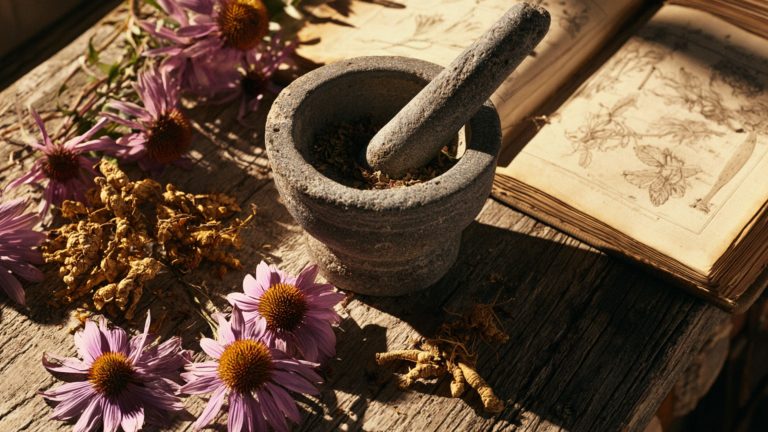
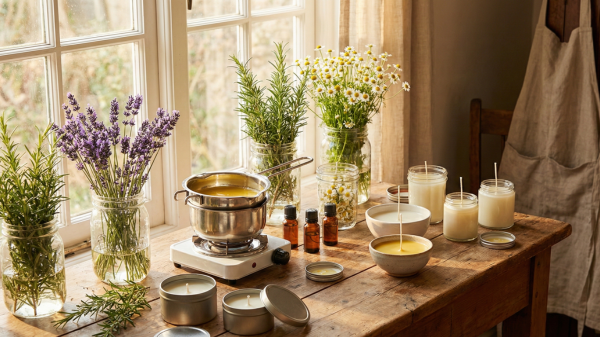
There’s something magical about lighting a candle that you crafted with your own hands—especially when that candle carries the scent, energy, and healing properties of herbs you love. Herbal-infused candles blend the best of plant-based wellness, aromatherapy, and creativity. They offer calm, comfort, and ritual, all wrapped in warm, natural light.
Whether you’re looking for a mindful weekend project, a gift idea, or a way to bring more botanical beauty into your home, making your own herbal candles is easier—and more therapeutic—than you might think.
This full tutorial will guide you step-by-step through the entire process:
✔ choosing herbs
✔ making herbal-infused oil
✔ melting and scenting the wax
✔ crafting candles that burn beautifully
✔ troubleshooting
✔ plus 5 healing herbal recipes you can try immediately.
Let’s begin your herbal candle journey.
Why Herbal-Infused Candles Are Better Than Store-Bought
While commercially available candles often prioritize aesthetic appeal and convenience, herbal-infused candles present a considerably superior alternative regarding chemical composition and holistic benefits, especially when crafted with natural ingredients.
Unlike most store-bought options that contain synthetic fragrances, dyes, and paraffins, herbal infused candles utilize plant-based waxes, dried herbs, and natural essential oils, reducing exposure to potentially harmful chemicals.
The infusion process allows for the incorporation of botanical compounds that release earthier fragrances and therapeutic benefits, such as calming or energy-boosting properties.
Additionally, natural candles facilitate customization to specific mood or wellness goals, and their production guarantees avoidance of artificial additives. Overall, herbal-infused candles offer a cleaner, more sustainable, and holistic alternative for those seeking wellness-oriented home decor solutions.
Tools & Ingredients You’ll Need
To successfully execute DIY candle making, you must first assemble an array of essential base materials such as soy, beeswax, or coconut wax, along with appropriate wick types that guarantee proper flame stability and burn characteristics, and suitable containers that withstand heat and facilitate aesthetic presentation.
Additionally, selecting precise herbal ingredients—including dried herbs like lavender or rosemary, alongside fresh herbs prepared through proper dehydration—is critical to achieving desired aromatic and therapeutic effects, while scent sources should include herbal-infused oils and optional essential oils, each requiring accurate measurement and compatibility considerations.
Finally, the process necessitates specific equipment, including a double boiler system for controlled melting, a thermometer to monitor wax temperature accurately, a strainer for removing botanical debris, and safety gear to guarantee protection during handling and pouring, all of which must be used with adherence to safety protocols to optimize outcome quality and safety.
Base Materials
When engaging in herbal candle making, selecting the appropriate base materials is essential to guarantee consistent, safe, and high-quality results, as these primary components form the foundation of your craft. This includes choosing suitable waxes such as soy, beeswax, or coconut wax, which serve as the medium for infused wax integration.
Wicks must be carefully selected based on diameter and composition—cotton, wooden, or hemp—to optimize combustion. Containers or jars should be heat-resistant and non-reactive to prevent degradation during the process. The following table summarizes critical base materials:
| Material Type | Specification | Application Use |
|---|---|---|
| Wax Type | Soy, Beeswax, Coconut | Base for infused wax creation |
| Wick Material | Cotton, Wooden, Hemp | Flame stability and burn quality |
| Container | Heat-resistant glass or metal | Structural containment |
| Additives | Stabilizers, dyes | Visual and physical properties |
Herbal Ingredients
Herbal ingredients comprise the foundational botanical components that impart fragrance, therapeutic properties, and visual appeal to herbal candles. These herbal ingredients include dried herbs such as lavender, chamomile, calendula, and rosemary, which are selected based on desired aromatherapeutic effects and aesthetic qualities.
Precise preparation involves drying herbs thoroughly to prevent mold and crushing them uniformly to facilitate ideal infusion. Fresh herbs require proper dehydration to inhibit microbial growth. Incorporating herbal ingredients into infused wax demands careful measurement to avoid disrupting wick performance or causing uneven burn.
The selection and preparation of herbal ingredients must adhere to safety guidelines to prevent combustion risk, guarantee consistent scent dispersal, and improve the overall efficacy of herbal candles. This systematic approach guarantees the integration of botanical elements that reinforce the candles’ natural, healing attributes.
Scent Sources
Essential scent sources for herbal candle making encompass a range of botanical extracts and aromatic materials that influence both fragrance intensity and therapeutic qualities, which are central to effective candle making for beginners engaged in plant-based home crafts.
These include herbal-infused oils derived from methods such as slow or stovetop infusion, ensuring maximum extraction of plant compounds, and essential oils, which serve as concentrated aromatic agents that complement herbal infusions. Accurate measurement of infused oils and essential oils is critical to maintain safety ratios and prevent wick issues or other burning problems.
Both sourcing high-quality, pure extracts and correctly integrating them into the wax matrix are fundamental steps to produce candles with desired scent profiles and therapeutic benefits, while ensuring consistent, safe burning performance consistent with principles of holistic and natural craftsmanship.
Equipment
To successfully execute the candle-making process, particularly when working with herbal-infused waxes, an extensive understanding of the necessary tools and ingredients is indispensable for ensuring both product quality and safety. Precise selection of equipment directly influences the consistency, safety, and aesthetic quality of the finished herbal candles. The essential components include:
- Double boiler—used to melt wax evenly, preventing scorching or uneven heating.
- Thermometer—monitors wax temperature to maintain ideal pouring and infusion conditions.
- Strainer—facilitates removal of herbal particles, ensuring a smooth, clear wax infusion.
- Safety gear—comprising heat-resistant gloves, goggles, and work aprons, minimizes risk during handling hot wax and herbal materials, ensuring safety throughout the process.
How to Make Herbal-Infused Oil (The Heart of This Tutorial)
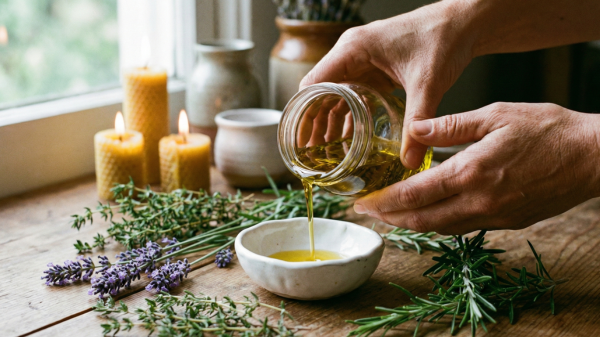
To produce effective herbal-infused oil, you must carefully select the appropriate herb based on the desired scent and therapeutic properties, ensuring proper preparation through drying or crushing to optimize infusion quality; subsequently, you can implement either a warm-infusion method, which involves controlled heating within specific temperature parameters over a set period, or a slow-infusion approach utilizing sunlight exposure over two to three weeks.
Following infusion completion, it is essential to strain the mixture to separate plant material from the oil, utilizing fine-mesh strainers or cheesecloth, and store the resulting product in airtight, opaque containers to preserve potency and prevent degradation. These procedures form the fundamental processes necessary for integrating herbal infusions into candle wax, ensuring both appropriate herb selection and consistency for a high-quality final product.
Choose Your Herb
When selecting herbs for infusion, it is crucial to evaluate the specific aromatic and therapeutic properties each plant offers, as well as their suitability for candle making by examining their moisture content, potency, and drying requirements. Proper herb choice directly influences the infused oil’s efficacy and aroma strength, which are critical for the subsequent candle’s quality. Consider the following factors:
- Aromatic profile—match herbs to desired scent characteristics with attention to intensity and duration.
- Therapeutic properties—select based on intended mood or health benefits, such as calming or invigorating effects.
- Moisture content—use dried, moisture-free herbs to prevent mold and guarantee oil stability.
- Drying methodology—verify herbs are thoroughly dried through ideal techniques (air-drying, oven-drying) to avoid residual moisture that compromises infusion quality.
This guarantees a high-quality herbal infusion compatible with candle crafting standards.
Prepare the Herb Properly
Proper herb preparation is fundamental to guaranteeing a high-quality herbal-infused oil, as it directly impacts the extraction efficiency, aroma intensity, and longevity of the final candle product. Precise removal of moisture through controlled drying prevents mold development and preserves herb integrity, whether by air-drying in a dark, well-ventilated environment or using dehydrators at specified low temperatures.
Crushing or chopping herbs into uniform fragments increases surface area, facilitating enhanced oil contact and efficient extraction of active compounds. For dried herbs, verify they are fully cured, free from residual moisture, and stored under ideal conditions to avoid degradation. Meticulous handling during preparation guarantees a concentrated, aromatic infusion, resulting in consistent scent profiles and prolonged shelf-life in the finished herbal candles.
Warm-Infusion Method
The warm-infusion method involves gently heating dried or fresh herbs in carrier oil at controlled low temperatures, optimizing the extraction of active aromatic compounds without degrading their delicate constituents. Maintaining precise temperature regulation, typically between 100–130°F (38–54°C), is crucial to prevent thermolabile compounds’ breakdown.
Make certain the herbs are evenly distributed within the oil to promote uniform infusion, and control the duration to maximize scent uptake without risking mold growth or oxidation.
- Use a double boiler to guarantee consistent, even heat transfer.
- Pre-dry herbs thoroughly to reduce moisture content, minimizing microbial growth.
- Stir the mixture periodically to facilitate extraction.
- Monitor temperature closely with a reliable thermometer to avoid overheating, which could compromise aromatic integrity.
Slow-Infusion Method
Initiating the slow-infusion method involves a deliberate process that prioritizes patience and meticulous preparation, as it relies on extracting aromatic constituents through prolonged exposure to ambient heat and passive infusion, thereby capturing delicate herbal compounds’ integrity.
This method minimizes thermal degradation, ensuring a more complex aromatic profile. The process entails placing dried or fresh herbs in a sterilized glass jar, covering with carrier oil, sealing, and then positioning it in a stable environment—often in sunlight—for 2–3 weeks. To deepen understanding:
| Aspect | Explanation | Significance |
|---|---|---|
| Temperature Control | Passive, ambient heat prevents overheating | Preserves delicate compounds |
| Duration | Extended infusion maximizes aroma extraction | Yields richer, more nuanced oils |
| Herbal Preparation | Proper drying and crushing enhance infusion | Improves surface contact and release |
| Storage Conditions | Stable, consistent environment essential | Prevents spoilage and mold growth |
Straining & Storing Your Oil
After allowing the infused oil to sit for the recommended duration, attention must be directed toward the process of separating the herbal material from the oil to achieve clarity and purity, which is essential for the consistency and quality of the final candle product. This involves employing a fine-graded strainer or cheesecloth to filter out residual plant matter while guaranteeing minimal oil loss.
Proper filtration prevents particulate contamination that could negatively affect burn quality or introduce microbial growth during storage. To optimize storage conditions, transfer the strained oil into sterilized, airtight glass containers, which preserve aromatic integrity and prevent oxidation. Additionally, labeling containers with the herb type and infusion date ensures traceability and potency management.
Consider these points:
- Use sterilized, airtight containers.
- Employ fine filtration methods.
- Minimize exposure to light and heat.
- Record infusion details for quality control.
How to Make Your Herbal Candles (Beginner-Friendly Step-by-Step)

To successfully produce herbal candles, you will systematically proceed through key steps, including preparing your workspace to maintain safety and correct material organization, melting your wax with consideration for differences between soy and beeswax to optimize consistency, adding your herbal infusion precisely to balance fragrance and safety, incorporating optional essential oils for enhanced scent profiles, and positioning your wick accurately to guarantee even burning and aesthetic alignment.
Each phase demands attention to specific parameters, such as temperature control during wax melting, infusion ratios, and wick placement, to prevent issues like tunneling or suboptimal scent diffusion. Adherence to these detailed procedures assures the creation of herbal candles that meet quality standards for safety, aroma, and visual appeal.
Step 1 — Prepare Your Workspace
Before commencing the candle-making process, it is essential to establish a clean, well-ventilated workspace that minimizes potential hazards and promotes safety throughout all procedural steps. This environment guarantees proper airflow, reduces the risk of combustion or inhalation of fumes, and maintains organization for material management. To optimize safety and efficiency, consider the following:
- Designate a specific area with non-flammable surfaces, clear of clutter and combustibles.
- Install appropriate ventilation, such as exhaust fans or open windows, to disperse fumes from wax and herb steam.
- Gather all materials—wicks, containers, herbs, and tools—prior to starting to prevent interruptions.
- Utilize safety gear, including heat-resistant gloves and eye protection, to mitigate accidental burns or splashes during wax handling.
Step 2 — Melt Your Wax (Soy vs. Beeswax Differences)
When melting wax for herbal candle creation, selecting the appropriate wax type and understanding its distinct melting characteristics are fundamental to ensuring ideal consistency, scent integration, and visual appearance of the finished product.
Soy wax generally melts at approximately 49–54°C (120–130°F), exhibiting a relatively lower melting point with a tendency toward the “frosting” effect, which requires precise temperature control to prevent surface clouding.
Beeswax, in contrast, melts at higher temperatures, around 62–64°C (144–147°F), offering a denser, more opaque finish that resists frosting but demands careful handling to avoid overheating, which can impair fragrance retention. Both wax types require gradual heating using a double boiler setup to prevent thermal decomposition, with soy requiring close monitoring of temperature thresholds during the pouring process.
Step 3 — Add Your Herbal Infusion
Once the wax has been melted to the appropriate temperature and maintained at a consistent heat, the next step involves incorporating the herbal infusion into the liquid wax. Carefully measure the infused oil, guaranteeing it constitutes approximately 5-10% of the total wax volume, to optimize fragrance without affecting the wax’s integrity.
When adding, do so gradually while stirring constantly, to guarantee uniform distribution and prevent separation. It is critical to monitor the temperature closely, maintaining a range between 170–180°F (77–82°C), to avoid premature solidification or evaporation of volatile compounds. Proper mixing guarantees the herbal essence disperses evenly, maximizing therapeutic properties and fragrance consistency in the final herbal candles.
Step 4 — Add Essential Oils (Optional)
Is it necessary to incorporate essential oils into herbal candles, or does their addition serve primarily as an optional enhancement to fragrance profiles? Inclusion of essential oils is not a strict requirement, as herbal infusions alone provide natural scent and therapeutic benefits; however, essential oils enable precise, customizable aromatic profiles and intensity adjustments, thereby offering refined control over scent layering.
When adding essential oils, it’s critical to adhere to safe concentration ratios—typically 1-3% of the total wax weight—to prevent overpowering the herbal base or compromising candle safety. Incorporation should occur after the wax reaches temperature stability, typically between 185-200°F, guaranteeing proper diffusion without risking volatilization or evaporation.
Careful measurement, combined with thorough mixing, guarantees uniform distribution and peak scent integration, ultimately enhancing the holistic sensory effect of the finished herbal candle.
Step 5 — Set Your Wick Correctly
Properly positioning and securing the wick is fundamental to achieving an evenly burning herbal candle, as improper placement can result in issues such as tunneling, uneven wax consumption, or potential safety hazards.
To guarantee peak performance, you must select the correct wick size relative to your jar’s diameter, which influences burn rate and flame stability. Use wick stickers or hot glue to affix the wick’s metal tab firmly at the candle’s center before pouring. Maintain the wick vertically aligned throughout the process to prevent skewing during wax cooling. Key points include:
- Employing a wick size proportional to the container’s diameter for consistent burn
- Securing the wick with an adhesive designed for high-temperature use
- Confirming the wick is centered before the wax solidifies
- Verifying the wick remains upright during pouring and cooling
Step 6 — Pouring Your Candle Smoothly
The success of a well-crafted herbal candle largely hinges on the precise control of the pouring process, which involves maintaining an ideal temperature to guarantee wax fluidity while minimizing common defects such as sinkholes, cracks, or uneven surface formation. To confirm maximum flow, monitor the wax temperature closely using a thermometer, maintaining it within the specified range for your wax type—typically around 135°F to 145°F for soy wax.
When pouring, do so steadily and smoothly, avoiding abrupt movements that could disrupt the wick’s position or cause turbulence. Pour the wax gradually, filling the container to the desired level, and if layering herbs for visual effects, allow the initial pour to set for several minutes before adding subsequent layers, confirming surface smoothness and structural integrity.
Step 7 — Curing Your Candle
After your initial pour and sufficient cooling, the process of curing allows the candle to reach ideal scent development and wax stabilization, ensuring consistent performance and fragrance throw during combustion. During this period, humidity and temperature fluctuations should be minimized, and the candle should remain undisturbed. To maximize the effectiveness of the curing process, consider these key points:
- Allow a minimum of 48 hours for soy wax, with extended curing up to two weeks for enhanced scent throw.
- Store candles in a cool, dark, and stable environment to prevent temperature fluctuations that may cause surface imperfections.
- Avoid handling or moving the candle excessively during curing to prevent uneven wax settling or cracking.
- Regularly inspect for surface cleanliness, avoiding debris or dust that can interfere with the final burn characteristics.
Five Herbal Candle Recipes for Mood & Wellness
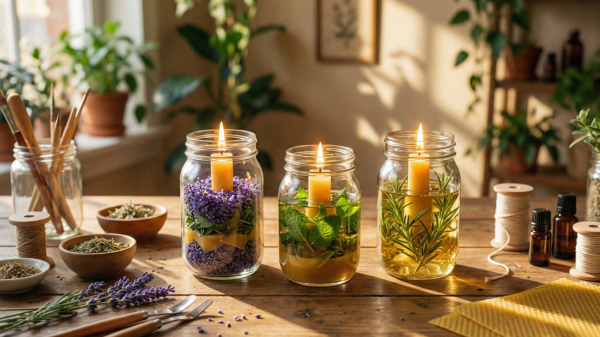
In this section, you will examine five herbal candle formulations designed to optimize mood regulation and promote wellness through targeted aromatic profiles, including blends such as Calm + Sleep and Focus + Clarity, each formulated with specific herbal infusions to support psychological states.
These recipes incorporate precise combinations of dried herbs and essential oils, chosen for their documented psychophysiological effects, and utilize controlled infusion techniques to guarantee consistent scent profiles and therapeutic benefits.
Accordingly, you will follow detailed procedures for preparation, blending, and embedding herbs within the wax matrix, emphasizing consistency, safety considerations, and proper curing to achieve predictable outcomes and maximize efficacy.
Calm + Sleep Blend
When composing a Calm + Sleep herbal candle blend, selecting herbs with proven sedative and relaxing properties guarantees a peak outcome for mood enhancement and restful sleep induction; lavender, chamomile, and vanilla are primary ingredients that synergistically promote relaxation and reduce stress levels, while also contributing to a gentle, soothing fragrance profile. To optimize efficacy:
- Ascertain the precise ratio of herbs to infused wax, typically 1–2 teaspoons per cup of wax, to achieve balanced scent dispersion without overpowering.
- Incorporate herbal infusions in liquid form at a temperature of 140–150°F, to facilitate even distribution without prematurely degrading volatile compounds.
- Use high-quality, herb-friendly wicks—preferably cotton or wooden—centrally positioned and secured with wick stickers to prevent shifting during pouring.
- Cure the finished candle for at least 48 hours to maximize scent throw and allow herbal compounds to integrate fully within the wax matrix.
Focus + Clarity Blend
The selection of herbal ingredients for a Focus + Clarity blend must be based on their measurable cognitive and alertness-enhancing properties, with rosemary and eucalyptus standing out due to their well-documented effects on memory retention, concentration, and mental acuity.
Rosemary contains compounds, such as rosmarinic acid, which improve cerebral blood flow, thereby enhancing cognitive function, whereas eucalyptus, rich in 1,8-cineole, exerts a stimulating effect on the central nervous system, promoting mental clarity. When preparing this blend, dry or fresh herbs should be properly prepared through crushing to maximize surface area and facilitate infusion.
An infused oil should be created via a slow, consistent warm-infusion process or sunlight method, ensuring temperature control to prevent degradation. Incorporate the herbal infusion into melted wax while maintaining appropriate ratios, then set the wick centrally and pour at the correct temperature to optimize scent dispersion and visual integrity.
Heart-Opening Blend
Creating a heart-opening herbal candle blend involves selecting botanicals with documented emotional and relational benefits, specifically those designed to foster love, compassion, and emotional vulnerability. Key herbs include rose petals and geranium, which have been scientifically associated with enhancing feelings of connection and emotional openness. When preparing this blend, consider the following critical factors:
- Use dried rose petals and geranium to prevent mold during infusion.
- Incorporate approximately 10-15% herbal infusion relative to the total wax volume to optimize scent without compromising wick stability.
- Embed herbs carefully around the edges of the jar to prevent combustion and maintain visual appeal.
- Select a clear, heat-resistant glass container to facilitate visual appreciation of herbal arrangement, ensuring proper wick alignment and secure fixation to prevent movement during pouring.
Winter Comfort Blend
A mindful approach to seasonal self-care involves incorporating herbal candles designed for winter wellness, utilizing botanicals such as orange peel, clove, and cinnamon that evoke warmth and comfort within enclosed spaces. These ingredients serve as natural infusers, releasing essential oils that promote relaxation and physiological warmth without synthetic additives.
To craft the Winter Comfort Blend, begin by drying and crushing orange peels and whole cloves for ideal infusion; combine these with ground cinnamon sticks and infuse them in carrier oil via slow or stovetop methods, maintaining temperature consistency to prevent degradation of volatile compounds.
After straining, incorporate this herbal infusion into melted soy or beeswax at precise temperatures—typically 180°F (82°C) for soy—to achieve homogeneous distribution. Proper wick placement, at the container’s center, combined with controlled pouring at 160-170°F (71-77°C), guarantees uniformity and minimizes surface imperfections, resulting in a functional, aromatherapeutic candle tailored for winter wellness.
Emotional Reset Blend
When formulating an herbal candle designed for an emotional reset, incorporating botanicals such as sage, cedar, and patchouli provides a grounding and clarifying effect that supports mood stabilization and mental clarity. Sage’s antimicrobial properties, cedar’s grounding effects, and patchouli’s balancing influence combine to create a synergistic blend that enhances emotional resilience and cognitive focus. To optimize these benefits:
- Use dried sage and cedar chips, and patchouli essential oil in a 1:1:1 ratio, ensuring balanced aromatic profiles.
- Infuse wax with the herbal blend at specific temperatures (around 185°F) to prevent herb combustion.
- Embed herbs around the edges to avoid wick obstruction or combustion-related degradation.
- Adjust infusion concentrations based on desired potency, maintaining ratios to prevent overpowering scent profiles.
Troubleshooting Common Candle Problems
Identifying and addressing common candle-making issues require a systematic understanding of the underlying factors affecting candle performance, as problems such as tunneling, weak scent throw, wick drowning, and surface imperfections often stem from procedural or formulation flaws.
Tunneling results from inadequate wax pool development, frequently caused by premature extinguishing or insufficient initial pouring temperature, consequently requiring consistent wick sizing and correct pour temperatures. Weak scent throw may be attributed to suboptimal infusion ratios or improper wax temperature during scent addition, necessitating precise control over infusion process and scent load.
Wick drowning typically involves oversized wicks or improper wick positioning, which can be mitigated through accurate wick selection based on jar diameter and proper wick anchoring. Surface imperfections, such as frosting or cracking, often relate to wax type or cooling rates, requiring temperature regulation during pouring and curing stages.
Is It Safe to Put Herbs in Candles? Yes — If You Do It Right
Putting herbs in candles presents both opportunities and risks that necessitate careful handling to verify safety and peak performance. Proper incorporation requires controlling variables such as herb moisture content, placement within the wax matrix, and concentration levels. Incorrect handling can result in combustion, herb ignition, or compromised scent integrity. To mitigate these risks, confirm:
- Herbs are thoroughly dried, reducing ignition risk.
- Herbs are embedded around the edges of the container, avoiding proximity to the wick.
- Concentrations are within recommended ratios to prevent burning issues.
- Jars are selected with heat-resistant, non-combustible materials to withstand thermal expansion.
Adhering to precise infusion and embedding techniques, as well as thorough safety assessments, confirms that herbal candles remain a safe and effective element of your natural home care practices.
Creative Ways to Use Your Herbal Candles
Utilizing herbal candles in various home, wellness, and gifting practices provides opportunities to enhance ambient environments and reinforce intentional rituals, requiring deliberate selection of application methods aligned with specific therapeutic or aesthetic objectives.
In therapeutic contexts, positioning herbal candles strategically within spaces—such as near meditation zones or relaxation areas—maximizes their influence on mood and atmosphere, using placement to optimize scent dispersion and light diffusion.
For wellness routines, incorporating herbal candles into bath sequences or self-care rituals involves selecting scents aligned with desired outcomes, such as lavender for relaxation or eucalyptus for clarity, while ensuring proper candle safety protocols.
Essential Supplies for Your Herbal-Infused Candles
To make the candle-making process as smooth and enjoyable as possible, starting with the right supplies is key. Here are the top-rated materials I highly recommend for beginners looking to create beautiful, clean-burning herbal candles at home.
1. The All-In-One Starter Kit
If you don’t already own a melting pitcher and thermometer, getting a complete kit is the easiest way to start.
Hearth & Harbor DIY Candle Making Kit
This kit provides a robust aluminum melting pitcher and takes the guesswork out of gathering basic equipment.
2. The Core Ingredient: Bulk Soy Wax
Soy wax is the absolute best choice for herbal candles because it burns cleanly and holds scent exceptionally well.
Pure White Soy Wax Flakes (100% Natural)
Buying flakes rather than a solid block makes measuring and melting incredibly fast and easy, ensuring a smooth, toxin-free burn.
3. The Botanicals: Dried Flowers
This is where you make the candle your own!
9-Bag Set of Natural Dried Flowers
This variety pack includes lavender, rose petals, mint leaves, and more. It’s 100% natural with no artificial colorants—perfect for embedding safely into your wax.
4. The Scent: Essential Oils
To complement your dried herbs, you’ll need high-quality essential oils to give your candle a beautiful scent throw.
MAYJAM Essential Oils Top Aromatherapy Set
This set provides highly concentrated plant aromas, allowing you to custom-blend your favorite scents.
Note: The links above are affiliate links. If you choose to purchase through them, I may earn a small commission at no extra cost to you, which helps support the free tutorials on Green Life Zen!
Frequently Asked Questions
How Long Do Herbal-Infused Candles Typically Last?
Herbal-infused candles typically last between 20 to 40 hours of burn time, depending on factors such as wax type, wick size, and infusion quantity. Proper curing, maintaining an appropriate wick length, and avoiding overcrowding with herbs can optimize longevity and scent throw. Storage in a cool, dark environment prevents degradation, ensuring the candles retain their aroma and structural integrity over their lifespan.
Can I Use Fresh Herbs Instead of Dried for Infusion?
Using fresh herbs instead of dried is generally discouraged for herbal infusions in candle making because fresh herbs contain higher moisture content, which can introduce water into the wax, increasing the risk of mold, uneven burning, and compromised scent release. Proper infusion requires dehydration of herbs to prevent microbial growth and guarantee ideal oil extraction. Dehydrated herbs provide consistent infusion quality, which is essential for safe, stable, and effective herbal candles, especially in controlled candle-making processes.
What Are the Best Jars for Herbal Candles?
You should select heat-resistant, non-reactive jars such as borosilicate glass or high-quality tempered glass, which can withstand the thermal stresses of candle burning without cracking or leaching chemicals. Mason jars, especially those with tight-fitting lids, are common due to their durability and aesthetic appeal. Verify the jars are free of chips, have smooth rims for proper wick placement, and are appropriately sized for the desired wax volume to promote safety and peak burning performance.
How Much Herbal Infusion Should I Add to Prevent Wick Issues?
You should add no more than approximately 10-15% herbal infusion relative to the total melted wax volume, as exceeding this ratio increases the risk of wick drowning, uneven burning, or scent displacement. Precisely, for every 100 grams of wax, incorporate 10-15 grams of herbal-infused oil, ensuring thorough mixing and consistent distribution, and verify that the infusion does not interfere with wick placement or stability by testing a small batch prior to full production.
Are Herbal Candles Safe Around Pets and Children?
Herbal candles can be safe around pets and children if you select non-toxic, pet-safe herbs, avoid concentrated herbal infusions in high doses, and guarantee proper embedding of herbs away from the wick to prevent combustion. Maintain adequate ventilation, use flame-resistant containers, and supervise the burning process. Assess each herb’s toxicity data specific to animals and children beforehand, and always educate users on safe candle use to prevent accidental ingestion or inhalation hazards.
Conclusion
Incorporating herbal infusions into your candle-making process is an intricate synthesis of botanical extraction, wax formulation, and wick optimization, which collectively produce a product that markedly enhances ambient well-being and aesthetic value. By adhering to proper infusion techniques, safety protocols, and precise procedural steps, you guarantee the development of therapeutically effective candles. This method surpasses commercial alternatives in customization and efficacy, providing a highly personalized, environmentally sustainable approach to creating calming, health-promoting illumination within your environment.