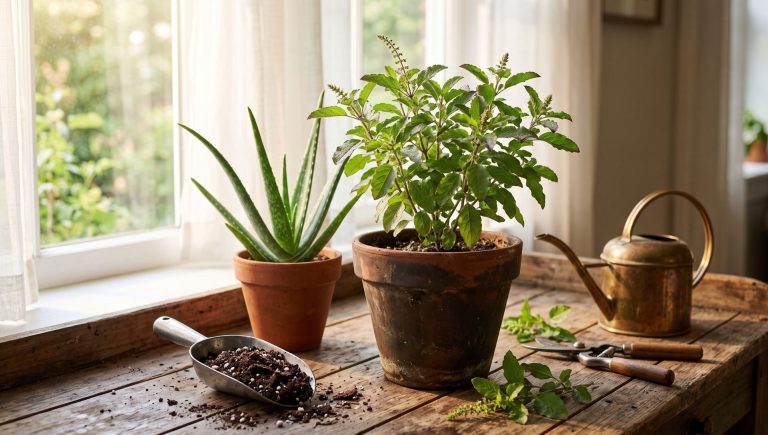
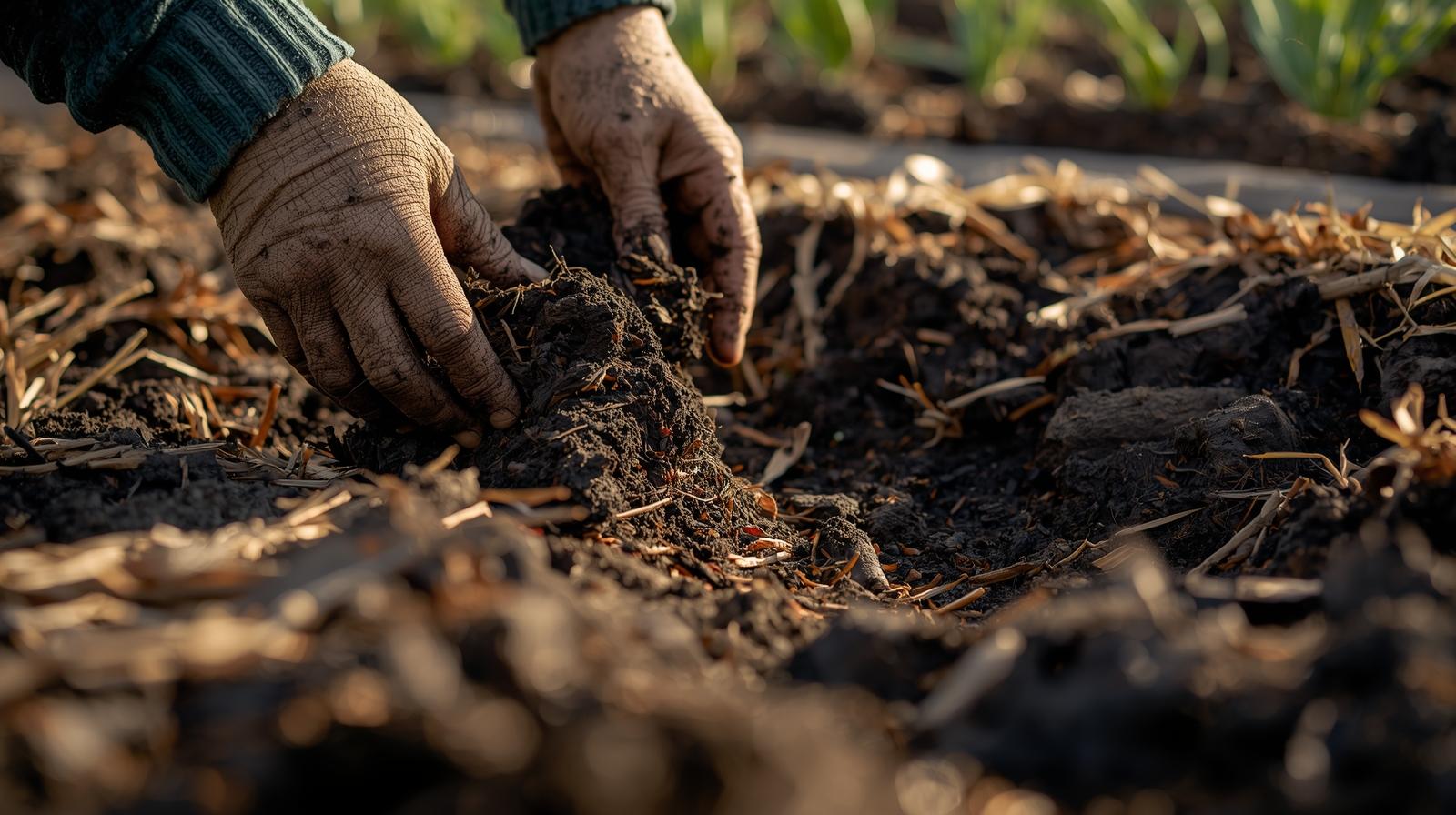
Preparing your garden beds for spring through regenerative gardening winter practices, especially during winter downturns, requires a systematic approach to soil health management that prioritizes microbial activity, organic matter integration, and structural stability. Each step, from crop residue removal to cover crop implementation, must be executed with precision to facilitate nutrient cycling and resilience. An understanding of soil dynamics and proper timing in application guarantees consistency in plant development, but the intricacies involved in balancing these variables suggest a detailed methodology that warrants further exploration.
Why Soil Regeneration Matters Before Spring
Although plant growth appears dormant during the winter months, soil biological activity continues at a reduced yet critical rate, facilitating organic decomposition and nutrient cycling that influence subsequent planting success.
Within the soil ecosystem, microbes, fungi, and other organisms remain active during this period, contributing to nutrient mineralization and organic matter transformation essential for spring development.
Understanding that soil regeneration, distinct from mere maintenance, involves optimizing biological processes during dormancy guarantees timely interventions that maximize soil health.
Delaying amendments or soil interventions beyond this window risks incomplete nutrient availability and compromised plant performance in the upcoming season.
Consequently, practicing winter soil prep—such as minimal disturbance, cover cropping, and inoculation—enhances microbial diversity, stabilizes soil structure, and guarantees the soil ecosystem’s capacity to support vigorous, healthy plant growth in spring.
Step 1: Clear Spent Crops Without Disturbing Soil
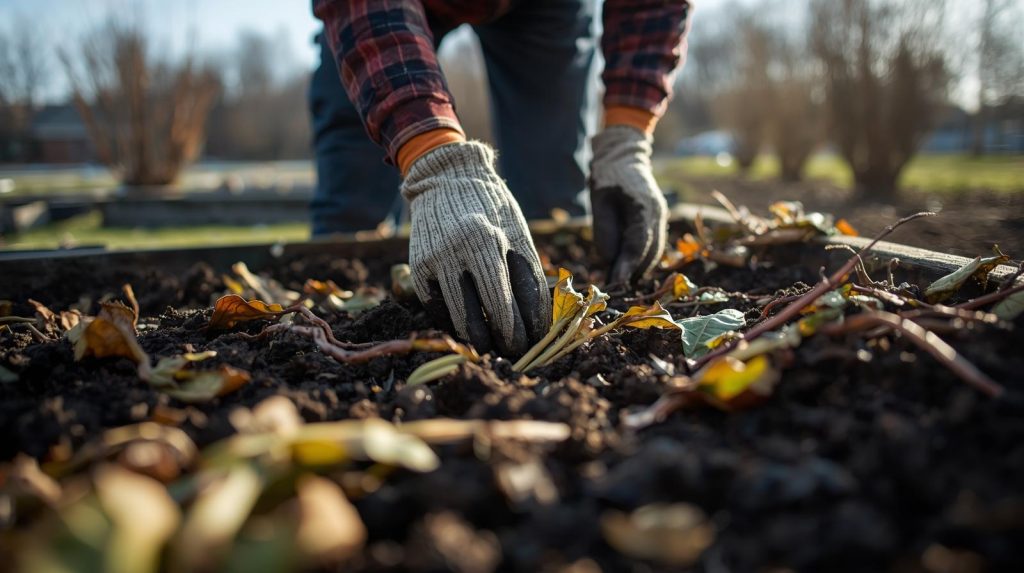
Entering the winter season presents an ideal opportunity to remove spent crops from your garden beds using a no-till approach that maintains soil integrity while promoting biological activity.
In this process, you should carefully chop and drop plant residues, avoiding soil disturbance that could disrupt microbe habitats and fungal networks crucial for nutrient cycling.
It’s essential to distinguish between plant debris suitable for removal, such as diseased or deep-rooted crops, and organic matter remaining beneficial, like healthy foliage and roots, which support soil structure.
This method minimizes soil compaction and preserves existing soil aggregates, facilitating continued microbial activity and worm feeding.
Employing minimal disturbance techniques guarantees the preservation of soil biological pathways and carbon cycling processes fundamental for robust soil health leading into spring.
Additionally, avoiding unnecessary removal of organic matter supports resource conservation and helps build a resilient, sustainable soil ecosystem that benefits future planting cycles.
Step 2: Add Compost the Right Way for Winter
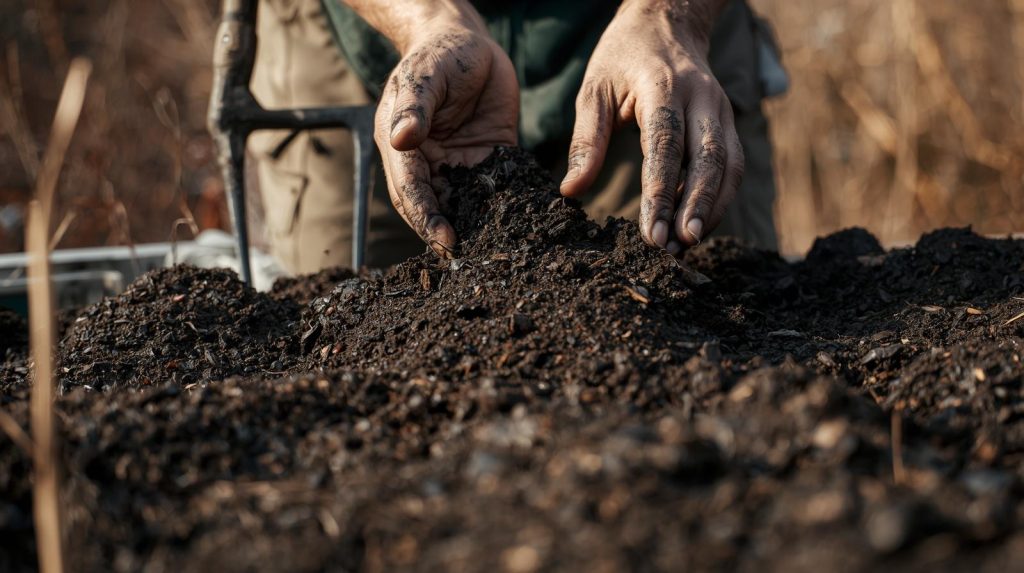
Incorporating compost into your garden beds during the winter months requires a precise and strategic approach that prioritizes minimal disturbance while maximizing microbial activity; this involves top-dressing compost layers rather than mixing them into the soil, ensuring the preservation of soil structure and biological pathways essential for nutrient cycling.
A layer of 1–2 inches of compost acts as a substrate for microbes that continue to decompose organic residues despite low temperatures, facilitating ongoing nutrient release. It’s critical to avoid overloading with nitrogen-rich, “hot” compost, as excessive decomposition can generate heat and potentially damage soil life, undermining long-term soil health.
Utilizing native plants in your garden can further support soil health and ecosystem stability during this process.
Step 3: Protect Soil With Mulch (Nature’s Winter Blanket)
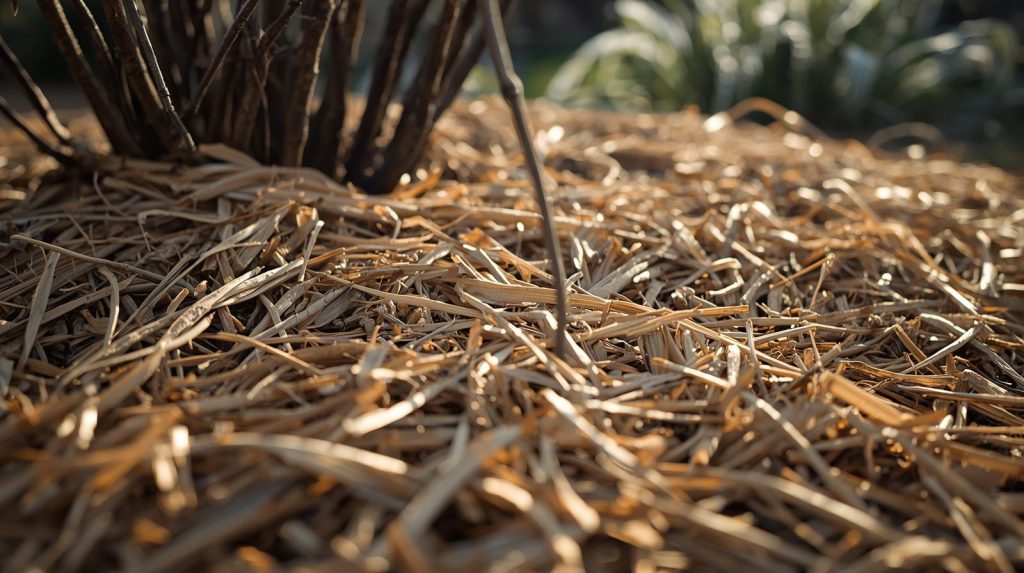
Protecting soil during the winter months requires the strategic application of mulch to serve as an insulative barrier that moderates temperature fluctuations and preserves microbial activity within the soil profile. Selecting appropriate mulch materials is essential; favorable options include fallen leaves, pine needles, and straw, as they provide effective thermal insulation and support fungal-dominant soil conditions.
Proper layering, typically 2–3 inches, guarantees ideal protection and prevents freeze–thaw cycles from disturbing soil structure. Incorporate the following mulch materials considering their specific attributes:
| Mulch Material | Insulative Properties | Decomposition Rate | Best Use Case |
|---|---|---|---|
| Leaves | High | Slow | General coverage |
| Pine Needles | Moderate | Slow | Acid-loving plants |
| Straw | Moderate | Moderate | Erosion control |
This approach enhances soil health and prepares beds for early spring planting.
Step 4: Sowing Cover Crops in Late Fall/Early Winter
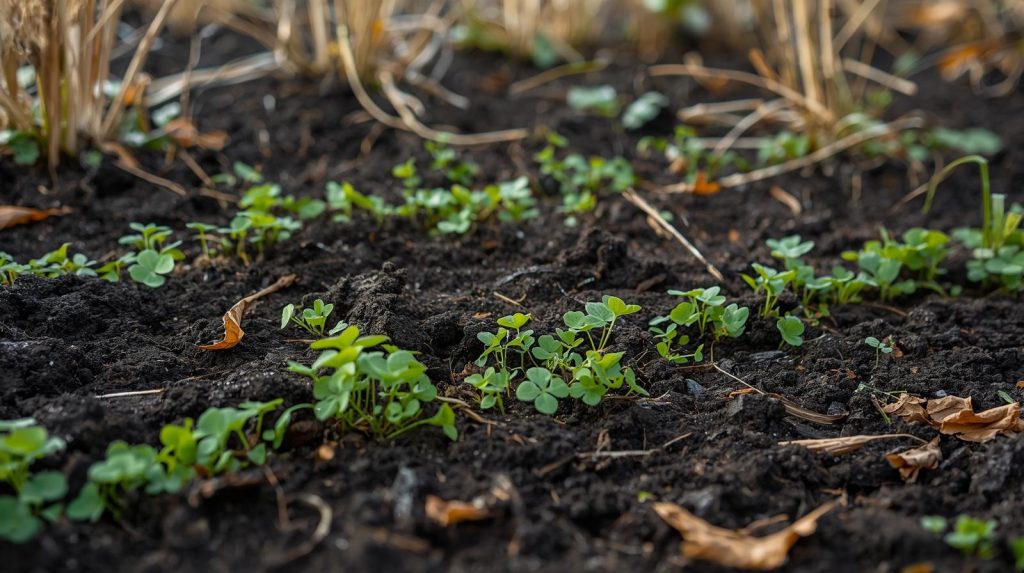
Sowing cover crops during late fall and early winter provides a strategic opportunity to establish perennial biological benefits within dormant garden beds, as many hardy species retain germination capacity despite decreased temperatures.
This technique, known as winter cropping, benefits soil health by promoting root growth that stabilizes soil structure, enhances nutrient cycling, and supports microbial communities during dormancy. Additionally, using cover crops helps to reduce reliance on non-renewable resources by naturally replenishing nutrients and improving soil fertility, lessening the need for synthetic fertilizers.
Over-seeding with species like crimson clover, winter rye, or vetch in November and December guarantees early establishment ahead of deep cold periods. Proper termination of these cover crops, typically through mechanical methods such as mowing or crimping, prepares the bed for no-till planting in spring. This approach optimizes nutrient retention, minimizes soil disturbance, and contributes to ongoing regeneration processes throughout the winter season.
Step 5: Renew Soil Microbes With Winter Inoculation
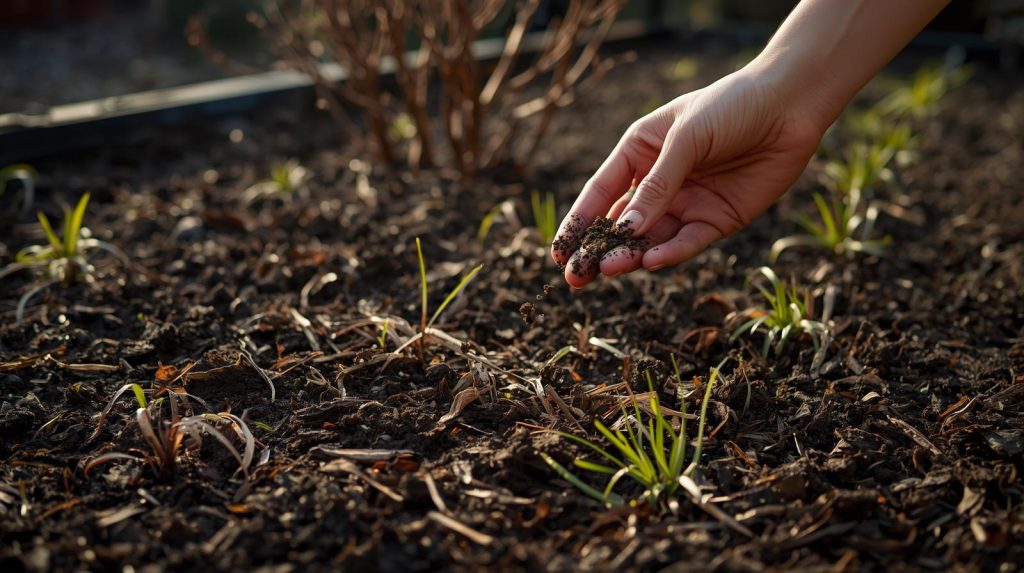
As ground temperatures stabilize and microbial activity diminishes in colder months, winter presents a strategic window for inoculating garden beds with beneficial soil microbes such as mycorrhizae, worm castings, and fungal inoculants.
These interventions facilitate stable colonization and enhance soil biological resilience when external conditions are less variable. This is the ideal period for applying microbial activators, which support the regeneration of soil microbiota essential for nutrient cycling and plant health.
A low-labor method involves evenly sprinkling these microbial amendments across the soil surface and covering them with a light layer of mulch or compost to maintain moisture and temperature stability.
This method leverages moisture and snow cover to promote microbial movement and colonization during dormancy.
Step 6: Fix Drainage Problems Before Snow or Heavy Rains
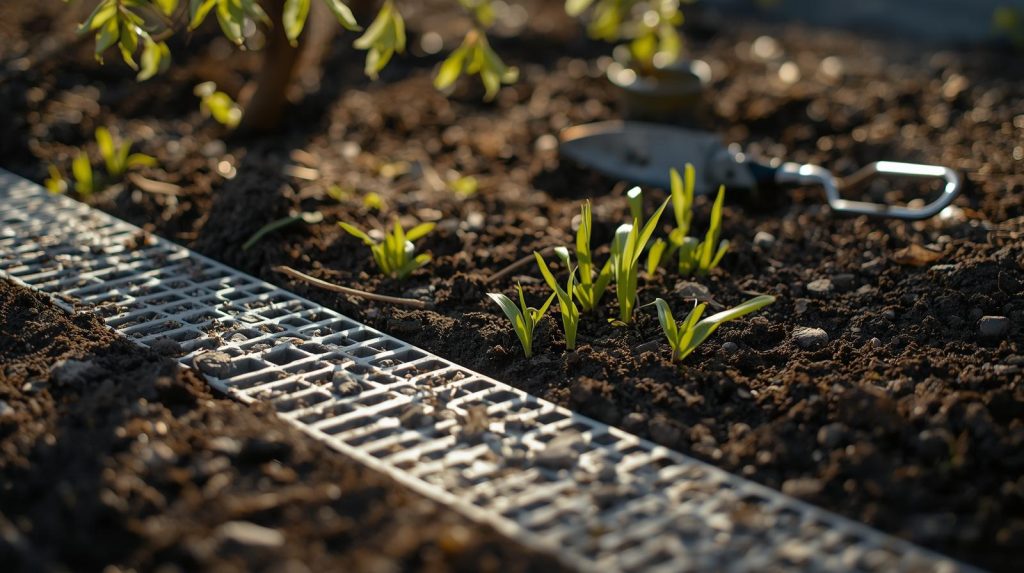
Identifying and addressing drainage issues in your garden during late fall is essential for preventing persistent sogginess and structural deterioration that can exacerbate with upcoming snowfalls or winter rains.
Effective drainage solutions involve locating low-lying spots and compacted zones where water accumulates, as these are primary contributors to waterlogging and root health decline.
Implementing quick fixes such as trenching along affected edges, adding coarse wood chips or other organic mulches, and performing aeration without tillage can greatly improve water flow and reduce soil compaction.
These interventions prevent future drainage problems by promoting proper soil structure and permeability, thereby safeguarding the integrity of your garden beds.
Furthermore, utilizing rainwater harvesting systems to collect and manage excess water can help regulate moisture levels and prevent oversaturation during heavy rains.
Failure to address drainage issues now may result in amplified water retention during spring, risking further soil degradation and crop failure.
Step 7: Build a Spring-Ready Bed Map (Your Garden Blueprint)
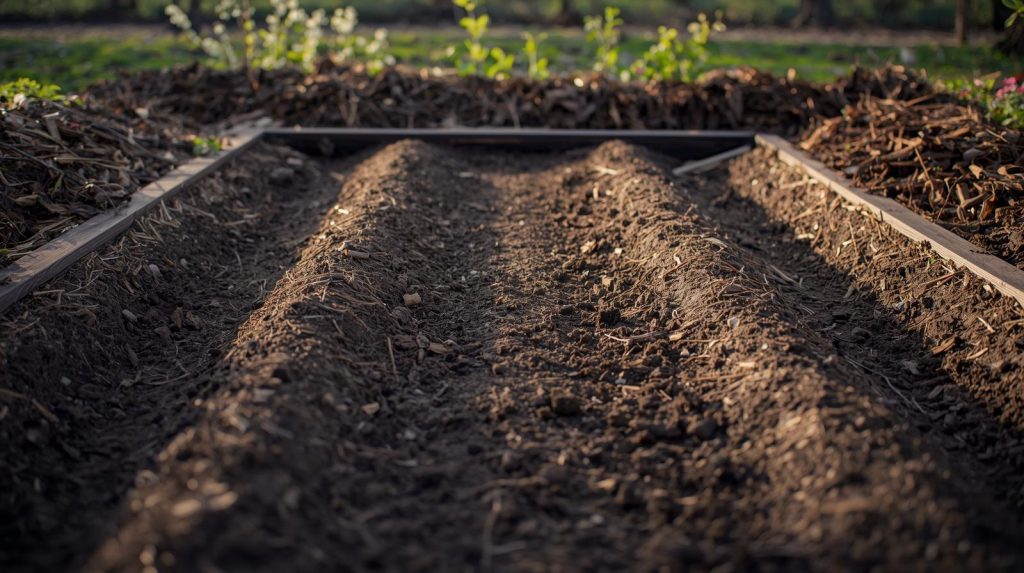
Developing a detailed garden bed map tailored to your upcoming planting schedule facilitates effective crop rotation, optimizes nutrient cycling, and minimizes pest and disease buildup by strategically assigning plant families to specific beds.
This process involves mapping current cover crops and planned plantings, differentiating heavy feeders from light feeders, and establishing sequential planting sequences aligned with soil recovery.
The map serves as a visual guide to prevent crop exhaustion and pathogen proliferation, ensuring the longevity of soil health.
- Visualize crop families’ spatial arrangement based on nutrient demands
- Indicator of cover crop integration for nitrogen fixation
- Sequential layout for crop succession planning
- Marking beds designated for seed-starting and seedlings hardening
- Incorporating crop rotation intervals to uphold soil healthiness
Step 8: Insulate Perennials & Bed Edges for Winter Survival

Proper insulation of perennials and the strategic protection of bed edges are essential practices for guaranteeing overwinter survival and maintaining long-term soil integrity in regenerative gardening systems.
Perennial insulation involves layering organic mulches—such as straw, pine needles, or leaf litter—directly over the crowns of perennials like garlic, asparagus, rhubarb, and strawberries, thereby minimizing temperature fluctuations and preventing frost heaving.
Protecting bed edges requires applying mulch or coarse organic matter along contours to reduce erosion caused by freeze-thaw cycles and wind exposure, which may disturb soil structure. Additionally, insulating these areas prevents moisture loss and soil compaction, contributing to sustained microbial activity.
Proper implementation of these measures enhances winter resilience of perennials, promotes soil health, and guarantees a robust foundation for spring regrowth. Incorporating sustainable insulation practices like layer management of organic materials further supports soil insulation and overall garden longevity.
Step 9: Set Up Winter Water Management (Critical for Regeneration)
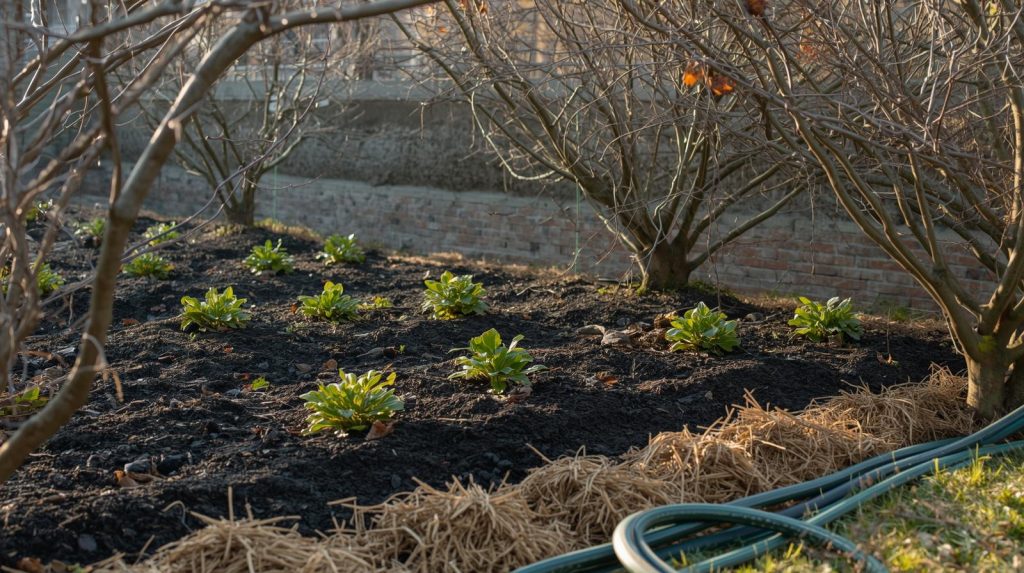
Understanding the critical role of water management during winter is essential for maintaining soil health and supporting regenerative processes, as freeze–thaw cycles cause substantial moisture fluctuations that impair microbial activity and plant resilience.
Proper moisture management involves monitoring soil moisture levels carefully, especially during periods of low precipitation or snow cover, to prevent desiccation or waterlogging. In cold, dry climates, scheduled winter watering may be necessary to sustain microbial populations and organic matter decomposition.
Snow functions as an effective natural reservoir, supplying moisture via gradual melting that facilitates nutrient cycling.
- Visualize snow accumulation absorbing ambient moisture, releasing gradually during thawing.
- Imagine soil moisture levels monitored via soil probes or moisture meters for ideal timing.
- Consider how freeze–thaw dynamics create surface cracks and subsurface drying.
- Envision strategic watering in dry spells, ensuring consistent moisture without oversaturation.
- Recognize soil structure stabilizing through proper moisture levels, fostering microbial stability.
Bonus: Simple Low-Tech Winter Bed Protection
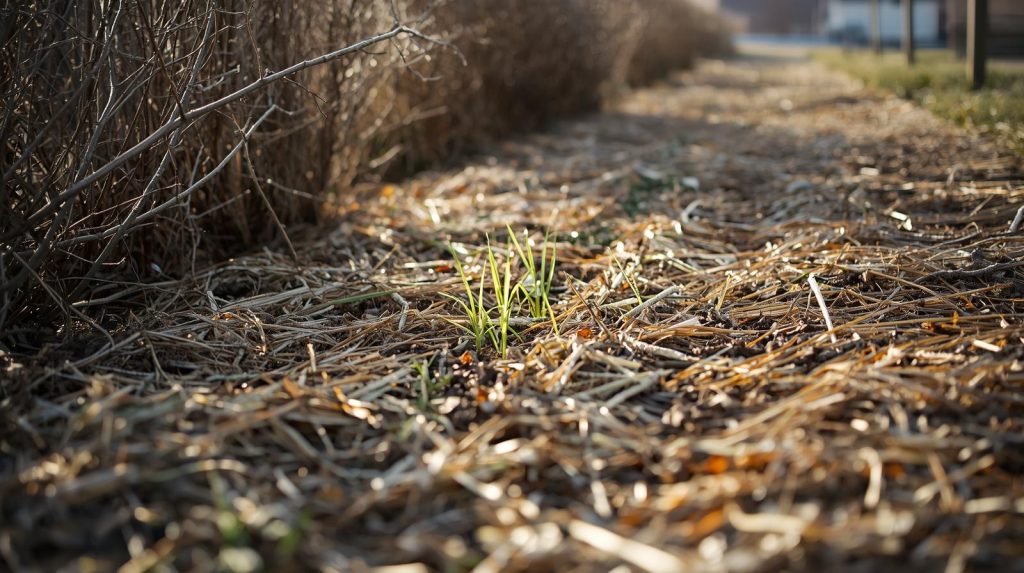
To effectively safeguard your garden beds against extreme cold and standardize microclimate conditions during winter, employing simple low-tech protection methods such as low tunnels, row covers, and leaf blankets offers an efficient, cost-effective solution that can be implemented without specialized equipment or electrical sources.
These techniques serve as effective means of winter protection by physically shielding microbial layers and plant tissues from harsh temperature fluctuations, thereby maintaining the necessary thermal insulation for microbial activity and root health.
Low tunnels made from flexible, durable materials can create a controlled microenvironment, while row covers and leaf blankets provide additional thermal buffering, reducing the impact of frost and wind.
These methods are easily adjustable, scalable, and suitable for integrating into larger regenerative bed management practices, ensuring consistent soil health during dormancy periods. Incorporating such sustainable gardening practices can further enhance your garden’s resilience and overall health amidst seasonal changes.
Frequently Asked Questions
How Do I Identify Which Crops to Remove Now Without Harming Soil Health?
Identify crops to remove based on their contribution to crop selection, considering whether they’re diseased, dead, or overly mature, which can hinder soil health by promoting pathogen buildup or nutrient depletion. Focus on removing those with signs of disease, pest infestation, or poor performance, while leaving residue from companion plants or cover crops that enhance soil biology. This approach minimizes disturbance, preserves microbial networks, and optimizes conditions for nutrient cycling and soil regeneration.
Can Compost Be Applied in Winter if the Ground Is Frozen?
During winter, compost application is feasible if the ground isn’t entirely frozen; strategies involve top-dressing compost in layers that don’t penetrate the soil during deep freeze periods, acknowledging microbial activity reduction in cold temperatures. It’s essential to avoid mixing compost into frozen soil, as incomplete decomposition occurs. When soil thawing begins, the compost can integrate more effectively, promoting soil biology and organic matter development in preparation for spring planting, aligning with principles of winter composting and regenerative soil management.
What Are the Best Mulches for Different Soil Types in Winter?
For ideal winter mulching, select materials tailored to your soil’s temperature range, ensuring insulation at different soil types. For sandy soils, use straw or pine needles, as they retain heat and promote moisture retention. Whereas for clay soils, opt for leaves or wood chips, which regulate soil temperature more effectively, preventing frost penetration. Incorporating an understanding of soil thermal properties, mulching layers should be adjusted in depth to maintain consistent soil temperature while avoiding excess moisture accumulation that can lead to compaction or anaerobic conditions.
When Is the Ideal Time to Overseed Cover Crops for Winter Survival?
The ideal timing for overseeding cover crops for winter survival typically occurs from late November to early December, aligning with the period when soil temperatures remain above 40°F for at least 10 consecutive days. This temperature range guarantees seed germination and root establishment prior to severe cold, with seed placement following specific depth guidelines (1–2 inches) to promote microbe interaction and protect against winter desiccation, enhancing overwintering success and soil regeneration.
How Do I Prevent Pests From Overwintering in Garden Beds?
To prevent pests from overwintering in garden beds, you should implement targeted pest management strategies by removing plant debris and crop residues, which serve as overwintering sites for pests; applying organic mulches, such as straw or leaf mulch, to create a physical barrier; incorporating soil amendments that promote microbial activity, which enhances natural pest suppression; and utilizing resistant plant varieties to disrupt pest lifecycle continuation. Regular inspection and timely interventions are critical to maintaining effective pest management during dormancy.
Conclusion
By systematically implementing regenerative gardening winter practices during winter, you establish a resilient foundation that promotes nutrient cycling, enhances microbial activity, and safeguards soil integrity. This methodical process involves strategic crop removal, amendment application, and environmental protection measures, which collectively optimize conditions for spring growth. Maintaining detailed planning and execution throughout this dormant period guarantees sustained soil health, facilitating continued productivity and reducing the need for intensive interventions during the active growing season.