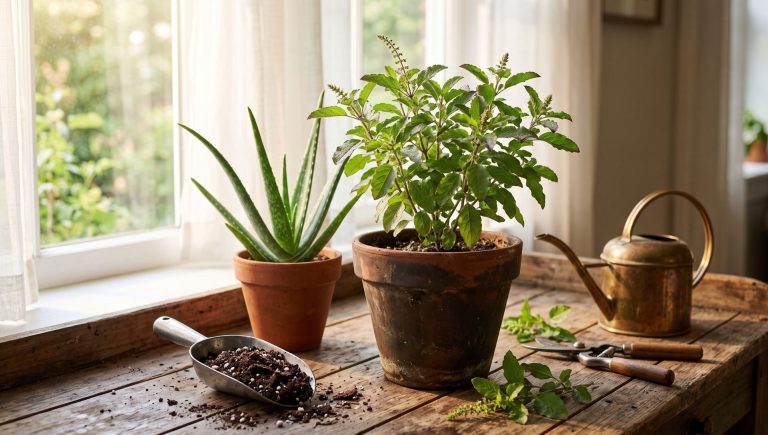
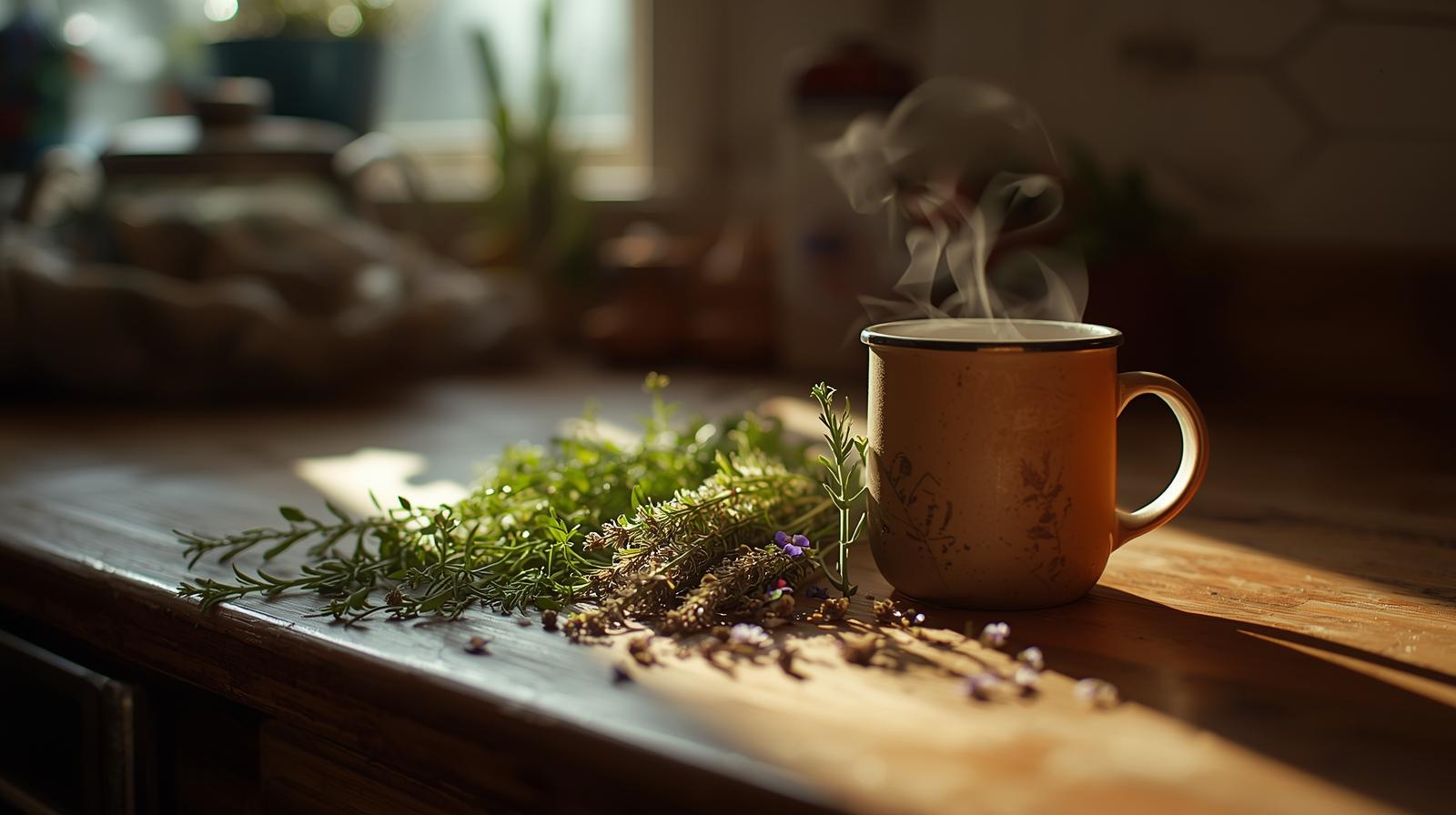
Winter has a certain heaviness to it — the slow mornings, the early sunsets, the air that feels drier than your houseplants’ crispy leaf tips. But winter can also be a deeply nourishing season… if you know how to support yourself from the inside out.
The secret? Plants. But not just the ones sitting in your living room. The ones you sip… sprinkle… steam… and grow indoors for wellness.
While the world outside rests, plant-based rituals bring color, vitality, and sensory comfort back into the season. Edible flowers brighten meals (and moods). Herbal infusions warm the nervous system. Fresh winter greens deliver the nutrients your body craves during cold months.
And the best part? You can grow many of these wellness allies right in your kitchen or windowsill, even in dark, cold climates.
This is your full guide to creating a winter plant-based wellness routine — simple enough for beginners, powerful enough to shift your mood, immune system, and energy all season long.
Why Winter Needs a Plant-Based Wellness Boost
Winter demands more from our bodies:
- Less sunlight → lower serotonin
- Dry indoor air → weakened immunity
- Heavier meals → sluggish digestion
- Cold weather → higher energy demands
- Longer nights → increased stress + fatigue
It’s no surprise many people feel tired, foggy, or unbalanced this time of year. Plants — especially herbs, flowers, and greens — counteract winter stress with color, aroma, antioxidants, warmth, chlorophyll, and minerals.
- Emotional Support. Colorful edible flowers and aromatic herbs lift the mood and soothe the nervous system.
- Immune Strengthening. Vitamin-rich greens, herbal tonics, and flower-infused honey help the body stay resilient in cold months.
- Improved Digestion. Herbs like mint, sage, and rosemary support metabolism and ease heavy winter meals.
- Hydration & Skin Support. Warm infusions keep hydration steady — a winter essential.
- Freshness & Color Therapy. Plants reintroduce brightness, flavor, and sensory comfort into winter’s muted palette.
Winter wellness isn’t about supplements — it’s about inviting the living energy of plants into your daily rhythm.
Related Post: Fermentation for Beginners: Sauerkraut, Kombucha & Beyond
Pillar 1: Edible Flowers for Winter Wellness

Winter can feel muted — the colors fade, the skies dim, and the world settles into shades of gray. Edible flowers bring that missing brightness back into your daily rhythm, not just visually, but emotionally and nutritionally. They are one of the most underrated (yet easiest) plant-based wellness tools you can add to your winter routine.
Best Edible Flowers You Can Grow Indoors
1. Calendula
- Anti-inflammatory
- Heals skin + soothes digestion
- Bright orange petals = pure winter joy
2. Viola / Pansy
- Gentle flavor
- Packed with anthocyanins (mood-lifting pigments)
- Thrives in cool temperatures
3. Nasturtium
- Peppery taste
- Vitamin C powerhouse
- Great for immune support
4. Chamomile
- Nervous-system calming
- Winter sleep support
- Perfect for evening infusions
Wellness Benefits of Edible Flowers
- Reduce stress hormones
- Encourage emotional balance
- Provide gentle immune support
- Add antioxidants to your meals
- Provide visual therapy (color = dopamine)
- Winter feels less dull when your meals look like a tiny garden.
How to Use Edible Flowers Daily
- Add them to tea infusions
- Make flower-infused honey
- Use fresh in salads
- Freeze into floral ice cubes
- Add to bathwater for a spa-like ritual
- Use as a topping for oatmeal, yogurt, or soups
They’re beautiful, medicinal, and grounding — the perfect winter companion.
Indoor Growing Tips for Edible Flowers
- Light: bright light or LED strips
- Water: moist but not soggy
- Soil: airy, well-draining potting mix
- Temperature: 60–70°F
They thrive on windowsills or under small grow lights.
Related Post: 7 Winter Houseplants That Heal Emotional Stress and Bloom All Season
Pillar 2: Herbal Infusions for Winter Warmth & Healing
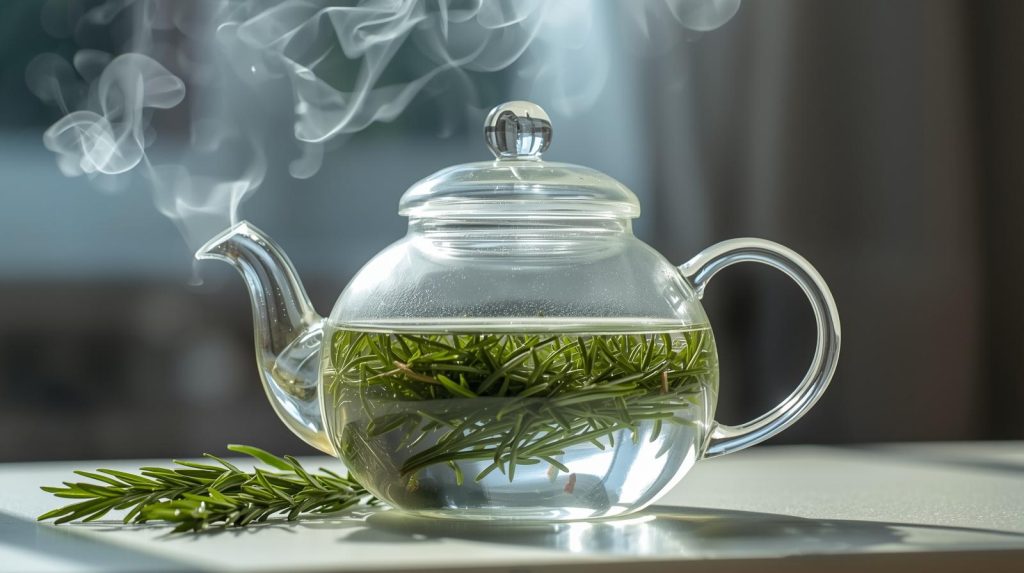
If edible flowers bring color to winter wellness, herbal infusions bring the warmth. They’re comforting, aromatic, deeply restorative — the kind of plant medicine your body instinctively craves when the air turns dry and the days turn short.
And the best part? You can grow nearly all of these herbs indoors with just a sunny windowsill or a small grow light.
No products found.
Best Herbs to Grow Indoors in Winter
- Mint: Digestive support, sinus clearing.
- Lemon Balm: Stress-soothing, mood-calming.
- Rosemary: Focus-enhancing, improves circulation.
- Thyme: Respiratory hero — great for cough season.
- Sage: Antimicrobial, grounding.
- Tulsi (Holy Basil): Adaptogenic, supports emotional resilience.
These herbs love cool temperatures and grow happily in kitchens with partial light.
Benefits of Herbal Infusions
- Support winter immunity
- Promote calmness (Lemon balm, chamomile)
- Clarify the mind (Rosemary)
- Ease digestion after heavy meals (Mint, sage)
- Warm the body
- Improve sleep patterns
- Reduce winter anxiety
Herbs bring warmth back to cold, sleepy systems.
Easy Daily Rituals Using Herbal Infusions
- Morning: Mint or rosemary steam to clear sinuses or Tulsi tea to awaken clarity
- Afternoon: Thyme + lemon infusion or Mint + calendula digestion tonic
- Evening: Chamomile + lemon balm sleepy blend or Warm sage honey spoon before bed
These rituals center the mind and nourish winter physiology.
Growing & Harvesting Tips
- Place herbs near a bright kitchen window
- Prune regularly to encourage bushy growth
- Avoid overwatering (common winter mistake)
- Use LED strip lights if needed
- Harvest small sprigs, not whole stems
Herbal infusions remind you that even in winter, warmth and vitality are never far — they’re right in your teacup.
Pillar 3: Fresh Winter Greens for Mood & Immunity
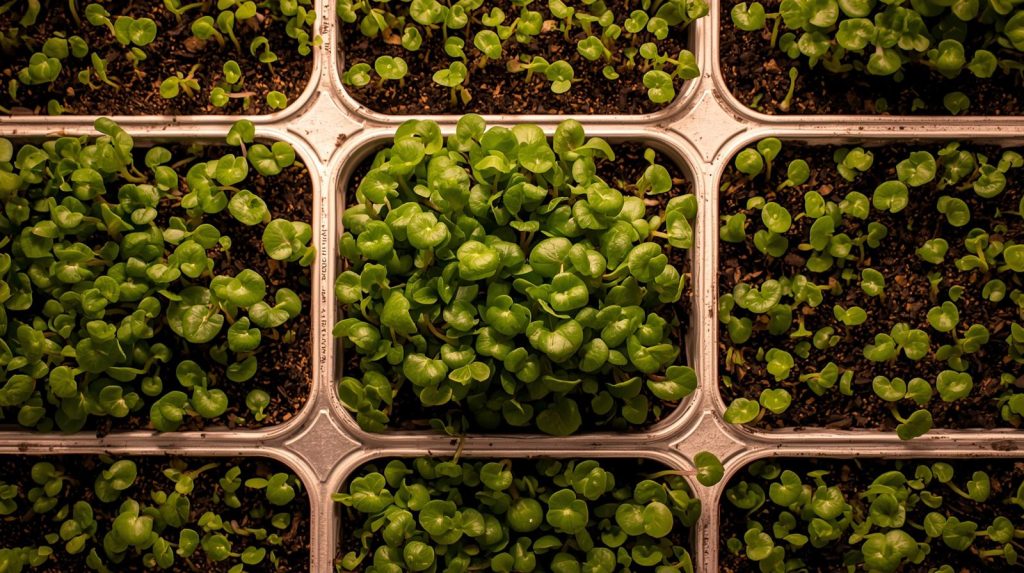
If edible flowers brighten winter and herbal infusions warm it, then fresh winter greens energize it. Greens are the living heartbeat of a winter wellness routine — crisp, vibrant, nutrient-dense, and surprisingly easy to grow indoors even when outdoor gardens sleep under frost.
Fresh greens bring chlorophyll, vitamins, minerals, and enzymes that your body craves during the dark months. They help counterbalance heavy holiday dishes, improve digestion, and reawaken a sluggish winter metabolism. Microgreens especially are tiny nutritional powerhouses — delivering up to 40 times the nutrient density of mature greens. They’re like little bursts of life when everything else outside feels dormant.
Growing winter greens indoors doesn’t require special equipment. A shallow tray, a bit of soil, a sunny window (or a budget LED strip), and a few seeds are enough to grow trays of microgreens, baby lettuce, arugula, spinach, or wheatgrass right on your countertop. Most varieties are ready to harvest in 7–14 days, making them incredibly rewarding for beginners or anyone craving fresh food in cold climates.
Related Post: Winter Composting: How to Keep the Pile Alive in the Cold
Easiest Greens to Grow Indoors in Winter
Microgreens: Quickest, most nutrient-dense, easy under grow lights. Varieties:
- Radish
- Broccoli
- Kale
- Arugula
- Sunflower
Spinach: Tolerates cool temperatures. Great for salads & smoothies.
Lettuce: Baby leaves grow well on windowsills.
Arugula: Peppery, bright — wonderful for winter energy.
Wheatgrass: Perfect for shots or blending into smoothies.
Asian greens (tatsoi, mizuna): Fast-growing, perfect for winter stir-fries.
Why Greens Support Winter Wellness
- High antioxidant content
- Vitamin C, K, B-complex for energy & immunity
- Chlorophyll = natural mood-lifter
- Fiber for gut health
- Hydration + micronutrients your body craves
Winter days feel instantly fresher with green food.
How to Grow Greens Indoors on a Budget
- Use recycled containers (take-out trays, jars, tins)
- A simple LED strip light can grow microgreens
- Keep soil shallow for microgreens & lettuce
- Water lightly, never saturate
- Harvest every 7–14 days
Indoor greens are fast, beginner-friendly, and wonderfully rewarding.
No products found.
How to Use Greens in Your Winter Meals
- Add microgreens to bowls
- Blend wheatgrass into smoothies
- Toss spinach into soups
- Make an arugula “warm salad” with roasted veggies
- Use fresh greens as a topper for rice bowls
Fresh greens don’t just nourish your body; they remind you that growth never truly stops. Not outside… and definitely not inside your home. You’ll feel the energy difference immediately.
Related Post: 10 Winter Greens That Boost Mood and Immunity
Daily Winter Wellness Ritual
Winter wellness isn’t about adding more tasks to your day — it’s about creating tiny rituals that reconnect your mind, body, and senses to something grounding. Plants make this incredibly easy. Whether you’re sipping a warm infusion or sprinkling microgreens on your lunch, these moments become anchors of calm during the coldest, darkest weeks of the year.
Think of your daily winter routine as a gentle, plant-led rhythm:
Morning: Awakening + Warmth
Begin with something soothing — maybe a warm mint or tulsi tea to open your breathing and brighten your mood. Add a spoonful of calendula honey or a few pansy petals to your oatmeal. These small splashes of color remind you that winter doesn’t have to be dull. If you have time, a 2-minute rosemary steam clears your mind for the day ahead.
Afternoon: Re-Energize + Reset
Midday dips hit harder in winter. A quick thyme + lemon infusion supports immunity, while a microgreen salad or wrap replenishes energy without weighing you down. Add edible flowers to your water or herbal ice cubes for a playful lift.
Evening: Slow Down + Restore
This is your plant-powered exhale. Brew a calming chamomile–lemon balm tea, drizzle lavender or flower-infused honey, and sip slowly. A warm herbal bath or floral steam melts tension and prepares your nervous system for deep rest.
These rituals don’t just support wellness — they turn winter into a season of intentional beauty and nourishment.
Winter Wellness Recipes

One of the most beautiful parts of a plant-based winter routine is how practical and comforting the recipes are. They’re not complicated; they’re grounding. Every sip, drizzle, or sprinkle becomes a moment of warmth in a season that often feels cold and heavy. These recipes are designed to support immunity, calm your nervous system, brighten your meals, and bring a little plant magic back into your everyday rhythm.
No products found.
1. Calendula Immune Honey
- 1 cup raw honey
- ¼ cup dried calendula
- Infuse 2–4 weeks (or lightly warm for quick use)
This is sunshine in a jar. Calendula petals infuse raw honey with anti-inflammatory and immune-supportive properties. Simply pack a small jar with dried petals, pour honey over, and let it infuse for 2–4 weeks (or warm gently for quick use). Stir into tea, drizzle over yogurt, or take a spoon before bed. Perfect for sore throats + winter immunity.
2. Lemon Balm Sleep Tea
- 1 tbsp lemon balm
- 1 tsp chamomile
- 1 cup hot water
Lemon balm is one of winter’s best allies. Combine 1 tablespoon fresh lemon balm with 1 teaspoon chamomile, steep 10 minutes, and sip slowly. Perfect for quiet evenings when your mind refuses to unwind.
3. Nasturtium Microgreen Salad
- Handful microgreens
- Sliced apple
- Lemon + olive oil drizzle
Peppery, bright, and packed with vitamin C. Toss microgreens with thin-sliced apple, olive oil, lemon, and a few edible flowers. It’s freshness in the middle of winter. Bright, crisp, immune-supporting.
4. Rosemary Steam Ritual
- 1 sprig rosemary
- Hot bowl of water
For sinus relief, add a sprig of rosemary to a bowl of hot water. Lean in, breathe deeply, and feel your whole chest open.
5. Chamomile Sleep Latte
- Chamomile tea + frothed milk
- Honey + vanilla
Soothing, warming, deeply cozy. Chamomile tea blended with warm frothed milk, honey, and vanilla. A gentle hug in a cup — perfect for long winter nights.
Growing Setup Guide: Light, Pots, Soil & Harvesting
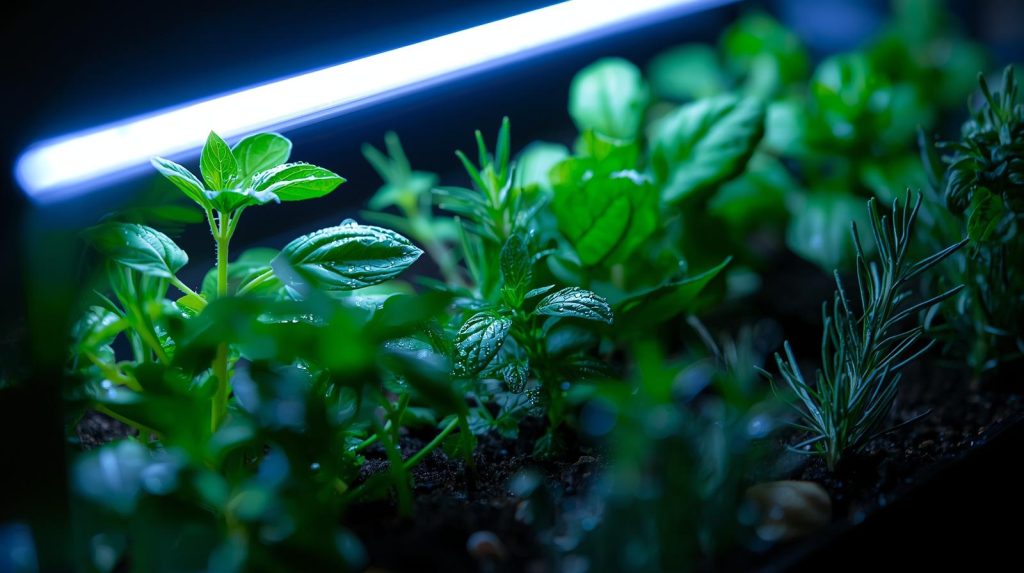
Growing edible flowers, herbs, and winter greens indoors doesn’t require a big budget or a greenhouse — just a few thoughtful pieces that create a micro-ecosystem your plants can thrive in during the darkest months. Winter is about stability: steady light, consistent moisture, good airflow, and the right soil structure.
Light
Most winter edible plants love bright, indirect light. But since winter sun is weak, a simple full-spectrum LED strip or clamp grow light makes all the difference. Place it 6–12 inches above your plants and set a timer for 10–12 hours a day. This mimics the long daylight hours they need for steady winter production.
No products found.
Soil
Use a light, well-draining potting mix for herbs and flowers — something airy enough to prevent root rot in slow-drying winter conditions. For microgreens, shallow trays with seed-starting mix work perfectly. Avoid heavy garden soil indoors — it compacts easily and encourages mold.
Pots & Containers
Choose pots with good drainage. Terra-cotta is great for airflow, while recycled jars or trays work beautifully for microgreens (just poke a few holes). Keep plants spaced out so air can circulate.
Watering & Harvesting
Water sparingly — winter growth is slower. Harvest gently: snip herbs just above a leaf node, pinch flower heads as they bloom, and cut microgreens at soil level.
The goal isn’t perfection — it’s creating a small, thriving wellness garden that supports you all winter long.
Related Post: Cold-Climate Indoor Grow Hacks: Light, Humidity & Care Tips for Dark Winter Months
Conclusion — Winter Wellness Begins With Plants
Winter doesn’t have to be a season of heaviness. With edible flowers for joy, herbs for warmth, and greens for vitality, you can build a home-based wellness routine that carries you through the darkest months with color, comfort, and calm.
Plants remind us that even in the coldest seasons, life continues quietly, gently, beautifully. Try starting with one edible flower, one winter herb, and one small tray of greens. Let your wellness routine grow the same way plants do — slowly, whole-heartedly, and with intention.
Which plant are you adding to your winter wellness ritual first?