
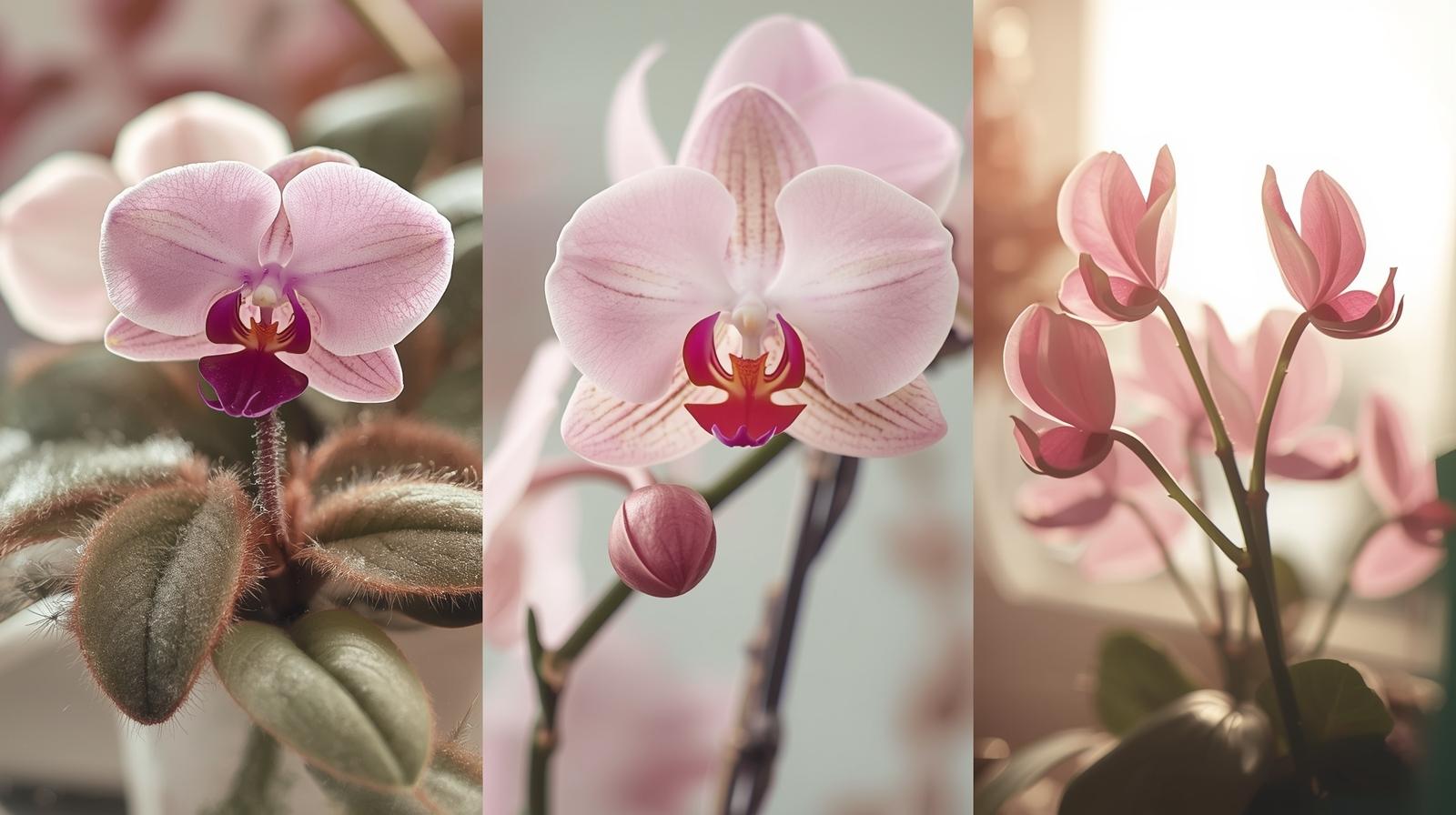
There’s something about winter that tests the spirit. The air grows sharp, the daylight disappears by five, and even the most vibrant rooms can start to feel gray. But here’s the quiet miracle: when the world outside slows down, some plants wake up. They bloom right through the cold—petals opening against the frost—filling our homes with color, oxygen, and emotional warmth. These winter flowering plants aren’t just pretty décor. They’re mood stabilizers, energy balancers, and subtle healers.
Let’s meet seven houseplants that don’t just survive the season—they help you do the same.
1. African Violet (Saintpaulia) — The Plant of Peace and Protection
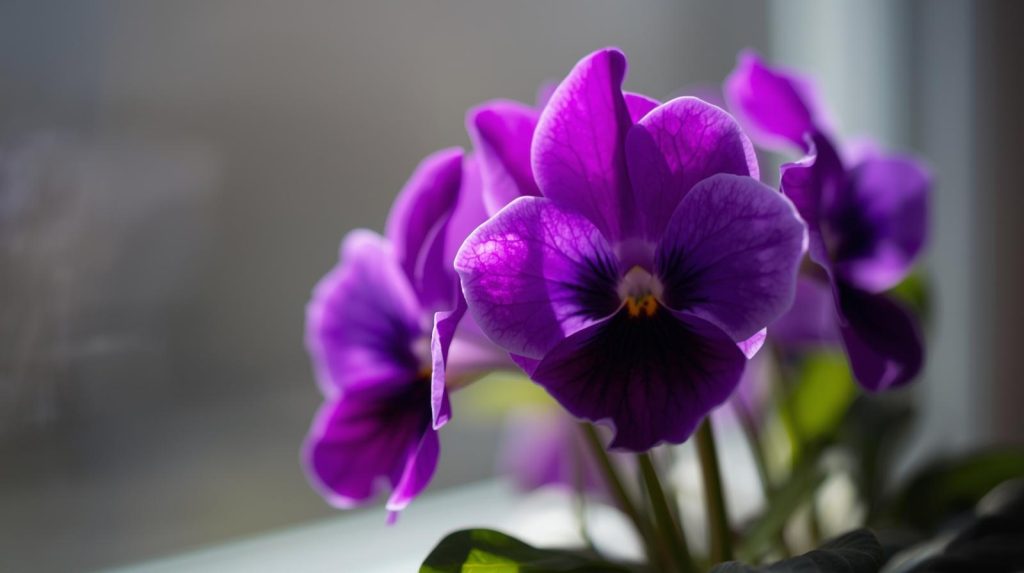
There’s something magical about an African Violet on a winter windowsill. The way its velvety leaves shimmer under soft morning light, or how its delicate blooms seem to glow like candle flames against the cold. In the quiet of January, when the world outside feels frozen and gray, this little plant offers one of nature’s simplest comforts: living color that never gives up.
Spiritual Meaning & Emotional Healing
In the Victorian language of flowers, the African Violet symbolized faithfulness and devotion—values that still resonate deeply in times when many of us feel scattered and disconnected.
Spiritually, this plant is considered a gentle guardian of emotional peace. Its energy calms anxious thoughts, encourages compassion, and creates a feeling of spiritual protection within the home.
In Feng Shui, it harmonizes the energy of a space when placed in the East (Family & Health) area for stability or the Southeast (Wealth) area to attract abundance and harmony.
Energetically, it aligns with the Third Eye and Crown chakras, helping you stay centered and open to intuition during emotionally heavy months.
The African Violet’s presence brings a sense of balance to winter’s mental fog — a reminder that healing doesn’t always look grand. Sometimes it’s just a soft bloom on your desk reminding you that light still exists.
“When African Violets bloom, even the air feels calmer — as if the room itself is exhaling.”
Science-Backed Calm
Beyond its beauty, there’s real science behind the violet’s serenity. Studies on color psychology show that violet hues stimulate the parasympathetic nervous system, slowing heart rate and lowering stress hormones.
And according to NASA’s Clean Air Study, African Violets gently improve indoor oxygen levels, making them ideal companions for small winter apartments where ventilation is limited. In other words, they don’t just look peaceful — they help create peace.
Winter Care (November–February)
Caring for an African Violet in winter is simple once you tune into its rhythm.
Light: Give it 10–12 hours of bright, indirect sunlight daily. Place it near an east or north-facing window, where light is gentle but consistent. If you notice the leaves stretching or fading, supplement with a small LED grow light for 6–8 hours.
Water: This is the golden rule: bottom watering only. Fill a saucer and let the soil absorb moisture for about 20 minutes, then pour out any excess. Use room-temperature water, as cold water shocks the roots and causes leaf spotting. During winter, water every 5–7 days, allowing the top inch of soil to dry slightly between sessions.
Temperature & Humidity: Keep your violet in a cozy zone — ideally 65–75°F, away from cold drafts or heat vents. Humidity is key for vibrant blooms; aim for 50–60%. If your air is dry, set the pot on a pebble tray filled with water (but keep the roots above the line).
Blooming Tips: Feed with a diluted African violet fertilizer every two weeks through winter. Gently remove spent blooms to encourage continuous flowering, and rotate the plant weekly for even light exposure.
🌸 Little ritual: Every Sunday, when you water it, take a breath and set an intention — gratitude, patience, peace. The plant will mirror that energy right back to you.
2. Cyclamen (Cyclamen persicum) — The Flower of Resilience and Joy
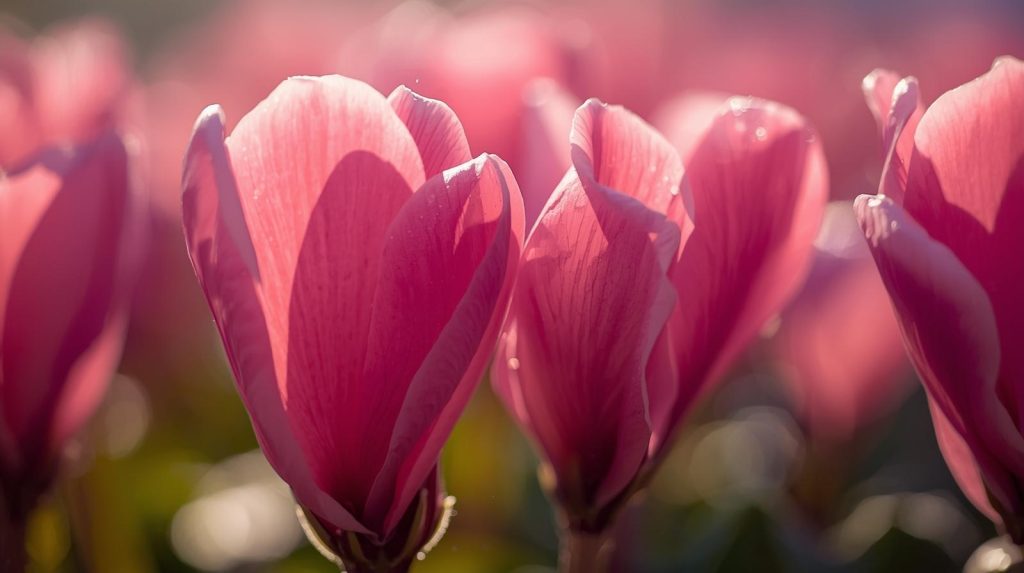
If there were ever a plant that embodies winter’s quiet beauty, it’s the Cyclamen. When snow piles on window ledges and the garden sleeps under frost, these blooms rise with a defiant grace — pink, white, or crimson petals turned upward as if reaching for light that others have forgotten.
The Cyclamen doesn’t just grow in winter; it thrives in it. And that’s why it’s often called the optimist’s flower — a living metaphor for resilience, rest, and renewal.
Spiritual Meaning & Emotional Healing
In ancient Greece, Cyclamen was sacred to Hecate, goddess of transformation and the unseen cycles of nature. It was planted near homes to invite protection and renewal — and even now, its core energy still carries that symbolism.
Each bloom represents the rhythm of life — a reminder that joy, like light, always returns after darkness. The heart-shaped leaves are a quiet nudge to stay kind with yourself, while the petals that rise skyward remind you to keep your spirit lifted, even when energy runs low.
In the heart chakra, Cyclamen opens space for compassion, self-acceptance, and gentle optimism. It’s the perfect plant to keep near your reading chair, workspace, or meditation nook — anywhere you need a daily reminder to breathe deeply and start again.
“Cyclamen doesn’t chase light — it becomes it.”
Science-Backed Benefits
The beauty of Cyclamen goes far beyond symbolism. Researchers at the University of Essex found that exposure to vibrant pink and red hues during darker months can naturally elevate serotonin levels — the body’s happiness chemical.
Cyclamen’s blossoms also subtly improve air quality, and its cool-weather tolerance makes it a sustainable alternative to high-maintenance tropical plants. In short, it’s both an emotional and environmental healer.
A single pot by your window can do what even bright lamps can’t — reintroduce a sense of color therapy and lighthearted energy into the long, muted stretch of winter.
Winter Care (November–February)
Light: Place your Cyclamen in bright, indirect light for 4–6 hours daily. East or north-facing windows are perfect. Too much afternoon sun can scorch the delicate leaves, so filtered light is best.
Temperature: Cyclamen adores cool air — ideally between 50–65°F — making it one of the few houseplants that feels at home in winter. Avoid placing it near heaters, radiators, or stoves.
Watering: Cyclamen’s tuber stores energy, so it prefers consistent but careful moisture.
- Water from the bottom or around the pot’s edges — never directly onto the crown or tuber, which can rot.
- Keep soil evenly moist but not soggy.
- Use room-temperature water, and drain any excess after 20 minutes.
In winter, watering every 3–4 days works beautifully if your home is warm and dry.
Humidity: Moderate humidity (40–50%) keeps leaves lush. If air feels too dry, use a shallow pebble tray — it mimics morning dew.
Blooming Tips:
- Remove spent flowers and yellow leaves by twisting gently at the base.
- Feed with a half-strength liquid fertilizer every two weeks during blooming.
- Regular “deadheading” encourages new buds to form, often extending the bloom period well into March.
Emotional Reflection
Cyclamen is more than a flower; it’s a lesson in sustainable joy. Its life cycle teaches that rest is not the end — it’s preparation for another burst of color. When you sit near one, watching petals curl like little hearts, it reminds you: even the gentlest beauty can hold incredible strength.
“The Cyclamen thrives in the chill — proof that joy can bloom in unlikely seasons.”
3. Christmas Cactus (Schlumbergera) — The Legacy of Light
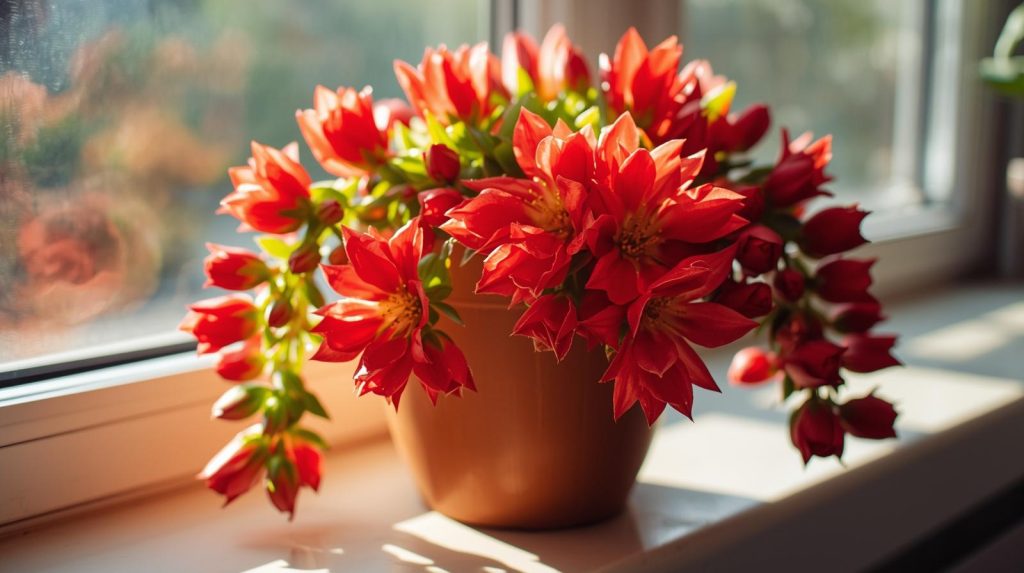
There’s a special kind of magic in seeing a Christmas Cactus burst into bloom right when the world outside feels its darkest. While other plants rest through the cold, this one chooses December — that reflective, soulful time of year — to put on its best display. Cascades of pink, red, or coral flowers spill over like garlands, softening window ledges and coffee tables with color.
The Christmas Cactus isn’t just a houseplant; it’s a symbol of endurance and family legacy. Many of these plants are passed down through generations, quietly thriving for decades — sometimes even a century — connecting families through care and memory.
Spiritual Meaning & Emotional Healing
Spiritually, the Christmas Cactus holds an energy of gratitude, resilience, and continuity. Its story begins in the humid forests of Brazil, where it grows on trees, catching dappled sunlight through branches — thriving high above the ground in places others couldn’t survive.
In spiritual practice, it’s seen as a “bridge plant” — one that teaches us how to adapt and bloom even in unfamiliar conditions. Its energy resonates with the heart and solar plexus chakras, helping transform restlessness into stability, and doubt into grounded joy.
In Feng Shui, placing a Christmas Cactus in the south or southeast area of the home symbolizes celebration, abundance, and renewal.
Its winter blossoms align beautifully with the season’s themes of reflection, family gathering, and light emerging from darkness.
“It reminds us that even during our longest winters, life is quietly preparing to bloom again.”
Science-Backed Calm
From a wellness standpoint, this plant is a gift. Studies on biophilic interiors show that exposure to living, blooming plants during winter reduces cortisol levels by up to 37% and improves mood stability.
The Christmas Cactus, with its long bloom period and sculptural shape, brings that effect naturally. Its ability to tolerate cool rooms also means it helps balance indoor humidity— a subtle but powerful factor for comfort and respiratory health during dry months.
And the colors? Bright reds and pinks are known to stimulate dopamine and warmth in the human brain — nature’s version of turning up the emotional thermostat.
Winter Care (November–February)
Light: Keep your Christmas Cactus in bright, indirect light year-round. To trigger blooms, it needs about 12–14 hours of darkness nightly in late October for 3–4 weeks — a little “rest” period that mimics natural forest rhythms.
Watering: During bloom, water every 5–7 days when the top inch of soil feels dry. After blooming, reduce watering slightly. Never let it dry completely or sit in standing water — both stress the roots.
Temperature: Ideal range: 60–70°F while flowering. To set buds, keep it slightly cooler (around 50–55°F) in the pre-bloom period.
Humidity: Prefers 50–60%. Mist gently or place on a pebble tray — just enough to mimic the moisture of its tropical roots.
Blooming Tips:
- Feed with diluted cactus fertilizer every 2–3 weeks during blooming.
- Avoid moving the plant once buds appear — even small changes can cause bud drop.
- After blooming, let it rest in a cool, shaded corner for a few weeks.
🌺 Bloom lifespan: Each flush lasts 6–8 weeks — sometimes longer if light and moisture stay balanced.
Emotional Reflection
The Christmas Cactus teaches something precious: that endurance can be gentle. It doesn’t demand sunlight or constant warmth. It simply adapts, gathering strength in the shadows, and when the time feels right — it blossoms, unapologetically.
That’s why so many families call it their “grandmother plant.” It carries stories, memories, and quiet resilience — proof that love, like color, always returns.
“Its patience teaches us: even long waiting seasons end in bloom.”
Related Video: 7 Spiritual Plants That Protect Your Home This Winter.
4. Anthurium (Anthurium andraeanum) — The Heart Healer
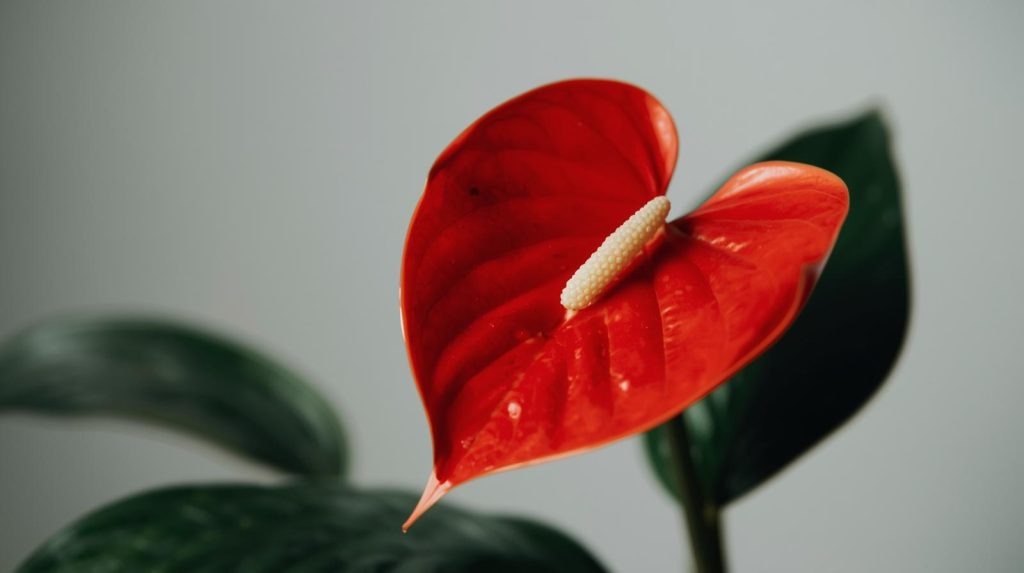
Some plants radiate beauty. Anthurium radiates presence. Its glossy, heart-shaped blooms look almost sculpted — polished to a quiet shine that reflects candlelight and sunlight alike. In the dull hush of winter, an Anthurium sitting on your table feels like a heartbeat — slow, steady, alive.
Native to tropical rainforests, Anthurium is often called the “Flamingo Flower”, but in truth, it’s more of a Heart Flower — soft yet strong, graceful yet grounded. It doesn’t simply decorate a space; it changes its energy.
Spiritual Meaning & Emotional Healing
In Hawaiian tradition, Anthurium represents the Aloha Spirit — a philosophy of unconditional love, kindness, and joyful connection.
Its heart-shaped spathes (the colorful “flowers”) make it a natural heart-chakra activator, helping to open emotional blockages and invite compassion.
If winter leaves you feeling withdrawn, Anthurium gently reverses that contraction. It invites warmth where cold has crept in — not just physically, but emotionally too.
In Feng Shui, Anthurium carries dual blessings:
- Place it in the Southwest corner of your home to attract romantic harmony and heartfelt communication.
- Place it in the Southeast corner to draw abundance and joyful connections.
Its steady bloom cycle — often flowering up to nine months a year — mirrors emotional endurance. It reminds us that love, in all its forms, isn’t fleeting. It’s something we can cultivate through consistency, presence, and care.
“Its heart-shaped bloom is a daily whisper: Love is still growing here.”
Science-Backed Benefits
From a wellness perspective, Anthurium is as functional as it is beautiful. NASA’s famous Clean Air Study confirmed that it effectively removes formaldehyde, xylene, toluene, and ammonia — pollutants often found in paint, cleaning agents, and synthetic fabrics.
Cleaner air contributes to better mental clarity and lower anxiety, especially in closed winter spaces where ventilation drops. A 2022 study from the Journal of Environmental Psychology even found that heart-shaped houseplants like Anthurium trigger measurable increases in oxytocin — the “bonding hormone” — simply because of their symbolic shape and color.
In short: Anthurium heals the air, the body, and the heart.
Winter Care (November–February)
Light: Bright, indirect light is best. East or north-facing windows work beautifully. In winter, when daylight wanes, move your Anthurium closer to the window or supplement with a soft LED grow light.
Watering: Keep the soil consistently moist but never soggy. Water once the top inch feels dry (usually every 5–7 days) and use filtered or distilled water, as Anthuriums are sensitive to minerals and fluoride.
Temperature & Humidity: Warm and humid — just like its rainforest origins.
- Ideal temperature: 65–80°F, never below 60°F.
- Humidity: 60–80% for optimal leaf gloss and bloom frequency.
Use a humidifier or pebble tray, and mist the leaves lightly 2–3 times a week in dry indoor air.
Blooming Tips:
- Feed monthly with a diluted, balanced liquid fertilizer.
- Wipe leaves weekly with a damp cloth to remove dust and enhance photosynthesis.
- Each flower lasts 2–3 months, and pruning spent blooms encourages steady reblooming.
Emotional Reflection
There’s something profoundly comforting about tending to an Anthurium in winter. It asks for attention — not too much, but just enough — and in return, it reminds you to slow down, breathe deeper, and keep your heart open.
Its beauty is both sensual and serene, its rhythm predictable yet full of surprise — like love itself. When the air outside feels brittle and hearts grow guarded, Anthurium stands tall, shining quietly, teaching you the language of warmth without words.
“The Anthurium doesn’t just grow — it glows. And in that glow, you remember how love feels when it’s steady.”
5. Kalanchoe (Kalanchoe blossfeldiana) — The Warrior of Winter
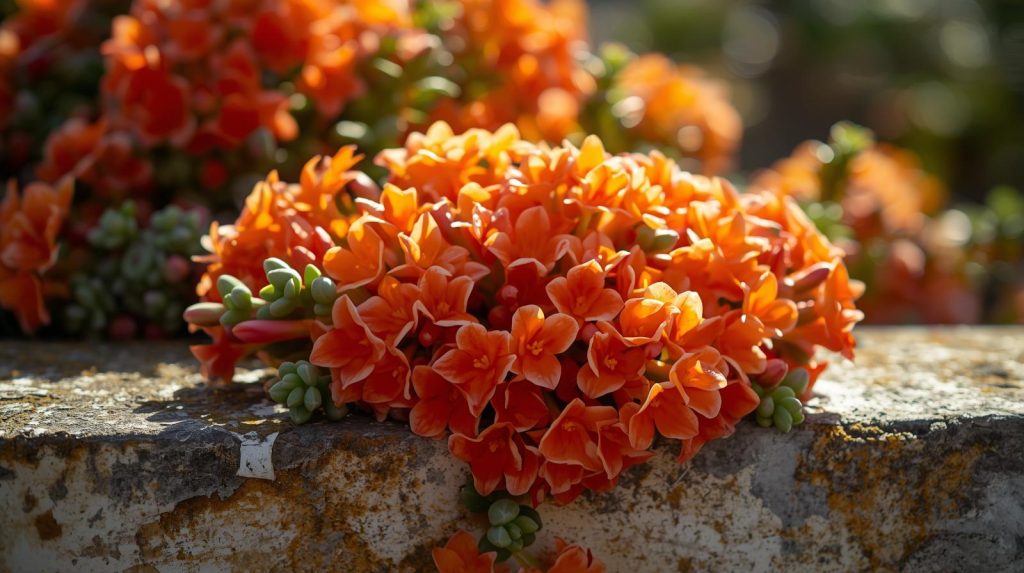
There’s a moment in every winter where you can almost hear the silence — the stillness between one breath and the next. It’s in that space that the Kalanchoe blooms.
Clusters of tiny orange, pink, or red flowers open like embers in the snow, lighting up corners that had forgotten warmth. While so many plants retreat from the cold, this little succulent reminds you that energy still flows, even when the world feels slow.
Kalanchoe doesn’t need pampering or perfection. It thrives on balance — a plant that teaches strength through simplicity.
Spiritual Meaning & Emotional Healing
Native to Madagascar, Kalanchoe carries the energy of endurance and inner power. Its thick, water-storing leaves tell a story of resilience — a quiet reminder that you, too, have everything you need to thrive, even in lean seasons.
Spiritually, it connects to the Solar Plexus Chakra, the center of confidence, motivation, and vitality. Whenever you’re feeling drained, a blooming Kalanchoe reawakens that inner fire.
In Feng Shui, it’s a plant of both practicality and prosperity:
- Place it in the North to enhance career growth and momentum.
- Place it in the Center for balanced health and emotional grounding.
Symbolically, Kalanchoe is the “warrior flower.” It doesn’t bloom because the conditions are easy — it blooms to prove that light still exists in every condition.
“When the Kalanchoe blooms, it’s like the earth whispering: You are tougher than the season.”
Science-Backed Benefits
Though small, Kalanchoe is a mighty contributor to indoor wellness. As a succulent, it naturally increases oxygen levels during the night — something most houseplants don’t do — which helps improve sleep quality and reduce stress hormones.
A study from Washington State University showed that working near succulents increases productivity and focus by up to 37%, thanks to subtle air purification and the calming geometric symmetry of their leaves.
Kalanchoe also emits a slow, steady humidity that benefits skin and respiratory comfort in dry winter environments. It’s like having a natural humidifier and mood booster in one neat little pot.
Winter Care (November–February)
Light: Kalanchoe loves sunlight — the stronger, the better. Give it 4–6 hours of direct light each day, preferably from a south or west-facing window. Unlike many flowering plants, it enjoys the crisp winter sun that streams through the glass.
Watering: Follow the succulent rule: less is more. Water deeply but infrequently — about every 10–14 days in winter — and allow the soil to dry completely between waterings. Use a pot with drainage holes and avoid misting, as it prefers drier air.
Temperature & Humidity: Keep it warm — 60–75°F is perfect. Kalanchoe tolerates dry air beautifully and needs no added humidity, making it ideal for heated homes.
Blooming Tips:
- Feed monthly with diluted succulent fertilizer during active bloom.
- After flowering, cut back stems to encourage regrowth.
- Allow 12–14 hours of darkness daily for two weeks in fall to set buds for winter.
- Each blooming period can last up to 6–8 weeks.
Emotional Reflection
Kalanchoe is a quiet teacher. It doesn’t rush, doesn’t demand, doesn’t wilt at the first hint of neglect. Instead, it saves its energy — and then one morning, when you least expect it, it erupts into color.
It’s a reminder that rest and resilience are not opposites. They are two sides of the same cycle.
And sometimes, the most healing thing you can do — like the Kalanchoe — is simply hold your light steady until it’s time to bloom again.
“It teaches you that endurance can be beautiful — and that patience is its own kind of power.”
6. Begonia (Rieger Begonia) — The Bloom of Gratitude
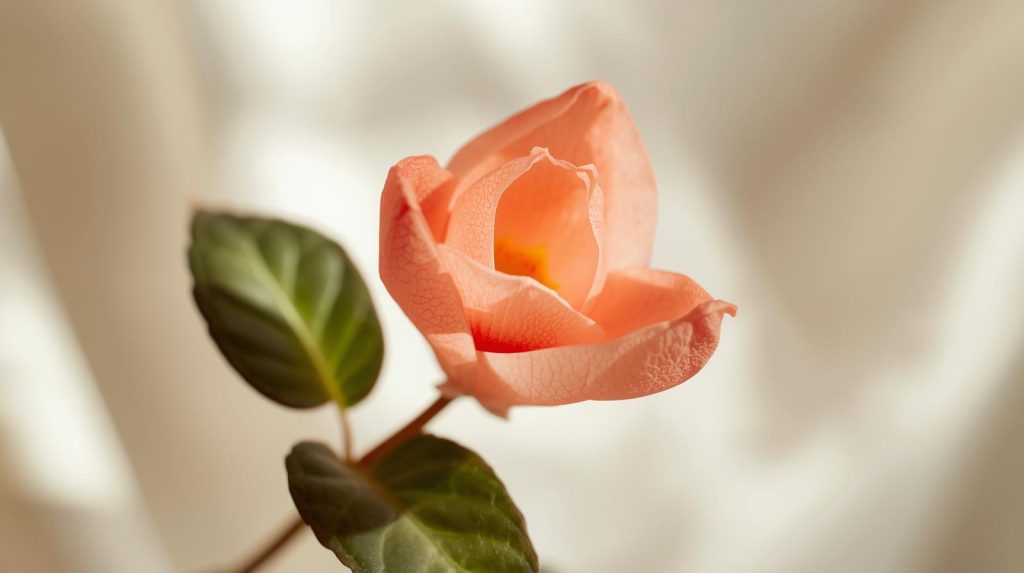
The first time you see a Rieger Begonia bloom in winter, it’s almost disorienting. Outside, the world is sleeping — trees bare, air muted — yet here is this little plant overflowing with color. Peach, coral, soft pink, and white petals spill over glossy green leaves, like the season forgot it was supposed to be quiet.
That’s Begonia’s secret: it doesn’t ask for the spotlight. It just chooses gratitude — blooming for the sheer joy of being alive.
Spiritual Meaning & Emotional Healing
In the Victorian language of flowers, Begonias symbolized “beware” — a cautionary note to tread carefully. But in modern energy work, that meaning has softened into something wiser: mindful awareness. Begonias remind us to slow down and notice — to find beauty in the present moment and gratitude in what we already have.
Spiritually, their energy is tied to the Divine Feminine — intuition, creativity, and gentle strength. They nurture the sacral chakra, helping us process emotions with grace rather than repression.
When placed in the East (Health) or Southeast (Wealth) corners of your home, Begonias infuse the space with renewal, optimism, and steady growth energy. They’re excellent plants for anyone healing from burnout, heartbreak, or simply emotional exhaustion.
“The Begonia doesn’t chase happiness — it grows it quietly, right where it stands.”
Science-Backed Benefits
Begonias aren’t just emotionally healing; they’re physically soothing too. Their lush green foliage filters toxins like benzene and formaldehyde, improving air quality in enclosed winter spaces.
A study by Kyoto University’s Horticultural Therapy Department found that people exposed to flowering Begonias experienced reduced heart rate variability — a physiological marker for lowered anxiety. Their colors, particularly coral and soft pink, stimulate the parasympathetic nervous system, creating calm alertness rather than fatigue.
Simply put: Begonias bring your body into the same harmony their blooms visually express.
Winter Care (November–February)
Light: Bright, indirect light works best. Place near an east-facing window for morning sun. Begonias need 12–14 hours of brightness to keep flowering through the darker months, so consider a soft LED grow light if daylight drops.
Watering: Keep soil evenly moist but never soggy. Water when the top inch feels dry — usually every 4–6 days — and always water at soil level to avoid wetting the leaves, which can cause mildew.
Temperature & Humidity: Begonias love stability. Keep between 65–72°F and avoid drafts or rapid temperature swings. Humidity should stay around 50–60%. A pebble tray helps, but avoid misting the foliage directly.
Blooming Tips:
- Feed every two weeks with a balanced liquid fertilizer (half strength).
- Remove spent blooms and pinch back leggy stems to maintain a compact shape.
- With consistent care, Rieger Begonias will bloom heavily from November to April.
Emotional Reflection
Tending to a Begonia in winter feels a little like keeping gratitude alive through the darker days. You water it, you adjust its light, and in return, it blooms in defiance of the gray. Its flowers are soft yet persistent — an echo of your own resilience when you choose mindfulness over rush, presence over pressure.
Begonias remind us that joy is rarely loud. It’s steady, quiet, and deeply grateful — just like their blooms that keep returning, season after season.
“Gratitude blooms quietly — but it changes everything it touches.”
7. Orchid (Phalaenopsis) — The Zen of Patience
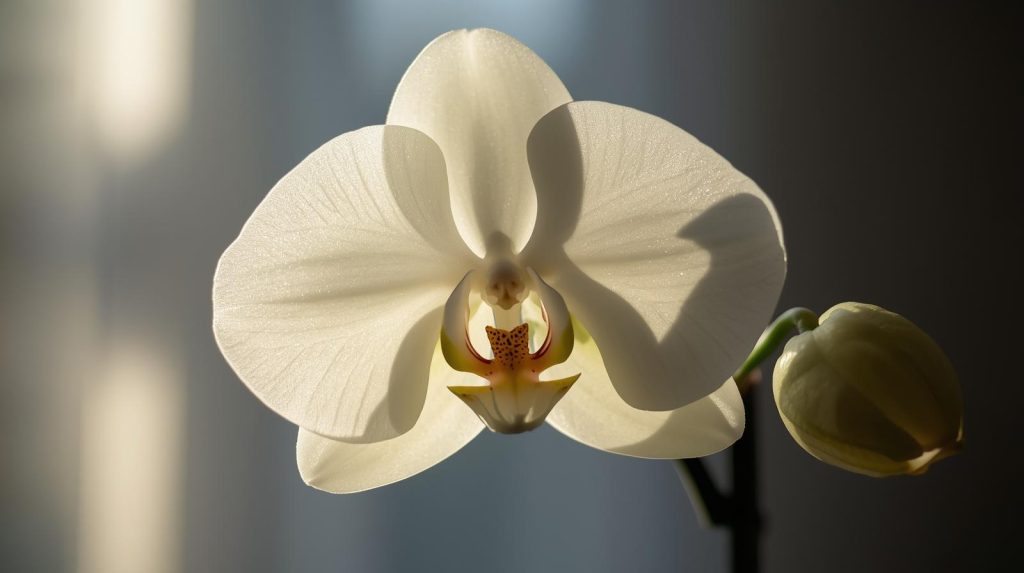
There’s a reason orchids feel sacred. Each bloom seems impossibly precise — as if drawn by an artist’s hand — and yet, it arrives from something so humble: a cluster of roots and air. In winter, when much of nature withdraws, the Phalaenopsis Orchid chooses to bloom, standing tall and still in its own slow rhythm. Its message is simple but profound: grace takes time.
Spiritual Meaning & Emotional Healing
Across cultures, orchids have always symbolized refinement, spiritual awareness, and balance. In ancient China, they represented integrity, friendship, and nobility of spirit. In Greek mythology, the name comes from orchis, meaning “testicle,” symbolizing fertility and life force — the deep root of creation itself.
But beyond history, the Orchid’s energy is about presence — quiet, deliberate, and pure. In the Buddhist tradition, it mirrors the path of enlightenment: steady growth through stillness, beauty born of patience.
Energetically, the Orchid resonates with the Crown Chakra, which governs spiritual connection and inner peace. Its gentle symmetry restores harmony in spaces that feel chaotic or overstimulated — making it perfect for meditation corners, bedrooms, or home offices where calm focus matters most.
In Feng Shui, the Orchid is believed to attract good relationships and creative inspiration. A white orchid brings purity and tranquility; pink invites joy and affection; purple enhances intuition and honor.
“The Orchid whispers what winter often forgets: that true beauty unfolds only when we stop rushing.”
Science-Backed Benefits
Scientifically, orchids are powerfully soothing companions. A 2020 study in the Journal of Environmental Psychology found that the visual complexity of orchids — their perfect symmetry and vibrant color contrast — triggers alpha brain waves, associated with meditation and calm concentration.
Unlike most plants, orchids perform photosynthesis differently, using Crassulacean Acid Metabolism (CAM) — meaning they absorb carbon dioxide at night, releasing oxygen as you sleep. This makes them excellent for bedrooms and relaxation spaces, supporting better sleep cycles and reduced nighttime anxiety.
And while their aesthetic elegance has long been celebrated, modern research also shows that maintaining flowering plants like orchids improves emotional resilience — offering a daily sense of reward and gentle responsibility that combats seasonal affective symptoms.
Winter Care (November–February)
Light: Bright, indirect light is essential. East-facing windows are ideal, or a shaded south window with filtered sunlight. You’ll know it’s happy when the leaves are bright green (dark = too little light; reddish = too much).
Watering: Orchids prefer rhythm over routine. Water once every 7–10 days during winter, or when roots turn silvery. A simple trick: use three ice cubes weekly for slow, steady moisture release — never let roots sit in standing water.
Temperature: They love consistency: 70–80°F by day, 60–65°F at night. A gentle 10–15°F temperature drop after sunset actually helps trigger blooming.
Humidity: Moderate to high — 50–70% keeps them vibrant. A pebble tray or small humidifier is perfect. Avoid misting flowers directly; droplets can cause spotting.
Blooming Tips:
- Feed weekly during blooming with a diluted orchid fertilizer (“weakly, weekly”).
- After flowers fade, cut the spike above the second node to encourage rebloom.
- Give the plant 8–12 weeks of rest before new spikes form.
- Repot every 2 years in orchid bark to refresh aeration.
Emotional Reflection
Tending to an orchid is less about gardening and more about meditation. You can’t rush and force it. You simply create the right conditions — light, patience, care — and it responds with quiet magnificence.
In many ways, the Orchid becomes a mirror. Its stillness asks: “Can you allow beauty to bloom in its own time?”
When its first flower opens — slow and deliberate — it feels like a reward for everything you’ve nurtured inwardly through the dark months.
“The Orchid teaches that growth doesn’t always mean doing more. Sometimes it means standing still long enough for grace to arrive.”
Related Post: Fall Planting Secrets That Guarantee Fresh Vegetables All Winter
Closing — Your Home as a Healing Garden
Winter doesn’t have to feel lifeless. With these seven companions, your space becomes a living ecosystem of color, scent, and spirit:
| Plant | Core Energy | Emotional Gift |
|---|---|---|
| African Violet | Peace & Protection | Anxiety relief, restful sleep |
| Cyclamen | Joy & Renewal | Emotional resilience |
| Christmas Cactus | Celebration & Hope | Patience, family bonding |
| Anthurium | Love & Warmth | Heart healing, compassion |
| Kalanchoe | Strength & Courage | Motivation, self-confidence |
| Begonia | Gratitude & Presence | Mindful calm |
| Orchid | Grace & Growth | Serenity, spiritual patience |
These aren’t just seasonal flowers—they’re emotional allies. Tend to them, and they’ll remind you of your own resilience through the darker months.
💜 “Your garden isn’t outside—it’s wherever you choose to grow peace.”