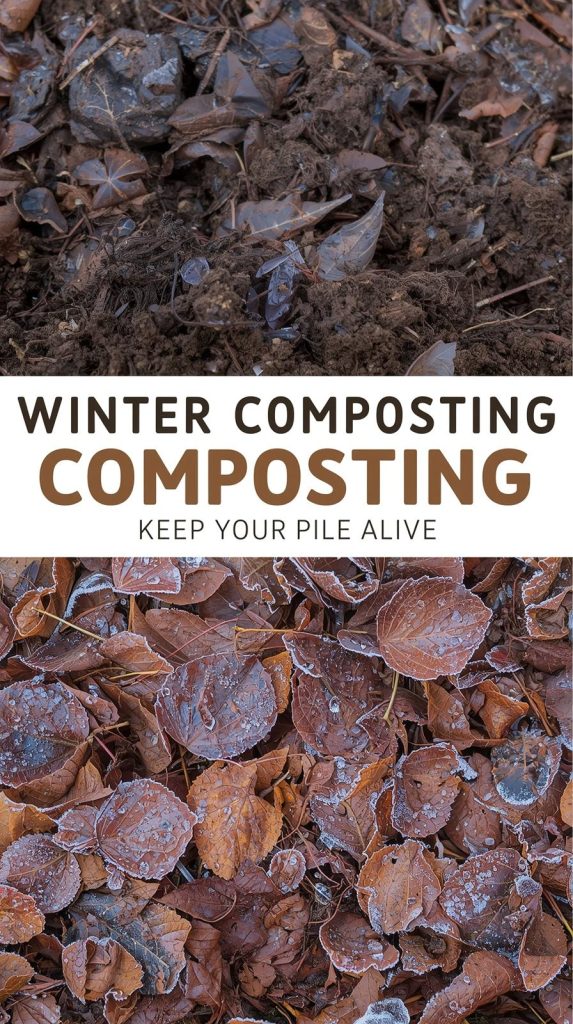
Most people think of composting as a warm-weather ritual — something that slows down, freezes, or flat-out dies once the frost hits. But here’s a little secret from nature: decomposition never really stops. It just slows its rhythm, waiting for us to lend a helping hand.
Even when the air turns crisp and the soil hardens, your compost pile is still alive under the surface. Microbes, worms, and fungi are working quietly, keeping the circle of life spinning — one banana peel, coffee ground, and wilted leaf at a time.
In this guide, you’ll learn how to keep your compost active all winter long — with smart insulation, feeding strategies, and design tweaks that protect your micro-helpers from the cold. Whether you compost in a backyard bin, tumbler, or small balcony bucket, these steps will keep your pile thriving until spring.
🌿 Green Life Zen Recommends: The Self-Sufficient Composting Starter Kit
This eco-friendly kit includes everything you need to compost all winter long — insulated bins, moisture thermometers, and organic compost accelerators.
Check it out here →
Why Winter Composting Matters
When winter sets in, food waste doesn’t stop — but too often, it ends up in landfills, where it produces methane, a greenhouse gas 25 times more potent than carbon dioxide. Composting through winter isn’t just about garden prep — it’s about taking responsibility for what we throw away, even in the off-season.
The Soil Connection
Composting year-round keeps your soil ecosystem alive. Microbes, fungi, and worms remain part of the cycle, even if they move slower in the cold. By spring, your compost will already be maturing — rich, crumbly, and ready to feed early plantings.
Sustainability in Every Season
True sustainability isn’t seasonal — it’s steady. Keeping your compost going through winter connects you to the natural cycles that continue beneath the frost. You’re not fighting the cold — you’re working with it.
Related Post: Top 9 Beginner-Friendly Composting Methods Unveiled
The Science Behind Cold-Weather Composting
Let’s start with what’s really happening beneath the surface. Composting is driven by microbial activity — tiny decomposers that thrive in warm, moist, oxygen-rich environments. As they break down food and garden waste, they release heat, which keeps the pile “cooking.”
But when the temperature drops, microbial metabolism slows.
- Below 50°F (10°C): activity decreases significantly.
- Below 32°F (0°C): most microbes go dormant — but not dead.
Your goal in winter composting isn’t to generate summer-level heat — it’s to preserve microbial life until conditions improve. A well-insulated pile stays warm enough inside to keep decomposition quietly ongoing.
Building the Perfect Winter Compost Setup
To keep your pile alive in the cold, think of it as a living organism that needs shelter, food, and moisture — just like you.
1. Insulate Your Pile
Insulation is the heart of winter composting.
- Surround your pile with leaves, straw, or wood chips to trap heat.
- Stack straw bales or old boards around the sides to block wind.
- Add a tarp or lid to prevent snowmelt from over-soaking the pile.
- Use the snow itself — a surprising insulator that seals in warmth like a cozy blanket.
💡 Pro Tip: If your compost bin is portable, move it to a south-facing wall where it can soak up extra sunlight.
2. Size Matters
The bigger the pile, the more internal heat it can generate and retain.
Aim for at least 3 × 3 × 3 feet (1 cubic meter) — that’s large enough to build a warm core while maintaining airflow.
If you use a tumbler, consider:
- Wrapping it in bubble wrap, burlap, or an old sleeping bag.
- Keeping it off the ground on wood blocks to prevent freezing to the soil.
3. Maintain Moisture
Even in winter, compost needs to stay damp — about the texture of a wrung-out sponge.
- Snow can be your ally — it melts slowly, providing gentle moisture.
- Avoid letting your pile dry out or become waterlogged.
- Check weekly by digging into the top few inches; if it’s bone-dry, sprinkle water before covering again.
🌿 Remember: Dry compost = dormant compost.
Related Post: 10 Eco-Friendly Gardening Tips for Beginners
Feeding the Pile: What to Add (and What to Skip)
When it’s cold, your pile decomposes slower, so it’s crucial to keep the right balance between nitrogen-rich “greens” and carbon-heavy “browns.”
| “Greens” (Nitrogen) | “Browns” (Carbon) |
|---|---|
| Fruit & veggie scraps | Dried leaves |
| Coffee grounds | Shredded cardboard |
| Tea bags | Straw / hay |
| Crushed eggshells | Sawdust (untreated) |
Tips:
- Chop kitchen scraps smaller for faster breakdown.
- Mix new additions into the warm center instead of layering them on top.
- Cover every new layer of “greens” with “browns” to deter odors and pests.
💡 Bonus Idea: Save up your fall leaves — they’re nature’s perfect winter carbon source.
Indoor & Alternative Composting Options
If your outdoor pile freezes solid or you live in an apartment, you can still compost through the winter — just move the operation indoors.
1. Vermicomposting (Worm Bins)
- Keep red wigglers (Eisenia fetida) in a plastic or wooden bin indoors, ideally in a garage, basement, or under a sink.
- Maintain temperatures between 55–77°F (13–25°C).
- Feed small amounts regularly; avoid citrus or oily foods.
Benefits: No smell, minimal space, year-round compost production.
2. Bokashi Composting
- A Japanese method that uses bran inoculated with beneficial microbes to ferment food scraps in an airtight container.
- Works indoors without odor and can handle items like meat and dairy.
- Once the bucket is full, the “pre-compost” can be buried outside in spring to finish decomposing.
Ideal For: Urban composters or anyone facing deep-freeze winters.
3. Insulated Compost Bins or Tumblers
- Choose heavy-duty bins with tight-fitting lids.
- Add foam panels or straw around the exterior for extra insulation.
- Rotate occasionally on mild days to introduce oxygen.
Related Post: Best Crops to Plant in Late October Before Winter Hits
How to Jump-Start Your Pile in Spring
Once the thaw begins, your compost will wake up hungry. Here’s how to revive it:
- Turn and aerate the pile to reintroduce oxygen.
- Add nitrogen-rich materials like grass clippings or coffee grounds to reheat the core.
- Check moisture: the pile should be damp, not soggy.
- Mix frozen chunks into the pile as it warms — they’ll decompose quickly.
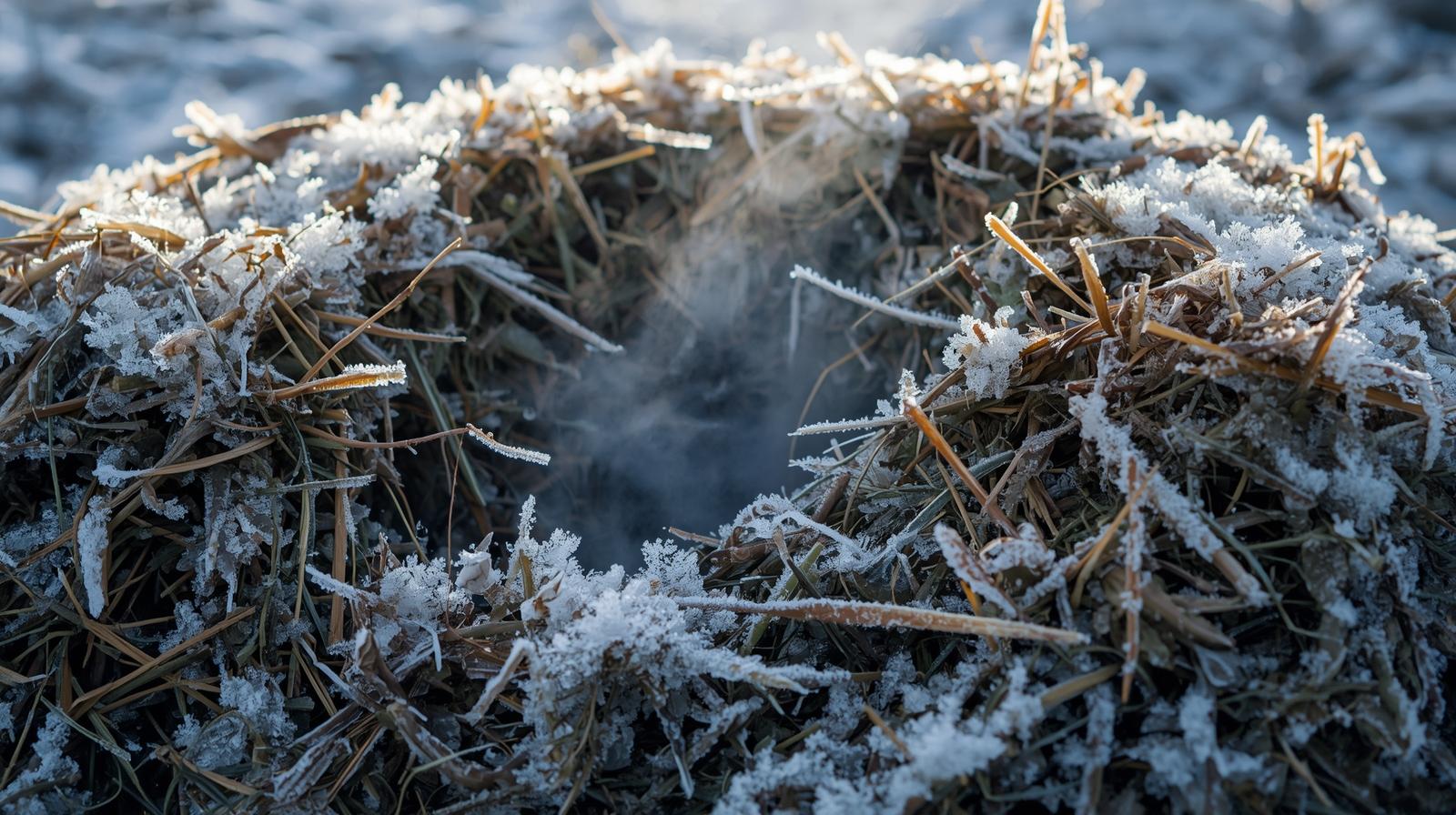
🔁 By March, you’ll see steam rising again — a sure sign your compost is back in business.
Related Post: 5 Forgotten Food Preservation Methods That Still Work Better Than Freezing
Common Winter Compost Problems (and Simple Fixes)
| Problem | Why It Happens | Easy Fix |
|---|---|---|
| Pile frozen solid | Too small / poorly insulated | Add straw or tarp; build larger pile next year |
| Bad odor | Too wet or compacted | Mix in more browns; turn pile to aerate |
| Pests (rats, raccoons) | Exposed food scraps | Always cover new material with carbon layer |
| Dry or inactive | Not enough moisture / greens | Add snow or coffee grounds to reactivate |
🧠 Pro Tip: Even if your pile freezes completely, don’t panic — microbes will resume work as soon as it thaws.
Bonus: Designing a Winter Compost System That Works
Creating the right setup can make winter composting effortless.
Location
- Keep your compost near the kitchen door for easy access in bad weather.
- Avoid low spots that collect rain or snow melt.
Setup Tips
- Use two bins: one active pile for winter use, one “resting” pile to finish decomposing.
- Add a lid or tarp to protect from excess moisture.
- Keep a small scrap bucket indoors for daily collection; empty it weekly into your outdoor pile.
The Bigger Picture — Composting as Winter Mindfulness
Winter composting is more than waste management — it’s a quiet meditation on nature’s patience. Beneath snow and silence, life continues in miniature: microbes breathing, organic matter transforming, soil slowly forming.
Every apple core, leaf, and coffee ground you add is an act of care — for your garden, your planet, and your own mindful connection to the seasons.
So don’t give up when frost arrives. Feed your pile. Cover it. Trust the process.
When spring returns, you’ll uncover rich, dark compost — the earth’s way of saying thank you.
🌿 “Even when the surface sleeps, the soil dreams of growth.”
Related Post: Fall Planting Secrets That Guarantee Fresh Vegetables All Winter