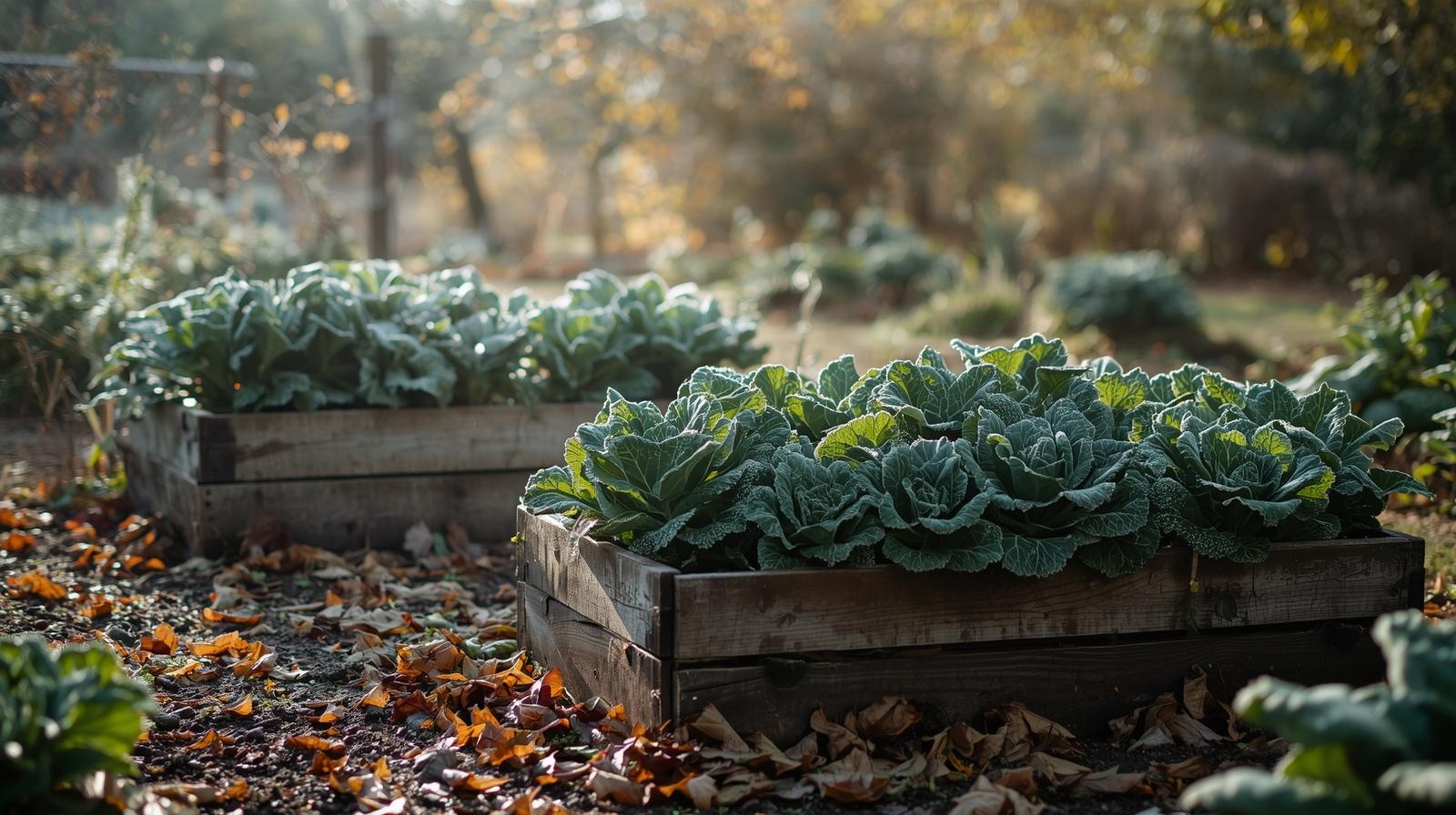
When most gardeners are packing up tools and pulling dying tomato vines, the truly savvy ones are just getting started. Fall isn’t the end of the growing season—it’s the beginning of nature’s most forgiving, productive chapter. Cooler weather means fewer pests, more predictable moisture, and vegetables that actually taste sweeter after a light frost.
If you’ve ever dreamed of harvesting crisp carrots in December or kale in January, you don’t need a heated greenhouse or complicated system. Just the right timing, smart plant choices, and simple protection techniques can turn your fall garden into a living pantry all winter long. By the end of this guide, you’ll know exactly what to plant, how to protect it, and how to keep your garden producing while everyone else is hibernating.
Fall vs. Spring Planting: Why Timing Changes Everything
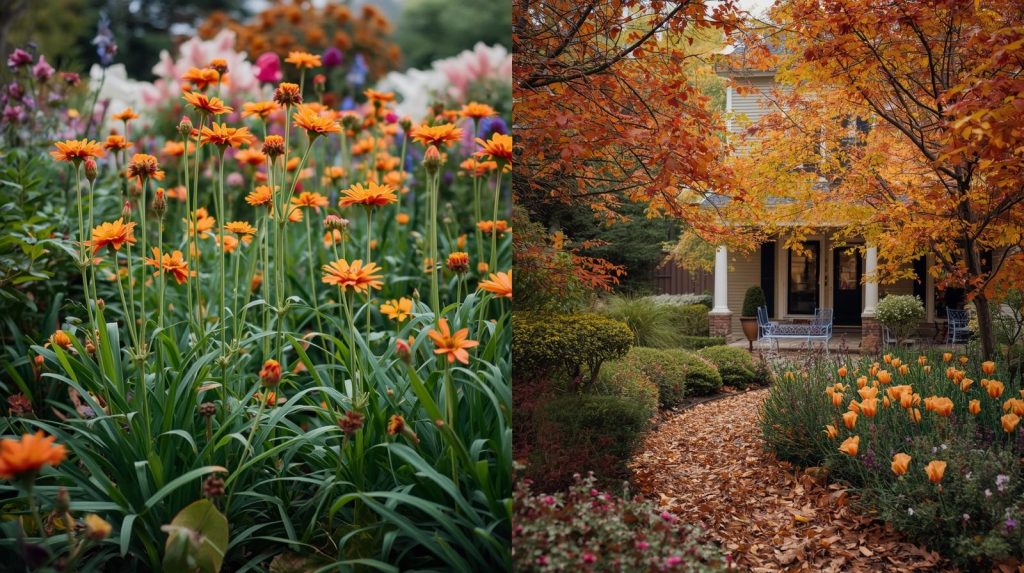
The biggest difference between spring and fall gardening is stress—or rather, the lack of it.
In spring, plants struggle against unpredictable weather: sudden heat waves, pounding rain, and pests emerging hungry from winter. But in fall? Nature calms down. The soil is still warm enough to encourage root growth, while the air cools enough to keep leaves tender.
Below the Soil
Cool soil encourages deeper, steadier root development, which means plants absorb more nutrients and water with less effort.
Above the Soil
Shorter daylight hours reduce leaf stress, resulting in richer color and denser nutrition. The first light frost even acts like a flavor enhancer, converting starches into natural sugars.
Comparison: Spring vs. Fall Planting
| Factor | Spring Planting | Fall Planting |
|---|---|---|
| Temperature Stress | High | Low |
| Pest Pressure | Heavy | Light |
| Water Needs | Frequent | Moderate |
| Crop Flavor | Mild | Sweeter |
| Yield Consistency | Variable | Stable |
Mini-Tutorial: Find Your Fall Planting Window
Check your region’s first frost date, then count backward the “days to maturity” listed on your seed packet. Add two extra weeks to account for slower growth in cooler weather. That’s your perfect fall planting date.
Top 7 Fall Crops That Thrive Through Winter
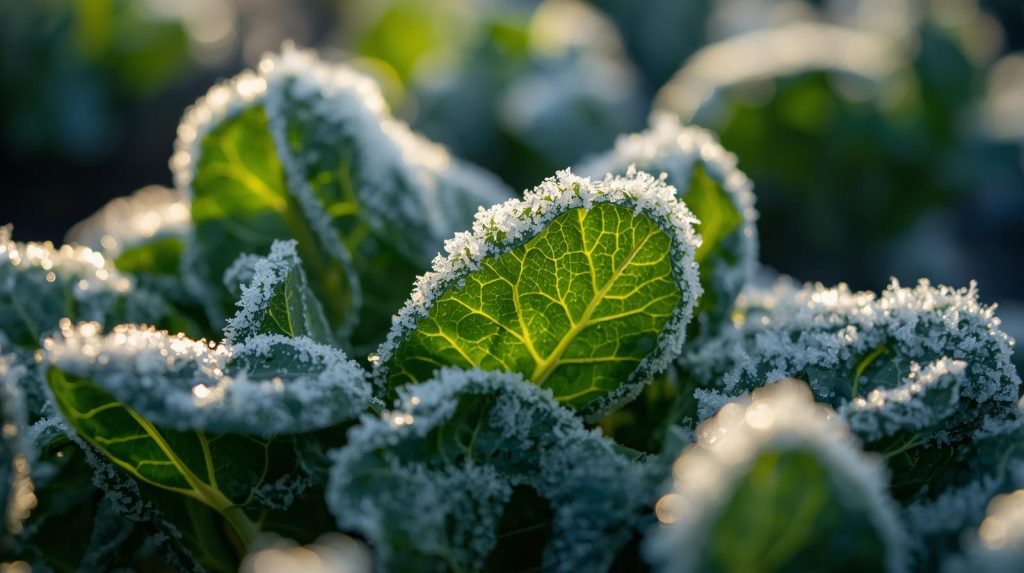
These seven vegetables handle cold like champions. Most can even survive light frost or snow with a bit of mulch or a row cover.
1. Spinach
Spinach is practically built for fall. It grows fast in cool weather and sweetens after a frost.
Mini-tutorial: Sow seeds ½ inch deep and water regularly until established. Once frost hits, cover lightly with straw or row fabric. Harvest outer leaves first to encourage regrowth.
Pros: Fast-growing, nutrient-dense, highly frost-tolerant.
Cons: Bolts if planted too early in hot weather.
2. Carrots
Carrots thrive when days are shorter and temperatures drop. The chill triggers natural sugars to develop—making them sweeter than any store-bought variety.
Mini-tutorial: Sow seeds directly into loose, sandy soil. Keep moist until sprouting. Cover with mulch after seedlings are 2 inches tall.
Pros: Store in-ground all winter; sweeter flavor.
Cons: Germination can be slow in dry soil.
3. Kale
Kale is the undisputed champion of winter gardens. Frost transforms its flavor from earthy to mildly sweet.
Mini-tutorial: Plant 6–8 weeks before first frost. Harvest outer leaves regularly, leaving the center intact for continuous growth.
Pros: Extremely hardy; continuous harvest.
Cons: Can be attacked by aphids early in fall—check undersides of leaves.
4. Garlic
Planting garlic in fall might feel like cheating—it grows all winter underground, then bursts forth next summer.
Mini-tutorial: Separate cloves and plant pointy side up, 2 inches deep, spaced 6 inches apart. Mulch heavily.
Pros: Zero maintenance through winter.
Cons: Patience required—it won’t be ready until midsummer.
5. Radishes
For gardeners who crave instant results, radishes are your quick-win crop.
Mini-tutorial: Sow seeds directly into soil every 10–14 days for continuous harvest.
Pros: Mature in 30 days; minimal care.
Cons: Can split if overwatered during cool rains.
6. Beets
Beets offer double rewards: edible greens and roots. Both tolerate light frost beautifully.
Mini-tutorial: Direct sow, thin seedlings to 3 inches apart, and mulch after sprouting.
Pros: Easy storage; versatile in kitchen.
Cons: Need consistent moisture to avoid woody texture.
7. Swiss Chard (or Mâche)
Swiss chard endures freezing nights and keeps producing well into winter.
Mini-tutorial: Plant in rich soil, water regularly, and protect with a low tunnel for steady growth.
Pros: Continuous harvest; visually stunning.
Cons: Susceptible to leaf miners in warmer climates.
| Crop | Frost Tolerance | Days to Maturity | Ideal Protection |
|---|---|---|---|
| Spinach | High | 45 | Row Cover |
| Kale | Very High | 60 | Mulch or Hoop |
| Garlic | High | Overwinter | Mulch |
| Beets | Moderate | 60 | Straw Cover |
| Chard | Moderate | 55 | Low Tunnel |
Related Post: 5 Forgotten Food Preservation Methods That Still Work Better Than Freezing.
Protective Techniques That Make the Magic Happen
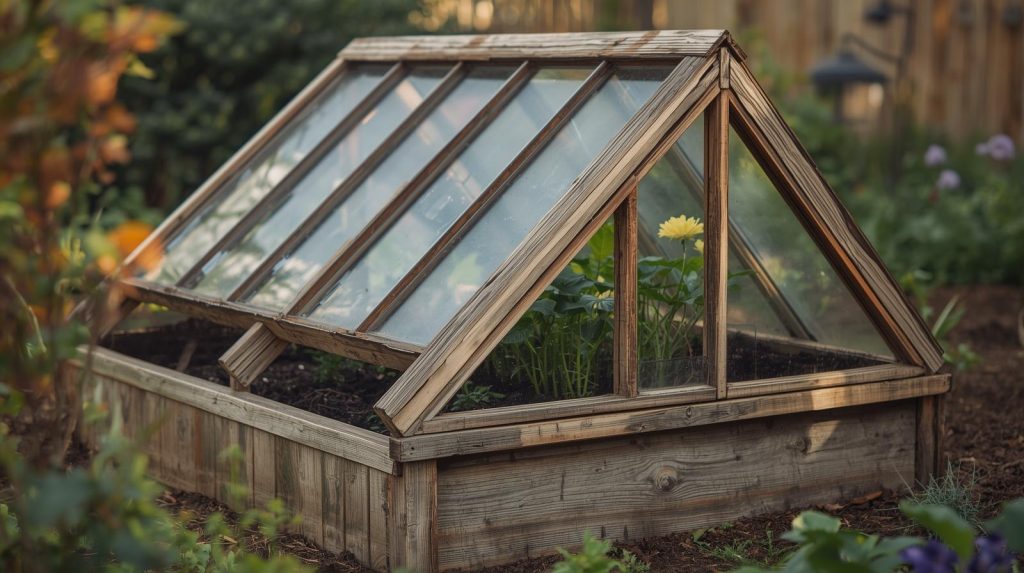
Even the toughest crops appreciate a bit of protection. You don’t need a greenhouse—just these simple tricks.
Cold Frames (Mini Greenhouses)
Made from recycled windows or clear lids, cold frames trap sunlight and block wind.
Pros: Inexpensive, durable, and effective.
Cons: Require venting on warm days to prevent overheating.
💡 Tip: Lean an old window against a wooden box frame—instant cold frame!
Row Covers & Frost Blankets
Lightweight fabric that rests over plants, letting in sun and water but blocking frost.
Pros: Adds 3–5°F warmth instantly.
Cons: Needs secure edges to prevent wind damage.
Mulching & Living Blankets
A thick layer of straw, shredded leaves, or even grass clippings keeps soil from freezing.
Pros: Cheap, sustainable, improves soil health.
Cons: Overdoing it can invite slugs or rodents.
DIY Low Tunnel Hoops
Use flexible PVC pipe bent over beds and covered with plastic sheeting.
Pros: Budget-friendly, reusable, and boosts temperature by up to 10°F.
Cons: Needs occasional tightening after storms.
Related Post: DIY Cold Frame to Extend Your Harvest.
Harvesting and Storing for Long-Term Freshness
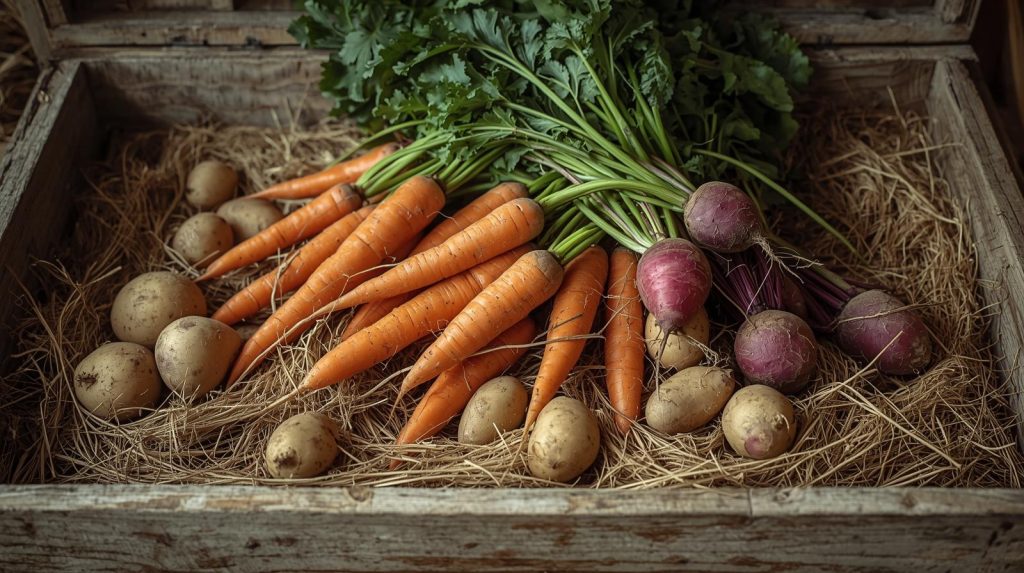
Harvest smart: Never pick vegetables while frozen—they’ll turn mushy when thawed. Wait until midday when temps rise slightly.
Root Storage 101
Crops like carrots, beets, and parsnips can be left in the ground under mulch. Nature’s own refrigerator keeps them crisp until spring.
Greens Maintenance
Harvest outer leaves first, leaving the center growth intact. For kale and spinach, this encourages new growth even during cold spells.
Indoor Storage
If temperatures drop below 20°F regularly, move roots into a cool basement, garage, or improvised root cellar. Layer in boxes with sand or sawdust to maintain humidity.
💡 Bonus Idea: Treat your winter garden as a “living pantry”—instead of storing, you’re harvesting fresh food straight from the earth.
Related Post: Raised Bed Companion Planting for Fall Crops.
Troubleshooting Common Fall Gardening Problems
Why didn’t my fall seeds sprout?
Cool soil delays germination. Pre-sprout seeds indoors or start under a plastic cover for warmth.
What if frost arrives earlier than expected?
Double up protection with both mulch and row cover for a 10°F buffer.
My soil stays soggy—what now?
Add organic matter and create raised rows to improve drainage.
Are pests still active in fall?
Yes, but far fewer. Use neem spray early and encourage beneficial insects like ladybugs.
Best Tools and Products to Make It Easy
You don’t need fancy gear—just smart basics.
- Cold Frame Kits – Easy assembly, perfect for greens.
- Floating Row Covers – Light protection against frost and insects.
- Soil Thermometer – Helps you know when to plant or harvest.
- LED Grow Lights – Great for seedlings or supplementing cloudy days.
No products found.
Your Simple Fall-to-Winter Planting Plan
For quick reference:
1️⃣ Choose hardy crops like kale, spinach, and carrots.
2️⃣ Protect them with mulch, row covers, or a DIY cold frame.
3️⃣ Harvest gradually and store smart.
Bookmark this post as your go-to fall planting checklist, and share it with fellow gardeners—it’s one of the simplest ways to turn short days into a season of abundance.
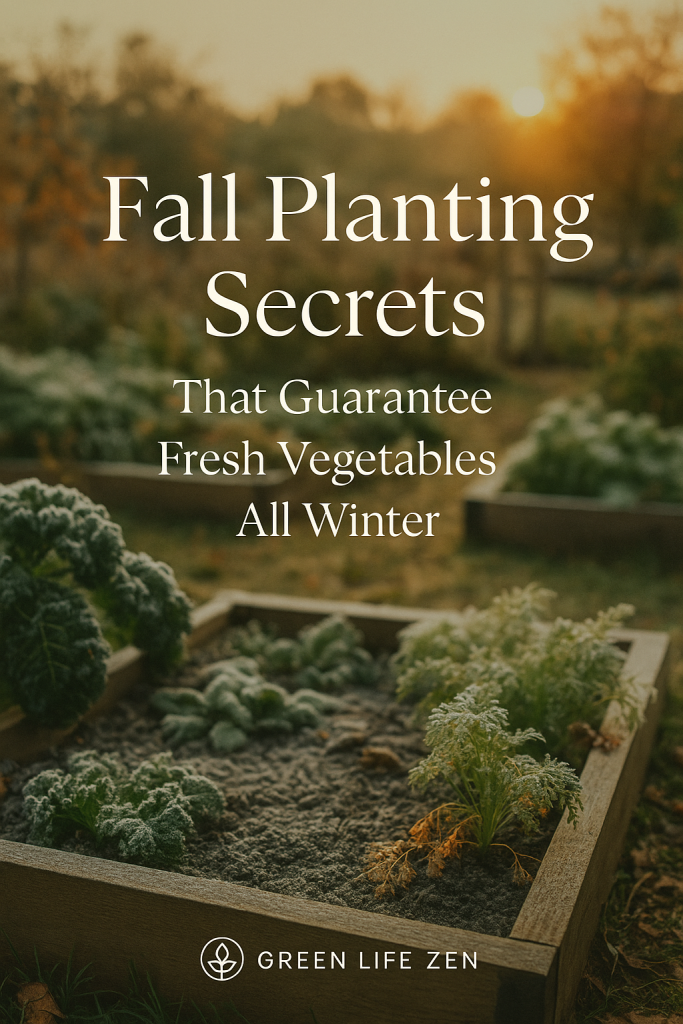
Grow When Everyone Else Gives Up
There’s something deeply satisfying about gathering dinner from your garden when frost glistens on the grass. Fall planting isn’t just practical—it’s empowering.
By embracing the rhythm of the seasons instead of fighting it, you’ll discover that the real magic of gardening begins when others think it ends.
So grab your gloves, plant a few seeds this fall, and watch as your garden quietly transforms into a winter miracle.