Walk into any modern kitchen, and you’ll almost always find a freezer. For many, it feels like the only way to preserve food. But what happens if the power goes out? Or if you want to keep food fresh for months—sometimes even years—without relying on electricity?
Freezing certainly has its place, but it isn’t perfect. Some foods lose texture, flavor, and even nutrients when thawed. And let’s face it—freezers tie us to energy consumption and fragile convenience.
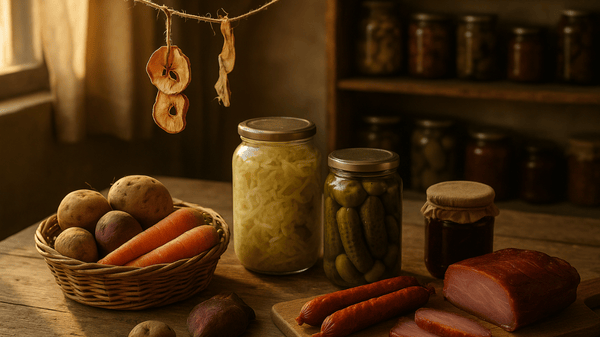
The truth is, our ancestors thrived for centuries without freezers. They mastered the art of food preservation methods that not only extended shelf life but often enhanced flavor and nutrition. Today, many of those methods are making a comeback among homesteaders, preppers, and eco-conscious gardeners.
Here are 5 forgotten food preservation methods that still work better than freezing—and how you can use them in your own home.
📖 Want to Learn More Old-World Preservation Skills?
Discover the lost recipes and food storage methods our ancestors used to survive without freezers or fridges.
👉 Check out The Lost Survival Foods here.
1. Root Cellaring – Nature’s Refrigerator
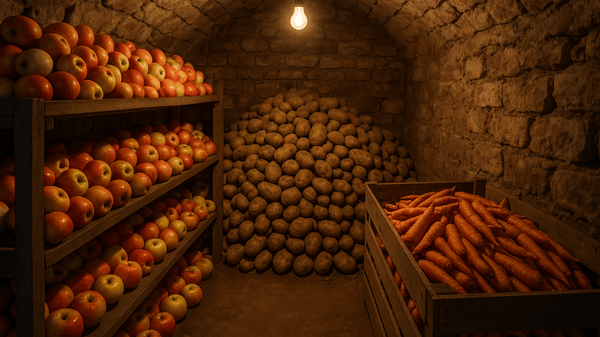
Before freezers, the earth itself served as storage. Root cellaring uses naturally cool, stable underground conditions to preserve food for months at a time.
- How it works: By keeping food at consistent, cool temperatures with proper humidity, spoilage slows dramatically.
- Best foods: Potatoes, carrots, beets, turnips, apples, and cabbages thrive in cellars. Many remain crisp well into spring.
- Why it’s better than freezing: Freezing often changes texture—think of thawed potatoes turning mushy. Root cellaring keeps produce firm and fresh, with no electricity required.
How to do it:
- Traditional method: Build an underground room with ventilation shafts and shelves.
- Easy alternative: Use a cool basement corner, insulated garage, or even a buried barrel.
- Key: Maintain airflow and steady temperatures between 32–40°F.
💡 Tip: Store apples and root crops separately—apples release ethylene gas that can cause vegetables to spoil faster.
2. Fermentation – The Probiotic Preserver
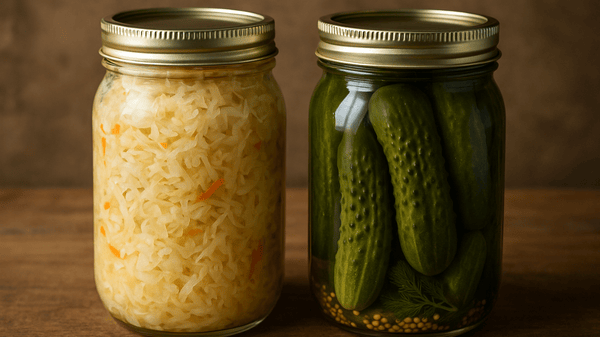
Fermentation is one of the oldest and healthiest preservation methods, dating back thousands of years. It not only keeps food edible but transforms it into something richer in nutrients.
- How it works: Natural lactic acid bacteria consume sugars, creating an acidic environment that preserves food.
- Best foods: Cabbage (sauerkraut, kimchi), cucumbers (pickles), carrots, radishes, sourdough starters.
- Why it’s better than freezing: Instead of losing nutrients, fermentation adds probiotics and increases bioavailability of vitamins. Freezing can stop bacteria—fermentation encourages the good ones.
How to do it:
- Chop vegetables, add salt, and pack into a clean jar.
- Cover with water, leaving space at the top.
- Let sit at room temperature for days to weeks, tasting as it develops.
💡 Tip: Use a fermentation weight or a small jar inside your fermenting jar to keep veggies submerged and mold-free.
3. Drying & Dehydrating – The Ancient Sun Method
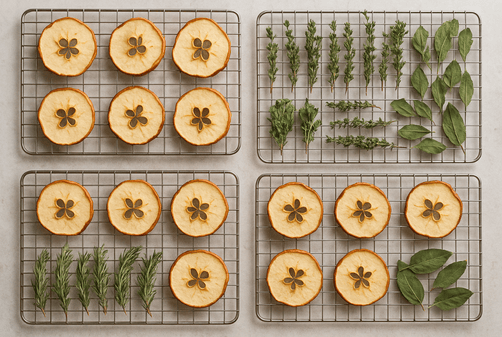
For centuries, people harnessed the sun to preserve their harvest. Removing moisture halts microbial growth, making dried foods shelf-stable for years.
- How it works: Food loses water, bacteria and mold can’t survive.
- Best foods: Fruits (apples, grapes, berries), herbs, mushrooms, jerky, beans.
- Why it’s better than freezing: Freezers require bulky space and electricity, while dried foods are lightweight, portable, and last for years when sealed properly.
How to do it:
- Sun drying: Spread thin slices on screens in a sunny, dry place.
- Oven drying: Set at lowest temperature, leaving the door slightly ajar.
- Dehydrator: Modern convenience that mimics sun drying.
💡 Tip: Store dried foods in airtight containers with oxygen absorbers for long-term stability.
4. Smoking – Flavor Meets Preservation
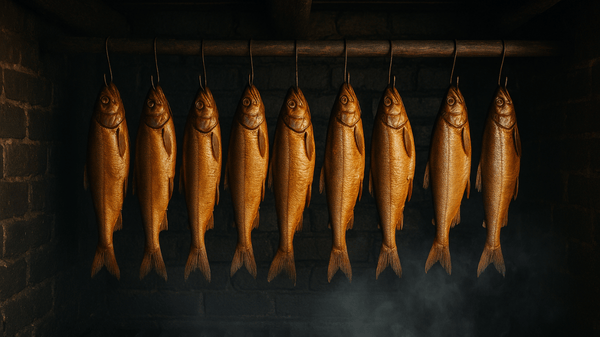
Smoking is more than a cooking method—it’s an age-old preservation technique that doubles as flavor enhancement.
- How it works: Exposing food to smoke from burning wood both dries it out and infuses antimicrobial compounds.
- Best foods: Fish, bacon, ham, sausages, and even cheeses.
- Why it’s better than freezing: Freezing meat often changes texture and reduces flavor. Smoked foods not only last longer but taste richer.
How to do it:
- Cold smoking: Preserves food at low temperatures with smoke (often paired with curing).
- Hot smoking: Cooks and preserves at the same time, but for shorter storage.
- Use hardwoods like hickory, apple, or oak for the best flavor.
💡 Tip: Combine smoking with salting for months of shelf-stable meat without refrigeration.
5. Curing with Salt & Sugar – The Shelf-Stable Secret
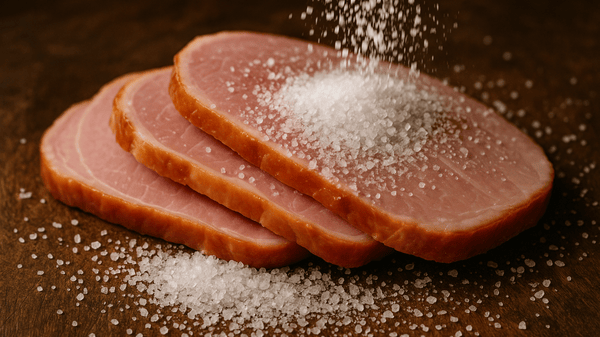
Salt and sugar have long been humanity’s allies in food preservation. They draw out moisture, creating a hostile environment for bacteria.
- How it works: Salt dehydrates bacteria and prevents growth; sugar does the same while creating jams and preserves.
- Best foods: Ham, bacon, salted fish, jams, marmalades, candied fruits.
- Why it’s better than freezing: Cured meats and preserves keep flavor for months without energy costs, while freezing risks freezer burn and flavor loss.
How to do it:
- Dry curing: Rub salt (and spices) into meat, store in cool, dry conditions.
- Wet brining: Submerge fish or meat in saltwater solution.
- Sugar preserving: Make jams with sugar to lock out microbes.
💡 Tip: Experiment with herbs and spices in your curing mixes for added layers of flavor and healing benefits.
📖 Want to Learn More Old-World Preservation Skills?
Discover the lost recipes and food storage methods our ancestors used to survive without freezers or fridges.
👉 Check out The Lost Survival Foods here.
When to Use These Methods (and Why They’re Making a Comeback)
Why are homesteaders, preppers, and eco-friendly families embracing these methods again?
- Resilience: These methods don’t rely on electricity—perfect for outages or off-grid living.
- Nutrition: Fermentation boosts vitamins, while drying retains nutrients better than freezing.
- Flavor: Smoked hams, tangy sauerkraut, sun-dried tomatoes—these foods aren’t just preserved, they’re enhanced.
- Sustainability: Lower energy usage, reduced food waste, and eco-conscious practices align with a greener lifestyle.
Blending ancient techniques with modern tools (like mason jars, dehydrators, and root cellar hacks) makes it easier than ever to revive these forgotten skills.
Related Post: Survival Foods You Need to Grow Now.
FAQs About Food Preservation Beyond Freezing
Q: How long do root-cellared foods last compared to frozen?
Potatoes, carrots, and apples can last 3–6 months in a root cellar, often longer. Frozen produce may only last 6–12 months, with texture loss upon thawing.
Q: Is fermentation safe for beginners?
Yes—fermentation is one of the safest preservation methods if salt levels and cleanliness are maintained. Mold is usually easy to spot and discard.
Q: Do dehydrated foods lose nutrients?
Some heat-sensitive vitamins (like C) are reduced, but most minerals and fiber remain intact. Fermentation often boosts nutritional value.
Q: What’s the easiest forgotten method to try at home?
Fermentation—sauerkraut requires only cabbage, salt, a jar, and patience. It’s foolproof and deeply rewarding.
Conclusion: Old Wisdom, Fresh Solutions
Freezers are modern conveniences, but they’re not the only—or even always the best—option for preserving food. By reviving forgotten methods like root cellaring, fermenting, drying, smoking, and curing, we reclaim control, flavor, and resilience in our kitchens.
Our ancestors didn’t just survive with these techniques—they thrived. And today, they’re more relevant than ever, helping us save energy, reduce waste, and create foods that nourish body and soul.
So this fall, try one method. Build a mini root cellar in your basement. Ferment a jar of sauerkraut. Smoke some fish. You’ll discover that food preserved with old wisdom not only lasts—it tastes better.
✨ Your turn: Which preservation method will you try first? Share in the comments—I’d love to hear your experiments with ancient food wisdom!
Our ancestors thrived without freezers, using methods that still work today. If you’d like to explore even more forgotten recipes and food storage skills, I highly recommend The Lost Survival Foods. It’s like having a family recipe book passed down through generations—practical, sustainable, and life-saving knowledge.