As summer gardens wind down, many gardeners think it’s time to pack away their tools. But fall is one of the best seasons to maximize your raised beds—and companion planting is the secret weapon. By pairing the right crops together, your fall beds can practically run themselves: pest control becomes natural, soil health improves, and yields increase, all without synthetic chemicals.
Imagine a bed of carrots growing sweet and strong while onions nearby keep pests away—or kale shading young beets as they settle in cooler soil. These aren’t just happy accidents; they’re centuries-old gardening strategies proven to make plants thrive. In this guide, we’ll explore the best companion planting strategies for raised beds in fall so you can enjoy a harvest well into the colder months.
The Basics of Raised Bed Companion Planting
Companion planting is the practice of growing certain plants side by side to create natural benefits. Some plants deter pests, others improve soil nutrients, and some provide shade or structure. The goal is simple: let plants help each other grow.
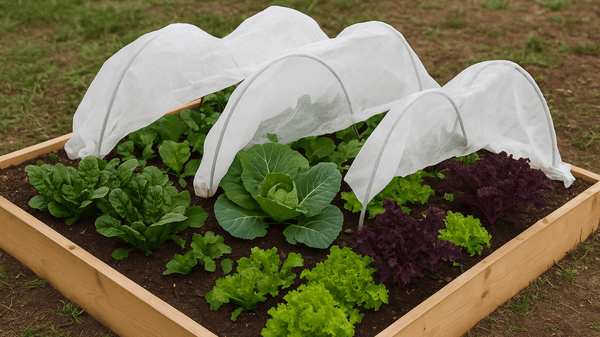
Raised beds are perfect for companion planting because they give you control over soil, spacing, and microclimates. Unlike open ground, raised beds warm up faster in fall and drain better, making them ideal for extending the season. Plus, their compact size makes it easier to plan and experiment with combinations.
When you plant companions in raised beds during fall, you’re essentially designing a miniature ecosystem that’s balanced, productive, and resilient against early frosts.
Related Post: The Ultimate Guide to Companion Planting.
Best Companion Plant Pairs for Fall Crops
Spinach + Garlic
Spinach is a fast-growing fall green, while garlic takes months to mature. Planted together, garlic acts as a natural pest repellent against aphids and beetles, allowing spinach to grow undisturbed. Spinach also fills the bed quickly, so you can harvest leaves before garlic needs the space in spring.
Carrots + Onions
Carrots are vulnerable to carrot flies, but onion’s strong aroma confuses and deters them. In return, carrots loosen soil as they grow, benefiting onions planted nearby. This pairing not only saves space but also reduces the need for chemical pest control.
Kale + Beets
Kale is a hardy leafy green that can withstand frost, and its broad leaves provide partial shade for beets, which prefer cooler soil. Both thrive in fall temperatures, giving you a nutrient-packed combo of roots and greens.
Radishes + Lettuce
Radishes are quick growers, maturing in as little as 25 days. They break up compact soil, which helps shallow-rooted lettuce grow stronger. As radishes are harvested, they leave behind space for lettuce to spread out, creating a natural succession plan.
Broccoli + Spinach
Broccoli grows tall, casting light shade over the soil, which benefits spinach by keeping temperatures cooler. Spinach acts as a living mulch, covering the soil surface and preventing weeds while broccoli matures.
These plant partnerships maximize space and help you squeeze more food from every square foot of your raised bed.
Crops to Avoid Planting Together in Fall Beds
Not every crop plays well with others. Some plants compete for nutrients, release chemicals that inhibit neighbors, or attract pests that spread easily.
- Onions and Beans/Peas → Onions stunt the growth of legumes.
- Brassicas (like broccoli or kale) and Strawberries → They compete heavily for nutrients.
- Carrots and Dill → Dill produces compounds that can weaken carrot growth if planted too closely.
Avoiding these poor pairings prevents wasted effort and ensures your fall raised beds remain productive.
Soil Prep & Bed Design for Companion Success
Healthy soil is the backbone of companion planting. After summer crops, beds are often depleted, so refresh them before planting fall companions.
- Add compost or aged manure to replenish nutrients.
- Loosen soil deeply to support root crops like carrots and beets.
- Check pH levels (most fall crops prefer 6.0–6.8).
- Mulch with straw or leaves to retain warmth and suppress weeds.
When designing your raised bed, think in terms of layers:
- Deep-rooted crops (carrots, beets) below.
- Leafy greens (lettuce, spinach, kale) in the middle.
- Pest-deterrents (garlic, onions, herbs) scattered strategically.
This layering mimics natural ecosystems and ensures plants don’t compete directly for resources.
Pest & Disease Benefits of Companion Planting in Fall
Fall doesn’t mean pests disappear—they just change. Aphids, nematodes, and cabbage worms can still cause problems. Companion planting helps you fight back naturally.
- Garlic & Onions repel aphids, beetles, and caterpillars.
- Marigolds discourage nematodes in the soil.
- Nasturtiums lure aphids away from crops like kale and spinach, acting as a trap plant.
Using flowers and herbs as companions not only improves the look of your raised beds but also creates a multi-layered defense system against pests and diseases.
Succession Planting in Raised Beds
One of the best strategies for fall is succession planting, where you stagger crops to ensure continuous harvests.
Example sequence in a single raised bed square:
- Start with radishes (mature in 25 days).
- Follow with carrots (longer to mature but benefit from loosened soil).
- Finish with garlic, planted in late fall for spring harvest.
This method keeps your raised beds productive through fall and even into winter, instead of sitting idle.
FAQs About Raised Bed Companion Planting for Fall
Q: What are the easiest companion pairs for beginners?
Spinach + garlic and radishes + lettuce are simple, fast, and reliable combinations for new gardeners.
Q: How close can I plant companions in raised beds?
Follow spacing on seed packets, but raised beds allow tighter spacing. For example, plant onions 4 inches apart between carrot rows.
Q: Do companion plants really improve flavor?
Yes! Carrots grown near onions often develop sweeter roots, and basil can enhance the flavor of tomatoes (though tomatoes are best in summer).
Q: Can I use flowers as companions in fall beds?
Absolutely. Marigolds, nasturtiums, and calendula provide pest control while adding beauty and biodiversity.
Conclusion: Build a Thriving Fall Raised Bed
Companion planting isn’t just about squeezing more plants into a small space—it’s about creating a living system where every plant has a role. By choosing the right pairs, avoiding poor matches, preparing your soil, and planning successions, your fall raised beds can remain abundant and resilient well into the colder months.
Instead of shutting down your garden in September, imagine enjoying fresh kale, spinach, and carrots in November—all thanks to smart companion strategies.
So this fall, rethink your raised beds. With a little planning, they won’t just survive the season—they’ll thrive.
✨ Your turn: What companion pairings have worked best in your raised beds? Share your favorite combos in the comments and inspire other gardeners!